The Second Chance Moose Allocation
There's nothing quite like the hopeful anticipation of the Ontario moose draw, followed by that gut-punch feeling when you realize your name wasn't called in the primary allocation. It's frustrating, especially when you've been building points for years or dreaming of that hunt. But don't despair! Ontario offers a valuable lifeline known as the Second Chance Moose Allocation, and this guide is here to walk you through every detail, helping you understand how to navigate this crucial opportunity to still get a tag.
Understanding the Ontario Moose Tag System
Before we dive into the second chance, it’s essential to grasp the broader context of how Ontario handles its highly coveted moose tags. The demand for moose hunting far outstrips the available supply, leading to a complex but necessary allocation system designed to distribute tags fairly and manage the provincial moose population responsibly. This system attempts to balance hunter opportunity with sustainable harvesting, which means not everyone gets a tag every year.
The Initial Primary Allocation Stage
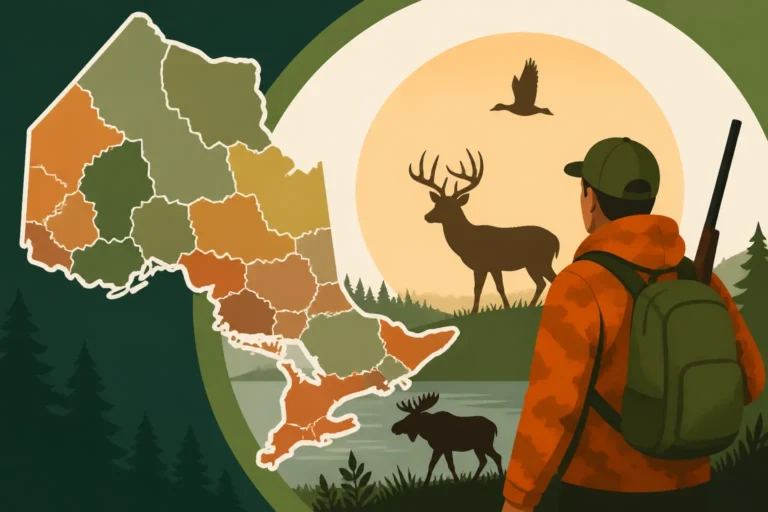
The journey for most hopeful moose hunters begins with the primary allocation stage. This is where the majority of tags are distributed. Hunters apply for specific Wildlife Management Units (WMUs) and a particular type of tag—calf, cow, or bull. It's a points-based system, meaning the more unsuccessful applications you've accumulated over the years, the more "points" you have, theoretically increasing your chances in future draws. For a lot of us, this primary draw is a nerve-wracking waiting game, often spanning months. You've done your research, picked your WMUs, submitted your application well before the deadline for When Primary Moose Applications Open, and then you wait. It's all part of Ontario's Moose Tag Allocation Process, a system that can feel like a bit of a lottery, even with points.
Why Many Hunters Don't Draw First Round
The simple truth is, there are far more hunters who want to hunt moose in Ontario than there are tags available, especially for prime WMUs and bull tags. Even with a decent number of points in Ontario's Moose Points System, success is never guaranteed. Factors like the number of other applicants, the specific WMU you chose, and the type of tag you applied for all play a significant role. Some WMUs, particularly those closer to population centres or known for trophy potential, require an astronomical number of points, making it incredibly difficult to draw. This often leaves many dedicated hunters feeling overlooked and wondering what their next step could possibly be. It's a common frustration, but it’s precisely why the province offers a subsequent opportunity.
What Exactly Is the Second Chance Moose Allocation?
Once the primary allocation has run its course, and hunters have either accepted or declined their tags, a certain number of tags inevitably remain unclaimed or become available due to various reasons. Perhaps a hunter decided not to take their tag, or maybe some WMUs simply had fewer applicants than available tags in the first place. Whatever the reason, these leftover tags are then funnelled into the Second Chance Moose Allocation. Think of it as a second bite at the apple for those who missed out or want to try for a different WMU.
The Purpose of the Second Chance Draw
The main objective of the Second Chance Draw is to ensure that as many available moose tags as possible are utilized, contributing to sound wildlife management while also giving more hunters a chance to participate. It's about efficiency and opportunity. The province wants to manage its moose population, and part of that involves meeting harvest targets. By offering a second chance, they can fill those remaining tag quotas. For hunters, it’s a crucial opportunity to still plan a hunt, even if your initial hopes were dashed. It’s also a way for hunters who might not have many points, or who are looking for a calf or cow tag, to potentially secure an opportunity that might be out of reach in the primary draw.
Eligibility and Application Requirements
One of the most appealing aspects of the Second Chance Moose Allocation is that it opens the door wider. Generally, any eligible hunter who holds a valid Outdoors Card and moose hunting licence, and who was unsuccessful in the primary draw (or simply didn't apply in the primary draw), can apply for the second chance. However, there's a crucial distinction: your accumulated points do NOT factor into the Second Chance Draw. This is a purely random draw for the remaining tags. This aspect is both a blessing and a curse; it means someone with zero points has the same mathematical chance as someone with 20 points, which can be a bitter pill for long-time point holders but offers genuine hope for newcomers. You still need to ensure your Outdoors Card is current, as explained in Ontario's Outdoors Card Explained, and that you have purchased the appropriate moose hunting licence. If you're considering applying as part of a group, remember that Ontario Group Moose Tag Rules still apply, and your group will need to nominate a single lead applicant for the Second Chance.
Navigating the Second Chance Application Process
Applying for the Second Chance Moose Allocation isn't overly complicated, but it does require attention to detail and a keen awareness of deadlines. Unlike the primary draw where you might meticulously pick WMUs based on your points and historical success, the second chance often requires a more flexible approach, focusing on where tags are actually available.
Key Dates and Deadlines
The timing of the Second Chance Allocation is critical. It typically opens up after the initial primary draw results are posted and hunters have had a window to accept or decline their allocated tags. This means it usually occurs a few weeks or months after the initial primary draw period. For example, if primary results come out in June, the second chance application window might open in July or August. It’s absolutely essential to stay on top of these dates. The Ministry of Natural Resources and Forestry (MNRF) website is your primary source for official announcements, but many hunting forums and community pages will also broadcast these dates. Mark your calendar for The Second Chance Application Deadline as soon as it's announced, because missing it means missing out entirely. This window is often shorter than the primary draw period, so procrastination isn't an option.
Using the MNRF Online Portal
Just like the primary draw, applications for the Second Chance Allocation are processed through the Ministry of Natural Resources and Forestry (MNRF) online licensing portal. You’ll log in with your Outdoors Card number and follow the prompts specifically for the "Second Chance Moose Draw." The system will display which WMUs have tags remaining and the type of tags available (calf, cow, bull). This is where your research really pays off. You won’t be blindly picking WMUs; you’ll see the actual inventory of leftover tags. Many hunters find it useful to cross-reference this real-time information with historical data. Tools and apps like GoHunt can be incredibly helpful during this stage, allowing you to quickly cross-reference historical success rates in certain Ontario's Wildlife Management Units with the current availability. They often provide detailed analytics that aren't immediately obvious on the government portal, giving you an edge in making an informed decision about where to apply.
Strategic WMU Choices for the Second Chance
Choosing your WMUs in the second chance is a different game than the primary draw. Since points don't matter, your strategy shifts from accumulating points for a dream hunt to simply getting a tag. This means being realistic and flexible. Look for WMUs with a higher number of available tags, even if they aren't your top choice in the primary draw. These might be:
- Northern and Northwestern WMUs: Areas like
Hunting Northwestern Ontario's Big BushorHunting Northeastern Ontario's Clay Beltoften have more tags available simply due to their vast size and lower population density, leading to fewer applicants. These regions might require more logistical planning, but they offer great opportunities. - Less Popular WMUs: Some WMUs might be less sought after due to remoteness, challenging terrain, or perceived lower moose densities, yet they still hold huntable populations.
- Calf or Cow Tags: If your primary goal is simply to hunt moose, rather than specifically a bull, applying for calf or cow tags can significantly increase your odds. These tags are generally less competitive.
Remember, the goal is to get a tag. Flexibility and research are your best friends here. Don't be afraid to consider a WMU you might not have looked at initially if it means a higher chance of a successful application.
Maximizing Your Odds in the Second Chance Draw
While the Second Chance is a random draw, there are still ways to approach it smartly to tip the odds ever so slightly in your favour. It’s all about informed decisions and understanding where the opportunities truly lie. You're not relying on decades of How Ontario Moose Points Accumulate here; you're relying on current availability and savvy selection.
Understanding Remaining Tag Availability
The MNRF portal will display the exact number of remaining tags for each WMU and tag type. This is gold. Don’t just glance at it; study it. Which WMUs have multiple tags still open? Are there WMUs with only one or two tags left, which might indicate higher competition? Consider the historical context too: if a WMU rarely has leftover tags, but this year it does, it might be an anomaly worth exploring. Conversely, if a WMU always has tags left over, it might suggest a less competitive hunt, perhaps due to its remote location or challenging access. The more tags available for a particular WMU and tag type, the higher your statistical chance of drawing one. It’s a numbers game, plain and simple.
Analyzing Past Draw Statistics
Even though the Second Chance is a random draw, looking at past trends can offer valuable insights. While specific "second chance" draw odds aren't always released in the same detailed format as the primary draw, you can infer a lot from which WMUs historically have leftover tags. Which areas consistently show availability after the first round? This information can guide your selection process. Consider using tools like GoHunt, which often compile and analyze such data, giving you a clearer picture of which WMUs tend to have tags available year after year. This kind of data analysis can help you move beyond guesswork and make a more strategic choice, even in a random draw.
| WMU Group | Typical Primary Draw Competition | Likely Second Chance Tag Type | Access Considerations |
|---|---|---|---|
| Southern Ontario | Very High (High Points Needed) | Unlikely (few moose) | Easier (roads) |
| Central Ontario | High (Moderate-High Points) | Cow/Calf sometimes | Mixed (roads, bush) |
| Northeastern Ontario | Moderate (Moderate Points) | Cow/Calf, some Bull | Mixed (logging roads, fly-in) |
| Northwestern Ontario | Lower (Fewer Points Needed) | Bull, Cow, Calf | Challenging (remote, fly-in, boat-in) |
This table is a generalized guide; actual availability varies annually.
Considering Less Pressured WMUs
This is often the secret sauce for success in the Second Chance. Instead of clinging to the hope of a bull tag in a highly sought-after WMU you've always dreamed of, broaden your horizons. Many northern WMUs, particularly in Hunting Ontario's Northern Lake Country or more remote sections of the boreal forest, see less hunting pressure simply due to logistics. These are often the WMUs where you might need to embrace a Canoe-In Hunting on Ontario Crown Land adventure or scout an old logging road.
- Remote Access: WMUs that require significant effort to reach – think long drives, ATV trails, boat access, or even
Hunting Moose From a Boat or Canoe– often have more tags remaining. Hunters prioritize convenience, so areas off the beaten path become hidden gems. - Less Familiar Areas: Some WMUs might simply be less familiar to the general hunting public. Do your homework. Use online mapping tools like onX or satellite imagery to
Scouting With Satellite Imagery in Ontarioand identify potential access points or promising habitat in these lesser-known zones. - "Camp" WMUs: For those who prioritize the experience of an Ontario moose hunt with friends or family, rather than a specific trophy, looking at WMUs that historically support a higher number of cow or calf tags could be a great move. These areas can still offer fantastic hunting opportunities and unforgettable memories, even if they don't produce a
What a Big Bull Moose Weighs. Remember, a moose tag, regardless of size or gender, is still an incredible opportunity for fresh, wild meat.
What Happens After the Second Chance Draw?
Once you've submitted your application for the Second Chance Moose Allocation, the waiting game begins again, albeit typically for a shorter period than the primary draw. The anticipation can be almost as intense, as you know this is likely your last formal opportunity to secure a tag for the season.
Receiving Your Results
Just like the primary draw, the results of the Second Chance Allocation are usually posted online via the MNRF licensing portal. You’ll receive an email notification prompting you to check your account. It's usually a quick process from application to results, typically within a few weeks of the The Second Chance Application Deadline. The feeling of seeing that "successful" notification is incredible, a validation of your persistence and strategic thinking. If you’re successful, the portal will clearly indicate your allocated WMU and tag type. This is your cue to start solidifying your hunt plans!
If You Draw a Tag: Next Steps
Congratulations! Drawing a tag in the Second Chance is a fantastic achievement. Your next steps will be similar to those of a primary draw success:
- Accept and Print Your Tag: You'll need to formally accept your tag through the online portal and print it. Ensure you understand all the regulations surrounding tag notching, attachment, and
Evidence of Sex Requirementsfor your specific tag type. - Solidify Your Hunt Plan: Now is the time to finalize scouting, travel logistics, and equipment. If you drew a remote WMU, consider what kind of vehicle access you'll need, where you'll camp, and how you'll get your moose out of the bush. Review the
Ontario Moose Licence Costif you haven't already paid for it. - Gear Up: Ensure your rifle or bow is sighted in. If you're going for
Rifle Hunting Ontario's Deer Seasonin the same region, make sure your gear can do double duty. Consider your clothing for variable Ontario fall weather, and don't forget essential items for safety and navigation in the bush. - Scout Your WMU: Even if you chose a WMU purely for tag availability, a little research into the
Hunting Ontario's Mixed Hardwood BushorHunting an Old Logging Road in the Northspecific to that area can boost your chances. Understanding the terrain, recent logging activity, or known moose travel corridors will be invaluable. - Consider a Guide: For those less familiar with a particular WMU, especially in remote areas, considering an outfitter or guide can be a game-changer. While Ontario doesn't typically require a guide for residents, a local expert can vastly increase your success, particularly if you're traveling a long distance for your hunt. Many outfitters have a deep understanding of
Ontario's Wildlife Management Unitsand can provide invaluable assistance.
If You Don't Draw: What Are Your Options?
It's tough when you don't draw a tag, even in the second chance. It can feel like all hope is lost for the season. However, you still have a couple of avenues to explore if you're determined to hunt moose:
- Group Hunting with a Successful Hunter: If a friend or family member drew a moose tag, either in the primary or second chance, you might be able to join their hunting party. As long as you meet the eligibility requirements and have a valid moose hunting licence, you can hunt as part of their group. This is a fantastic way to experience a moose hunt, learn, and contribute to the effort, even without your own tag. Ensure you understand all
Ontario Group Moose Tag Rulesbefore forming a party. - Over-the-Counter Calf Tags (Rare and Limited): In very specific circumstances, and in a very limited number of WMUs (primarily in the far north), a small number of calf tags might be available over-the-counter after all draws are complete. This is exceptionally rare and highly localized. You would need to check the MNRF website very closely for any announcements. These opportunities are generally not reliable for planning a hunt.
- Focus on Other Species: If a moose hunt isn't in the cards this year, Ontario offers incredible opportunities for other big game like
Whitetail Hunting in OntarioorBlack Bear Hunting in Ontario, or fantastic small game and bird hunting. Shifting your focus can still lead to a rewarding hunting season. ConsiderRuffed Grouse Hunting Ontario's Bush RoadsorWaterfowl Hunting Across Ontarioas exciting alternatives. - Plan for Next Year: Don't let a missed draw diminish your enthusiasm for hunting. Use the time to
Scouting a Wildlife Management Unit, hone your skills, and accumulate another point for next year's primary draw. The waiting game is part of the tradition, and eventually, your time will come.
Disclaimer
Please be aware that hunting regulations, season dates, and allocation processes in Ontario are subject to change by the Ministry of Natural Resources and Forestry (MNRF). Always consult the most current Ontario Hunting Regulations Summary available on the official provincial government website before planning any hunt or submitting applications. This guide is for informational purposes only and does not supersede official government documentation.