Ontario Rules on Baiting Big Game
Hunting in Ontario offers some incredible experiences, but let's be honest, navigating all the regulations can sometimes feel like trying to track a ghost through a blizzard. One area that often trips people up, leading to a lot of head-scratching and worry, is the use of bait for big game. It’s a common practice in some other jurisdictions, but Ontario has its own very specific, and sometimes quite strict, set of rules. This guide is here to untangle that knot, so you can hunt confidently and legally.
Understanding Ontario's General Baiting Regulations for Big Game
It's easy to assume that if you can bait deer or bears in another province or state, you can do it here in Ontario. But that's a mistake that can lead to some serious consequences. Ontario's Ministry of Natural Resources and Forestry (MNRF) has implemented baiting regulations for a variety of reasons, primarily centered around fair chase principles, preventing the concentration and spread of disease among wildlife, and ensuring public safety. These rules aren't just arbitrary; they're part of a broader wildlife management strategy designed to maintain healthy populations and a sustainable hunting heritage for everyone.
The core idea behind these regulations is to ensure that hunting remains challenging and ethical. When animals are regularly attracted to a specific spot with large quantities of food, it changes their natural movement patterns and can make them less wary, which takes away from the traditional fair chase aspect of hunting. It also creates a situation where multiple animals might gather, increasing the chances of disease transmission, something the MNRF is very keen to avoid, especially with concerns like Chronic Wasting Disease (CWD) on the horizon, even if Ontario hasn't confirmed CWD in its wild deer populations yet.
Moreover, baiting can unintentionally draw wildlife, especially larger animals like bears, closer to human-populated areas, leading to potential conflicts. This is a big concern for public safety, and why rules are often designed to prevent this. While the temptation to use bait might be strong, especially when game seems scarce, understanding these underlying principles helps explain why Ontario's approach differs from places where baiting is more widely accepted. It’s about more than just harvesting an animal; it’s about responsible wildlife stewardship.
Specific Big Game Species and Their Baiting Rules in Ontario
Now, let's get down to the nitty-gritty, because the rules aren't a one-size-fits-all situation. What's allowed for one species might be strictly prohibited for another, and misunderstanding this is where most hunters get into trouble. Knowing these distinctions is absolutely critical before you even think about setting up a site.
White-Tailed Deer and Moose
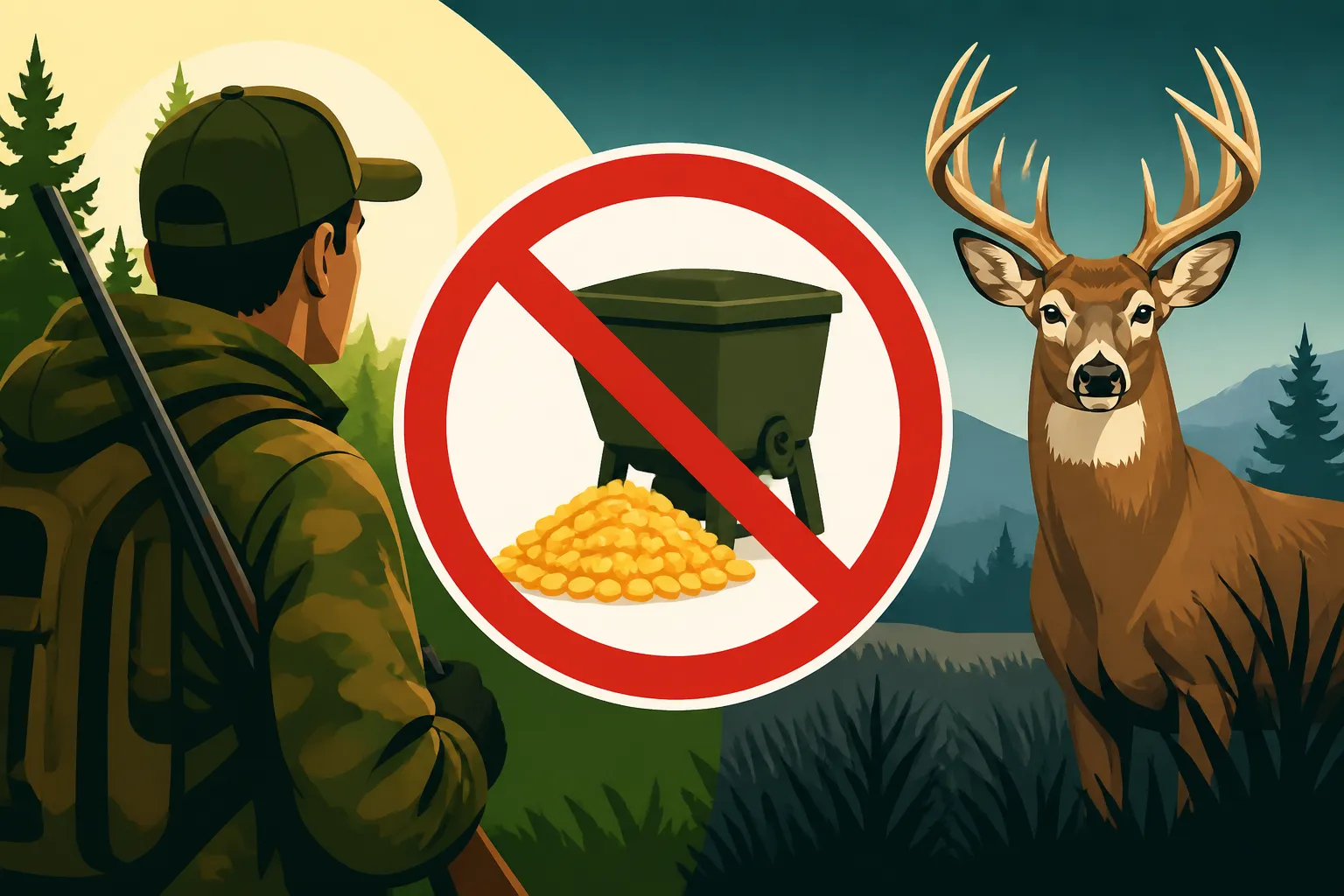
For many hunters, especially those new to Ontario or coming from areas where it’s common, the biggest surprise might be the strict prohibition on baiting white-tailed deer. Yes, you read that right. In Ontario, it is generally illegal to use bait to hunt white-tailed deer. This includes everything from corn piles and apples to molasses blocks or even mineral licks if they are specifically intended to attract deer for hunting purposes. This rule applies across the province, with very few exceptions, typically only in highly specific controlled hunts that would be clearly outlined by the MNRF if they ever permitted such a thing, which is exceedingly rare for baiting. This contrasts sharply with many US states where deer baiting is a widespread and legal practice.
The same general prohibition extends to moose. You cannot use bait to hunt moose in Ontario. Just like with deer, the provincial regulations are designed to prevent the artificial concentration of these majestic animals and maintain the integrity of a fair chase hunt. Hunters are expected to scout, track, and call moose based on their natural movements and behaviours. For those interested in Calling Moose in Ontario's Boreal Forest, this means relying on traditional methods rather than a feed pile. These prohibitions underscore Ontario's commitment to managing these big game populations in a way that respects their natural instincts and reduces the risk of disease spread.
Black Bear
Here's where things get different! Unlike deer and moose, baiting is generally permitted when hunting black bears in Ontario, but with a significant number of strict conditions and regulations. This is largely due to the challenging nature of bear hunting and the management needs for black bear populations. However, it’s not a free-for-all. The rules are in place to ensure ethical hunting practices, prevent nuisance bear situations, and protect public safety. If you're planning a Black Bear Hunting in Ontario trip, understanding these specifics is paramount.
When you're baiting for bear, you must ensure that your bait site adheres to provincial guidelines. This includes rules around the type of bait you can use, how much, how close it can be to roads or residences, and how it must be managed. For instance, baits typically must be removed or rendered inaccessible after the hunting season ends. Also, some Wildlife Management Units (WMUs) might have specific additional restrictions, so always, always check the current regulations for your particular WMU. This is where tools like GoHunt can be invaluable, offering up-to-date WMU information and helping you understand the lay of the land, whether you're looking at Hunting Northwestern Ontario's Big Bush or somewhere closer to home.
Legal Baiting Practices and Prohibitions for Black Bears
Since black bear is the one big game species where baiting is allowed, let's dive deep into what you can and cannot do. This isn't just a suggestion; these are legal requirements, and stepping outside them can lead to serious repercussions.
Permissible Bait Materials and Site Setup
For black bears, a wide variety of food items can be used as bait, as long as they are non-toxic and not harmful to the bears or other wildlife. Common choices include pastries, grease, meat scraps (though raw meat can attract other predators or scavengers you don't want), dog food, and even some sugary cereals. The key is to use items that will attract bears and keep them coming back, but which are still legal. You want to create a site that's easily accessible for the bears but allows you a clear and ethical shot.
When setting up your bear bait site, think about placement. Baits cannot be placed within 400 meters of a public road or a dwelling. This distance is crucial for safety and to prevent conflict. Furthermore, you can’t place baits on Crown land that has a road that is maintained year-round or within certain restricted areas. It's not just about what you put out, but where you put it. You also need to mark your bait site clearly with a sign that indicates it is a bear bait site and includes your name and address. This ensures transparency and accountability, should a conservation officer check the site. GoHunt's mapping features can be a real asset here for checking distances and boundaries.
Prohibited Practices and Ethical Considerations
Beyond the explicit prohibitions, there are ethical considerations that every responsible hunter should adhere to. Never use anything that could harm a bear or other animal, such as chemicals or non-biodegradable items that could be ingested. Also, be mindful of other wildlife. While bear baiting is legal, you don't want to inadvertently create a situation where other non-target species, especially those protected, become habituated or harmed. You might be interested in Setting a Bear Bait Site in Ontario and learning more about the best practices.
It is also crucial to manage your bait site responsibly throughout the season and especially after your hunt. All bait and associated materials must be removed or rendered inaccessible once the season closes or you cease hunting that specific site. Leaving behind large quantities of food or other debris can attract bears to the area long after hunting season, potentially leading to human-wildlife conflicts. This is about respect for the animal and for the landscape. Ontario's Black Bear Numbers and Where They Peak are monitored closely, and responsible baiting practices contribute to their healthy management.
Here’s a quick summary table of the main big game baiting rules in Ontario:
| Species | General Baiting Rule | Specific Conditions/Notes |
|---|---|---|
| Deer | Generally Prohibited | Illegal to place or use bait to hunt white-tailed deer. This includes corn, apples, mineral licks, etc., if intended to attract deer for hunting. Rare, specific exceptions may apply for highly controlled situations, but these are not common. |
| Moose | Generally Prohibited | Illegal to place or use bait to hunt moose. Hunters must rely on scouting, tracking, and calling to locate moose. |
| Black Bear | Generally Permitted (with strict regulations) | Permitted to use non-toxic food items (pastries, meat scraps, grease, dog food). |
| Site Requirements: Must be > 400 meters from a public road or dwelling. Cannot be on Crown land with a year-round maintained road. Must be clearly marked with a sign including your name and address. | ||
| Management: Bait and materials must be removed or rendered inaccessible after the season or when hunting ceases at the site. Check specific WMU regulations as additional restrictions may apply (e.g., Spring Bear Hunting in Ontario). |
Consequences of Illegal Baiting and How to Report Violations
Ignoring Ontario's baiting rules, whether intentionally or out of ignorance, isn't just a minor infraction; it can lead to severe penalties that no hunter wants to face. The MNRF takes these regulations very seriously, and their conservation officers are actively patrolling to ensure compliance.
Penalties for Non-Compliance
If you're caught illegally baiting big game, particularly deer or moose, or failing to adhere to the strict black bear baiting rules, the consequences can be significant. You could face substantial fines, potentially running into the thousands of dollars. Beyond monetary penalties, offenders risk losing their hunting licence, which means no hunting for a specified period, or even permanently in severe cases. This can be devastating for anyone who cherishes their time in the bush. In some situations, equipment used in the commission of the offense, such as firearms, vehicles, or even ATVs (if used in relation to the illegal baiting), can be seized. Imagine having your prized rifle confiscated for a simple mistake. It’s a harsh reminder that knowing and following the rules is paramount.
The legal system here in Ontario doesn't differentiate much between a non-resident making a mistake and a resident intentionally breaking the law when it comes to wildlife violations. Ignorance of the law is generally not considered an acceptable defense. This is why it's so vital to thoroughly review the current Ontario Hunting Regulations Summary every single year, as rules can change. For example, if you're out Hunting an Ontario Bush Edge or trying to identify your Ontario Wildlife Management Units with GoHunt, always double-check the latest rulebook.
Reporting Violations and Enforcement
The MNRF relies on diligent enforcement and the public's help to maintain healthy wildlife populations and ethical hunting practices. Conservation officers are highly trained and have the authority to investigate suspected violations, lay charges, and ensure compliance with provincial laws. They might conduct routine patrols, investigate suspicious activity reported by the public, or follow up on anonymous tips.
If you witness a suspected hunting violation, including illegal baiting, it's your responsibility as a conservation-minded individual to report it. Ontario has a dedicated "Tips Line" or "Report a Poacher" line (1-877-TIPS-MNR or 1-877-847-7667) that you can call anonymously. You can also report online. When making a report, try to gather as much detail as possible: the date, time, location, description of individuals involved, vehicle details, and the nature of the suspected violation. Providing accurate information can greatly assist conservation officers in their investigations. Protecting our shared wildlife resources is a collective effort, and upholding these rules benefits all of us who enjoy Whitetail Hunting in Ontario or any other hunting pursuit.
Disclaimer
Please remember that while this guide aims to provide comprehensive and accurate information, hunting regulations can change. It is always your responsibility as a hunter to consult the most current official Ontario Hunting Regulations Summary, available on the Ontario government website or wherever licences are sold, before engaging in any hunting activity. This content is for informational purposes only and does not constitute legal advice.