Red Flags in an Outfitter’s Website
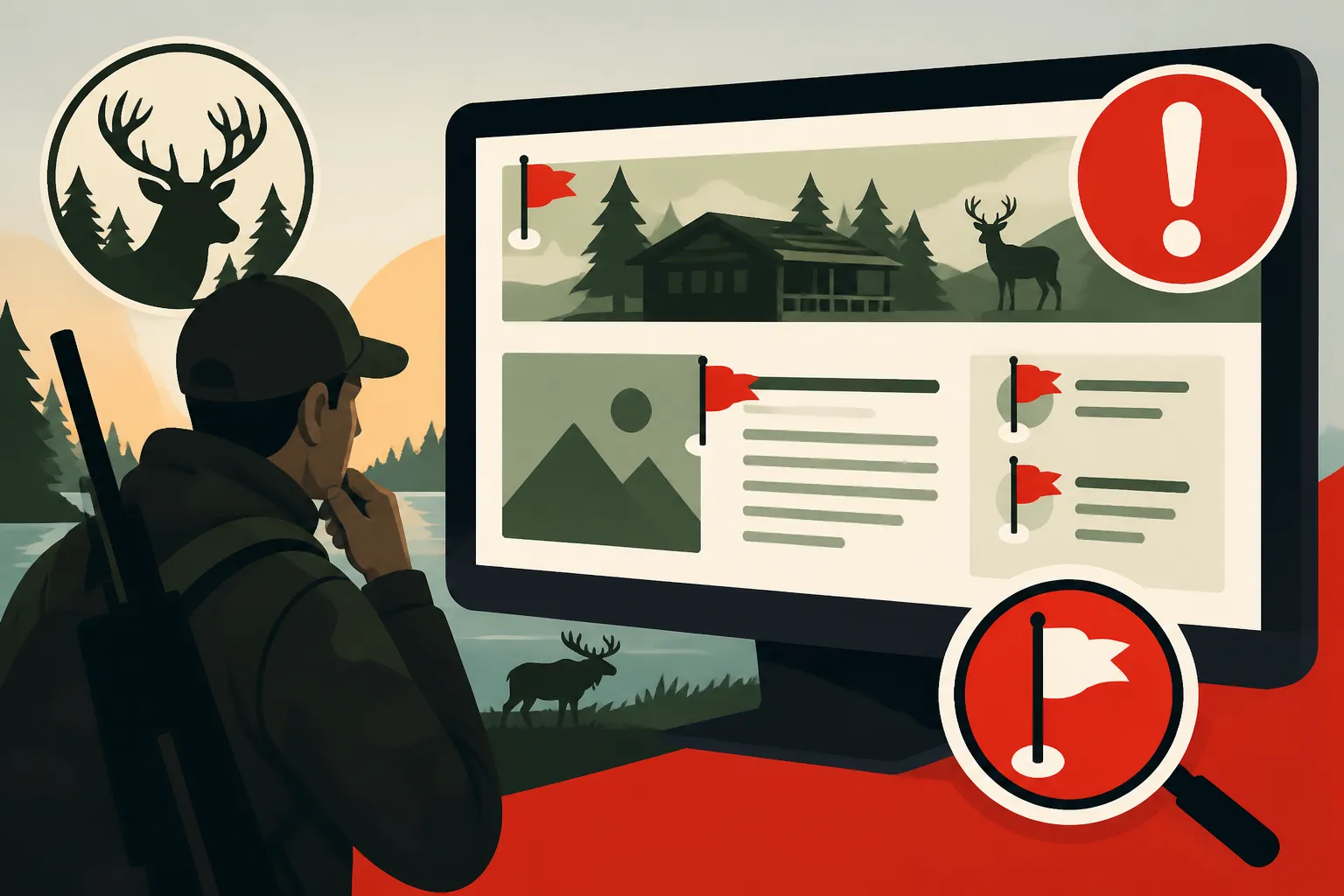
Booking a hunting trip, especially to a new region like Ontario, is an incredibly exciting prospect. You spend hours dreaming of majestic moose, cunning whitetails, or a big bruin, meticulously planning the gear and imagining the crisp morning air. But before you get too caught up in the romance of the hunt, you need to navigate the sometimes murky waters of online outfitter websites. It’s a frustrating reality that not all online promises are created equal, and knowing how to spot red flags can save you a lot of heartache, disappointment, and hard-earned money. This guide is here to walk you through those subtle and not-so-subtle warning signs, helping you ensure your Ontario hunting adventure is everything you hoped for.
The Lure of the Web and Why Caution is Key
The internet has opened up a world of possibilities for hunters. No longer are you limited to word-of-mouth recommendations or print ads. Now, you can explore countless outfitters with a few clicks, comparing services, locations, and hunt styles. It’s a fantastic tool, but like any tool, it has its downsides. The ease of creating a professional-looking website means that even less scrupulous operators can appear legitimate at first glance.
The Dream Versus Reality of Online Listings
When you land on an outfitter's website, you're usually looking for inspiration. You want to see stunning photos of successful hunts, read glowing testimonials, and get excited about the adventure. And legitimate outfitters absolutely deliver on this front. They showcase their beautiful camps, their well-managed hunting grounds, and the memorable experiences their clients have had.
However, the dream can quickly turn into a nightmare if the pictures are too perfect, the claims too grand, or the information too sparse. It’s a tough spot because you want to believe the best, but your practical hunter's brain needs to kick in. Imagine booking a Moose Hunting Ontario's Northern Bush trip based on a few blurry photos, only to arrive and find the camp is nothing like what was advertised. Or you're looking for a Whitetail Hunting in Ontario experience and the website uses generic deer photos that could have been taken anywhere, rather than specific shots from their territory. That initial disappointment can overshadow the entire trip, and that's something we want to help you avoid.
The Pressure to Book Fast
One common tactic you might encounter, especially with less reputable operations, is a push to book quickly. You might see "limited spots available" banners that never seem to disappear, or receive emails implying that prices are about to jump if you don't commit immediately. While it's true that popular outfitters do book up, particularly for prime dates like Hunting the Rut in Early to Mid November or specific tags for Elk Hunting Ontario's Bancroft Herd, legitimate businesses won't strong-arm you.
They understand that a hunting trip is a significant investment, both financially and emotionally. They'll encourage you to ask questions, check references, and feel completely comfortable before sending a deposit. If you feel rushed or pressured to commit before you've had a chance to thoroughly research, that's a definite pause for thought. Take a deep breath. A truly great hunt is worth waiting and vetting for.
Obvious Omissions and Vague Details
One of the biggest indicators that something might be off with an outfitter’s website is a lack of clear, detailed information. Think about it: a professional operation wants you to know exactly what you’re getting. They want to set expectations accurately to ensure client satisfaction. Vague language or missing pieces of the puzzle are often deliberate.
Lack of Specific Hunt Details and Inclusions
A reputable outfitter’s website will lay out exactly what their hunt packages entail. They’ll detail the species, the length of the hunt, the accommodations, the meals, and what kind of guiding services are provided (e.g., 1-on-1, 2-on-1). They'll also clearly state what's not included, such as your Ontario Hunting Licences and What They Cost, transportation to camp, meat processing, taxidermy, or gratuities. Remember, knowing What is Never Included in a Package is just as important as knowing what is.
If you find a website that simply says "Guided Bear Hunt – great success!" without outlining the number of days, the type of stand (ground blind, tree stand), baiting methods, or accommodation specifics, that’s a red flag. What kind of gear should you bring? Is it a spike camp or a lodge? Do they offer Spring Bear Hunting in Ontario or fall hunts, or both? The more generic the description, the more questions it should raise in your mind. You should be able to visualize the hunt based on the information provided, even before you make contact.
Missing or Outdated Pricing Information
Prices for guided hunts vary wildly based on species, duration, inclusions, and the outfitter's reputation. A good website will at least offer a clear pricing structure, even if it's a "starting from" figure or directs you to a specific page for current rates. They might list different tiers, like a "housekeeping" package versus an "American plan" package, or options for adding extra days or species.
A significant red flag is a complete absence of any pricing information whatsoever. If every button leads to a "Contact Us for Quote" form without giving you a ballpark, that’s not ideal. While some customization is expected, a total lack of transparency can be concerning. It can suggest they adjust prices on the fly, or are trying to avoid competition, or simply aren't organized. Be wary of websites with prices that are clearly several years old ("Prices effective 2018!") without any disclaimer about potential changes. A current, if approximate, understanding of What an Ontario Guided Hunt Costs is crucial for your planning.
No Clear Contact Information or Physical Address
This one might seem obvious, but you’d be surprised how often it's overlooked. Every legitimate business, especially one operating in a specific geographical area, should have easily accessible contact information. This includes:
- A physical address: While they might operate in remote areas, there should be a primary business address. This helps confirm they are a real entity.
- Phone number(s): Often a landline and a mobile number.
- Email address: A professional one, not a generic Gmail or Hotmail account unless it's explicitly their personal guide number for quick field communications.
- Proof of licensing/registration: While not always on the website, this should be readily available upon request. For Ontario outfitters, they operate under provincial regulations and often have specific tourism or outfitter licenses.
If the only way to "contact" an outfitter is through a generic web form, and no phone number or physical address is listed, that's a huge warning sign. How can you be sure they're even based in Ontario, let alone a real business? You need to know you can reach them, especially if there's an emergency or last-minute change to your Planning an Ontario Hunting Trip.
Suspicious Claims and Over-the-Top Promises
It’s natural for outfitters to want to highlight their success, but there’s a fine line between showcasing genuine achievements and making claims that simply aren't realistic. Remember, hunting is hunting, not grocery shopping. There are no guarantees in the wild.
Guaranteed Success Rates (Especially for Big Game)
This is perhaps one of the biggest red flags you'll encounter. Any outfitter who "guarantees" you'll kill an animal, especially a specific size of animal, should immediately trigger your skepticism. Mother Nature doesn't take reservations, and wild animals don't read the booking calendar. Weather, animal behaviour, hunter skill, and sheer luck all play huge roles in hunting success.
Instead, reputable outfitters will talk about "opportunity rates" – the percentage of hunters who had a shot opportunity – or "harvest rates" – the percentage of hunters who successfully took an animal. These rates are usually presented honestly, often in a range (e.g., "80-90% opportunity on bear, 60-70% harvest"). They will tell you frankly that Ontario Outfitters Who Guarantee Nothing are the most trustworthy. Even if the rates are high, they'll always include a disclaimer about the nature of hunting. Be extra suspicious if the "guarantee" comes with a condition like "if you miss, you pay anyway," or some other convoluted clause.
Unbelievable Trophy Pictures or Edited Photos
We all love seeing impressive trophies, and outfitters are proud to show off their clients' successes. However, take a critical look at the photos. Do they all look professionally staged? Are the animals unnaturally large, or the antlers seemingly Photoshopped? While some outfitters hire professional photographers, a healthy mix of amateur client photos often lends more authenticity.
Look for consistency. If every photo features a Boone & Crockett class animal, yet the average for the area is significantly lower, that's something to question. Be wary of images that seem to manipulate perspective to make an animal appear larger or where the hunter’s face is always obscured. A quick reverse image search can sometimes reveal if photos have been lifted from other sources. A genuine outfitter will have a gallery of photos that reflect the realistic hunting experience, showing successful harvests alongside images of camp life and the beautiful Ontario landscape.
Claims of "Secret" or "Exclusive" Hunting Grounds
While outfitters certainly have access to excellent private leases or specific areas of Crown Land where they operate under permit, claims of "secret hunting grounds no one else knows about" should raise an eyebrow. In Ontario, particularly on Crown Land, rules on access and usage are generally well-defined. While a good outfitter will have prime territory and knowledge of game movement, the idea of completely exclusive, unknown spots is largely mythical.
They might have long-term private land access, or strategically located camps that give them an edge, but transparency is still key. If they refuse to even name the general Wildlife Management Unit (WMU) they operate in, or are vague about whether they hunt private or public lands, that's a problem. A reputable operation will be clear about their Hunting Ontario's Crown Land approach or how they manage their private leases. They won't need to resort to fantastical claims to attract clients.
Poor Communication and Professionalism
Once you initiate contact with an outfitter, the quality of their communication becomes a critical indicator of their professionalism and reliability.
Slow, Vague, or Unprofessional Responses
You've sent an inquiry, full of excitement, and now you're waiting. A prompt, clear, and courteous response is what you should expect. Reputable outfitters are busy, especially during peak seasons, but they value potential clients and will get back to you in a reasonable timeframe, typically within a few business days. If it takes weeks to get a reply, or the response is short, uninformative, or even grammatically incorrect and riddled with typos, that's a major red flag.
A good outfitter will answer your specific questions in detail, not with boilerplate responses. They'll invite further questions and demonstrate a genuine interest in helping you plan your trip. Poor communication before you've even booked can be a strong predictor of poor communication and service once you're actually there and have a problem. This is where platforms like BookYourHunt or GoHunt can be useful, as they often have review systems that reflect responsiveness.
Absence of Clear Booking and Cancellation Policies
Life happens, and sometimes plans change. A professional outfitter will have clear, written Ontario Deposit and Cancellation Terms for their hunts. This should cover:
- Deposit requirements: How much, when it’s due, and whether it’s refundable.
- Payment schedule: When the balance is due.
- Cancellation policy: What happens if you cancel, what happens if they cancel (e.g., due to unforeseen circumstances like severe weather or permit issues), and what refund or rescheduling options exist.
- Transferability: Can you transfer your hunt to another person?
If you can't find these policies clearly stated on their website or in their initial communications, ask for them immediately. If they are unwilling to provide a written policy, or it seems to change every time you ask, walk away. You need to protect your investment. Nobody wants to be left high and dry if something unexpected derails their dream hunt.
No Mention of Licences, Tags, or Regulatory Compliance
Hunting in Ontario, like anywhere, is subject to specific regulations regarding licences, tags, and season dates. A responsible outfitter will be knowledgeable about these rules and will clearly communicate what you, as the hunter, are responsible for. This includes:
- Obtaining your Ontario's Outdoors Card Explained.
- Purchasing the correct Ontario Hunting Licences and What They Cost.
- Understanding the specific tag allocation process for species like moose (Ontario's Moose Tag Allocation Process) or controlled deer hunts (Ontario Controlled Deer Hunt Validations).
- Knowing the Ontario Deer Season Dates and Tags or Ontario Spring Bear Season Rules for your chosen hunt.
A website that completely glosses over these crucial details, or worse, implies they will "take care of everything" without clearly explaining your role, is concerning. It might suggest they are cutting corners or are not fully compliant with regulations. You are ultimately responsible for hunting legally, so an outfitter who empowers you with correct information is essential.
Red Flags in Reviews and Testimonials
Online reviews and testimonials are powerful tools for evaluating outfitters. However, they can also be manipulated, so it’s important to read them with a discerning eye.
Only Five-Star Reviews or Generic Praise
Perfection is rare in any business, and hunting operations are no exception. While you hope for a stellar experience, a website displaying only five-star, glowing reviews with no hint of constructive feedback or varied experiences can be suspicious. Sometimes, negative or even moderately critical reviews are scrubbed to present an unrealistic image.
Also, look at the content of the praise. Are they all incredibly generic ("Great hunt!" "Awesome time!") or do they offer specific details about the outfitter, the guide, the camp, or the hunt itself? Genuine testimonials often include specific anecdotes or mention real people. If all the reviews sound like they were written by the same person, or they lack any real substance, that's a sign to dig deeper.
No Third-Party Review Options
The most trustworthy reviews come from independent, third-party platforms. These could be dedicated hunting booking sites like BookYourHunt, outdoor forums, Google Reviews, Facebook pages, or even state/provincial tourism association sites. While an outfitter's own website will naturally curate its best testimonials, the real pulse of their reputation often lies elsewhere.
If an outfitter's website only features testimonials directly on their page with no links to external review sites, or if they have a social media presence but no option for public reviews, that's a red flag. It might indicate they are trying to control the narrative and hide less positive feedback. Seek out independent reviews and forums to get a balanced perspective. Learning Reading Outfitter Reviews Honestly involves looking at a broad spectrum of opinions.
Lack of Recent or Diverse Testimonials
Hunting seasons change, guides come and go, and business practices evolve. If all the testimonials on a website are several years old, it doesn't give you a current picture of the operation. You want to see recent feedback, ideally from the last year or two, to ensure the quality of service is consistent.
Furthermore, look for diversity in the testimonials. Are they all from the same type of hunter (e.g., all father-son trips, or all bowhunters)? While outfitters often specialize, a good mix of experiences, hunt types, and client backgrounds can lend more credibility. If an outfitter primarily offers Black Bear Hunting in Ontario, but all the testimonials are about fishing, that’s a disconnect.
Navigating the Online Landscape to Find Reputable Outfitters
So, how do you cut through the noise and find an outfitter that will deliver on its promises? It requires a bit of detective work and a commitment to thorough research.
Prioritizing Direct Communication
Once you've done your initial online scouting, pick up the phone. A direct conversation is invaluable. It allows you to ask specific Questions to Ask Before Booking that address any ambiguities you found online. Pay attention to how the outfitter or their booking agent answers. Are they patient? Knowledgeable? Do they sound like they genuinely care about your experience?
During this conversation, you can ask about specific regulations, like Legal Firearms and Bows for Big Game or How Much Blaze Orange Ontario Requires. A good outfitter will be able to speak confidently and accurately about these details. This is also your chance to get a feel for their personality and whether you’d enjoy spending a week or more in their camp. Often, your gut feeling after a personal conversation is a powerful indicator.
Leveraging Independent Platforms and Associations
Instead of relying solely on an outfitter's own site, use third-party resources. Websites like BookYourHunt or GoHunt aggregate outfitters and often feature verified reviews, detailed hunt descriptions, and clear pricing, which can help you compare options objectively. These platforms often have their own vetting processes.
Additionally, check if the outfitter is a member of any provincial or national hunting or tourism associations in Ontario. These associations often have codes of conduct or standards that members must adhere to. While membership isn't a guarantee, it shows a commitment to industry standards and professionalism. You can often cross-reference information found on an outfitter’s site with details on these independent platforms to ensure consistency.
The Power of Personal Referrals
Word-of-mouth is still gold in the hunting world. If you know someone who has hunted with an outfitter in Ontario, pick their brain! Ask them about their entire experience, from booking to the hunt itself, and even the post-hunt process like Getting a Non-Resident Export Permit if applicable.
If you don't have personal contacts, ask the outfitter for references – and make sure they're recent ones. A reputable outfitter will gladly provide contact information for past clients. When you call these references, ask open-ended questions about their experience. Were there any surprises? Did the hunt match the online description? Would they book again? This critical step in How to Vet an Ontario Outfitter can often provide the most honest and unfiltered insight into an outfitter's operation. After all, hearing directly from someone who's lived the experience is far more reassuring than any website text.
Red Flags vs. Green Lights: A Quick Comparison
To help you quickly distinguish between a potentially problematic outfitter and a trustworthy one, here's a table summarizing some of the key indicators:
| Red Flags (Warning Signs) | Green Lights (Good Indicators) |
|---|---|
| Vague hunt details; unclear inclusions | Detailed itineraries, clear inclusions/exclusions |
| No pricing or very outdated prices | Transparent pricing, current rates or ranges |
| No physical address or direct phone numbers | Clear contact info, professional email, physical address |
| "Guaranteed kill" or 100% success rate | Realistic opportunity/harvest rates, no guarantees |
| Only perfect, generic reviews; no external links | Diverse, detailed reviews (internal & external) |
| Photos look doctored or too good to be true | Authentic photos, mix of professional & client shots |
| Slow, vague, or unprofessional communication | Prompt, detailed, and courteous responses |
| No clear booking or cancellation policy | Written, transparent Ontario Deposit and Cancellation Terms |
| Ignores licence/tag requirements | Clearly explains hunter responsibilities for tags/licences |
| Excessive pressure to book immediately | Encourages questions, research, no high-pressure sales |
By keeping an eye out for these red flags and prioritizing outfitters who display the green lights, you’ll be much better equipped to find a fantastic hunting adventure in Ontario. It's about being informed and empowered, so you can focus on the thrill of the hunt, not the worry of a botched booking.
Disclaimer
This article is for general informational purposes only and does not constitute professional advice. Laws, prices and regulations vary by location and change over time. Consult a qualified professional for guidance on your specific situation.