Ontario’s Record Whitetail Buck
For many hunters in Ontario, the dream of tagging a truly massive whitetail buck is a powerful driving force, one that can lead to countless hours of scouting, strategizing, and patiently waiting in the bush. It's a journey filled with frustration and exhilarating highs, and it's certainly not for the faint of heart, especially when you're aiming for a buck that might just make the record books. This guide will walk you through what it takes to understand, pursue, and officially recognize a record-book whitetail in our diverse province.
The Quest for Ontario's Biggest Whitetail
The pursuit of a record-book whitetail in Ontario is about so much more than just luck; it's a deep dive into biology, habitat, and a hunter's dedication. Our province offers a vast array of environments, from the rich agricultural lands of the south to the rugged boreal forests up north, each presenting unique challenges and opportunities for growing impressive deer.
Understanding Ontario's Whitetail Landscape
Ontario's whitetail population is incredibly resilient and adaptable, but the sheer size and quality of antlers often boil down to a few critical factors: genetics, nutrition, and age. You might hear folks talk about "big buck country," and while that phrase has a ring of truth to it, it's really about where these three elements converge in an optimal way. For example, deer in southern Ontario's agricultural areas often have access to an abundance of high-protein crops like corn, soybeans, and alfalfa. This rich diet provides the building blocks for antler growth that deer in more northern, nutrient-poor forested areas might struggle to find. That's not to say big bucks don't come out of the north – they absolutely do, and often with incredible body mass – but the consistent antler size usually comes from areas with diverse and ample food sources. Understanding these regional differences is your first step. Why Southern Ontario Grows Heavy Bucks is a great resource to dive deeper into this.
Consider a scenario: a buck born in a prime agricultural region, let's say near Lake Erie, is almost guaranteed a better diet than one born deep in the Canadian Shield. This consistent access to minerals and protein from early spring through fall directly impacts how much bone material his body can dedicate to growing antlers. Beyond that, the specific genetic lineage of deer in an area also plays a significant role. Some areas naturally produce deer with a propensity for larger, more symmetrical racks, even given similar nutritional conditions. It's a complex interplay, and a truly exceptional buck is often the beneficiary of all these factors aligning perfectly throughout its life.
The Role of Age and Environment in Antler Growth
Perhaps the most underestimated factor in growing a record-book buck is simply time. A whitetail buck typically reaches its peak antler potential between 4.5 and 7.5 years of age. Before that, much of its energy is spent on body growth, reproduction, and simply surviving. It's only once a buck matures that its body can truly dedicate significant resources to maximizing antler development. This is where patience comes in for us hunters. Many hunters, myself included, have passed on younger, respectable bucks knowing that with another year or two, they could become something truly magnificent.
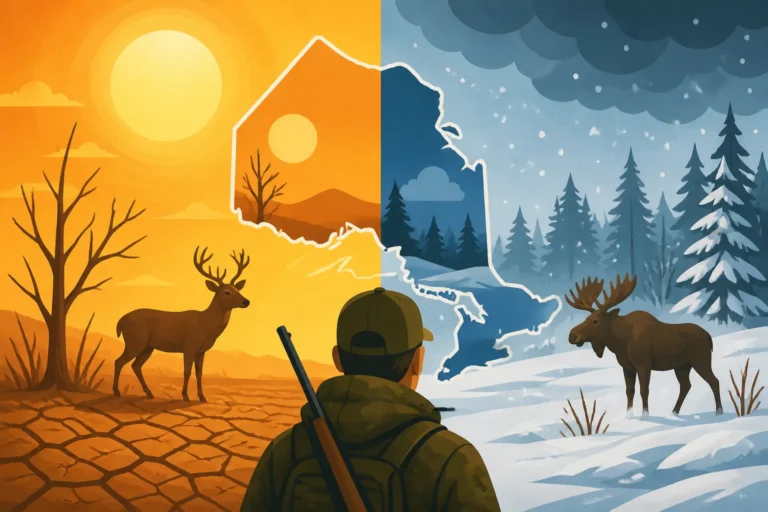
Environmental conditions also play a huge part, especially from year to year. A harsh winter, like the kind we sometimes get in Northern Ontario, can lead to a significant "winter kill" and reduce a buck's overall health, impacting antler growth in the following season. Conversely, a mild winter followed by a lush, wet spring and abundant mast crops (like acorns) in the fall can fuel explosive antler growth. Think about tracking antler development with tools like GoHunt's mapping features; they can help you understand historical habitat conditions in your target WMU. This understanding helps predict where older, healthier bucks are likely to be found. The ideal situation is consistent food, mild winters, and protection from early harvest, allowing these bucks to reach their full, mature potential. Without age, even a genetically superior buck with a perfect diet won't realize its true antler potential.
How Record Books Work in Ontario
So, you've done your homework, put in the time, and harvested a buck you believe is truly exceptional. What now? The next step is understanding the system designed to recognize these magnificent animals. In Ontario, like much of North America, antler scoring follows established methodologies to ensure fair and consistent comparison.
Key Scoring Organizations and Their Rules
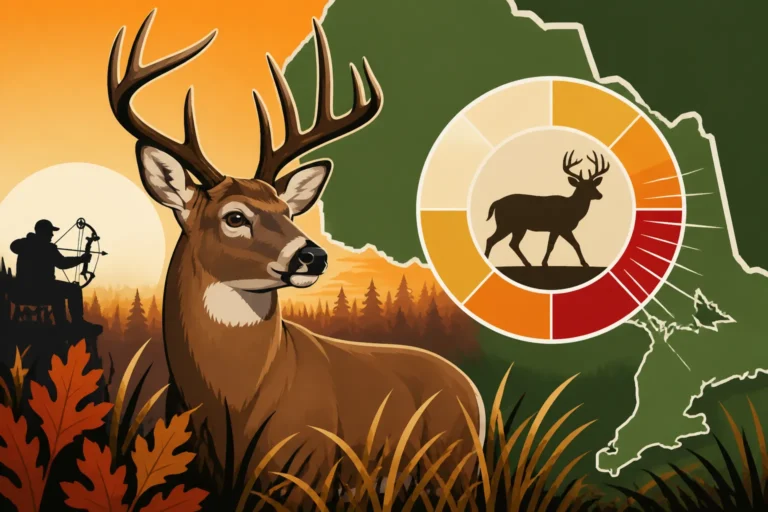
When we talk about "record books" for whitetails, we're primarily looking at organizations like Boone & Crockett Club, Pope & Young Club, and here in Ontario, the Ontario Federation of Anglers and Hunters (OFAH) maintains its own provincial record book. Each of these organizations has specific criteria and measuring systems, but they all share a common goal: to quantify the size and symmetry of a deer's antlers.
- Boone & Crockett Club (B&C): This is perhaps the most renowned record-keeping system for North American big game, focusing on trophies taken by rifle or muzzleloader. Their system is meticulous, measuring things like the length of all points, beam length, circumference, and spread. For typical racks, deductions are made for any abnormal points or lack of symmetry between sides. For non-typical racks, these abnormal points are added to the score, making it a different kind of calculation. There's a minimum score a buck needs to meet to qualify for B&C, which varies for typical and nontypical categories.
- Pope & Young Club (P&Y): Similar in methodology to B&C, but exclusively for animals taken with a bow and arrow. The scoring criteria are largely identical, but the minimum qualifying scores are often a bit lower to reflect the added challenge of bowhunting. If you're passionate about Bowhunting Ontario's Long Archery Season, then P&Y is likely your target.
- OFAH/Ontario Record Book: The Ontario Federation of Anglers and Hunters maintains a provincial record book, which often includes animals that might not quite meet the national minimums for B&C or P&Y but are still exceptional for Ontario. They use similar scoring methods, providing a local platform for recognizing outstanding harvests. This is a fantastic way to see where Ontario's Top Typical Whitetails have come from historically.
Before any official scoring can happen, there's a mandatory drying period—usually 60 days from the date of harvest. This allows the antlers to stabilize and prevents any shrinkage from affecting the final score. After this period, a certified measurer, trained by one of these organizations, will meticulously go over every aspect of the rack.
Differentiating Typical and Nontypical Racks
One of the most crucial distinctions in antler scoring is between "typical" and "nontypical" racks. Understanding this difference is key to knowing how your buck will be measured and where it stands in the record books.
- Typical Racks: These are what most people envision when they think of a classic whitetail rack: a symmetrical frame with distinct points originating from the main beams. The goal of typical scoring is to reward symmetry and length of points. Any points that are not symmetrical or don't originate from the main beam in a "typical" fashion are considered abnormal. When scoring a typical rack, these abnormal points are actually deducted from the overall score, along with any differences in length between corresponding points on each side. The ideal typical rack is a perfect mirror image, clean and balanced.
- Nontypical Racks: These racks are characterized by significant abnormal points, drop tines, stickers, or clusters of points that deviate from the main beams in an irregular pattern. Instead of being penalized, these abnormal points are added to the score in the nontypical category. This means a buck with lots of character, gnarly points, and unique formations can achieve a very high nontypical score, even if its main frame isn't perfectly symmetrical. Why Some Ontario Bucks Grow Nontypical is a fascinating read if you're curious about the biological reasons behind these unique racks. Many hunters specifically target these unique bucks, finding their unusual formations even more captivating than a perfectly symmetrical typical rack.
The decision of whether to score a buck as typical or nontypical is often made by the measurer, based on which category the buck would yield a higher net score. It’s important to note that a buck will only be scored in one category.
Strategies for Hunting a Potential Record Buck
Hunting a record-book whitetail in Ontario isn't just about wishing for a big one; it's about intentional, strategic effort. It demands a deep understanding of deer behaviour, relentless scouting, and often, a willingness to pass on good deer for the chance at a great one.
Locating High-Potential Areas
The first step in hunting a potential record buck is identifying where these animals are most likely to live and thrive. As discussed earlier, southern Ontario's agricultural belt often provides the superior nutrition needed for massive antler growth. Areas with consistent access to quality food, water, and plenty of secure cover are prime candidates. This includes large tracts of private land where deer may be less pressured, but also certain pockets of Hunting Ontario's Crown Land that offer remote, undisturbed habitat.
- Wildlife Management Units (WMUs): Certain WMUs consistently produce bigger deer due to a combination of habitat, genetics, and hunting pressure. While I can't give specific current data, historical records often highlight WMUs in the southwestern and eastern agricultural regions. Using tools like GoHunt's WMU overlays can help you analyze past harvest data, if available, and identify areas known for producing larger deer.
- Private Land: Gaining access to private land, especially large farms with woodlots and diverse crops, can significantly increase your odds. These areas often have lower hunting pressure and abundant food. This means older bucks can survive longer, reaching their peak antler potential. Getting Permission for a Goose Field can offer some transferable advice on approaching landowners respectfully.
- Food Sources: Actively scout for prime food sources. In early fall, this might be standing corn fields or alfalfa. Later in the season, during the rut, focus on areas with leftover mast crops like acorns, or even winter wheat fields. Deer will concentrate in these areas, making them critical scouting locations. Hunting a Field of Standing Corn or Hunting a Soybean Field at Dusk are perfect examples of how to approach these high-value areas.
- Sanctuaries: Look for areas of thick, impenetrable cover adjacent to food sources. These sanctuaries, whether deep cedar swamps, dense pine plantations, or overlooked bush lots, are where mature bucks will retreat to bed and feel safe. The bigger the buck, the more wary and reclusive it becomes.
When you're scouting, look for signs of mature buck activity: unusually large tracks, heavily rubbed trees (especially those with significant bark damage), and large, deep scrapes. A single, small rub isn't enough; you're looking for a consistent pattern of sign indicating a mature buck's presence.
Patience, Persistence, and Ethical Considerations
Hunting a record-book buck is a marathon, not a sprint. It demands incredible patience. You might spend entire seasons seeing only younger bucks, and the temptation to fill your tag can be strong. However, for a truly exceptional deer, you often need to let those younger animals walk. This practice, often called "quality deer management," allows bucks to mature, leading to larger antlers in the population over time.
- Strategic Hunting: This isn't about blind luck. It's about meticulously planning your hunts based on observed deer patterns, weather conditions, and the rut phase. Hunting the Rut in Early to Mid November is often the most productive time, as mature bucks become more active and less cautious. You might need to Sitting All Day in an Ontario Blind to maximize your chances, especially during the peak rut.
- Minimize Pressure: Mature bucks are incredibly sensitive to pressure. Avoid overhunting a specific area, and always approach and exit your stands or blinds as stealthily as possible. A single careless entry or exit can push a mature buck out of the area for weeks, or even for good.
- Ethical Harvest: When you finally get the opportunity at a truly big buck, ensure you have a clean, ethical shot. The goal is a quick, humane harvest. This means knowing your firearm or bow capabilities, practicing regularly, and only taking shots you are confident in. If the shot isn't there, wait. There might not be a second chance, but an ethical harvest is paramount. This also means being absolutely certain of your target before you shoot, ensuring it's the buck you've been after, and not a smaller animal or, heaven forbid, another hunter.
This type of hunting can be incredibly frustrating, with many empty stands and long hours without seeing what you're looking for. But the reward, when it finally comes, is truly unforgettable.
Honoring Your Harvest and the Measurement Process
So, you've done it. After all the hard work, the planning, and the sheer dedication, you've harvested a magnificent whitetail buck that you believe might qualify for the record books. This moment is the culmination of your efforts, and it's essential to properly care for your trophy and follow the correct procedures for official recognition.
Initial Care of a Potential Trophy
The moment you harvest a buck that you suspect might be a record-breaker, the process of preserving the antlers and cape for scoring and taxidermy begins. Proper field care is critical, as damage or improper handling can negatively impact both the aesthetic quality and the score.
- Protect the Rack: From the moment the buck hits the ground, be mindful of the antlers. Avoid dragging the deer by the rack over rough terrain, as this can chip or break off points, which would significantly affect the score. If you're dragging, secure the head or use a deer cart, or get it out by canoe if you're in suitable territory like Getting a Moose Out by Canoe (the principles are the same for deer).
- Caping for Taxidermy: If you plan to get a shoulder mount, proper caping is crucial. A taxidermist needs plenty of hide to work with, especially around the brisket and shoulders. It's always better to take too much than too little. If you're unsure, watch a few online tutorials or consult with your chosen taxidermist before the hunt. Many outfitters or experienced hunters in camp can help guide you through this if it's your first time.
- Skull Plate Preparation: For scoring purposes, the skull plate needs to be clean and free of flesh. If you're not doing a full shoulder mount, you'll need to clean the skull plate meticulously. Boiling can be an option, but be very careful not to let the antlers soak in the hot water, as this can damage them. Many hunters opt for beetle cleaning (dermestid beetles) or simply skinning the head thoroughly and letting it dry naturally in a cool, shaded area.
- Drying Period: Remember, a minimum 60-day drying period is required before official scoring. Store the rack in a cool, dry place where it won't be exposed to extreme temperature fluctuations or moisture. This allows the antlers to stabilize and prevents any shrinkage that could occur shortly after harvest. This waiting period can feel agonizing, but it's absolutely necessary.
Taking these steps ensures that when it comes time for the official measurement, your trophy is in the best possible condition to receive its rightful score.
The Official Scoring Appointment
After the 60-day drying period, it's time for the moment of truth: the official scoring. This isn't something you do yourself with a tape measure; it requires a certified measurer who has undergone specific training and adheres to strict guidelines set by the scoring organizations.
- Finding a Certified Measurer: Both the Boone & Crockett Club and the Pope & Young Club have databases of certified measurers on their websites. The OFAH also has its own network of measurers for the provincial record book. You can typically find a measurer in your region by searching these online resources. Don't be shy about reaching out; these individuals are passionate about big game and are usually very happy to assist.
- The Measurement Process: When you bring your rack to a measurer, they will use specialized steel tapes and calipers to take a series of precise measurements. This includes:
- Length of main beams
- Length of all typical points
- Circumference measurements at specific points along the main beams
- Inside spread of the main beams
- For nontypical racks, the length of all abnormal points
The measurer will fill out an official score sheet, detailing each measurement. This process can take some time, as it requires incredible accuracy.
- Understanding the Score: Once all measurements are taken, the measurer will calculate the gross score and, for typical racks, the net score after deductions for asymmetry or abnormal points. For nontypical racks, abnormal points are added. The measurer will explain the score to you and provide a copy of the official score sheet. If your buck meets the minimum entry requirements for B&C, P&Y, or the OFAH record book, the measurer will guide you through the submission process.
- The Recognition: If your buck qualifies, it will be entered into the respective record book. This is a tremendous honour, not just for the hunter, but as a testament to the quality of the wildlife management and habitat in Ontario. It's a recognition of a truly exceptional animal and a memory that will last a lifetime, solidifying your place in Ontario's hunting heritage. Ontario's Trophy Record Book details how these entries are categorized.
Having your buck officially scored is the final step in recognizing a truly outstanding harvest. It's a way to ensure that these magnificent animals and the efforts of dedicated hunters are preserved for future generations.
Disclaimer
This article is for general informational purposes only and does not constitute professional advice. Laws, prices and regulations vary by location and change over time. Consult a qualified professional for guidance on your specific situation.