Reading Outfitter Reviews Honestly
Planning an Ontario hunting trip can feel like a huge undertaking, especially when you're trying to choose an outfitter. You pour over websites, scroll through endless photos, and then you hit the reviews section. It's supposed to be helpful, right? But sometimes, it feels like trying to read tea leaves – a mix of glowing praise, scathing complaints, and vague comments that don't tell you much at all. It's tough to know who to trust and how to make sense of it all when your hard-earned money and precious vacation time are on the line. This guide is here to help you navigate the often murky waters of outfitter reviews, so you can make an informed decision and book the hunt of your dreams.
The Pitfalls of Uncritically Trusting Outfitter Reviews
It’s natural to want to believe what you read, especially when you’re excited about a potential adventure. But when it comes to outfitter reviews, a healthy dose of skepticism is your best friend. Not all reviews are created equal, and understanding the common pitfalls can save you a lot of disappointment down the road.
The "Too Good to Be True" Syndrome
We’ve all seen them: the reviews that read like a fairy tale. "Best hunt of my life! Shot a monster buck on day one! The guides were angels, the food was gourmet, and the sun shone every single day!" While it's certainly possible for someone to have an absolutely incredible, once-in-a-lifetime experience, consistent, over-the-top reviews for every single client can sometimes be a red flag. It's like seeing a restaurant with nothing but five-star reviews – you start to wonder if they're all legitimate, or if some enthusiastic friends or family might have boosted the ratings. A steady stream of perfection, especially across multiple years and different hunting conditions, can be unrealistic in the unpredictable world of hunting.
Think about it: hunting is wild. Weather, animal behaviour, and pure luck all play massive roles. No outfitter, no matter how good, can guarantee a trophy animal or perfect conditions every time. If every review paints an identical, flawless picture, it might indicate a curated experience rather than an authentic reflection of diverse client outcomes. Sometimes, an outfitter might encourage specific clients to leave reviews, perhaps those who had a particularly good trip, or even offer incentives. It doesn’t mean the outfitter is bad, but it means you're not getting a fully balanced perspective.
The "One Bad Apple" Effect
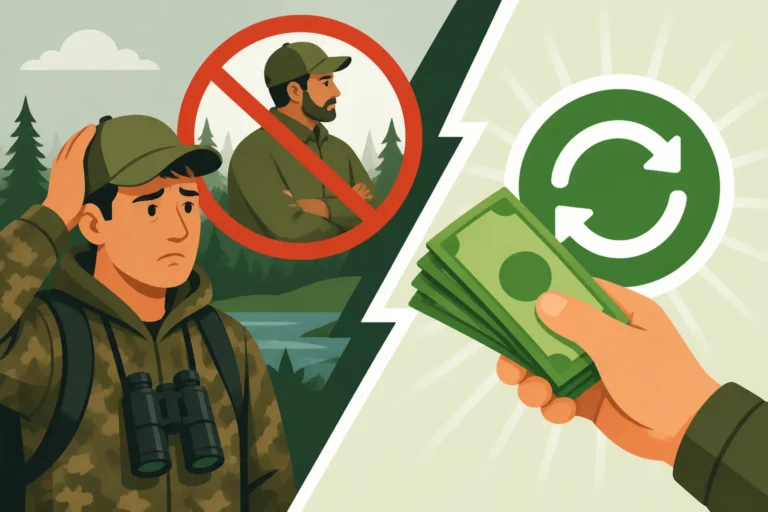
On the flip side, you'll inevitably encounter those deeply negative, one-star reviews. "Worst trip ever! Saw nothing, the guide was rude, and the camp was a dump!" These can be equally misleading. While some negative reviews are entirely justified and point to serious issues, others can stem from unrealistic client expectations, poor weather during their specific trip, or even personality clashes. A hunter who expects a guaranteed trophy or isn't prepared for the realities of hunting in a particular region might blame the outfitter for their lack of success. For instance, if someone booked a Hunting an Ontario Bush Edge trip expecting open fields, they might be disappointed by thick cover and blame the guide for a "lack of game."
Consider a scenario where a hunter travels to Ontario for Moose Hunting Ontario's Northern Bush during a week of unseasonably warm weather. Moose activity is low, the flies are terrible, and they don't see a bull. Frustrated, they might leave a scathing review, completely discounting the environmental factors that were beyond the outfitter's control. It’s important to remember that a single, isolated bad review, especially if it contradicts a majority of positive ones, might be an outlier rather than the norm. Look for patterns, not just individual incidents.
Understanding the Hunter's Bias
Every hunter brings their own unique expectations, skill level, and personality to a trip, and this inevitably colours their review. An experienced hunter who is comfortable roughing it in a Canoe-In Hunting on Ontario Crown Land trip might rave about a remote camp, while a less experienced hunter expecting creature comforts could find the same setup unbearable. Similarly, a bowhunter might judge success differently than a rifle hunter. What one person considers a challenging but rewarding hunt, another might call a failure.
For example, a hunter used to guided hunts in Texas might have a completely different idea of "thick bush" or "remote" than someone from Ontario. Their review might criticize the terrain for being too dense, when in reality, that's just how the Hunting Ontario's Mixed Hardwood Bush is. Their perception of game numbers might also be skewed if they're used to areas with very high deer densities. It’s crucial to try and understand the reviewer's perspective and compare it to your own expectations and hunting style. If they mention issues that align with your own non-negotiables, then it's a valid concern. If their complaints are about things you actually enjoy, like a truly rustic camp, then that negative review might actually be a positive for you!
How to Discern Truth from Hype in Online Reviews
So, how do you sort through the noise and find genuinely useful information? It takes a bit more effort than just glancing at the star rating, but it’s definitely worth the extra digging to ensure you choose wisely.
Look for Specifics, Not Just Stars
The most valuable reviews are those that provide concrete details. Instead of "great hunt," look for "Our guide, Mark, knew the Hunting a Cedar Swamp Edge like the back of his hand, and we saw three different deer there by noon." Specifics about guides, camp conditions, game sightings, hunting methods (like Rattling and Calling Ontario Whitetails), and what was included in the package are far more informative. Were they hunting public land, or was it a private lease? Did they see other hunters? What was the weather like?
A review that mentions the quality of the stand placements, the effectiveness of the bait setup (if applicable for Baiting Black Bear in Ontario), or the clarity of the pre-trip communication is far more useful than a generic endorsement. For instance, if multiple reviews praise an outfitter for their Meat Care in Ontario's Warm Early Seasons practices, that tells you something important about their professionalism and commitment to their clients' harvest. Generic "five-star" ratings with no accompanying text are practically useless; they could be fake or just from someone who clicked the highest rating without much thought.
Consider the Source and Platform
Not all review platforms are created equal. Some sites, like dedicated hunting and fishing forums, can offer raw, unfiltered opinions, but they can also be prone to personal vendettas or outdated information. Larger booking platforms, such as BookYourHunt or GoHunt, often have more structured review systems, and sometimes even verified booking requirements, meaning only actual clients can leave a review. This adds a layer of credibility.
Here’s a small table to illustrate the differences:
| Review Platform Type | Pros | Cons | Key Indicator |
|---|---|---|---|
| Dedicated Forums | Unfiltered, diverse opinions, community insight | Can be outdated, prone to personal bias, less verification | Look for recent posts, check user history |
| Booking Platforms | Often verified clients, structured feedback | May filter extreme reviews, less narrative depth | Check if reviews are from verified bookings |
| Outfitter Website | Controlled messaging, testimonials | Heavily curated, unlikely to show negatives | Assume bias, cross-reference with other sources |
| Social Media | Current updates, visual evidence, direct interaction | Highly subjective, easily manipulated, hard to verify context | Look for consistent activity, interaction with comments |
When you find an outfitter on a site like BookYourHunt, you often see reviews linked directly to actual trips, which gives them more weight. It's not just some random person; it's someone who booked and paid for a hunt through that platform. This doesn't make it perfect, but it does add a level of trust. Always compare reviews from multiple sources. If an outfitter has consistently positive reviews across several independent platforms, that's a much stronger signal than glowing testimonials solely on their own website.
Pay Attention to Response and Engagement
A truly professional outfitter often engages with their reviews, both positive and negative. How an outfitter responds to criticism can be very telling. Do they dismiss valid concerns, or do they acknowledge the feedback and explain how they've addressed it? A defensive or aggressive response to a negative review is a huge red flag, indicating a lack of professionalism or an inability to take constructive criticism.
On the other hand, an outfitter who politely explains challenging hunting conditions (e.g., "We had an unusually warm November, which made Hunting the Rut in Early to Mid November challenging, but we did our best to adapt…") or acknowledges a specific issue and details their efforts to improve shows integrity. Positive engagement, thanking clients for their kind words, also demonstrates good customer service. This interaction provides insight into the outfitter's character and how they might handle unexpected issues during your trip.
Beyond the Five-Star Rating: Digging Deeper for the Real Story
Sometimes, even after scouring all the online reviews, you still have questions. This is where you need to put in some extra legwork to ensure you're making the right choice.
Asking for Direct References
The absolute gold standard for vetting an outfitter is to speak directly with past clients. Most reputable outfitters will gladly provide a list of references, sometimes even categorized by the type of hunt you're interested in (e.g., Black Bear Hunting in Ontario versus Moose Hunting Ontario's Northern Bush). When you call these references, don't just ask if they had a good time. Dig deeper. Ask specific questions:
- What was the biggest challenge of the hunt?
- How accurately did the outfitter describe the terrain and hunting style?
- Were there any unexpected costs?
- How did the outfitter handle unforeseen circumstances (e.g., bad weather, equipment issues)?
- Would you book with them again? Why or why not?
- What was the success rate for your group on that particular trip?
- Did they provide accurate information on things like Transporting Game Meat in Ontario or Bringing Firearms Into Ontario?
Listen not just to what they say, but how they say it. A genuine reference will likely offer both pros and cons, providing a balanced picture rather than an overly rosy or overly negative one. Be wary if an outfitter is hesitant to provide references or only offers one or two.
Comparing Multiple Sources and Platforms
Never rely on just one review platform. If you found an outfitter through GoHunt, for example, also search for them on general travel review sites, hunting forums, and even social media. Look for consistency in feedback. If the outfitter has stellar reviews on one platform but no presence or negative comments elsewhere, that's a warning sign. You want to see a general consensus across different, independent sources.
Also, be mindful of the date of the reviews. An outfitter might have been fantastic five years ago, but management, guides, or even the quality of the hunting ground could have changed. Prioritize recent reviews (within the last 1-2 years) to get the most accurate picture of their current operation. If you're looking into Spring Turkey Hunting in Ontario, reviews from that specific season in recent years will be far more valuable than general reviews from a decade ago. Similarly, understanding What Climate Shift Means for Ontario Game can influence current hunting conditions compared to past decades.
Understanding Outfitter Limitations and External Factors
It's crucial to distinguish between an outfitter's performance and factors beyond their control. Things like weather patterns, animal migration, disease outbreaks, or even regulations (e.g., specific Ontario Deer Season Dates and Tags) can significantly impact a hunt. A good outfitter will be transparent about these potential challenges and help manage your expectations.
For example, an outfitter for Waterfowl Hunting Across Ontario might tell you that a warm front could delay the big push of birds. That's not a negative mark against them; it's realistic. If a review complains about not seeing many Geese That Stage in Ontario during a specific hunt, try to cross-reference that with general waterfowl reports for that period. Was it a slow migration year? Understanding these external variables allows you to interpret reviews more fairly. A knowledgeable outfitter will communicate these realities up front, not hide them.
Red Flags and Green Lights: What to Watch For
To help you make sense of it all, let’s quickly break down some common indicators.
Common Red Flags to Raise an Eyebrow
- Zero negative reviews: No outfitter is perfect. A complete absence of any critical feedback, even mild constructive criticism, can be suspicious.
- Vague or generic reviews: Reviews that simply say "great hunt" without any specifics are not helpful.
- Identical wording or phrasing: If multiple reviews sound suspiciously similar, they might be fake.
- Outdated information: If all the positive reviews are several years old and there’s nothing recent, it could mean a decline in quality.
- Aggressive or dismissive responses to criticism: This shows a lack of professionalism.
- Unrealistic promises in advertising or reviews: Be wary of claims that guarantee success or trophy animals. Hunting is never a guarantee.
- Lack of transparency about costs or inclusions: Hidden fees or unclear package details can be a sign of trouble. You'll want clear information on What an Ontario Guided Hunt Costs.
Positive Indicators of a Reputable Outfitter
- Detailed, specific reviews: Clients sharing concrete experiences, names, and observations.
- Balance of positive and constructive feedback: A few minor criticisms, especially with a professional response from the outfitter, suggest authenticity.
- Consistency across platforms: Similar positive themes emerging from various independent review sites.
- Recent, regular reviews: Active clients are consistently sharing their experiences.
- Engaged and professional responses: The outfitter takes time to thank clients and addresses concerns maturely.
- Transparency: Clear pricing, detailed itineraries, and open communication about hunting challenges.
- Repeat clients: References or reviews mentioning multiple trips with the same outfitter are a strong endorsement. They might also share how to book around Ontario's Rut Weeks or discuss Booking a Return Hunt With the Same Outfitter.
Ultimately, reading outfitter reviews honestly means approaching them as one piece of a larger puzzle. Combine them with direct conversations with the outfitter, reference calls, and your own research into the area and type of hunt. By doing your homework, you significantly increase your chances of booking a memorable and successful Ontario hunting adventure.
Disclaimer
This article is for general informational purposes only and does not constitute professional advice. Laws, prices and regulations vary by location and change over time. Consult a qualified professional for guidance on your specific situation.