Ontario Black Bear Hunt Prices
Planning an Ontario black bear hunt can be incredibly exciting, but as soon as you start looking into it, one of the first questions that pops into every hunter's mind is, "How much is this actually going to cost me?" It's a common frustration, trying to budget for an adventure when prices seem to vary so wildly, and you're not always sure what's included. This guide is here to demystify the financial side of booking an Ontario black bear hunt, breaking down the factors that influence the overall cost and helping you understand what to expect as you plan your dream trip.
What Goes Into an Ontario Black Bear Hunt Package
When you're looking at different outfitters and packages for a black bear hunt in Ontario, it can feel like comparing apples to oranges sometimes. The sticker price isn't always the full picture, and there are several core elements that significantly influence what you'll end up paying. Understanding these will help you see the value in different offerings, even if one initially looks more expensive than another.
Location, Access, and Remoteness
Ontario is a vast province, and bear habitat stretches across much of its northern and central regions. The specific location of an outfitter, and how remote their hunting area is, plays a huge role in the overall cost. Think about it: an outfitter operating deep in the Boreal Forest, perhaps requiring a float plane or extensive boat travel to access their main camp or remote bait sites, has higher operational costs. Fuel, logistics, and time spent moving gear and hunters into these pristine, untouched areas all add up. These are often the spots where you find very limited hunting pressure and potentially larger, older bears.
On the flip side, an outfitter who can be reached by vehicle, perhaps just a few hours north of cities like Toronto or Ottawa, might offer a more budget-friendly entry point. While these areas can still provide excellent hunting opportunities, the convenience of access often translates to lower overhead for the outfitter, which can then be reflected in the package price. Hunters looking for a truly wild, isolated experience often find the investment in more remote locations worthwhile, balancing the higher cost with the allure of untouched wilderness and potentially bigger game. Black Bear Hunting in Ontario covers more about these different hunting environments.
Duration of the Hunt
The length of your hunting trip is another fundamental factor. Most guided bear hunts are structured around a set number of days, often ranging from five to seven hunting days, plus travel days. A shorter hunt will naturally carry a lower price tag than a longer one, but it also offers less time in the field, which can impact your chances of success, especially if weather or bear activity is unpredictable.
Consider a five-day hunt versus a seven-day hunt. Those extra two days mean more time on the bait, more opportunities for different bears to show up, and more flexibility if you have a slow start. For the outfitter, it means more food, more baiting effort, and more guide time invested. So, while a shorter trip might appeal to your wallet upfront, weighing that against the potential for increased opportunities on a longer trip is essential. It's not just about the cost per day, but the overall hunting experience and potential for success.
Inclusions of the Package
This is where the apples and oranges comparison really comes into play. What an outfitter includes in their base package can vary dramatically. Some outfitters offer "housekeeping" packages, which might only cover accommodations and access to a baited area, leaving you responsible for your own food, cooking, and sometimes even transportation to the bait sites. These tend to be at the lower end of the price spectrum, offering a more DIY approach.
At the other end, a premium, fully guided package might include not just lodging and extensively managed bait sites, but also all your meals, transportation to and from the bait, field dressing, skinning, freezing of your hide, and even transport of your meat to a local butcher. Some even include airport pick-up. The more services and amenities included, the higher the price. You're paying for convenience, expertise, and a more hands-off experience where the outfitter takes care of most of the logistics. It's crucial to get a detailed list of inclusions from any outfitter you're considering so you can truly compare like for like.
Time of Year
Ontario offers both spring and fall black bear hunting seasons, and the timing can influence pricing, though often less significantly than other factors like inclusions or remoteness. Spring Bear Hunting in Ontario and Hunting a Fall Bear Bait in September discuss the unique aspects of each. Spring hunts, typically running from mid-May to mid-June, often coincide with excellent weather and a period when bears are emerging from hibernation, actively seeking food, and can be quite visible. This can be a very popular time for hunters, especially those from warmer climates looking to escape the heat.
Fall hunts, usually running from mid-August through October, offer different advantages, such as bears feeding heavily before hibernation, often on berry crops, which can make them quite predictable if you find the right food source. Weather can be more variable in the fall, from warm early season days to much cooler temperatures later on. Demand for certain prime weeks, particularly around specific regional ruts or holiday periods, can sometimes affect pricing. Generally, however, the choice between spring and fall often comes down more to a hunter's preference for hunting style and weather than a dramatic price difference.
Understanding Different Package Types and What They Include
When you're trying to figure out the Ontario Black Bear Hunt Prices, you'll quickly discover that outfitters offer a spectrum of experiences, from bare-bones DIY setups to luxurious, all-inclusive adventures. Understanding these different package types is key to aligning your expectations with your budget and desired level of service.
Housekeeping vs. Fully Guided Experiences
This is perhaps the biggest differentiator in pricing and what you can expect on your hunt.
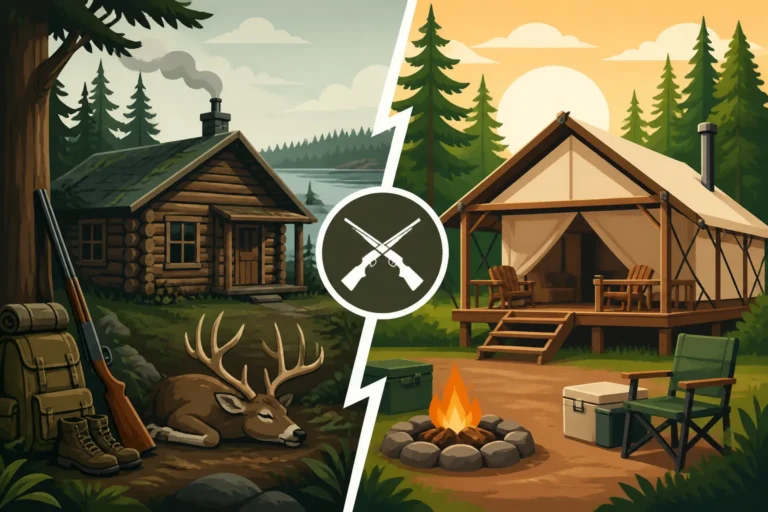
Housekeeping Packages: These are typically the most budget-friendly option. With a housekeeping package, you're essentially renting accommodations – often a cabin or cottage – and gaining access to baited areas. The outfitter will usually have several active bait sites, and they'll show you where they are, perhaps give you some basic instructions, but then you're largely on your own. You'll buy and prepare your own food, drive yourself to and from the bait sites, sit the stand, and handle your own field dressing and recovery. For many experienced hunters who enjoy the independence and camaraderie of a self-sufficient camp, this is a fantastic option. It requires more effort and knowledge on your part, but it significantly reduces the overall cost. You're relying on your own skills and preparation, with the outfitter primarily providing the crucial baited location.
Fully Guided Packages: At the opposite end of the spectrum are fully guided hunts. These offer the most comprehensive service and, consequently, represent a more significant investment. When you book a fully guided hunt, you can expect an experienced guide to accompany you, or at least be dedicated to your hunt group. They will take you to and from the stand, ensure the bait is fresh and active, track and recover your bear, and often handle the field dressing and transportation of the animal back to camp. Meals are typically provided and prepared for you, often with hearty, home-cooked fare. The accommodations might be more upscale, and the entire experience is designed to be as seamless and hassle-free as possible. This option is ideal for first-time bear hunters, those looking for a luxurious experience, or anyone who prefers to focus purely on the hunting without the added logistical burdens. It's about maximizing your time in the woods and minimizing everything else. If you are a first-time hunter, you might also consider specific Guided Hunts for a First-Time Hunter.
Guided vs. Semi-Guided vs. Unguided (Bait Service Only)
Within the broad categories above, you'll find further distinctions in the level of guiding provided:
Unguided (Bait Service Only): This is very similar to a housekeeping package, but sometimes even more stripped down. The outfitter maintains active bear baits and provides you with their locations and possibly treestands or ground blinds. You are responsible for everything else: your lodging (which might be camping or arranging your own nearby), food, transport, and all aspects of the hunt itself, from sitting the bait to tracking and processing. This is typically the most economical choice, requiring the most self-reliance and experience. It's often chosen by hunters who have hunted bear before and are confident in their abilities but want the advantage of pre-established, active bait sites.
Semi-Guided: This offers a middle ground. An outfitter might provide comfortable accommodations and meals (or a well-equipped kitchen for self-catering) along with actively baited sites. They might drop you off at your stand, offer advice, or assist with game recovery after a successful shot. However, you're not accompanied by a guide throughout the entire hunt, nor are all your meals necessarily cooked for you. This option is excellent for hunters who appreciate some support and key services, like well-maintained baits and assistance with heavy lifting post-harvest, but still enjoy a good degree of independence. It strikes a balance between cost savings and having crucial outfitter support. This is a popular choice for many experienced hunters.
Fully Guided: As discussed, this includes a dedicated guide for your hunt, managing the baits, transportation to and from stands, tracking, recovery, and initial processing. It's an all-encompassing service designed to maximize your chances of success and minimize your workload. Outfitters offering this premium service generally have staff dedicated to each hunter or small group, providing personalized attention and expertise. They invest heavily in scouting, baiting, and maintaining their hunting areas to ensure high success rates for their clients.
Add-ons and Customization
Few packages are completely rigid, and many outfitters will offer "add-ons" or opportunities to customize your trip, which will naturally affect the total cost. These might include:
- Extra Days: If you want to extend your hunt beyond the standard package duration, most outfitters will charge a daily rate. This can be a good option if you have flexibility and want to increase your odds.
- Non-Hunting Companions: Bringing a spouse or friend who isn't hunting? There's usually a daily or weekly fee for their meals and lodging.
- Fishing or Small Game Hunting: Many Ontario bear hunts coincide with excellent fishing or small game seasons. Outfitters might offer combination packages, like Ontario Moose and Grouse Combination Hunts, or simply add on boat rentals, fishing guide services, or tips for local grouse spots for an additional fee.
- Expedited Meat Processing or Taxidermy Prep: While basic field dressing is often included in guided packages, having your meat professionally cut and wrapped, or your hide and skull prepped for a taxidermist, might incur extra charges. Some outfitters work directly with local processors and taxidermists, making it convenient but not always free.
- Special Requests: Anything from a specific dietary need to a preference for a ground blind over a treestand might be accommodated for an extra cost, depending on the outfitter's flexibility and resources.
It's always a good idea to discuss these options upfront with the outfitter. Platforms like BookYourHunt or GoHunt often have detailed breakdowns of packages and potential add-ons, allowing you to compare easily.
Navigating Additional Costs Beyond the Package
While the outfitter's package fee is the largest chunk of your Ontario Black Bear Hunt Prices, it's rarely the only expense. Many hunters, especially those new to booking guided trips, overlook these crucial "hidden" costs, which can quickly add up and blow a carefully planned budget. Thinking through these ahead of time will prevent any unwelcome surprises.
Licences, Tags, and Permits
Before you even step foot in the bush, you'll need the proper paperwork, and that comes with a cost. Every hunter in Ontario, whether resident or non-resident, needs an Outdoors Card. This is your basic hunting identification. On top of that, you'll need an actual black bear hunting licence and a bear tag. Non-residents will also need a Black Bear Validation Certificate if they're hunting with an outfitter.
These fees are mandatory and are typically not included in your outfitter's package price. They are purchased directly from the province, usually online through the Ontario hunting licence portal. The costs for these vary between residents and non-residents, with non-resident fees generally being higher. It's absolutely essential to check the current rates well in advance of your trip and factor them into your overall budget. For more details on what permits are required, check out Ontario Black Bear Rules.
Travel and Logistics
Getting to your hunting destination in Ontario can be a significant expense, especially if you're coming from a distance.
- Transportation to Ontario: Whether you're flying into a major hub like Toronto or Thunder Bay and then connecting to a smaller regional airport, or driving across provincial/state lines, the cost of fuel, flights, and potentially vehicle rental needs to be accounted for. Driving Into Ontario With Firearms is a good read if you're planning to bring your own rifle.
- Travel to the Outfitter: Once you're in Ontario, you might have a long drive to reach your outfitter's camp. This means more fuel costs, and possibly an overnight hotel stay on either end of your journey, depending on your travel schedule. If your camp is fly-in, the cost of a float plane charter will be a substantial addition. Float Plane Charters to a Northern Camp are part of the adventure but come at a premium.
- Gear and Supplies: Don't forget the small things that add up. Ammunition, appropriate hunting clothing for unpredictable Ontario weather (including rain gear!), personal snacks and drinks (especially for housekeeping camps), and any last-minute items you might need. While you might already own most of your gear, there's always something new or a replacement needed.
Meat Processing, Taxidermy, and Shipping
Successfully harvesting a bear is just the beginning of another set of costs.
- Field Processing: While many outfitters will assist with field dressing and getting the bear back to camp, some hunters opt for professional meat processing. This involves butchering, cutting, wrapping, and freezing the meat. Prices for this service vary by butcher, and you'll need to research local options or ask your outfitter for recommendations like Finding a Butcher Near Your Camp.
- Taxidermy: If you plan to have your bear mounted (skull, rug, or full body), the taxidermy work itself is a separate, significant expense. You'll also need to consider the cost of preparing the hide and skull for the taxidermist, which an outfitter might offer as an add-on or you might pay separately for. Shipping these trophies home, especially across international borders, involves permits and specialized crating, adding further costs. Taking a Trophy Across the Border is an important consideration for non-residents.
- Shipping Meat: If you're a non-resident, or simply don't have the cooler space to transport all your bear meat home, you might look into shipping services. This is a complex logistical and potentially costly undertaking, requiring proper packaging, refrigeration, and often expedited shipping to ensure the meat arrives safely.
Gratuities for Guides and Camp Staff
This is an often-overlooked but expected part of many guided hunts, particularly for non-residents. Tipping your guide and any camp staff (cooks, cleaners, boat handlers, etc.) is a customary way to show appreciation for their hard work, dedication, and service. The amount is discretionary, based on the quality of service and your satisfaction, but there are generally accepted ranges.
A good rule of thumb is to budget a certain percentage of your hunt cost for tips, or a daily amount per guide. This should be cash, as it's easier for the staff. While nobody has to tip, it's a significant part of the income for many guides and staff, and a failure to do so can be seen as poor etiquette if the service was good. Knowing How Much to Tip an Ontario Guide before you go can help you set aside the appropriate funds.
Finding Value and Making an Informed Decision
Navigating the various Ontario Black Bear Hunt Prices and package options can feel like a maze. However, by focusing on value, doing your homework, and asking the right questions, you can make an informed decision that gets you the best possible bear hunting experience for your budget.
Researching Outfitters and Reading Reviews
The first step in finding value is thorough research. Don't just pick the first outfitter you find with an appealing price.
- Online Presence: Most reputable outfitters have comprehensive websites detailing their packages, what's included, and sometimes even a photo gallery of past successes. Pay attention to how clearly they communicate their offerings.
- Online Platforms: Utilize dedicated hunting booking platforms and forums. Websites like BookYourHunt and GoHunt are excellent resources. These platforms often list multiple outfitters, allow you to filter by species, location, and package type, and provide a centralized place to compare options. Many also feature verified reviews from past clients, which can offer invaluable insights into the outfitter's service, camp quality, and honesty. Pay attention not just to star ratings, but to the specific comments. Does the outfitter live up to their promises? Are there consistent themes, positive or negative?
- Hunt Reports and Forums: Search hunting forums and online communities for discussions and trip reports about Ontario bear hunts. You might find detailed accounts from hunters who have used specific outfitters, offering a very realistic picture of what to expect. This peer-to-peer information can be incredibly helpful for Vetting an Ontario Outfitter.
- References: A reliable outfitter will be happy to provide references from previous clients. Don't hesitate to contact these references and ask specific questions about their experience, the guide, the camp, and whether the hunt met their expectations.
Asking the Right Questions Before Booking
Once you've narrowed down your choices, it's time to communicate directly with the outfitters. Don't be shy about asking detailed questions – this is a significant investment, and clarity is key.
Here's a table of essential questions to ask:
| Category | Key Questions to Ask |
|---|---|
| Package Details | What exactly is included in the base price (lodging, meals, guide, bait, transportation to stand, field dressing)? Are there any services not included that I might assume are? What are the specific dates of the hunt? What is the hunter-to-guide ratio? |
| Costs | What are the exact current costs for licenses, tags, and any required permits? Are there any provincial taxes added to the package price? What are the typical costs for add-ons (extra days, non-hunting companions, meat processing, taxidermy prep)? What is the deposit amount, and what is the cancellation policy? |
| Hunting Logistics | How far is the drive to the camp from the nearest major airport/city? What type of stands or blinds are used (treestand, ground blind, ladder stand)? How many bait sites do you maintain, and how often are they checked? What are your typical shooting distances? What is the expected shooting distance in thick bush? |
| Camp Life | What are the accommodations like (private cabin, shared bunkhouse)? Are meals provided, and if so, what's the typical fare? Can you accommodate dietary restrictions? Is there cell service or Wi-Fi available at camp, or is it a truly off-grid experience? What should I bring in terms of gear and clothing? |
| Post-Harvest | What assistance is provided for game recovery? Is field dressing and initial processing included? Do you have cold storage facilities for meat and hide? Can you recommend local butchers or taxidermists? What is the process for securing an export permit if I'm a non-resident? |
| Experience | How long have you been operating as an outfitter? What is your typical success rate for bear hunters? Can you provide references from past clients for a bear hunt? |
The answers to these questions will give you a complete picture of the costs and the overall experience, allowing you to compare options on a level playing field. Don't forget to inquire about any specific regulations, like Ontario Bear Bag Limits or Why You Cannot Shoot a Sow With Cubs, to ensure you're fully informed.
Booking Agencies and Online Platforms
In today's digital age, online booking agencies and platforms have become indispensable tools for hunters. Websites like BookYourHunt and GoHunt act as aggregators, featuring a wide array of outfitters and guided hunts across Ontario and beyond.
These platforms offer several advantages:
- Centralized Information: You can browse multiple outfitters, compare their packages side-by-side, and often read detailed descriptions, see photos, and check availability all in one place.
- Transparency: Many platforms strive for transparency by clearly outlining what's included in each package and what additional costs might arise. They often have standardized fields that outfitters fill out, making comparisons easier than sifting through individual outfitter websites.
- Reviews and Ratings: As mentioned, the ability to read verified reviews from previous clients is a huge benefit. These insights can help you gauge the outfitter's reliability and the quality of the hunting experience.
- Booking Support: Some platforms offer customer support throughout the booking process, from initial inquiry to post-hunt feedback. This can be particularly helpful if you encounter any issues or have questions that go beyond what the outfitter's website covers.
- Special Deals: Occasionally, outfitters might offer last-minute deals or special promotions through these platforms, which could lead to significant savings.
While these platforms are incredibly useful, always remember to also reach out directly to the outfitter once you've found a promising option. A personal conversation can clarify any lingering questions and help you get a feel for the outfitter's personality and professionalism. Ultimately, finding value isn't about finding the cheapest hunt, but finding the hunt that best matches your expectations, experience level, and budget, providing you with an unforgettable Ontario black bear hunting adventure.
Disclaimer
This article is for general informational purposes only and does not constitute professional advice. Laws, prices and regulations vary by location and change over time. Consult a qualified professional for guidance on your specific situation.