Finding a Butcher Near Your Camp
The thrill of a successful hunt in Ontario is unparalleled, but then the reality sets in: you've got an animal down, and now you have to deal with the meat. For many hunters, especially those visiting or exploring new, remote areas, the idea of getting that precious game processed quickly and professionally can feel like a monumental task, especially when you're miles from home or your camp doesn't have the facilities. This guide will walk you through exactly how to find a reliable butcher near your Ontario hunting camp, ensuring your hard-earned harvest is cared for properly from field to freezer.
The Challenge of Field Dressing and Meat Care in Remote Ontario
Let's be honest, standing over a downed moose or a mature whitetail buck deep in the Ontario bush, with temperatures possibly rising, can quickly turn triumph into a stressful logistical puzzle. You've done the hardest part, but the work isn't over. For many, processing a large animal from start to finish is beyond their skill set or the available resources at a typical hunting camp.
Why Local Butcher Shops are a Lifesaver (or Meat-Saver!)
Imagine this: you've just put a beautiful bull moose on the ground after a multi-day effort in northern Ontario. You're ecstatic, but also acutely aware that a 1,000-pound animal needs to be quartered, cooled, and transported quickly. Or perhaps you've tagged a deer on a warmer early season archery hunt in southern Ontario farmland, and the mercury is climbing. In these scenarios, having a local, professional butcher lined up can be an absolute game-changer.
These dedicated shops possess the proper cooling facilities, specialized equipment for breaking down large carcasses, and the expertise to transform field-dressed game into neatly packaged cuts, roasts, and ground meat. They often understand the urgency of getting wild game processed, particularly in the peak of hunting season. Without their services, you might be looking at a lot of hard work in less-than-ideal conditions at camp, or worse, risking spoilage if you're not equipped to handle the entire process yourself. This is especially true when it comes to Meat Care in Ontario's Warm Early Seasons, where every hour counts. A good butcher helps you avoid the heartbreak of wasted meat due to improper handling or cooling.
Planning Ahead: Why Pre-Trip Research is Crucial
The absolute worst time to start looking for a butcher is when you've got a fresh animal lying in the back of your truck, bleeding out and getting warm. Trust me on this one. By then, panic can set in, leading to rushed decisions or, even worse, no solution at all. Pre-trip research isn't just about scouting hunting spots or packing the right gear; it’s also about solidifying your post-harvest plan.
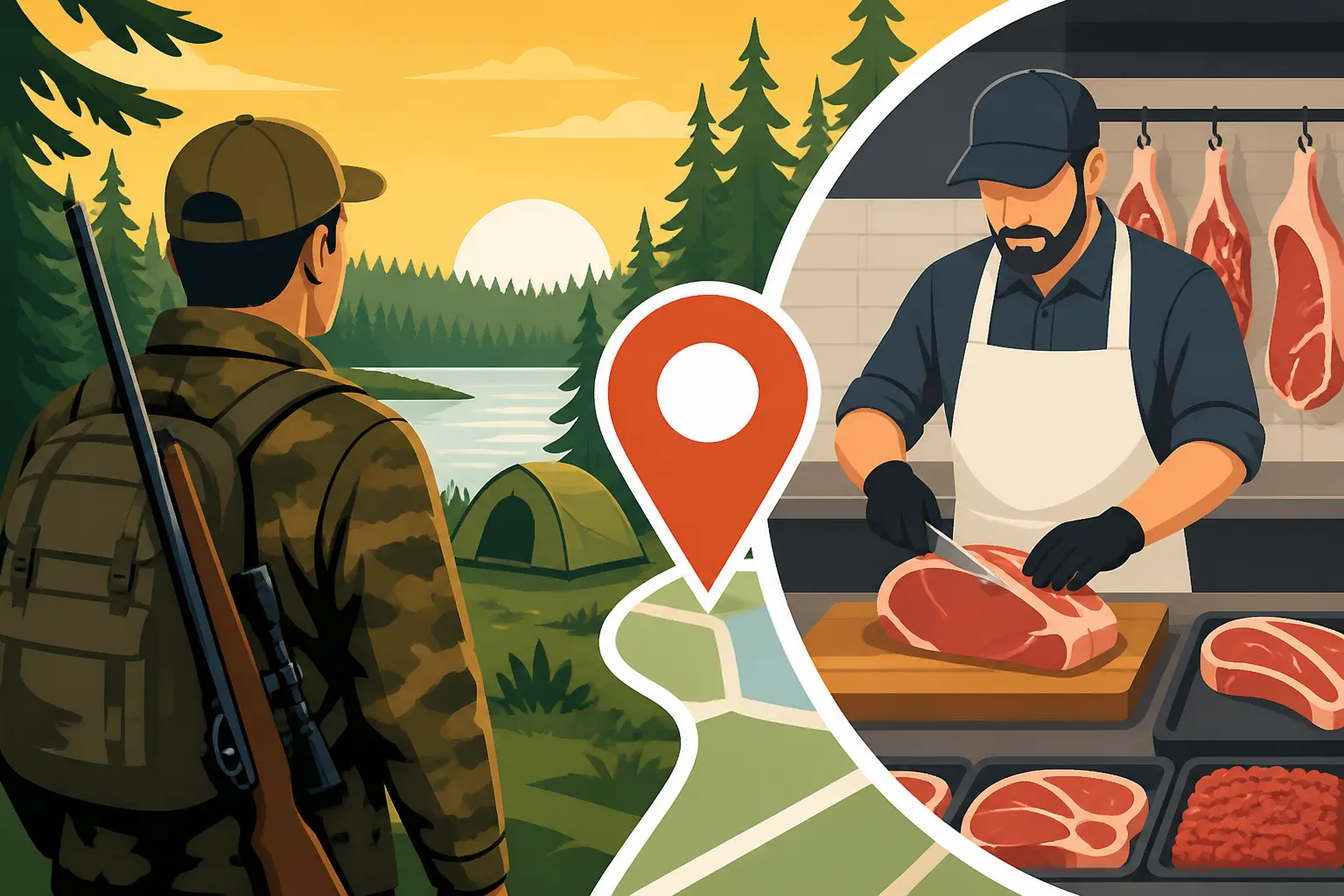
Before you even leave home, identify the nearest towns or communities to your hunting area, particularly your Ontario's Wildlife Management Units. Look up butcher shops or meat processors in those areas. Check their operating hours, especially around weekends and holidays, which often coincide with peak hunting days. Some small, local butchers might only operate a few days a week or have specific drop-off times. Knowing this beforehand allows you to make an informed decision when you successfully harvest an animal. You'll want to have a mental map, or even a literal one, of where you can go, how long it will take to get there, and if they can even accept your game. This forethought drastically reduces stress and ensures the quality of your meat.
How to Locate and Vet Butcher Services in Ontario's Hunting Regions
Finding a reliable butcher, especially in less populated parts of Ontario, often comes down to a mix of good old-fashioned local intel and a bit of modern online sleuthing. You want someone who knows how to handle wild game and has a reputation for quality.
Tapping into Local Knowledge and Online Resources
One of the best ways to find a local butcher is simply to ask. If you're staying at an outfitter's camp, like those you might find when Booking an Ontario Moose Hunt, they are usually a treasure trove of local information. Outfitters often have standing relationships with nearby butchers and can point you in the right direction, sometimes even arranging transport or drop-off for their clients. The same goes for local residents, general store owners, or even other hunters you might encounter. They often know the go-to spots, or sometimes, the hidden gems that aren't widely advertised. Don't be shy about asking.
Beyond direct inquiries, the internet is your friend. A quick search on Google Maps for "meat processing" or "butcher shop" in the towns nearest your camp can yield results. Hunting forums dedicated to Ontario hunting can also be a valuable resource, as members often share recommendations and experiences. Websites like BookYourHunt or GoHunt, while primarily focused on booking hunts or providing scouting tools, can sometimes list outfitters who themselves provide meat care services or have strong local connections to butchers. Even if they don't list butchers directly, reaching out to outfitters through these platforms can put you in touch with someone who can provide recommendations. Remember, the goal is to gather a list of potential processors before you're standing knee-deep in a successful harvest.
Key Questions to Ask Potential Butchers
Once you've identified a few potential butchers, don't hesitate to give them a call. A few crucial questions can save you a lot of headache later on.
Here's a list to guide your conversation:
- What types of game do they process? Some butchers specialize in domestic animals and might not be equipped or experienced with wild game like moose, bear, or deer. Ensure they handle the species you're targeting. For example, processing a Black Bear Hunting in Ontario requires specific care due to its fat content and sometimes different cuts.
- What services do they offer? Most will cut and wrap, but do they offer grinding for burger, making sausage, jerky, or specialty cuts? Do they vacuum seal?
- What are their turnaround times and capacity? During peak hunting season, butchers can get extremely busy. Ask about their typical processing time. Can they handle multiple animals at once if you're hunting with a group?
- What is their pricing structure? Is it per animal, per hanging weight, or per finished pound? Are there extra charges for deboning, grinding, or specialty products? While I can't provide specific costs, butchers generally have clear rate sheets.
- What are their drop-off and pick-up procedures? Do you need an appointment? What are their hours? How long can they store your meat after processing?
- Are they licensed and do they maintain high cleanliness standards? You want to ensure your meat is processed in a clean, professional environment. While you can't inspect it over the phone, asking about their licensing and hygiene practices can offer some peace of mind.
Having these answers will allow you to make an informed decision and prepare for a smooth drop-off and pick-up process.
Practical Considerations for Transporting and Dropping Off Your Harvest
Getting your game from the point of kill to the butcher shop is often the most critical stage for meat quality. A little extra effort here can prevent a lot of regret later.
Keeping Your Meat Cool: The Race Against Time
Once an animal is down, the clock starts ticking, especially if the weather is mild or warm. The absolute first step, always, is proper Field Dressing in Warm Ontario Weather. This removes the internal organs, allowing the carcass to cool down significantly. For larger animals like moose, quartering immediately and getting the quarters off the ground and into shade or ideally a cool spot is paramount. You might even consider bringing large coolers filled with ice specifically for this purpose. Heavy-duty game bags are also crucial for protecting the meat from dirt, flies, and debris while allowing it to breathe.
If your camp is hours away from the butcher, or if you're heading back to civilization, a strategy for keeping the meat cool during transport is essential. This could involve packing quarters in large coolers with ice, particularly for deer, or using specialized game coolers for larger animals. For very large game like moose, you might need to use an enclosed trailer or truck bed lined with tarps and ice. The goal is to reduce core temperature as quickly as possible and maintain it during transit. The faster you get that meat cooled and to the butcher, the better the quality of your finished product will be. Remember, warm temperatures are the enemy of good wild game meat.
Logistics of Drop-off and Pick-up
When you're ready to drop off your harvest, communication is key. Call the butcher as soon as you know you're on your way, providing an estimated time of arrival. This allows them to prepare for your delivery, especially if you're bringing in a large animal or arriving after regular business hours. Confirm any specific documentation they might require, such as your hunting tag. Ontario Tag Notching and Attachment Rules and Evidence of Sex Requirements are important for legal compliance and proving your harvest.
For non-residents, understanding pick-up logistics is particularly vital. If you're heading back home across the border, you'll need to arrange for your meat to be packaged appropriately for travel, often frozen solid. Discuss with the butcher how long they can store your processed meat if you can't pick it up immediately. Some might offer shipping services, or at least be able to direct you to local cold storage or shipping options. Make sure you understand all the steps involved in Transporting Game Meat in Ontario, especially if you're traveling a significant distance. If you're staying at a What a Housekeeping Camp Actually Means, ensure you have adequate freezer space if you're picking up before heading home.
What to Expect from an Ontario Butcher and Managing Expectations
When you choose a professional butcher, you're investing in the quality and longevity of your wild game meat. Understanding what they offer and how they operate will help manage your expectations and ensure a satisfying outcome.
Services Offered and Common Processing Options
Most Ontario butchers that handle wild game will offer a standard cut-and-wrap service. This typically includes skinning, butchering the carcass into primal cuts, then further breaking those down into steaks, roasts, and trim for grinding. They will usually wrap individual cuts in freezer paper or plastic, ready for your freezer.
Beyond the basics, many shops provide additional services that can significantly enhance your culinary experience:
- Grinding: Turning trim into ground meat is a popular option, perfect for burgers, chili, or sausage.
- Sausage Making: Many offer to turn your game meat into delicious sausages (fresh or smoked), sometimes mixed with pork for added fat and flavour. This could include breakfast sausage, pepperoni, or specialty blends.
- Jerky: A great way to preserve a portion of your meat, especially for snacks during future hunts.
- Vacuum Sealing: While often an extra cost, vacuum sealing is fantastic for extending freezer life and preventing freezer burn, keeping your meat fresh for much longer than standard freezer paper.
- Aging: Some butchers, especially for deer or moose, might offer to "hang" the carcass for a few days in a controlled cooler. This aging process can tenderize the meat and enhance its flavour, depending on the animal and conditions. Discuss if this is an option and if there's an additional charge.
It's always a good idea to communicate your preferences clearly when dropping off your game. Do you want more steaks, or do you prefer more ground meat? Are there specific roasts you want kept intact? The more detail you provide, the happier you'll be with the final product.
Cost and Payment Structures
The cost of processing wild game in Ontario will vary depending on the size of the animal, the specific services requested, and the individual butcher shop. Generally, you can expect pricing to be based on either a flat fee per animal or a per-pound rate (either hanging weight or finished weight).
Here’s a general overview of what influences cost (again, no specific prices):
- Animal Size: Larger animals like moose will cost significantly more to process than a deer or bear due to the sheer volume of work and meat.
- Basic vs. Specialty Services: A standard cut-and-wrap will be the base price. Adding grinding, sausage making, jerky, or vacuum sealing will typically incur additional charges per pound or per item.
- Deboning: Some butchers might charge extra if the animal is not fully deboned when dropped off, or if you request only boneless cuts.
- Rush Orders: If you need your meat processed and ready exceptionally quickly, some shops might offer a rush service for an added fee, though this is not always available during busy times.
It's crucial to confirm the total estimated cost upfront. Most butchers will require payment upon pick-up. Be prepared to pay for quality service, as it's an investment in your harvest.
Legal Requirements and Non-Resident Considerations
When dealing with wild game, legal compliance is paramount. Butchers are generally aware of the regulations, but as the hunter, it's ultimately your responsibility.
- Tagging: Ensure your animal is properly tagged according to Ontario regulations. Ontario Tag Notching and Attachment Rules dictate how and where your tag must be affixed. The butcher will often require proof of your valid tag.
- Evidence of Sex: For certain species and tags, maintaining Evidence of Sex Requirements (e.g., leaving a specific part of the carcass attached) might be necessary until the meat is processed or transported. Confirm with your butcher if they need to see this evidence before processing.
- Non-Resident Export: If you're a non-resident hunter, transporting your game meat out of Ontario and across international borders requires an export permit. Your butcher might be able to help with the necessary paperwork, or at least guide you on where to obtain it. Ensure you understand the process for Getting a Non-Resident Export Permit well in advance of your trip. Also, be aware of any regulations regarding bringing meat into your home state or country.
- Transport Regulations: When picking up your processed meat, ensure it's packaged and stored for legal and safe transport. Transporting Game Meat in Ontario has specific rules, especially for longer distances.
By working closely with a reputable butcher and understanding the requirements, you can ensure your hard-earned game is processed expertly and ethically, making the most of your Ontario hunting adventure.
Disclaimer
This article is for general informational purposes only and does not constitute professional advice. Laws, prices and regulations vary by location and change over time. Consult a qualified professional for guidance on your specific situation.