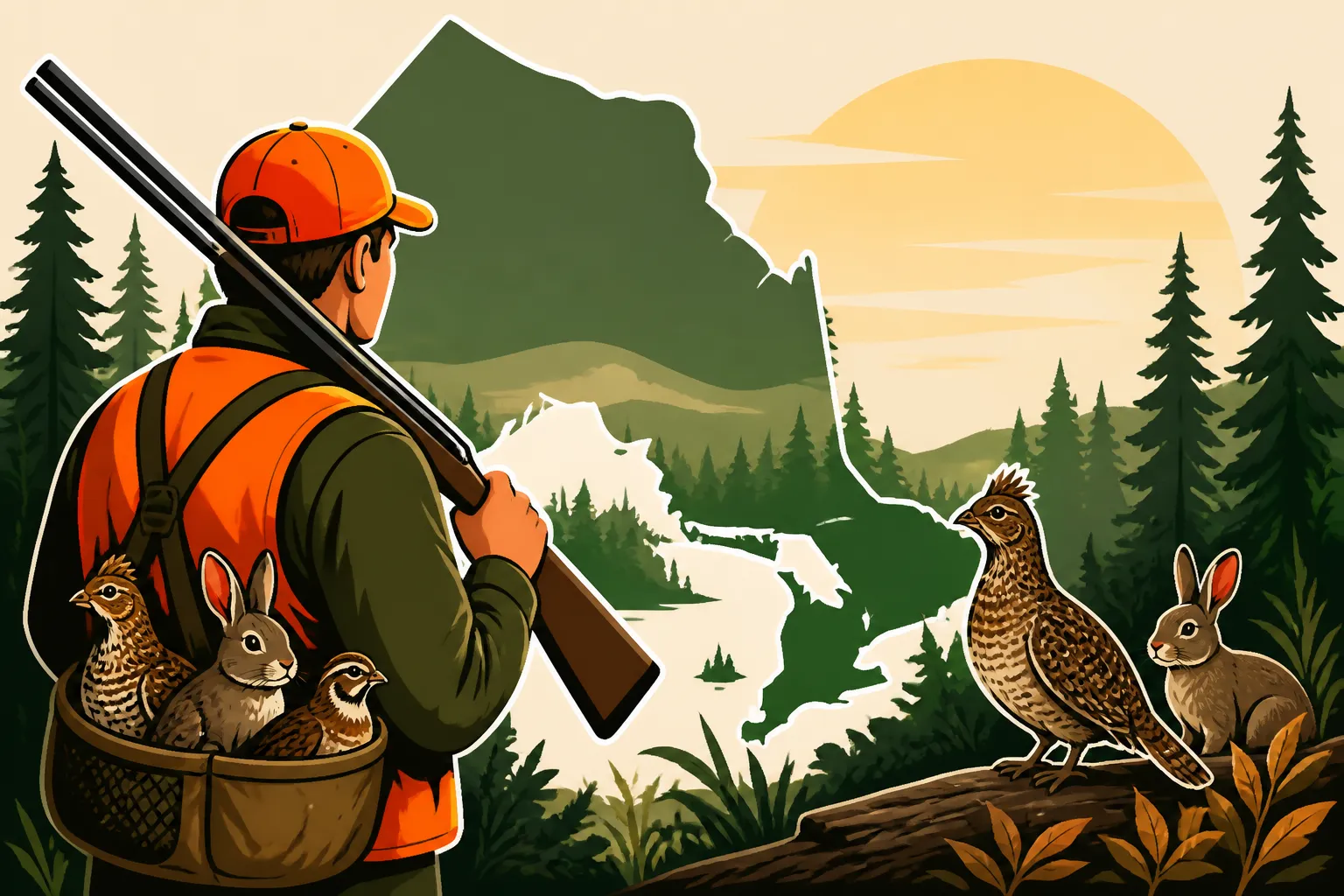
Small Game Hunting in Ontario
You know, for all the talk about monster moose, majestic whitetails, and those elusive black bears, many hunters in Ontario often overlook a truly foundational and incredibly rewarding pursuit: small game hunting. It’s easy to get caught up in the big game fever, but for many of us, the real joy and consistent action often come from chasing smaller quarry. If you've ever felt the sting of a drawn-out big game season with no luck, or simply want to extend your time afield, this comprehensive guide is here to shed light on the fantastic opportunities waiting for you in Ontario's diverse small game world.
Why Small Game Hunting is a Big Deal in Ontario
Small game hunting might not always grab the headlines, but it's an absolutely essential part of Ontario's hunting heritage and offers an incredible amount of value to hunters of all skill levels. It's often where new hunters cut their teeth, and where seasoned veterans go to hone their skills, explore new ground, and simply enjoy more time outdoors.
Accessibility and a Shorter Learning Curve
One of the biggest hurdles for new hunters, or even those looking to try a new species, is the steep learning curve and the sheer amount of time and resources required for big game. Think about it: a full deer hunt or moose hunt can involve extensive scouting, specialized gear, and often, an expensive tag. Small game, on the other hand, is far more approachable.
You don't need a huge budget for specialized equipment, and the seasons are often much longer, giving you ample opportunity to learn the ropes. For instance, chasing rabbits with a .22 or a shotgun is a fantastic way to understand animal behaviour, tracking, and stalking without the pressure of a once-in-a-lifetime tag. It teaches patience, observation, and quick decision-making – skills that are directly transferable to larger game. The woods and fields of Ontario are teeming with small game, meaning you're more likely to encounter animals and have success, which is a huge confidence booster, especially for young or new hunters. This accessibility fosters a deeper connection to the outdoors and helps cultivate a lifelong passion for hunting.
Extended Seasons and Diverse Opportunities
Unlike the often short, highly regulated seasons for big game, many small game species in Ontario boast incredibly generous seasons. This means you can extend your hunting calendar significantly, enjoying the crisp air of early fall, the quiet beauty of a snowy winter, or even the subtle greens of early spring, depending on the species.
Imagine being able to hunt grouse through most of the fall, then transition to rabbits once the snow flies, and perhaps even pursue coyotes well into winter and spring. This diversity keeps things fresh and exciting, preventing that end-of-season slump. It also allows you to explore different types of terrain and experience Ontario's natural beauty across multiple seasons, discovering new corners of the province you might never visit otherwise. This constant opportunity to be in the field helps maintain your hunting fitness, both physically and mentally.
Skill-Building for Future Big Game Pursuits
Don't underestimate small game hunting as merely a pastime; it's a critical training ground for big game hunters. The skills you develop while chasing grouse or rabbits are directly applicable to deer, bear, and moose. Think about accurate shooting: whether it's a fast-flying grouse or a quick-scampering rabbit, you're learning to shoulder your firearm quickly, track a moving target, and make precise shots under pressure.
Beyond shooting, small game hunting hones your woodsmanship. You become better at reading sign, understanding habitat preferences, moving silently through the woods, and being aware of your surroundings. Learning to identify cover, travel corridors, and feeding areas for rabbits or grouse will undoubtedly improve your ability to do the same for a whitetail. Even the act of dressing and processing small game builds fundamental field dressing skills that translate directly to larger animals, ensuring you're proficient and efficient when that big moment arrives. It’s essentially a low-stakes classroom that prepares you for high-stakes scenarios.
Understanding Ontario's Small Game Species
Ontario is a paradise for small game hunters, offering a diverse array of species that thrive in various habitats, from dense northern forests to agricultural southern lands. Knowing your quarry is the first step to successful hunting.
Rabbits and Hares: Cottontails and Snowshoes
When most folks think "rabbit hunting" in Ontario, they're usually picturing either the Eastern Cottontail or the Snowshoe Hare. Both offer exhilarating hunts, though they prefer different terrains.
Eastern Cottontails are the familiar bunnies of Southern Ontario. They love edge habitat – think fencerows, brush piles, overgrown fields, and the thick tangles where agricultural land meets sparse woodlots. These critters don't typically range far, so once you find a good patch of cover, you can often find multiple rabbits. They're quick and dart into dense cover at the first sign of danger, making for challenging snap shots. Hunting Cottontails Along a Fencerow or within thick briar patches is a classic autumn and winter pursuit, often done with a .22 rifle for precise shots or a shotgun for flushing them out. They provide fantastic table fare and are a great way to introduce new hunters to the sport due to their relative abundance and predictable behaviour. Early morning and late afternoon are usually the best times to find them actively feeding.
Snowshoe Hares, on the other hand, are creatures of Ontario's deeper bush, particularly found in the central and northern regions. Their iconic ability to change coat color with the seasons – brown in summer, white in winter – is a marvel. They prefer coniferous forests, cedar swamps, and thick young growth where they can evade predators. Hunting them usually involves walking through dense stands or along old logging roads, often kicking brush piles or dense tangles. They burst out with incredible speed, living up to their "snowshoe" name with their large, furred feet that allow them to float over deep snow. Running Beagles on Ontario Snowshoe Hare is a popular and effective method, as the dogs can push them from the thickest cover. Their meat is lean and delicious, and the thrill of a hare exploding from cover is truly something special.
Grouse: Ruffed, Spruce, and Sharp-tailed
Ontario is home to three species of grouse that provide some of the most exciting upland bird hunting experiences: the Ruffed Grouse, Spruce Grouse, and the less common Sharp-tailed Grouse.
The Ruffed Grouse is arguably the most sought-after upland bird in the province. Known for its distinctive drumming sound, these birds are masters of camouflage and explosive flight. They inhabit mixed forests, aspen stands, and the edges of old clear-cuts, often found along abandoned logging roads or near thick cover. A popular method is Hunting Ruffed Grouse on an Ontario Bush Road, slowly driving or walking, stopping to listen and look for birds feeding on berries or buds. When flushed, they explode from cover with a thunderous wingbeat, often darting through trees, demanding quick reflexes and precise shotgunning. They are incredibly tasty and provide a classic northern hunting experience. Their numbers can fluctuate based on ecological cycles, but good habitat almost always holds birds.
Spruce Grouse, often called "fool hens" due to their notorious lack of fear, prefer the dense, dark coniferous forests of Northern Ontario. They are less prone to flushing wildly, often allowing hunters to approach quite closely. While this makes them easier to bag, it also means the hunt is more about finding them in their thick habitat than about challenging shots. You'll typically find them in black spruce or jack pine stands. Hunting Spruce Grouse in Black Spruce can be a slow, methodical hunt, requiring keen eyes to spot them perched silently. Their meat is a bit darker and can have a slightly resinous flavour compared to ruffed grouse, depending on their diet, but they are still a welcome addition to the game bag.
Sharp-tailed Grouse are the prairie birds of Ontario, found predominantly in the far northwestern parts of the province, particularly in open fields, brushy grasslands, and areas with scattered poplar and willow bluffs. They are less common than ruffed or spruce grouse and offer a unique hunting challenge. They tend to flush in coveys and fly long distances, so having a good pointing dog can be invaluable. Hunting Sharp-Tailed Grouse Country often means covering a lot of ground in more open landscapes. Their dramatic dancing display in spring is famous, and they are excellent eating.
Squirrels: Grey and Red
Squirrel hunting is often an entry point for many young hunters, offering abundant opportunities and teaching crucial stalking and shooting skills. Ontario has healthy populations of both Grey (including black phase) and Red Squirrels.
Grey Squirrels are found throughout much of Southern and Central Ontario, particularly in mature hardwood forests, woodlots, and even urban parks where hunting is permitted. They are notoriously active in the early morning and late afternoon, foraging for acorns, hickory nuts, and other mast crops. Squirrel Hunting Ontario Hardwoods involves slow, silent stalking, often sitting patiently by large oak or hickory trees and waiting for them to reveal themselves. A .22 rifle is the weapon of choice for these clever creatures, demanding accurate head shots to preserve the meat and minimize noise. They can be incredibly frustrating with their ability to circle trees or disappear into squirrel nests (dreys) high in the canopy, making for a challenging and engaging hunt. Their meat is delicious, often compared to dark chicken.
Red Squirrels, smaller and feistier, are widespread across the province, favouring coniferous and mixed forests. They are incredibly vocal, often chattering angrily at intruders, which can actually help hunters locate them. While smaller than grey squirrels, they are abundant and offer good opportunities, especially for those in more northern or remote areas. Hunting them is similar to grey squirrels, focusing on still-hunting or stalking with a .22. They often leave tell-tale middens (piles of cone scales) at the base of trees, indicating a feeding spot. While a bit tougher to skin due to their smaller size, their meat is also very good.
Coyotes and Wolves: Predators as Small Game
While technically predators, coyotes and wolves are often included under the "small game" umbrella for hunting purposes in Ontario due to their general licence requirements (though specific regulations and tags can apply to wolves). These hunts are more about population management, ethical predator control, and the thrill of outsmarting a highly intelligent animal.
Coyotes are ubiquitous across Ontario, thriving in both wild and agricultural landscapes. Their cunning nature makes them a formidable quarry. Calling Coyotes in Ontario Farm Country is a popular method, often using distress calls or howls to bring them in. This requires patience, a keen understanding of wind direction, and excellent camouflage. They often provide year-round hunting opportunities, and controlling their numbers can sometimes benefit local deer and small game populations. Hunting coyotes is an intense experience, demanding sharp senses and quick decision-making.
Wolves, particularly the Eastern and Algonquin Wolves, are found in the more remote, northern regions of Ontario. The regulations for wolves are more stringent than for coyotes, often requiring specific tags depending on the Wildlife Management Unit (WMU). Hunting Wolves in Ontario's North is a serious undertaking, requiring extensive knowledge of their habits, vast wilderness tracking skills, and often, extremely cold weather endurance. It's a challenging hunt for an apex predator, requiring respect for the animal and adherence to all regulations, which can vary by region.
Essential Gear for Small Game Hunters
Stepping into the woods for small game in Ontario doesn't require a military-grade arsenal, but having the right tools can make all the difference between a frustrating day and a successful, enjoyable hunt. Let's break down the essentials.
Firearms and Ammunition Choices
The beauty of small game hunting is the versatility in firearms. While big game usually dictates specific calibres, small game offers a range of options depending on your target and personal preference.
Shotguns are king for most upland bird and rabbit hunting. A 12-gauge or 20-gauge pump or semi-automatic is ideal for quick, instinctive shots at flushing birds or darting rabbits. For grouse and smaller rabbits, lighter loads like 7 1/2 or 6 shot are often sufficient. For snowshoe hares, especially in thicker cover, you might bump up to 5 or 4 shot. The key is to find a choke that patterns well with your chosen ammunition at typical shooting distances. A modified or improved cylinder choke is a versatile choice for the close-quarters action often encountered in the bush. Ensure you're using non-toxic shot if you're hunting waterfowl or in areas where it's required for upland game.
For squirrels and even some coyotes, a .22 calibre rimfire rifle is the classic choice. It's quiet, accurate, and economical to shoot. A bolt-action .22 with a good scope (4x or variable up to 9x) allows for precise shot placement, which is critical for head-shooting squirrels and minimizing meat damage. Subsonic ammunition can make your setup even quieter. For coyotes, while some use a .22, a more powerful centre-fire rifle like a .223 Remington or .243 Winchester is often preferred for ethical, humane kills at longer ranges, especially when calling them in. These calibres offer flat trajectories and enough punch to anchor a coyote effectively. Always check your local WMU regulations for permissible firearms for specific species.
Clothing and Footwear for Ontario's Diverse Weather
Ontario's weather can be notoriously unpredictable, so layering is paramount. You need clothing that can handle everything from a warm, dry autumn morning to a cold, wet winter afternoon.
Start with a moisture-wicking base layer to draw sweat away from your body, preventing chills. A mid-layer, like a fleece or wool sweater, provides insulation. Your outer layer should be durable, waterproof, and windproof, especially for chasing birds through brush or sitting for coyotes. Blaze orange is a legal requirement for big game hunting in Ontario, and while not always legally mandated for all small game (check specific regulations), it's always a smart choice for safety, making you visible to other hunters. Companies like Browning and Sitka Gear offer excellent options for layering and durable outer shells.
Footwear is arguably the most critical component. You'll be covering varied terrain, from muddy fields to rocky bush and deep snow. Waterproof boots with good ankle support are non-negotiable. For early fall, lighter hiking boots might suffice. As the seasons progress and conditions get wetter or colder, insulated rubber boots or high-quality leather hunting boots become essential. For winter snowshoe hare or late-season grouse, a pair of insulated rubber boots that can keep your feet warm and dry through slush and snow is key. Ensure your boots are well broken in to avoid blisters, and always wear good quality wool or synthetic socks.
Navigational Tools and Safety Gear
Even on seemingly familiar ground, it's easy to get turned around, especially when focused on the hunt. Modern navigation tools are invaluable.
A reliable GPS device or a smartphone with a robust hunting app like GoHunt can be a lifesaver. These tools allow you to mark your vehicle, track your path, identify property lines (crucial for Hunting Ontario's Crown Land vs. private land), and find your way back to camp. While digital maps are great, always carry a physical map and compass as a backup – batteries die, and signals drop. Knowing how to use them is a fundamental woodsman skill.
Beyond navigation, a few other safety items are non-negotiable. A small first-aid kit for minor cuts, scrapes, or blisters is essential. Carry a headlamp or flashlight for walking in and out in low light. A whistle can be used to signal for help. If hunting in remote areas, consider carrying a personal locator beacon (PLB) or a satellite communication device like a Garmin inReach, especially where cell service is non-existent. Always tell someone your hunting plan, including your location and expected return time. A sharp knife for field dressing, game bags to protect meat, and plenty of water are also crucial.
Hunting Techniques and Strategies
Small game hunting is incredibly diverse, offering a range of techniques that can be tailored to specific species and habitats. Mastering these methods will greatly increase your success and enjoyment.
Still-hunting and Stalking
This is a classic technique, especially effective for wary animals like squirrels and often adaptable for grouse or even coyotes. Still-hunting involves moving very slowly and deliberately, stopping frequently to observe your surroundings for extended periods. It's less about covering ground and more about seeing the game before it sees you.
When still-hunting for squirrels, for instance, you'll want to enter a hardwood bush quietly in the early morning. Find a comfortable spot with a good view, maybe leaning against a large oak, and remain motionless for 10-15 minutes. Scan the trees, look for movement on the ground, and listen for the rustle of leaves or the tell-tale "bark" of a squirrel. They often reveal themselves after a period of silence, assuming the danger has passed. Then, take a few silent steps, pausing again to repeat the process. This method requires immense patience but is incredibly rewarding when you finally spot that grey squirrel scampering up a tree. Similarly, still-hunting along an Old Logging Road in the North can reveal grouse feeding on berries. You're trying to blend into the environment and become part of it, rather than just passing through.
Driving and Flushing
For species like rabbits and grouse that prefer dense cover, actively driving or flushing them can be very effective, especially when hunting with a partner or a small group.
A drive for rabbits, particularly snowshoes in thick cedar swamps, involves one or two hunters (the "pushers") walking through dense cover, making noise, and systematically moving towards "blockers" positioned at the other end of the cover. The blockades are placed where rabbits are likely to run out, such as a narrow neck of bush or a brushy opening. The pushers should move slowly, kicking every brush pile and fallen log, as rabbits will often sit tight until the last moment. This can be an exciting, fast-paced method, offering dynamic shotgun opportunities as rabbits burst from cover. Remember to communicate clearly with your group to ensure safety.
Flushing is a simpler, often solo technique where you actively walk through heavy cover, pushing birds or rabbits from their hiding spots. For ruffed grouse, this might mean walking the edges of thick aspen stands or dense alder bottoms. For rabbits, it could be wading through tall grass or pushing through thick brambles. The key is to move at an unpredictable pace, stopping and starting, which can sometimes make birds nervous enough to flush. This is especially effective in smaller, isolated patches of cover where game has fewer escape routes. This can also be enhanced by Using a Flushing Dog in Thick Bush, as dogs can penetrate cover much more efficiently than a human.
Using Dogs: Beagles, Pointers, and Flushers
Dogs are an incredible asset to the small game hunter, enhancing the experience and often boosting success rates dramatically. Different breeds excel at different tasks.
Beagles are the quintessential rabbit hounds. Their incredible sense of smell and boundless energy make them perfect for Running Beagles on Ontario Snowshoe Hare or cottontails. Once a beagle picks up a rabbit's scent, it will bay loudly, trailing the rabbit through the cover. Rabbits often run in large circles, eventually returning to their starting point or crossing a familiar trail. This allows hunters to position themselves strategically, waiting for the rabbit to come into view. The sound of a beagle on a hot trail is one of the most exciting sounds in the small game world. It's a team effort, where the dog does the hard work of finding and pushing, and the hunter uses their knowledge of rabbit behaviour to intercept.
Pointing dogs like English Pointers, Setters, or Brittanys are masters of upland bird hunting. They cover ground quickly, using their superior scenting ability to locate birds. When a pointing dog detects a bird, it "points," freezing rigidly with its nose indicating the bird's location. This allows the hunter to approach cautiously, getting ready for the flush. This is invaluable for ruffed grouse or woodcock, giving the hunter a moment to prepare for the explosive rise of the bird. Using a Pointing Dog in Ontario Cover elevates bird hunting to an art form, adding a layer of teamwork and dog handling that is deeply satisfying.
Flushing dogs such as Springer Spaniels or Labrador Retrievers, while also capable retrievers, are excellent at quartering through cover and pushing birds or rabbits into the air or into the open. They don't point but rather work ahead of the hunter, systematically covering ground and forcing game to move. This is effective in dense cattail marshes for ducks, or thick brush for grouse. A good flushing dog ensures no stone (or thicket) is left unturned.
Calling Coyotes and Wolves
Calling is a specialized and highly effective technique for predators like coyotes and, occasionally, wolves. It preys on their predatory instincts, using sounds to lure them within shooting range.
The most common method is distress calling, mimicking the sounds of an injured rabbit, fawn, or bird. Coyotes, being opportunistic predators, will often respond quickly to these sounds, hoping for an easy meal. This requires setting up in an area with good visibility, preferably with the wind in your face to carry your scent away from the approaching animal. Calling Coyotes at First Light or last light is often most productive when they are most active. You can use mouth calls or electronic callers, varying the sequence and volume of calls to mimic a frantic animal. Patience is key, as coyotes can approach cautiously, circling downwind to get a whiff before committing.
Another method, especially for wolves, is howling. This challenges a pack's territory or acts as a social call, sometimes prompting a response or even an approach. This requires a deeper understanding of wolf vocalizations and behaviour. For both coyotes and wolves, camouflage, minimal movement, and understanding terrain are crucial. The thrill of having a cunning predator respond to your call and appear silently is an unforgettable experience. However, always be aware of your surroundings and have a safe shooting lane.
Finding Small Game Hotspots in Ontario
You can have all the gear and skills in the world, but if you're not in the right place, you won't find game. Identifying productive small game habitat is a blend of understanding species' preferences, utilizing modern tools, and good old-fashioned scouting.
Crown Land vs. Private Land
Ontario offers vast opportunities on both public (Crown) and private lands, each with its own benefits and challenges.
Crown Land comprises approximately 87% of Ontario's landmass, primarily in the central and northern parts of the province. This is your go-to for remote, unpressured hunting experiences. Access is generally open to hunters, though it's crucial to understand the regulations regarding vehicles, camping, and specific restrictions in certain areas (e.g., parks or conservation reserves). Utilizing resources like the Ontario Crown Land Use Policy Atlas or specialized hunting apps like GoHunt is essential for identifying these areas and understanding their boundaries. Hunting on Ontario's Crown Land can involve bushwhacking, navigating old logging roads, and often a more challenging, but ultimately more rewarding, wilderness experience. It's excellent for grouse, snowshoe hare, and especially predators like coyotes and wolves in the more remote regions. However, expect less manicured habitat and be prepared to cover serious ground.
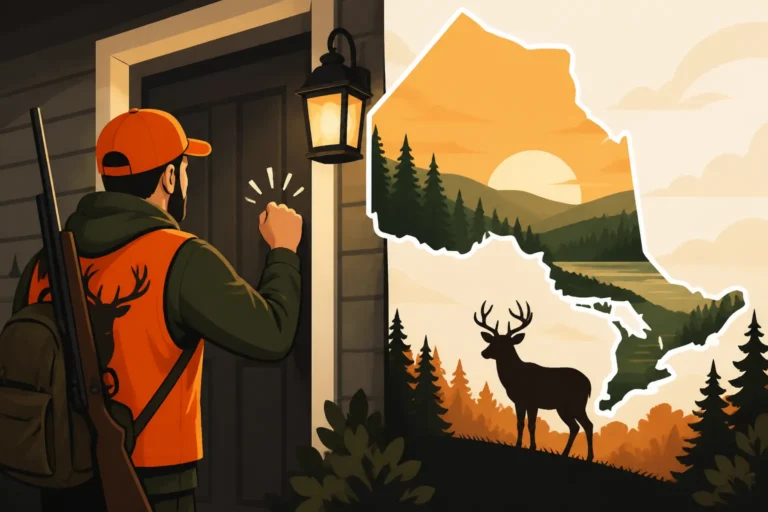
Private Land, predominantly found in Southern Ontario's agricultural belt, offers different advantages. Here, you'll often find higher concentrations of species like cottontail rabbits, grey squirrels, and coyotes that thrive on farm edges and woodlots. The challenge, however, is gaining permission. Getting Permission for a Goose Field or any private land means building relationships with landowners. A polite knock on the door, a respectful request, and offering to help with chores can go a long way. Always carry written permission, if possible, to avoid any misunderstandings. Private land often has better access and less competition, but requires careful navigation of landowner relations and a deep respect for their property.
Identifying Prime Habitat
Knowing what type of cover, food sources, and terrain each small game species prefers is key to scouting effectively.
For rabbits (cottontails), look for areas with dense, low-growing cover that provides both shelter and food. Think briar patches, honeysuckle thickets, old apple orchards, brush piles, overgrown fencerows, and the edges of standing corn or soybean fields. They rarely venture far from dense escape cover. For snowshoe hares, focus on thick coniferous stands like cedar swamps or young spruce and pine regeneration. They love areas with fallen timber and thick underbrush where they can hide and find browse.
Ruffed grouse thrive in young, regenerating forests with a mix of aspen, birch, and conifers. Look for areas along old logging roads, power lines, or the edges of clear-cuts where they can find berries, buds, and insects. They also favour areas near water sources. Spruce grouse are almost exclusively found in dense spruce, fir, or jack pine forests, often along the edges of muskegs. Grey squirrels are synonymous with mature hardwood forests – oak, hickory, beech, and maple stands that provide abundant mast crops. Red squirrels are more generalized, found in both coniferous and mixed forests, often near stands of pine or spruce.
For coyotes and wolves, prime habitat often overlaps with their prey species. Coyotes will be found where deer, rabbits, and small rodents are abundant, which means agricultural edges, woodlots, and mixed forests. Wolves require larger, more remote territories, typically in the boreal forest where moose and deer are present. Using a mapping tool like GoHunt can help you overlay different habitat types with property boundaries, allowing you to quickly identify promising areas.
Utilizing Scouting Tools
Modern technology has revolutionized scouting, making it easier than ever to identify potential small game hotspots before you even set foot in the woods.
Satellite imagery and topographical maps, often found on apps like GoHunt, allow you to virtually explore vast tracts of land. Look for changes in elevation, different forest types (hardwood vs. conifer), clear-cuts, water sources, and potential travel corridors like old logging roads or creek bottoms. These features can indicate ideal habitat for specific species. For instance, you can use satellite imagery to pinpoint those thick cedar swamps perfect for snowshoe hare or find mature oak ridges for grey squirrels. The GoHunt app's land ownership layers are also incredibly useful for distinguishing Ontario Crown Land Layers on onX (or similar) from private parcels, helping you plan your access routes.
Beyond satellite imagery, consider using a trail camera in areas where it's permitted (check local regulations, especially on Crown Land). While often associated with deer, trail cameras can reveal small game activity, showing you where squirrels are frequenting a specific nut tree or where coyotes are regularly passing through a pinch point. Pay attention to seasonal changes too – what's good habitat in the fall might be less productive once deep snow arrives and game shifts to wintering areas. Consistent scouting, both digitally and on the ground, will build your knowledge base and lead to more successful hunts.
Regulations, Licenses, and Seasons
Navigating the rules and regulations is paramount for any hunter in Ontario. Small game is no exception, with specific requirements for licensing, season dates, and legal methods of take. Always consult the current Ontario Hunting Regulations Summary, as rules can change annually.
Outdoors Card and Small Game Licence
Before you even think about stepping into the bush for small game, you need to be properly licensed. This starts with an Ontario Outdoors Card. This is your general identification and permit to hunt and fish in the province. It's valid for three calendar years and acts as your permanent hunting and fishing client number. What an Ontario Outdoors Card Costs is a relatively small investment for access to years of outdoor recreation.
Once you have your Outdoors Card, you'll need to purchase an Ontario Resident Small Game Licence. This licence permits you to hunt most small game species, including rabbits, hares, squirrels, grouse, and a variety of other furbearers and upland birds, subject to specific seasons and bag limits. Unlike big game, which often requires specific tags for each animal, the small game licence covers multiple species within their respective seasons. Ontario Small Game Licence Rules stipulate who can obtain one, often requiring completion of the Ontario Hunter Education Course. You can purchase and renew your Outdoors Card and licences online through the Fish and Wildlife Licensing Service portal, making it incredibly convenient.
Season Dates and Bag Limits
Season dates and bag limits are crucial to know, as they vary by species and often by Wildlife Management Unit (WMU) or hunting district. These are designed to ensure sustainable populations and fair chase.
For rabbits and hares, seasons typically open in September and run well into winter, sometimes through March. This lengthy season provides ample opportunity, especially when snow cover makes tracking easier. Bag limits are generally generous, often around 5-6 animals per day, but always double-check. For example, Rabbit and Hare Hunting in Ontario often allows for several months of hunting.
Grouse seasons usually kick off in September and continue through to December, offering a long window for upland bird enthusiasts. Ruffed and Spruce Grouse often share similar season dates, while Sharp-tailed Grouse might have slightly different, often shorter, seasons in their specific WMUs. Daily bag limits are usually in the range of 5 birds for Ruffed and Spruce Grouse, with a possession limit twice the daily limit.
Squirrels (Grey and Red) also typically have long seasons, running from early fall into winter, often mirroring grouse seasons. Bag limits are usually quite high, reflecting their abundant populations.
Coyotes and wolves generally have much longer seasons, with coyotes often open year-round in many WMUs. Wolf seasons are more restricted and require specific tags in many areas; always confirm the regulations for the specific WMU you plan to hunt in, as they can be complex. There are usually no bag limits for coyotes, but wolf limits are strictly controlled.
It is absolutely vital to consult the current Ontario Hunting Regulations Summary or use the Fish and Wildlife Licensing Service to confirm exact dates and limits for the WMU you intend to hunt. The Small Game Season Dates and Limits section of the official summary will be your best friend. These can change yearly, so never rely on memory.
Legal Firearms and Ammunition
Ontario has specific rules about what firearms and ammunition are legal for hunting different species. For small game, this usually means shotguns and rimfire rifles, but with certain restrictions.
For upland birds and rabbits, shotguns are the primary legal firearm. As mentioned, 12-gauge and 20-gauge are most common. Ensure your shotgun is plugged to a maximum capacity of 3 shells (one in the chamber, two in the magazine) when hunting migratory birds, though this restriction might not apply to all small game. For shot size, typically 4, 5, 6, or 7 1/2 shot are used. For migratory birds (e.g., snipe, woodcock, which are often grouped with small game), non-toxic shot is mandatory.
For squirrels, a .22 calibre rimfire rifle is perfectly legal and highly recommended for its accuracy and minimal meat damage. Larger rimfire calibres like .17 HMR or .22 WMR are also permitted. For coyotes, centerfire rifles like the .223 Remington, .243 Winchester, or other common deer calibres are legal and effective. However, there are restrictions on larger calibres in certain WMUs, particularly in Southern Ontario, where shotgun-only zones may exist. Always verify if your chosen WMU has any calibre or firearm restrictions.
It is strictly prohibited to hunt any game animal with fully automatic firearms, tracer ammunition, or any firearm not meeting minimum barrel length requirements. Understanding these rules is not just about avoiding fines; it's about ethical hunting and safety for everyone in the field.
Blaze Orange Requirements
Blaze orange is a key safety measure in Ontario and its requirements for hunters are clearly outlined.
For big game hunting (deer, moose, bear, elk), wearing blaze orange is mandatory for hunters and anyone accompanying them. This includes a minimum of 400 square inches of solid blaze orange above the waist, visible from all sides, and a blaze orange hat.
While the legal requirements for blaze orange may differ for small game (some species like migratory birds might not require it, depending on the specific hunting scenario), it is always, always highly recommended. When you are walking through dense cover, especially in areas where other hunters might be present, wearing blaze orange makes you visible and drastically reduces the risk of accidental shootings. Even if you're hunting squirrels with a .22 in a quiet woodlot, donning a blaze orange vest and hat is simply good practice. The small inconvenience is a tiny price to pay for enhanced safety, not just for you, but for your hunting partners and any other outdoor enthusiasts who might be in the area. Ontario Blaze Orange Requirements outlines these rules in detail, and it’s a good idea to refresh your memory each season.
Ethical Considerations and Responsible Hunting
Hunting small game in Ontario, like all forms of hunting, comes with a profound responsibility to adhere to ethical standards, respect nature, and ensure the future of the sport. It's more than just following the rules; it's about upholding the spirit of fair chase and stewardship.
Respect for Landowners and Property
A significant portion of small game hunting opportunities, especially in Southern Ontario, exists on private land. This makes respect for landowners absolutely paramount. Without their permission, access to these areas would be impossible.
Always seek explicit permission before entering private property, even if you see "No Trespassing" signs (or the absence of them). When approaching a landowner, be polite, well-groomed, and clear about your intentions. Offer to share some of your harvest, or perhaps help with a chore around the farm. Always leave gates as you found them, don't litter, avoid disturbing livestock, and never drive off-road without explicit permission. Should you wound an animal that runs onto neighbouring property, you must obtain permission from that landowner before pursuing it. Ignoring these courtesies can quickly lead to hunting privileges being revoked for everyone. Building positive relationships with landowners is the cornerstone of sustained private land access and helps foster a positive image of hunters in the community.
Conservation and Habitat Stewardship
Responsible hunting isn't just about taking game; it's about being a steward of the land and its wildlife. Small game hunters have a vital role to play in conservation.
This starts with understanding the ecosystem where you hunt. Healthy populations of grouse, rabbits, and squirrels are indicators of healthy forests and fields. Support initiatives that preserve and improve these habitats. For instance, programs that encourage hedgerow planting, creation of brush piles, or controlled burns can significantly benefit small game. Hunters, through their licence fees, contribute directly to conservation efforts in Ontario, funding research, habitat restoration, and enforcement.
Beyond financial contributions, hunters are often the first to notice changes in wildlife populations or habitat degradation. Reporting unusual observations, such as disease outbreaks or significant habitat loss, to the Ministry of Natural Resources and Forestry (MNRF) is an important part of stewardship. Practising ethical harvesting, sticking to bag limits, and ensuring quick, humane kills also contributes to the overall health and respect for the game species.
Game Care and Processing
The ethical responsibility of a hunter doesn't end when the shot is fired. Proper game care and processing are crucial for honouring the animal and ensuring the meat is suitable for consumption.
As soon as an animal is harvested, whether it's a grouse or a rabbit, it should be field-dressed. This involves removing the entrails to allow the carcass to cool down quickly, preventing bacterial growth. In warm weather, this is even more critical. For small game like grouse or squirrels, you can often pluck or skin them right in the field if you're comfortable. For larger small game like hares or coyotes, a more thorough field dressing procedure similar to deer might be required, though on a smaller scale.
Once field-dressed, the animal needs to be transported safely and cleanly. Use game bags to keep dirt and debris off the meat. Get it cooled down as quickly as possible – whether that's in a cooler with ice (ensuring no direct water contact with the meat) or by hanging it in a cool, shaded place. Prompt skinning and butchering will ensure the best flavour and tenderness. If you're new to processing, there are plenty of online tutorials or local butchers who can help. Remember, the goal is to utilize the meat and minimize waste.
Safety First: Always and Everywhere
No matter how experienced you are, safety must be your absolute top priority when small game hunting in Ontario.
This includes firearms safety above all else:
- Always assume every firearm is loaded.
- Always point the muzzle in a safe direction.
- Keep your finger off the trigger until you are ready to shoot.
- Be sure of your target and what is beyond it. Never take a shot if you can't clearly identify your target or if there's any doubt about what might be behind it. This is especially true when hunting squirrels in trees or grouse in dense cover.
- Unload your firearm when crossing obstacles, getting into or out of a vehicle, or when not actively hunting.
Beyond firearm handling, personal safety is also critical. Wear blaze orange, even when not legally required. Hunt with a buddy if possible, and always communicate your plans. Carry a fully charged cell phone (though coverage can be spotty in the bush) and a reliable navigation system. Be aware of your surroundings, including other hunters, hikers, or landowners. Pay attention to the weather and dress appropriately to avoid hypothermia or heatstroke. If What to Do If You Get Turned Around becomes a reality, stay calm, use your navigation tools, and if necessary, stay put and signal for help. By prioritizing safety, you ensure that every small game outing is not only successful but also safe and enjoyable.
Disclaimer
The information provided in this guide is for general informational purposes only and is not a substitute for the official Ontario Hunting Regulations Summary. Hunting regulations can change annually. It is the responsibility of every hunter to consult and comply with the most current official regulations published by the Ontario Ministry of Natural Resources and Forestry (MNRF) before heading afield. Always verify season dates, bag limits, licensing requirements, and legal methods of take for the specific Wildlife Management Unit (WMU) you intend to hunt. Safety should always be your top priority.