Ontario’s Trophy Record Book
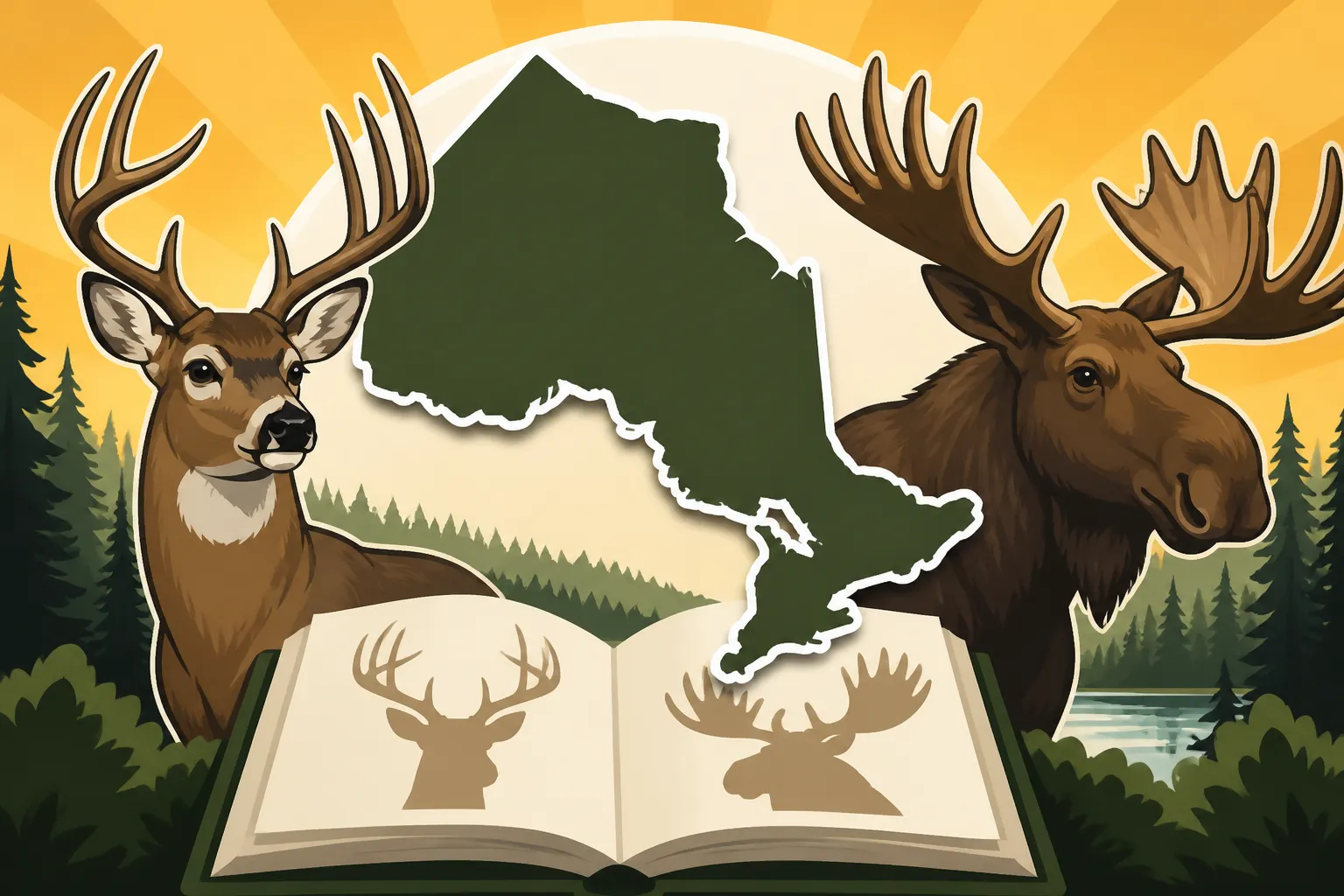
It's a feeling every hunter knows: the thrill of seeing a truly magnificent animal, one that makes your heart pound a little faster. For many, the desire to recognize these exceptional animals goes beyond personal memory, leading them to explore Ontario's trophy record book, a fascinating chronicle of the province's most impressive game. This guide will walk you through what these record books are all about, how animals qualify, and why they hold such a special place in our hunting heritage.
The Legacy of Ontario's Trophy Record Books
Hunters have always been storytellers, and a big part of those stories revolves around the pursuit and harvest of exceptional animals. But beyond the campfire tales, how do we truly measure and acknowledge the giants of our wild places? This is where official trophy record books come in, providing a standardized, historical account of the largest game animals taken in Ontario. They're not just about bragging rights; they're a testament to the health of our wildlife populations and the rich hunting heritage we share.
What is a Trophy Record Book, Really?
At its heart, a trophy record book is a meticulously maintained collection of data on outstanding game animals, measured according to strict, standardized criteria. Think of it as the historical registry of the titans of the forest and field. These books, often overseen by organizations like Boone and Crockett Club or Pope and Young Club at an international level, and sometimes by provincial or regional entities, serve multiple purposes. They celebrate the incredible specimens that our wilderness produces, honour the hunters who pursued them, and perhaps most importantly, provide invaluable data for wildlife biologists and conservationists.
For hunters, seeing an animal's name, or their own, listed alongside other incredible trophies is a recognition of a truly remarkable achievement in the field. It’s an acknowledgement that they were fortunate enough to cross paths with a creature that represents the very best of its kind in size, symmetry, or unique character. It's an affirmation of skill, patience, and often, a bit of luck in encountering such an animal. These books help maintain the standard of excellence in hunting, showcasing what's possible in a healthy ecosystem.
Beyond Bragging Rights: The Deeper Purpose
While the image of a hunter proudly showing off a massive rack often comes to mind, the intent behind these record books runs much deeper than simple boasting. These records compile decades of information, revealing trends in animal growth, population health, and habitat quality. For example, if trophy quality in a particular region starts to decline, it can signal to wildlife managers that something is amiss with nutrition, age structure, or environmental factors. Conversely, consistently high-scoring animals indicate a healthy, robust ecosystem capable of producing top-tier game.
These records become a historical archive, allowing us to look back through time and understand the evolution of our game species. They also encourage ethical hunting practices, as fair chase is a fundamental principle of all major record-keeping organizations. It ensures that the achievement is not just about the size of the animal, but about the integrity of the hunt itself. For an organization like GoHunt, understanding these historical trends is vital for helping hunters plan and appreciate their pursuits. The data points offer a valuable long-term look at the effectiveness of various conservation efforts and hunting regulations.
Understanding the Scoring Systems
Measuring a trophy animal isn't as simple as just throwing a tape measure on an antler. There are detailed, specific rules and methods that must be followed to ensure consistency and fairness. These systems are designed to objectively assess the size and characteristics of an animal's antlers, horns, or skull, and they are what allow us to compare trophies from across different regions and eras. Getting familiar with these rules is the first step for anyone aspiring to have their harvest officially recognized.
Boone and Crockett Club: The Gold Standard
When most hunters think of trophy records for North American big game, the Boone and Crockett Club's scoring system is probably what comes to mind. It's the granddaddy of them all, established over a century ago by Theodore Roosevelt and his peers. The B&C system is primarily for animals taken with firearms, although it does have categories for archery harvests that meet certain minimums before being transferred to the Pope and Young Club. Their method involves meticulous measurements of antler beam length, circumference at various points, and the length of each individual tine.
For species like whitetail deer, moose, and elk, symmetry is a key component, with deductions for abnormal points or differences between the left and right sides of the rack. This focus on symmetry rewards balanced, uniform growth, which is often a sign of a healthy, mature animal. For example, when you read about Ontario's Top Typical Whitetails, you'll see how heavily symmetry factors into the final score. The detailed nature of the B&C system ensures that every measurable aspect of the trophy is accounted for, creating a comprehensive and comparable score across all entries.
Pope and Young Club: Archery's Premier Records
For the dedicated bowhunter, the Pope and Young Club is the equivalent of Boone and Crockett. P&Y records are exclusively for animals taken with archery equipment under strict fair chase rules. The scoring methodology itself is virtually identical to Boone and Crockett for antlered and horned game, ensuring that a whitetail deer, for instance, is measured the same way regardless of whether it was taken with a rifle or a bow. The main difference lies in the minimum scores required for entry and, of course, the method of harvest.
This separate club highlights the unique challenge and skill involved in successfully harvesting big game with a bow and arrow. Many hunters in Ontario who participate in Bowhunting Ontario's Long Archery Season aspire to have their successful bow harvests recognized by Pope and Young, celebrating their dedication to this traditional hunting method. The rigorous standards ensure that these archery trophies are earned through incredible perseverance and close-range skill, upholding the integrity of bowhunting as a challenging pursuit.
Skull and Hide Scoring: Beyond Antlers
While antlers often steal the show, many species are recognized for their skull or hide measurements, particularly predators like black bears or furbearers. For black bears, the typical scoring method involves measuring the length and width of the skull, adding the two measurements together to get a total score. This method makes sense because a bear's "trophy" quality is tied more to its overall size and skull dimensions than to antler growth.
This is important for hunters who might be focused on Black Bear Hunting in Ontario, as they'll want to understand what makes a bear a true record book contender. Similarly, animals like cougars or wolves, if ever officially scored in the province (though cougars are not a huntable species in Ontario, and wolf hunting has specific regulations), would typically involve skull measurements. These different scoring paradigms ensure that all significant game species have a fair and appropriate way to be recognized in the record books, acknowledging the unique aspects of each animal's trophy potential.
Key Ontario Game Species and Their Trophy Potential
Ontario is a vast and diverse province, offering incredible hunting opportunities for a range of species, many of which produce truly magnificent trophies. From the massive racks of northern moose to the elusive, heavy-bodied whitetails of southern farmlands, each species has its own unique characteristics that contribute to its trophy potential. Understanding these specific qualities can help hunters appreciate the animals they pursue and recognize when they've encountered something truly special.
Whitetail Deer: Typical and Nontypical Giants
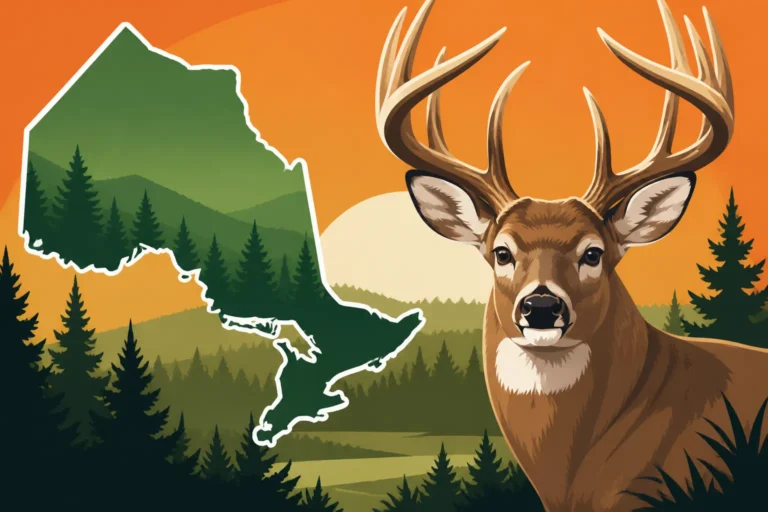
White-tailed deer are arguably the most popular big game animal in Ontario, and for good reason. The province is home to some incredible whitetail genetics, especially in regions with rich agricultural land and good age structure. When it comes to scoring, whitetail bucks are typically categorized as either "typical" or "nontypical." A "typical" rack is one that is largely symmetrical, with points growing upward from the main beams in a relatively even fashion. Scores for typical racks emphasize length, mass, and symmetry, with deductions for any abnormal points. Many hunters dream of an even 10-point or 12-point typical buck.
On the other hand, a "nontypical" rack is characterized by numerous abnormal points, drops, or other irregular formations. These unique and often chaotic racks are scored by adding all measurable points, with fewer deductions for asymmetry. Some hunters specifically target these unique, gnarly-racked bucks. When you look at the entries for Ontario's Top Nontypical Whitetails, you'll see some truly wild and impressive headgear. Southern Ontario, particularly areas with prime agricultural influence, is renowned for producing heavy-bodied bucks that often carry impressive antlers, a phenomenon explored in detail in Why Southern Ontario Grows Heavy Bucks. The sheer variety in whitetail antler growth means there's a trophy for every hunter's taste.
Moose: The Kings of the Boreal Forest
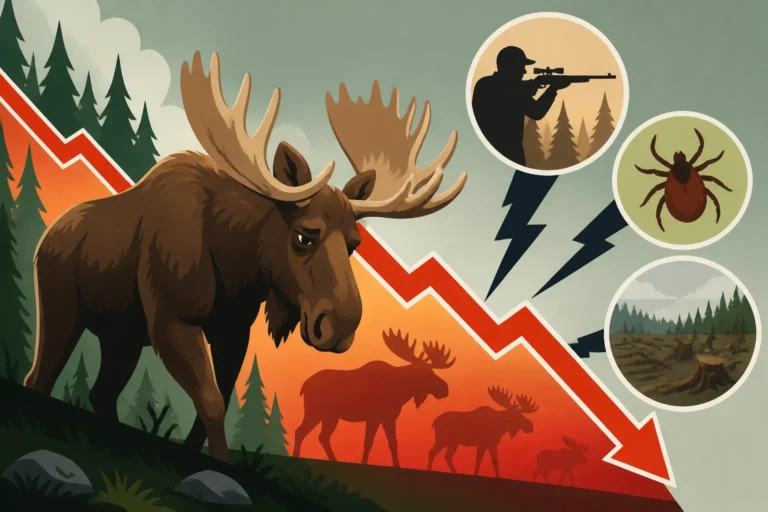
The majestic moose, the largest member of the deer family, offers a truly incredible trophy experience in Ontario's vast boreal forests. Unlike whitetails, moose antlers are often massive and palmated, forming broad paddles rather than slender points. The scoring system for moose focuses on the spread of the antlers, the width and length of the palms, and the number and length of points (tines) originating from the palms. Symmetry is still important but in a different context than for deer. A truly exceptional bull moose will boast a wide spread and deeply palmated antlers with many long points.
Understanding What a Big Bull Moose Weighs gives you a sense of the sheer scale of these animals, and their antlers are equally imposing. The record books for moose are filled with giants from the far northern reaches of the province, areas where moose have the age and nutrition to reach their full potential. For any hunter interested in Moose Hunting Ontario's Northern Bush, understanding what constitutes a record-class bull is a fundamental part of the pursuit. These massive animals are often the ultimate goal for many big game hunters in the province. GoHunt sometimes showcases these magnificent beasts from the deep wilderness.
Black Bears: Skull Size is Key
For black bears, the trophy focus shifts from antlers to skull size. A bear's skull is measured by taking its greatest length and greatest width, then adding these two figures together to get the total score. This method provides a consistent way to evaluate the size of a bear, which directly correlates with its overall body size and age. Mature male bears (boars) typically have larger, heavier skulls than sows, although a truly old sow can also have an impressive skull.
Hunters often estimate skull size in the field by looking at features like the width of the head, the size of the ears in relation to the head, and the overall bulk of the animal. However, the final score requires the skull to be cleaned and dried for a minimum period (usually 60 days) to allow for any shrinkage before official measurement. A hunter hoping to enter a bear into the record books will be thinking about the skull even before the shot. While there isn't a specific article on Ontario's Black Bear record book, understanding Ontario's Record Black Bear gives insight into the massive skulls taken in the province.
Wild Turkey: The Grand Slam of Feathers
While often overshadowed by big game, wild turkeys offer a unique and challenging pursuit, and their "trophies" are measured differently. For a wild turkey, the score is a combination of spur length, beard length, and the bird's weight. Longer spurs, a longer beard (or multiple beards!), and a heavier body weight all contribute to a higher score. Unlike antlers, which are shed annually, spurs and beards grow throughout a turkey's life, making older gobblers the most likely contenders for the record books.
A truly exceptional bird might have spurs over an inch and a half, a beard pushing ten inches or more, and weigh over twenty pounds. The challenge of calling a big tom into range during Spring Turkey Hunting in Ontario is immense, and bringing home a bird that qualifies for the record book is a testament to a hunter's skill and patience. GoHunt often features stories of hunters pursuing these magnificent birds, highlighting the specific characteristics that make a turkey a record contender. For serious turkey hunters, chasing a true longbeard with impressive spurs is a significant quest.
The Official Scoring and Entry Process
Having taken an animal that you suspect might be record-book worthy is an exciting moment, but the journey to official recognition involves a specific, meticulous process. It’s not something you can rush; precision and patience are key. Understanding these steps ensures that your trophy receives a fair and accurate assessment, upholding the integrity of the record-keeping system.
Preparing Your Trophy for Measurement
Once your animal is harvested, the immediate priority is proper meat care, especially in Meat Care in Ontario's Warm Early Seasons if the weather is mild. But if you're thinking about the record books, preserving the skull or antlers correctly is crucial. For antlered or horned game, the skull plate needs to be properly cleaned and dried. This means removing all flesh and brain matter, and allowing it to air dry for a minimum of 60 days. This drying period is essential because bone and antler can shrink slightly as they dry, and measurements taken too soon would not be accurate or consistent with dried entries.
For black bear skulls, the process is similar: thoroughly clean the skull, ensuring all tissue is removed, and then allow it to dry for at least 60 days. Any residual tissue or moisture can affect the measurement. For turkeys, the spurs and beard should be carefully preserved, ideally still attached to the leg or breast skin if you intend to have the entire bird mounted, though the measurements are typically taken directly from the bird or its components. Proper preparation is the foundation for an accurate score.
Finding a Certified Official Scorer
This is perhaps the most critical step: you cannot score your own animal for official entry. You must find a certified measurer from a recognized organization like the Boone and Crockett Club or Pope and Young Club. These individuals have undergone rigorous training and certification to ensure they understand and apply the scoring rules precisely. They are trained to be objective and consistent, minimizing discrepancies between different scorers.
Most hunting organizations, clubs, or even larger hunting retailers in Ontario can point you towards a local certified scorer. A quick search on the GoHunt website or through provincial hunting associations will usually reveal a list of contacts. They will schedule an appointment, and you'll bring your properly prepared trophy to them for measurement. Don't be afraid to ask questions; they're usually passionate about what they do and happy to explain the process as they go. This crucial step ensures that your trophy gets a fair and expert assessment. Understanding What Counts for an Ontario Trophy Record is a good precursor to meeting with a scorer.
The Measurement and Panel Judging
During the scoring session, the certified measurer will take a series of detailed measurements using specialized flexible steel tapes and calipers. For antlered game, they'll measure beam length, circumferences, tine lengths, and the inside spread. They'll also identify and measure any abnormal points, which are handled differently depending on whether the animal is being scored as typical or nontypical. For skulls, it's a simple length-plus-width. The scorer will carefully record all these figures on an official score sheet, performing the necessary additions and deductions to arrive at a preliminary gross and net score.
If your animal meets or exceeds the minimum entry score for a particular record book, the scorer will then guide you through the submission process. In some cases, for exceptionally large or potential world-record animals, a "panel judging" may be required, where multiple certified scorers review and remeasure the trophy to ensure absolute accuracy. This multi-layered verification process is what gives these record books their credibility and historical significance. It's an intricate dance of numbers and precise application of rules, all designed to uphold the highest standards.
Typical Versus Nontypical: A Tale of Two Trophies
When it comes to antlered game like whitetail deer and elk, one of the most common distinctions made in trophy scoring is between "typical" and "nontypical" racks. This isn't just an arbitrary classification; it reflects different patterns of antler growth and leads to different scoring methodologies, appealing to different aspects of trophy appreciation. It's a key concept to grasp when assessing the quality of a rack in the field or aiming for a specific type of entry in the record books.
The Beauty of Symmetry: Typical Scoring
A typical rack is defined by its symmetrical growth and the lack of abnormal points. Imagine a classic, perfectly matched set of antlers where each point on one side has a corresponding, equally-sized point on the other. The scoring system for typical antlers, used by organizations like Boone and Crockett and Pope and Young, heavily rewards this symmetry. Measurements are taken for main beam length, circumference at specific points, and the length of each normal tine. The inside spread of the main beams is also a key component.
Deductions are made for any abnormal points – points that don't grow in a typical fashion or don't have a matching counterpart on the opposite side. The net score, after these deductions, represents the animal's symmetrical trophy value. A hunter pursuing a typical trophy is often looking for that classic, clean, and impressive rack that perfectly embodies the ideal form of the species. When you're Scoring a Typical Whitetail Rack, you truly appreciate the craftsmanship of nature and the perfect balance it can achieve.
The Uniqueness of the Irregular: Nontypical Scoring
In stark contrast, a nontypical rack celebrates the unique, often wild, and irregular antler growth that some animals exhibit. These racks might feature drop tines, multiple abnormal points sprouting from the main beams, or clusters of points that defy typical categorization. For nontypical scoring, the goal isn't symmetry; it's about the sheer volume of antler material and the uniqueness of its growth. While all the typical measurements are still taken, the abnormal points are added to the score rather than deducted.
This means a nontypical buck can often achieve a higher gross score than a typical one, simply due to the sheer amount of bone it carries, even if that bone is asymmetrical. Many hunters find these nontypical racks incredibly appealing because of their rarity and individual character – no two nontypical racks are ever truly alike. They tell a story of unique genetics, perhaps an injury, or simply an anomaly of nature that resulted in spectacular, albeit unconventional, antler development. When you encounter a buck with a truly wild, non-symmetrical rack, you’re looking at a potential nontypical record. This type of growth can sometimes be influenced by factors such as the animal's age and nutrition, a good example of which is explored in Reading Antler Growth After a Wet Year.
| Category | Description | Scoring Focus | Deductions for Abnormalities |
|---|---|---|---|
| Typical | Symmetrical antler growth, points generally matching on both sides. | Length, mass, inside spread, symmetry. | Yes, significant |
| Nontypical | Irregular antler growth, abnormal points, drops, clusters. | Total antler material, uniqueness, mass. | No, abnormal points are added |
| Skull | Applies to species like black bears. | Length + Width of the skull. | N/A |
| Turkey | Combines physical features. | Beard length, spur length, body weight. | N/A |
The Significance of Record Books for Conservation and Heritage
While the personal achievement of harvesting a record-book animal is undeniable, the true value of these trophy systems extends far beyond individual recognition. They play a quiet but critical role in wildlife management and serve as cornerstones of our hunting heritage, connecting past, present, and future generations of outdoors enthusiasts in Ontario.
Data for Wildlife Management
The cumulative data collected from thousands of trophy entries over the decades provides an invaluable resource for wildlife biologists and provincial conservation agencies. This long-term dataset helps track trends in animal health, population demographics, and habitat quality across different regions within Ontario's Wildlife Management Units. For example, if there's a consistent increase in average antler scores in a particular WMU, it might suggest excellent habitat conditions, effective management strategies, or a healthy age structure in the deer herd. Conversely, a decline could signal overharvesting, habitat degradation, or disease concerns.
Organizations like Boone and Crockett actively share their data with wildlife agencies, contributing to informed decision-making. This kind of real-world feedback from the field is a powerful tool, complementing aerial surveys and other scientific methods used to manage Ontario's game species responsibly. For hunters looking to deepen their understanding, resources like GoHunt often publish analyses of these trends, helping to bridge the gap between recreational hunting and scientific conservation.
Preserving Hunting History and Inspiring Future Hunters
Beyond the scientific data, record books are living archives of hunting history. They connect us to the legends of the past, the giant animals taken by hunters decades ago, and the stories behind those hunts. Imagine looking through the entries for The Biggest Moose Ever Taken in Ontario and visualizing the epic struggle that must have occurred in the deep bush. These records capture a moment in time, preserving the legacy of specific animals and the hunters who pursued them.
They inspire current hunters to explore new areas, refine their skills, and appreciate the potential of Ontario's wild places. For young hunters, seeing the pictures and reading about these incredible animals can ignite a lifelong passion for the outdoors and a commitment to conservation. It reinforces the idea that ethical hunting is not just a recreational activity, but a deep connection to nature and a stewardship responsibility. These stories and records contribute to the rich tapestry of Ontario's hunting culture, ensuring that future generations can learn from and be inspired by the accomplishments of the past.
Promoting Ethical Hunting and Fair Chase
A fundamental principle of every major trophy record-keeping organization is "fair chase." This isn't just a suggestion; it's a strict requirement. Fair chase means that the hunter does not have an unfair advantage over the animal. This includes prohibitions against hunting animals in enclosures, using motorized vehicles to pursue game, or baiting in jurisdictions where it's illegal (though Baiting Black Bear in Ontario is permitted under specific regulations, for example, it has its own distinct fair chase considerations). Any animal taken outside of fair chase principles is automatically disqualified from record book entry.
This emphasis on ethical conduct ensures that the achievement recognized is not just about the size of the animal, but about the integrity of the hunt and the respect shown to the quarry. It holds hunters to a high standard, fostering a community that values sportsmanship and conservation above all else. This commitment to fair chase is a cornerstone of the hunting tradition in Ontario and across North America, ensuring that the pursuit of a trophy is as honorable as the trophy itself. Ethical hunters understand that the true value lies in the challenge and the respect for the wildlife.
Disclaimer
This article is for general informational purposes only and does not constitute professional advice. Laws, prices and regulations vary by location and change over time. Consult a qualified professional for guidance on your specific situation.