What CWD Means for Ontario Deer
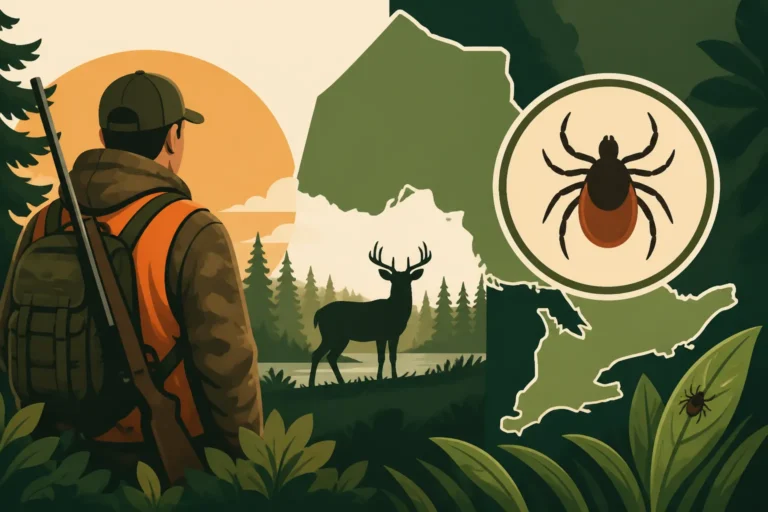
The whispers and worries about Chronic Wasting Disease (CWD) are real, and they've been stirring up a lot of questions among Ontario deer hunters. Many of us are concerned about what this disease could mean for our beloved whitetail herds, our hunting traditions, and even the safety of the venison we bring home. It's a complex issue, and it's completely natural to feel a bit uneasy when you hear about something that threatens the very wildlife we cherish. This guide is here to cut through the noise and provide a comprehensive look at what CWD actually is, where Ontario stands, and what every hunter needs to know and do to protect our deer populations for generations to come.
Understanding Chronic Wasting Disease: The Basics
CWD isn't just another deer ailment; it's a neurological disease with significant implications. It's often compared to Mad Cow Disease in cattle, or scrapie in sheep, because it belongs to a family of diseases known as transmissible spongiform encephalopathies (TSEs). These are insidious conditions that slowly and irrevocably damage the brain. For hunters, understanding the fundamental nature of CWD is the first step in appreciating the gravity of its threat and our collective responsibility in managing it.
What CWD Is and How It Spreads
CWD is caused by abnormal proteins called prions. Unlike bacteria or viruses, prions aren't living organisms; they're misfolded proteins that cause normal proteins in the brain to also misfold, leading to irreparable damage. These prions are incredibly resilient and can persist in the environment for years, even decades, resisting conventional disinfectants, freezing, and even high heat. This environmental persistence is one of the key factors making CWD so challenging to manage once it takes hold.
The disease spreads primarily through direct contact between infected animals, but also indirectly through contact with contaminated environments. This means deer can pick up prions from saliva, urine, feces, blood, and even decomposing carcasses of infected animals. If an infected deer walks through an area, depositing bodily fluids, those prions can linger in the soil, vegetation, or water, potentially infecting other deer that pass through later. Shared feeding and watering sites, or mineral licks, can become hotbeds for transmission, creating a perfect storm for the disease to spread.
It's not just about one sick deer infecting another; it's about the landscape itself becoming a reservoir for the disease. This environmental contamination is why CWD is so difficult to eradicate once established. Hunters need to be especially mindful of practices that might concentrate deer, as these can inadvertently facilitate CWD transmission by increasing the chances of direct contact and environmental contamination. Thinking about where deer tend to gather, like Hunting a Standing Corn Field Edge, becomes even more important in a CWD context.
Symptoms and Progression in Deer
The symptoms of CWD are not always immediately obvious, and they typically progress slowly over an extended period, often months or even years. This makes early detection in wild populations incredibly difficult. Initially, an infected deer might appear completely healthy, showing no outward signs of illness. As the disease advances, however, the prions steadily destroy brain tissue, leading to a range of increasingly severe neurological symptoms.
Common signs of CWD include dramatic weight loss over time, leading to the "wasting" appearance that gives the disease its name. Affected deer might exhibit behavioral changes, such as a lack of coordination, stumbling, or tremors. They may also display an excessive drooling, an increased thirst, and frequent urination. In the later stages, deer often become lethargic, lose their fear of humans, and adopt a vacant stare. These symptoms are heartbreaking to witness and are a clear indicator of the severe neurological damage being inflicted.
It's crucial for hunters to understand that these symptoms are not unique to CWD. Other diseases, injuries, or even malnutrition can mimic some of these signs. This is why thorough testing is essential for a definitive diagnosis. If you encounter a deer exhibiting these symptoms, especially if it appears emaciated and disoriented, it’s vital to report it to the Ministry of Natural Resources and Forestry (MNRF) immediately. Your vigilance can be a critical first line of defense.
Why It's a Concern for Wildlife and Hunters
The concern surrounding CWD is multifaceted, touching upon wildlife health, ecological balance, and the future of hunting. For deer populations, CWD is ultimately fatal, and there is currently no known cure or vaccine. In areas where the disease has become endemic, it can lead to significant declines in deer numbers and alter population structures. This isn't just about losing individual deer; it's about potentially undermining the health and resilience of entire regional herds.
From a hunter's perspective, the implications are equally profound. Beyond the ethical concerns of harvesting a diseased animal, there are legitimate worries about the safety of consuming venison from CWD-infected deer. While there's no conclusive scientific evidence that CWD can be transmitted to humans (a condition sometimes referred to as zoonotic transmission), public health agencies generally recommend against consuming meat from infected animals. This precautionary principle is key to safeguarding public health and maintaining confidence in wild game as a food source.
Furthermore, CWD can lead to more stringent hunting regulations, increased testing requirements, and restrictions on how carcasses and game meat can be transported. These measures, while necessary for disease management, can alter traditional hunting practices and add layers of complexity to a hunt. We, as hunters, are stewards of the land and its wildlife, and the presence of CWD challenges us to adapt our practices to protect both the resource and ourselves. This is why initiatives like Ontario's CWD Surveillance Program are so critical, relying heavily on hunter participation.
The Current Situation in Ontario: Vigilance, Not Crisis
It's easy to get caught up in alarm when you hear about CWD, especially with its presence in neighbouring jurisdictions. However, in Ontario, the current situation is one of vigilance and proactive monitoring, rather than a widespread crisis. Our wildlife management agencies are working diligently to detect the disease early, understand its potential pathways, and implement strategies to prevent its establishment and spread within the province.
Ontario's CWD Surveillance Program
Ontario has a robust CWD surveillance program in place, designed to detect the disease quickly if it ever enters the province. This program relies heavily on the cooperation of hunters, meat processors, and taxidermists to submit samples from harvested deer. These samples, typically brain stem and lymph node tissues, are then tested for the presence of CWD prions. The program isn't just reactive; it's a proactive effort to stay ahead of the curve.
The surveillance efforts are often concentrated in areas considered at higher risk, such as along the provincial borders with areas where CWD has been detected in the United States. However, samples are collected from across the province to provide a comprehensive picture of deer health. By routinely testing deer, even those that appear healthy, the province can monitor for the silent presence of CWD before it becomes widespread. This early detection is absolutely vital for effective management.
Information gathering is a major part of this process. The MNRF often provides specific guidance on how and where to submit samples, and understanding these protocols is key for hunters. This kind of systematic monitoring helps provide data for critical decisions, informing the public on Whether Ontario Has Confirmed CWD. Your participation isn't just a suggestion; it's a crucial contribution to the health of our deer herds.
Current Status of CWD in the Province
As of now, and it's something we all hope continues, Ontario has not detected CWD in its wild deer populations. This is fantastic news, and it's a testament to the ongoing surveillance efforts and, frankly, a bit of good fortune. However, it’s crucial not to become complacent. CWD has been found in neighbouring jurisdictions, including states like Michigan, New York, Pennsylvania, and Wisconsin, as well as provinces like Quebec. The proximity means the threat remains real and constant.
The province has had a few scares over the years, with CWD detected in captive cervid facilities, like deer farms. These instances are serious and trigger immediate response protocols, including the culling of affected animals and strict quarantine measures to prevent any spillover into the wild. These events serve as stark reminders of how close the disease can be and the importance of stringent biosecurity measures for any captive cervid operations.
The current status underscores the need for continued vigilance from every hunter. We are the eyes and ears in the woods. If we want to maintain Ontario's CWD-free status for wild deer, every hunter needs to be educated, cautious, and ready to report anything suspicious. It's a collective effort that benefits us all, ensuring that our opportunities for Whitetail Hunting in Ontario remain vibrant and healthy.
Comparing Ontario's Situation to Other Jurisdictions
When we look at Ontario's CWD situation, it's often helpful to compare it to what's happening elsewhere. In some U.S. states, particularly in the Midwest, CWD has become firmly established in wild deer and elk populations. In these areas, the disease prevalence can be high, leading to noticeable declines in deer numbers, reduced hunter success, and significant changes to hunting regulations, including mandatory testing, carcass disposal rules, and even culling programs.
Take Wisconsin, for example, where CWD has been present for over two decades. Hunters there regularly submit deer for testing, and specific CWD management zones have been established with modified hunting seasons and bag limits. The situation demands constant adaptation from hunters and wildlife agencies alike. This isn't just about managing a disease; it's about fundamental shifts in how hunting is conducted and perceived.
Ontario's approach benefits from these lessons learned. By having a robust surveillance program in place before widespread detection, we have a fighting chance to prevent the more severe outcomes seen in other jurisdictions. This proactive stance, coupled with strict import regulations for cervids, aims to create a barrier against the disease. While we can't completely eliminate risk, understanding the challenges faced elsewhere helps us appreciate the importance of our current prevention and monitoring efforts.
How CWD Could Impact Ontario's Deer and Hunting
The potential long-term impacts of CWD on Ontario's deer populations and hunting culture are significant, even if the disease hasn't taken hold yet. Thinking proactively about these possibilities helps us understand why prevention and responsible management are so critical. It's not just about what we hunt, but how we hunt, and the health of the entire ecosystem.
Potential Effects on Deer Populations and Health
Should CWD become established in Ontario's wild deer herds, the effects could be devastating. As a fatal neurological disease, CWD doesn't just sicken individual animals; it can progressively erode the overall health and vitality of a population. Over time, higher mortality rates among infected deer, particularly prime breeding animals, could lead to declining deer densities in affected areas. This is a concerning prospect, especially considering the effort that has gone into managing How Many Whitetails the Province Holds.
Beyond numerical declines, CWD could also impact the age and sex structure of the herd. Older, dominant bucks are often more susceptible to contracting and spreading the disease due to their wider movements and social interactions during the rut. A reduction in these older age classes could lead to a younger, less robust deer population, with potential ripple effects on breeding success and overall herd genetics. The notion of reduced trophy potential, while secondary to herd health, is another understandable concern for many hunters.
Furthermore, a CWD-affected herd might become more susceptible to other diseases or environmental stressors. The compromised immune systems of infected animals could make them more vulnerable to parasites, severe winters, or other health challenges, creating a compounding effect that further stresses the population. The ecological balance could also shift, as deer are a keystone species in many of Ontario's ecosystems, influencing vegetation and serving as prey for various predators.
Changes to Hunting Regulations and Practices
The introduction and spread of CWD would almost certainly usher in significant changes to hunting regulations and practices across Ontario. We've seen this play out in other jurisdictions, and it's a necessary response to control the disease. These changes could range from altered season dates and bag limits to mandatory testing and specific carcass disposal rules. Hunters might find themselves facing new restrictions on where they can hunt, or what they can do with a harvested animal.
For example, wildlife management units (WMUs) where CWD is detected might implement special "CWD management zones" with extended seasons, increased antlerless tags, or even mandatory harvest of deer for testing purposes. The goal would be to reduce deer densities in these areas to limit disease transmission. This could mean changes to familiar aspects of Ontario Deer Season Dates and Tags. Rules around baiting and feeding deer, which concentrate animals and facilitate disease spread, would likely become much stricter, or even prohibited entirely, in affected areas.
The transport of deer carcasses would also come under scrutiny. To prevent the geographic spread of prions, rules might be introduced restricting the movement of whole carcasses or high-risk parts (like the brain and spinal cord) out of CWD-affected zones. Hunters might be required to debone their deer at the kill site or at designated processing facilities before transporting meat. These adjustments, while vital for public health and disease control, demand adaptability and a commitment to responsible practices from all hunters.
Impact on Hunting Traditions and Management
CWD isn't just a biological problem; it's also a cultural one, with the potential to impact the cherished hunting traditions passed down through generations. Imagine the hunt camp experience, where sharing venison and stories around a fire is central. If concerns about CWD safety become widespread, or if mandatory testing creates delays, it could change the social fabric of these experiences. The trust in wild game as a safe, healthy food source could be eroded, potentially leading to a decline in hunter participation.
From a management perspective, CWD presents an enormous challenge. Wildlife agencies would need to reallocate significant resources towards CWD monitoring, research, and public education. The focus would shift from solely managing deer populations for harvest and ecological balance to primarily managing for disease containment. This could impact other wildlife conservation initiatives and require substantial public funding.
Ultimately, the long-term impact on Ontario's hunting traditions will depend on how effectively the province and its hunters respond. By embracing scientific management, adapting to new regulations, and actively participating in surveillance efforts, we can mitigate some of the most severe consequences. It's about preserving the opportunity to hunt, and the health of the game we pursue, even if the how of hunting needs to evolve. Organizations like GoHunt are excellent resources for staying current with evolving regulations and understanding new management zones, which would be crucial if CWD were to become established here.
The Hunter's Role: Detection, Prevention, and Responsible Practices
As hunters, we are often the first line of defense and the most critical partners in managing wildlife diseases like CWD. Our unique connection to the land and our direct interaction with deer put us in a powerful position to contribute to detection, prevent spread, and ensure the ongoing health of our herds. It's a responsibility we must take seriously.
What Hunters Can Do to Help Prevent CWD Spread
Prevention is absolutely key when it comes to CWD, and hunters have a vital role to play. First and foremost, never bring whole deer, elk, or moose carcasses or high-risk parts (brain, spinal cord, eyes, spleen, lymph nodes) into Ontario from any jurisdiction where CWD has been detected. If you hunt outside the province, ensure you are only transporting deboned meat, cleaned skulls, antlers, and hides without brain material back into Ontario. Knowing the rules for Transporting Game Meat in Ontario is crucial.
Avoid practices that artificially concentrate deer, as these create ideal conditions for CWD transmission. This includes refraining from supplemental feeding or using mineral licks, especially in areas where CWD is a concern or could become one. Such practices bring animals into close contact, increasing the likelihood of direct spread and environmental contamination with infectious prions. Responsible hunters understand that while these practices might seem beneficial, they can actually undermine long-term herd health.
Lastly, practice good hygiene and sanitation in the field. If you're butchering a deer, wear gloves, and thoroughly clean and disinfect your knives, equipment, and hands afterwards. Dispose of carcass waste properly, ideally by burying it deep at the kill site or taking it to an approved landfill, rather than leaving it exposed where other animals might access it. This minimizes the chance of spreading any potential prions.
Mandatory Reporting and Sample Submission
If you observe a deer exhibiting symptoms consistent with CWD – such as extreme thinness, stumbling, drooling, or a lack of fear of humans – it is absolutely critical to report it immediately to the Ministry of Natural Resources and Forestry (MNRF). Do not approach or handle the animal more than necessary. Early reporting allows wildlife officials to investigate and potentially remove an infected animal before it can spread the disease further. This kind of vigilance is vital, and Why Mandatory Reporting Matters becomes abundantly clear in a CWD context.
Beyond reporting sick animals, participating in voluntary or mandatory CWD surveillance programs by submitting samples from your harvested deer is one of the most impactful actions a hunter can take. These programs help monitor for the presence of the disease and are the primary way wildlife agencies detect new cases. Instructions for Reporting Your Ontario Harvest often include details about CWD sampling.
When prompted, follow the instructions provided by the MNRF on how to properly collect and submit tissue samples (typically lymph nodes and brain stem). This often involves dropping off samples at designated collection sites or arranging for pick-up. Even if your deer appears perfectly healthy, its sample contributes valuable data to the province's surveillance efforts, providing a baseline and helping ensure that Ontario's CWD Surveillance Program remains effective.
Meat Care and Consumption Guidelines
Given the concerns surrounding CWD and human health, responsible meat care and adherence to consumption guidelines are paramount. While there is currently no direct evidence of CWD transmission to humans, public health agencies universally advise a precautionary approach. This means avoiding consumption of venison from any animal confirmed to have CWD. It's a straightforward guideline that protects both individual health and the reputation of wild game.
When field dressing a deer, minimize the handling of brain, spinal cord, spleen, and lymph nodes, as these are the tissues where CWD prions are most concentrated. Consider wearing gloves and using separate knives for these tasks if possible. After dressing, thoroughly clean all tools and surfaces with a bleach solution to effectively decontaminate them, as prions are notoriously resistant to many other cleaning agents.
For hunters harvesting deer in areas where CWD is present (outside of Ontario, or if it were ever to be detected here), testing is strongly recommended before consuming the meat. Many jurisdictions offer free or low-cost testing services. If the test comes back positive, the recommendation is to discard the entire carcass. While it's a difficult decision to make after a successful hunt, understanding Whether CWD Meat Is Safe to Eat and acting responsibly is a critical aspect of being a modern hunter.
Navigating the Future of Ontario Deer Hunting with CWD
The specter of CWD presents a long-term challenge for Ontario's deer herds and hunting community. While we currently remain CWD-free in wild populations, the disease's persistence and spread in other regions mean we must remain prepared. Navigating this future successfully will require an ongoing commitment to education, adaptability, and collective action from all involved.
Staying Informed and Adapting to New Guidelines
One of the most important things any Ontario hunter can do is commit to staying informed. CWD research is ongoing, and management strategies evolve as we learn more about the disease. This means that regulations, recommendations, and surveillance efforts can change from year to year. Rely on official sources like the Ontario Ministry of Natural Resources and Forestry (MNRF) for the most accurate and up-to-date information.
Subscribe to newsletters, check government websites regularly, and attend local hunter education or information sessions. Understanding proposed changes and being prepared to adapt your hunting practices is crucial. This might mean getting familiar with specific requirements for certain Wildlife Management Units (WMUs), or understanding new rules regarding carcass transport or baiting. Resources like GoHunt can be invaluable for cross-referencing information and visualizing WMU boundaries as you prepare for your hunt, helping you plan ahead for potential regulation changes.
The hunting community thrives on shared knowledge and experience, but when it comes to CWD, it's vital to ensure that information is factual and comes from verified sources. Avoid speculation and rumours; instead, be a source of accurate information within your own hunting circle. Our collective ability to adapt quickly and responsibly will play a huge role in minimizing CWD's impact if it ever arrives.
The Importance of Responsible Harvest
Responsible harvest takes on an even greater significance in the context of CWD prevention and management. This means not just following the rules, but actively contributing to the health of the herd. When you ethically harvest a deer, you remove an animal from the population, which, depending on the management strategy, can help control herd density. In a CWD-affected area, strategic harvesting can be a tool to reduce disease prevalence.
Furthermore, being a responsible hunter means striving for clean, ethical kills and understanding the importance of proper field dressing and meat care, as discussed earlier. It means being mindful of your impact on the environment and other wildlife. For example, if you are actively Hunting Deer in Southern Ontario Farmland, where deer densities can be high, your actions concerning carcass disposal have an outsized impact.
Ultimately, responsible harvest contributes to the social license of hunting itself. In a world increasingly scrutinizing our activities, demonstrating a commitment to wildlife health and ethical practices is essential for securing the future of our sport. By upholding these standards, we reinforce the positive role hunters play in conservation.
Working Together for Healthy Deer Herds
The challenge of CWD isn't one that any single agency or group can tackle alone. It requires a collaborative effort from provincial governments, wildlife biologists, landowners, and, critically, the entire hunting community. Our shared goal is to maintain healthy, robust deer populations for current and future generations.
This collaboration involves open communication, mutual respect, and a willingness to participate in collective solutions. It means hunters actively engaging with the MNRF, providing feedback on proposed regulations, and participating in citizen science initiatives. It means supporting research that helps us better understand CWD and develop more effective management tools. Perhaps you are Scouting a Wildlife Management Unit and notice something unusual; sharing that observation is part of this collective effort.
By working together, we can build a strong defense against CWD and ensure that Ontario remains a premier destination for deer hunting. Our passion for the outdoors and our dedication to wildlife conservation are our greatest assets in this ongoing endeavour. Let’s keep Ontario’s wild deer healthy and thriving.
Disclaimer
This article is for general informational purposes only and does not constitute professional advice. Laws, prices and regulations vary by location and change over time. Consult a qualified professional for guidance on your specific situation.