Ontario’s Moose Population Decline
It’s a stark reality for many of us who cherish Ontario’s wilderness and the majestic creatures within it: moose populations are facing significant challenges. For years, hunters, conservationists, and outdoor enthusiasts have voiced concerns, watching as signs of decline become more prevalent in areas that once boasted thriving herds. This guide dives deep into the complex factors driving Ontario's moose population decline, exploring what's truly happening, how it impacts hunting opportunities, and what collective efforts are underway to secure a future for these iconic animals.
What's Happening to Ontario's Moose? Understanding the Trends
The whispers among hunters and trappers have grown into a clear consensus: moose numbers aren't what they used to be in many parts of Ontario. While the exact figures can vary by region, the overall trend is worrying, leading to tough conversations about the future of moose hunting and conservation efforts. It's a frustrating situation, especially for those who've built traditions around pursuing these incredible animals.
Observable Population Trends Across WMUs
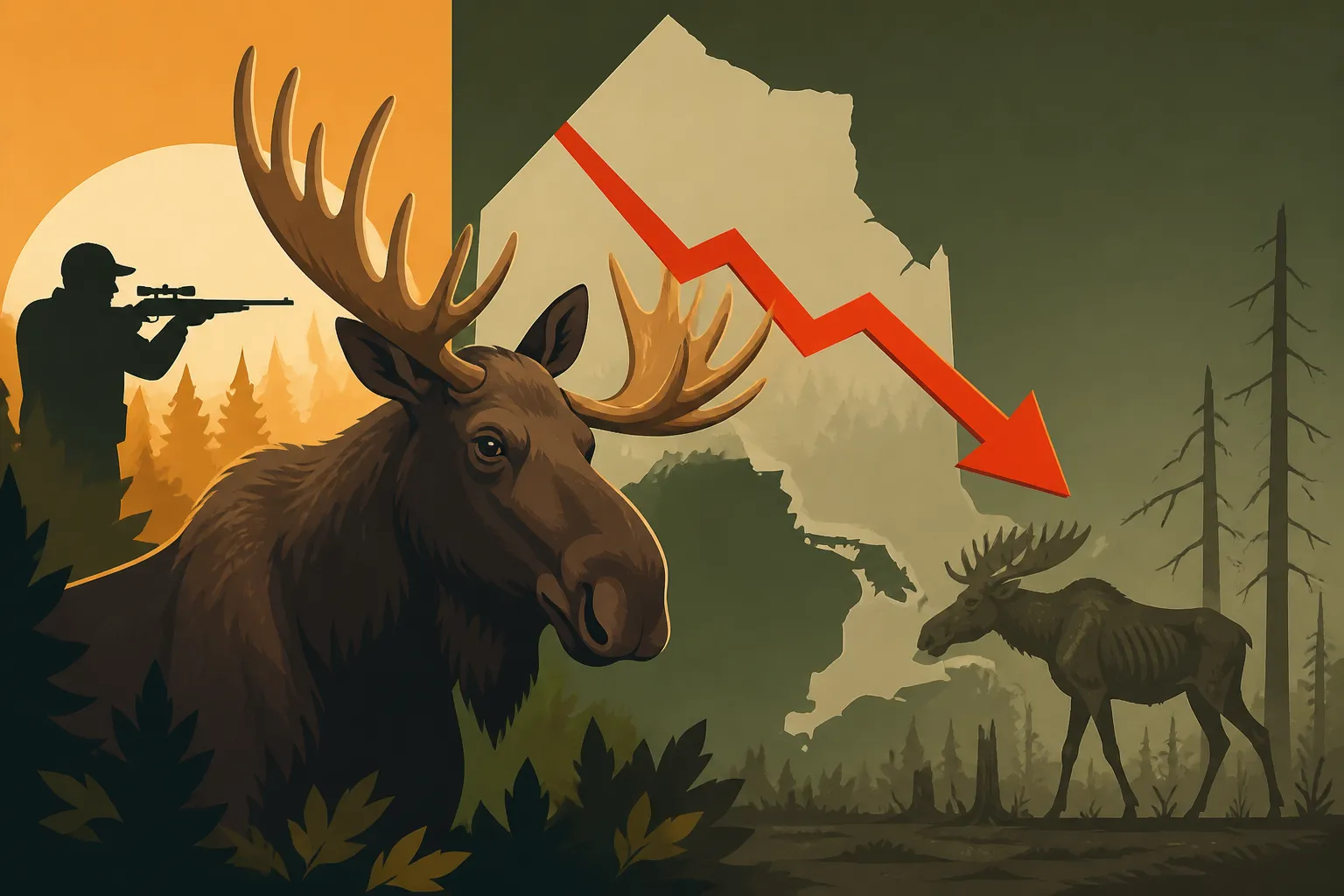
Across Ontario, the story of moose populations isn't uniform, but certain patterns are undeniable. In some Wildlife Management Units (WMUs), particularly in the southern and central parts of the moose's range, populations have seen significant drops. We're talking about areas where you might have regularly encountered moose just a couple of decades ago, and now sightings are rare, almost an event. This isn't just anecdotal; scientific surveys using aerial photography and population modeling consistently show a downward trajectory in many key regions. It’s hard to ignore when you're out there on the landscape, day after day, year after year, and the evidence is right in front of you. This shift has made securing a moose tag an even more competitive endeavor, a frustration many of us know all too well when we look at the odds in the annual draw. Understanding Ontario's Moose Population Decline is crucial for anyone invested in the future of our wildlife.
However, it's worth noting that some of the far northern, more remote WMUs still maintain relatively stable populations. These areas, often less accessible and with different environmental pressures, seem to be holding their own a bit better. This regional variation is critical because it means there isn't a single, simple answer to the decline; it's a complex puzzle with many pieces fitting together differently depending on where you are in the province.
Direct Impacts on Hunter Success Rates
Naturally, fewer moose in the bush translate directly to lower hunter success rates. This isn't just about coming home empty-handed; it's about the entire experience. The anticipation of the hunt, the hours spent scouting and calling, the sheer effort involved – it all feels a bit heavier when the odds are stacked against you. Many hunters who once consistently filled their tags now go years without success, or simply don't draw a tag in the first place. This decline affects not only the physical harvest but also the spirit of the hunt and the traditions passed down through generations.
The Ontario government, through the Ministry of Natural Resources and Forestry (MNRF), has responded to these declining numbers by adjusting tag allocations, often reducing the number of available tags or making certain WMUs harder to draw. This is a tough pill to swallow for hunters, but it's a necessary step to manage what resources we have. When you factor in the increasing number of applicants for a shrinking pool of tags, it makes applying for a moose tag a real gamble. If you’re interested in the process, diving into Ontario's Moose Tag Allocation Process can shed more light on how these decisions are made.
Winter Tick Infestations and Their Toll
One of the most visually impactful and concerning factors contributing to moose decline is the winter tick. If you've ever seen a moose heavily infested with these parasites, it's a heartbreaking sight. They can carry tens of thousands of ticks, leading to severe blood loss, malnutrition, and an intense itching that causes them to rub off large patches of their fur. This "ghost moose" appearance leaves them vulnerable to hypothermia in cold weather and susceptible to other illnesses.
The problem is exacerbated by milder winters, which allow more ticks to survive and reproduce. When winter arrives late and leaves early, the tick season lengthens, giving these tiny parasites more time to impact moose health. Calves are particularly vulnerable, often succumbing to the stress and blood loss. The sheer scale of these infestations across broad swathes of moose range makes them a significant driver of mortality, and it’s a direct consequence of our changing climate.
The Complex Web of Factors Contributing to Decline
Pinpointing a single cause for the moose population decline in Ontario is impossible; it's a multi-faceted issue, a tangled web where various environmental pressures intersect and amplify each other. Understanding this complexity is key to developing effective conservation strategies. It's not just one thing, but a perfect storm of challenges that these animals are trying to navigate.
Climate Change and Habitat Shifts
The overarching force behind many of the issues moose face is climate change. As average temperatures rise, especially in winter, moose are feeling the heat, literally. Moose are adapted to cold climates; they have thick coats and a low surface-area-to-volume ratio, making them incredibly efficient at retaining heat. However, this adaptation becomes a liability when temperatures remain above freezing for extended periods. Heat stress can cause moose to reduce their foraging, leading to malnutrition, and it can also suppress their immune systems, making them more vulnerable to disease.
Beyond direct heat stress, climate change is shifting their habitat. The southern edge of the moose range in Ontario is slowly receding northwards as boreal forests give way to more temperate species like white-tailed deer. This change is altering food sources and increasing exposure to parasites carried by deer, like brainworm, which is harmless to deer but often fatal to moose. This slow, relentless march of changing forest composition is a significant long-term threat. When we talk about Moose in Ontario's Boreal Forest, it's a reminder of how intertwined their survival is with this specific ecosystem, which is now undergoing profound changes.
Predation Pressure and Its Dynamics
Predation is a natural and healthy part of any ecosystem, but its impact on moose populations can become disproportionately high when other factors are weakening the herd. Wolves and bears are the primary predators of moose in Ontario. While a healthy moose population can generally withstand a certain level of predation, a stressed population, already grappling with climate change, ticks, and habitat loss, is far more vulnerable.
For instance, studies have shown that wolf populations often follow moose populations; as moose numbers decline, so too do the wolves, but there's a lag. During this lag period, wolf predation can exert additional pressure on an already struggling moose herd. Bears, particularly black bears, are also significant predators of moose calves, especially in the spring. If fewer calves are surviving due to ticks or poor maternal health, and then predation pressure on those remaining calves is high, recruitment into the adult population takes a serious hit. It’s a dynamic balance, and when one side is weakened, the other can tip it further.
Diseases and Parasites
Beyond the pervasive winter tick, moose in Ontario are susceptible to other diseases and parasites that can contribute to their decline. Brainworm, Parelaphostrongylus tenuis, is a major concern. As mentioned, it's carried by white-tailed deer, which are expanding their range northward due to milder winters and habitat changes. While brainworm doesn't harm deer, it's deadly to moose, causing neurological damage, disorientation, and eventually death. The overlap in habitat between deer and moose is a growing threat, and it’s incredibly difficult to manage.
Another less common but still impactful concern is liver fluke, which can affect the liver function of moose, impacting their overall health and vitality. While not as widespread or devastating as winter ticks or brainworm, these parasitic burdens add to the cumulative stress on individual animals and the population as a whole. It's a reminder that wildlife health is a complex science, and what might seem like a minor ailment can have major implications for a species already under pressure.
Habitat Loss and Fragmentation
While Ontario is vast, and much of it remains wild, habitat loss and fragmentation still play a role in moose population dynamics, particularly in the southern and central parts of their range. Development, forestry practices, and mining operations can all contribute to the reduction of prime moose habitat. When large tracts of continuous forest are broken up by roads, clearcuts, or human settlements, it creates barriers to moose movement, increases their exposure to humans, and can isolate smaller populations, making them less resilient.
Even well-managed forestry can have a mixed impact. While regenerating cutovers can provide excellent browse for moose in the years immediately following harvest, extensive clearcutting without sufficient mature forest cover nearby can displace animals and reduce essential thermal and hiding cover. The balance between sustainable resource extraction and maintaining critical wildlife habitat is a continuous challenge, and it's something many dedicated hunters, like those who might use tools from GoHunt, are keenly aware of when trying to understand game patterns.
The Impact on Hunters and Hunting Opportunities
For those of us who live for the annual moose hunt, these declines aren't just statistics; they're deeply felt realities that shape our plans, our traditions, and sometimes, our entire year. The frustrations are real, and the changes to hunting opportunities have been profound.
Stricter Tag Allocation Processes
One of the most direct and impactful consequences of declining moose populations has been the increasing difficulty in drawing a moose tag in Ontario. The provincial government, recognizing the need to manage the resource sustainably, has had to implement stricter tag allocation processes. This means fewer tags are available overall, and in many WMUs, the number of applications far outweighs the available opportunities. This has led to the highly competitive "points system" where applicants accrue points for unsuccessful draws, hoping that enough points will eventually secure them a tag. Learning How Ontario Moose Points Accumulate has become a rite of passage for hopeful hunters.
This system, while designed to provide fair opportunity over time, can be incredibly disheartening. Many hunters go years, even a decade or more, without drawing a bull tag, leading to a sense of frustration and a feeling that the rich tradition of moose hunting is slowly slipping away for the average resident. It forces a fundamental shift in how we approach moose hunting – from an annual pursuit to a long-term lottery strategy. This reality can lead people to look for Hunting a Group Moose Tag Together to pool their resources and increase their odds.
Reduced Hunt Success and Morale
Even if you're lucky enough to draw a tag, the reality on the ground often means a tougher hunt. Fewer moose in the landscape means more effort, more scouting, and often, more disappointment. The days of easily spotting moose along roadsides or in clearcuts are increasingly rare in many regions. Hunters are pushed deeper into the bush, requiring greater physical exertion and bushcraft skills. This isn't necessarily a bad thing – it harkens back to a more traditional style of hunting – but it does reflect the scarcity of the animal.
The reduced success rates can take a toll on hunter morale. Many camps that once celebrated annual harvests now rarely fill a tag. This impacts the social aspect of hunting, the camaraderie, and the economic benefit to local communities that rely on hunter dollars. The sense of anticipation and optimism, while still present, is often tempered with a more realistic, and sometimes grim, understanding of the challenges involved. It also makes those successful hunts, like Calling a Bull Moose in the Rut, even more memorable and hard-won.
Economic Ripples for Communities
The decline in moose populations and subsequent reduction in hunting opportunities has tangible economic impacts, particularly on remote and rural communities across northern Ontario. Many of these towns rely on the influx of hunters during the fall season. Local outfitters, guides, small businesses, restaurants, gas stations, and accommodations all see a significant boost from hunting tourism.
Fewer hunters, or hunters staying for shorter periods due to the difficulty of the hunt, mean less money circulating in these communities. This creates a ripple effect, impacting jobs and the overall economic health of regions that are often already struggling. It’s a stark reminder that wildlife populations aren't just about ecology; they're deeply intertwined with the social and economic fabric of our province. Outfitters who rely on moose tags for non-resident hunts, for instance, are feeling this pressure acutely.
Conservation Efforts and Management Strategies
While the challenges are significant, it's not all doom and gloom. A lot of dedicated people, from government scientists to local conservation groups and engaged hunters, are working tirelessly to understand and address the moose population decline. It’s a marathon, not a sprint, but these efforts are crucial for the future of Ontario’s moose.
Provincial Monitoring and Research Initiatives
The Ontario government, primarily through the MNRF, invests heavily in monitoring and researching moose populations. This includes aerial surveys conducted in various WMUs to estimate population size, calf survival rates, and adult sex ratios. These surveys are vital for providing the data needed to make informed management decisions, such as setting tag quotas. The MNRF also conducts ground-based studies, often involving collared animals, to track individual moose, understand their movement patterns, habitat use, and causes of mortality.
Research initiatives also focus on understanding the specific impacts of climate change, winter ticks, and brainworm. Scientists are studying everything from moose genetics to the efficacy of various habitat treatments. This kind of robust scientific data is absolutely critical; without it, we'd be flying blind. You can find more details on What Ontario Is Doing for Moose through official channels.
Habitat Improvement and Restoration Projects
Improving and restoring moose habitat is another cornerstone of conservation efforts. This often involves collaborating with forestry companies to ensure that harvesting practices consider moose needs, creating varied forest age classes that provide both browse and cover. Moose thrive in areas with a mosaic of young regenerating forests (for food) and mature stands (for cover and thermal regulation).
Projects can also involve specific interventions, such as controlled burns or targeted tree planting, to enhance key habitat components. For example, creating or maintaining early successional forests can provide a burst of high-quality forage. Protecting critical wintering areas, like dense cedar swamps or conifer stands, which offer vital cover from deep snow and cold winds, is also paramount. These efforts are often long-term and require sustained commitment, but they offer some of the most tangible benefits. This plays into strategies when Hunting Moose Off a Bush Road and understanding what habitat they are utilizing.
Adjusting Hunting Regulations and Quotas
Hunting regulations are one of the most direct tools available to wildlife managers to influence population numbers. As moose populations have declined, the MNRF has responded by reducing the number of available tags, adjusting season lengths, and sometimes closing hunts in specific WMUs where populations are particularly vulnerable. These decisions are never popular with hunters, but they are made with the long-term health of the moose population in mind.
The goal is to ensure that hunting harvest remains sustainable and doesn't contribute to further decline. This adaptive management approach means that regulations can change from year to year based on the latest population data and environmental conditions. It’s a constant balancing act between providing hunting opportunities and ensuring the future of the species. For those wondering When Primary Moose Applications Open, it's part of this regulated process.
Here's a simplified look at how some factors influence tag allocation, though real models are far more complex:
| Factor | Impact on Moose Population | Potential Effect on Tag Allocation |
|---|---|---|
| Severe Winter Tick Infestations | Decreases Survival, especially calves | Reduced tags, especially antlerless |
| Habitat Loss/Fragmentation | Reduces carrying capacity, increases stress | Reduced tags, potentially WMU closures |
| Increased Predation Pressure | High mortality, particularly calves | Reduced tags, focus on bull tags |
| Milder Winters | Increases heat stress, ticks, deer expansion | Reduced tags, tighter management |
| Successful Habitat Restoration | Increases carrying capacity, forage | Potential for stable or increased tags (long term) |
| High Hunter Success Rates (Past) | Suggests robust population | May lead to stable or increased tags (if sustainable) |
How Hunters Can Contribute to Moose Conservation
As hunters, we have a vested interest in the health of moose populations. Our role extends far beyond the harvest; we are often the first to observe changes in the field and our collective actions can make a real difference in conservation efforts. Organizations like GoHunt are key in helping hunters access and understand crucial data, allowing for more informed and responsible hunting practices.
Ethical Hunting Practices and Reporting
The foundation of hunter contribution to conservation lies in ethical and responsible hunting. This means strictly adhering to all regulations, including tag limits, season dates, and reporting requirements. Every moose harvested must be properly reported to the MNRF. This harvest data is critical for biologists to accurately assess population dynamics and make sound management decisions. Without accurate reporting, the data becomes skewed, potentially leading to less effective management.
It also means taking responsible shots, minimizing wounding loss, and ensuring a quick, humane harvest. Additionally, if you encounter sick or dead moose, especially those showing signs of severe tick infestation or neurological issues, reporting these observations to the MNRF is incredibly important. You might be the only eyes on the ground in that remote location, and your report could be a valuable piece of the research puzzle.
Supporting Research and Habitat Work
Financial and volunteer support for conservation organizations and research initiatives can have a direct impact. Many groups are actively involved in moose habitat improvement projects, disease research, or public education. Donating to or volunteering with organizations dedicated to wildlife conservation can help fund critical work that the government might not have the resources to fully cover.
Even simply purchasing your hunting licenses and tags contributes financially to wildlife management, as a portion of these fees is often dedicated to conservation programs. Beyond direct financial contributions, participating in hunter surveys or citizen science initiatives, perhaps facilitated by platforms like GoHunt that integrate mapping and data, can provide valuable boots-on-the-ground information to researchers.
Advocacy and Community Involvement
Hunters have a powerful voice in conservation. Engaging with your local elected officials, attending public consultations on wildlife management, and advocating for policies that support moose conservation can influence decision-making. Joining local hunt clubs or conservation groups is an excellent way to connect with like-minded individuals and amplify your collective voice.
Educating non-hunters about the challenges moose face, and the role of hunting in sustainable wildlife management, is also vital. There's often a misunderstanding about hunting's purpose, and sharing accurate information can help build broader public support for conservation efforts. Whether it's advocating for stricter measures against poaching or supporting programs to reduce vehicle collisions with moose, active involvement in your community and political process is a powerful way to make a difference. The more people understand the intricacies of Whitetail Hunting in Ontario alongside moose conservation, the better.
Looking Ahead: The Future of Moose in Ontario
The future of moose in Ontario is uncertain, but it’s not without hope. The challenges are formidable, rooted in large-scale environmental changes, but ongoing research, dedicated conservation efforts, and the collective commitment of hunters and the public offer pathways to recovery and resilience.
The Long Road to Recovery
Reversing the trend of moose population decline will not be a quick or easy fix. It will require a sustained, multi-generational effort. Unlike species that rebound quickly, moose have relatively low reproductive rates, meaning that even with significant improvements in survival, population growth is inherently slow. Furthermore, many of the underlying causes of decline, such as climate change, are global issues that require broad societal shifts.
However, localized successes are possible. Focused efforts on habitat improvement, stringent population management through tag allocation, and continued research into mitigation strategies for ticks and brainworm can help stabilize and, in some cases, slowly increase moose numbers in specific regions. It's about patience, perseverance, and adapting to new scientific understandings. The commitment of organizations and tools like GoHunt helps hunters stay informed and engaged in this long-term journey.
Adaptive Management in a Changing Landscape
The reality is that Ontario's landscape, and indeed the entire planet, is changing. Wildlife management must be dynamic and adaptive, constantly evolving based on new data and shifting environmental conditions. This means wildlife managers will continue to adjust hunting regulations, explore new conservation techniques, and re-evaluate strategies as the climate and ecosystems transform.
Hunters, too, must be adaptive. This might mean adjusting expectations, being willing to travel to different WMUs, or changing hunting methods. For instance, understanding Hunting Moose From a Boat or Canoe might become more relevant in some areas, or focusing on Quartering a Moose Alone in the Bush due to varying access. This flexibility, coupled with a deep respect for the resource, will be crucial for both the health of the moose population and the future of hunting in Ontario.
Hope on the Horizon?
Despite the significant challenges, there are reasons for cautious optimism. The dedicated work of researchers, conservationists, and the responsible hunting community is making a difference. Increased public awareness of these issues can lead to greater support for conservation funding and policy changes. Technological advancements in monitoring and research continue to provide new insights into moose ecology.
Ultimately, the future of Ontario’s moose depends on our collective will to protect them. It's about recognizing the intrinsic value of these magnificent animals and the vital role they play in our northern ecosystems and our cultural heritage. By working together, embracing adaptive strategies, and remaining committed to conservation principles, we can strive to ensure that future generations will still have the privilege of seeing a majestic bull moose ghosting through the boreal forest. We need to do everything we can to reverse Ontario's Moose Population Decline.
Disclaimer
The information provided in this guide is for general informational purposes only and is not intended as professional advice. Hunting regulations and wildlife populations are subject to change. Always consult the most current Ontario hunting regulations, official government resources, and qualified professionals before making any hunting or outdoor activity decisions.