Whether Ontario Has Wild Boar
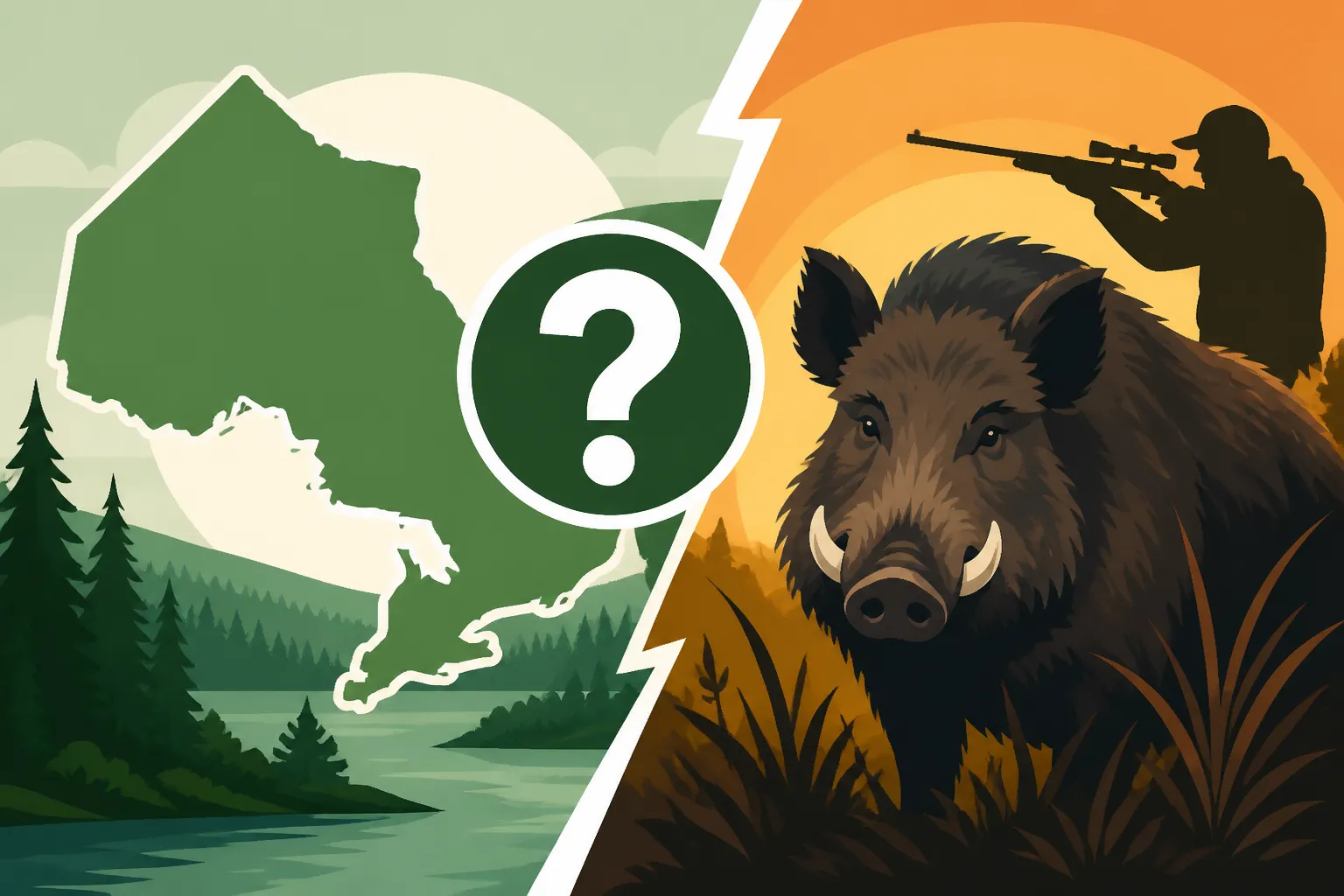
There’s a common question buzzing around the hunting community in Ontario these days, and it often comes with a bit of confusion and even frustration: do we have wild boar, and if so, can we hunt them? It's a real head-scratcher for many, especially as you hear stories from other regions. This guide is here to cut through the noise and give you the definitive lowdown on wild pigs in Ontario, why they're a problem, and what your role is as a responsible hunter.
The Truth About Wild Boar and Feral Pigs in Ontario
Let's clear the air right off the bat. Yes, Ontario does have wild pigs. But the term "wild boar" can be a bit misleading because what we're mostly dealing with here are technically "feral pigs" – domestic pigs that have escaped captivity and are now living and breeding in the wild, or hybrids of these and true Eurasian wild boar. It's a nuanced distinction, but an important one when understanding the provincial management strategy. These animals, regardless of their exact lineage, are a significant concern for our natural landscapes and agricultural communities.
Distinguishing Between Wild Boar, Feral Pigs, and Domestic Escapes
When most people think of "wild boar," they picture the hairy, tusked beasts from Europe or Asia, often associated with a thrilling, challenging hunt. These are indeed a distinct subspecies (Sus scrofa) with specific physical characteristics developed over millennia in the wild. Feral pigs, on the other hand, are genetically identical to the domestic pigs you'd find on a farm. They might start off looking like typical farm animals, but after a generation or two in the wild, they rapidly develop thicker coats, longer snouts, and often tusks, resembling their wild cousins quite closely. They become "wild" in their behaviour and appearance, adapting quickly to survive without human intervention.
In Ontario, the problem is a mix. We have some populations that originated from European wild boar released or escaped decades ago, often for hunting purposes on private preserves. More commonly, however, our wild pig populations are a result of escapes from domestic farms, including some free-range operations. These different origins lead to a varied genetic makeup, but the key takeaway is that once these animals are outside of human control and breeding on their own, they are classified as "invasive wild pigs" by the province. From an ecological and agricultural standpoint, a feral pig can cause just as much damage as a "true" wild boar, making the distinction less critical for management purposes than their wild status.
Understanding this distinction helps clarify why the province considers them an invasive species rather than just another game animal. They aren't native to Ontario and have no natural predators here that can control their booming populations effectively. Their presence disrupts native ecosystems and poses significant threats to our agricultural industry. So, while you might see a pig that looks every bit like a "boar" in the bush, its origins are likely rooted in domestic stock that has gone wild.
Where Did They Come From? A History of Introduction
The story of how wild pigs became established in Ontario is a combination of unfortunate circumstances and, in some cases, intentional actions. A significant portion of the wild pig population originates from pigs that have escaped from farms. Whether it's a broken fence, a curious pig, or even floods that carry them away, these animals are incredibly adept at surviving and thriving once they're free. They quickly revert to wild behaviours, finding food, shelter, and mates, establishing new populations with alarming speed.
Beyond accidental escapes, there's also the historical factor of European wild boar being imported to Canada for farming and, crucially, for game farms or private hunting preserves. While the intention was to keep them contained, escapes from these operations have occurred over the years. When these European wild boar escape and interbreed with escaped domestic pigs, you get hybrid populations that possess the hardiness and reproductive capabilities of both. These hybrids are particularly problematic as they combine the survival instincts of wild boar with the high reproductive rates of domestic pigs.
These introductions, both accidental and intentional, have created a complex situation. It's not a matter of a single, isolated incident but rather a cumulative effect over decades. The adaptable nature of pigs means they can survive in a wide range of habitats, from dense bush to agricultural fields, making their containment and management a continuous challenge. This history is why, when you consider hunting methods or management, it's never a simple case of just finding one or two; it's always about addressing a burgeoning, resilient population that has found a foothold in our province.
Why Wild Pigs Are a Problem for Ontario's Ecosystem and Agriculture
It's easy to think of a new animal in the landscape as just another species, but wild pigs are far from benign. They are, in fact, an ecological and agricultural nightmare, causing widespread damage wherever they establish themselves. Their destructive habits and prolific breeding capabilities make them a top priority for eradication rather than integration into our hunting seasons. This isn't just about protecting farms; it's about safeguarding Ontario's native wildlife and natural habitats.
The Environmental Damage They Cause
The primary way wild pigs wreak havoc on our environment is through their relentless rooting behaviour. Imagine a rototiller running through a forest floor or a farmer's field; that's essentially what a sounder of wild pigs can do. They use their strong snouts to dig extensively, searching for roots, tubers, grubs, and fungi. While this might sound like natural foraging, the scale of their activity is immense and deeply destructive. This rooting uproots native plants, damages tree seedlings, and destroys the delicate soil structure, leading to increased erosion and impacting water quality in nearby streams and wetlands.
Beyond physical destruction, they also compete directly with native wildlife for food resources. Deer, bear, turkey, and many other species rely on acorns, nuts, and various plant materials. Wild pigs are omnivores with voracious appetites, consuming massive amounts of these critical food sources, leaving less for our native game. This competition can put significant stress on local wildlife populations, especially during lean winter months or poor mast years. I’ve heard stories from other jurisdictions where deer numbers plummeted in areas heavily populated by wild pigs because the food sources just couldn't sustain both. What Whitetails Eat Through a Hard Winter is a stark reminder of how fragile those food chains can be. They also prey on ground-nesting birds, turtles, and even young fawns, adding another layer of predatory pressure to already vulnerable populations.
Their wallowing habits further degrade wetland areas and water bodies, stirring up sediment and contributing to nutrient runoff. Imagine a favourite duck marsh or a small pond you often jump-shoot; a group of pigs can turn it into a muddy, contaminated mess in short order. This alters the habitat, making it less suitable for waterfowl, amphibians, and other aquatic life. The sheer cumulative impact of a growing wild pig population on Ontario's diverse ecosystems is a truly frightening prospect, which is why prevention and eradication are so vital.
Disease Transmission Concerns for Wildlife and Livestock
One of the most terrifying aspects of wild pigs, and a major reason why the province is so determined to eradicate them, is their potential to act as vectors for a host of devastating diseases. These animals can carry and transmit illnesses that are incredibly harmful to both our native wildlife populations and, critically, to Ontario's domestic livestock industry. The economic and ecological consequences of a widespread disease outbreak could be catastrophic.
Diseases like African Swine Fever (ASF) and Classical Swine Fever (CSF) are particularly alarming. While currently not present in Canada, they are highly contagious and lethal to pigs. If these diseases were to establish themselves in wild pig populations, they could quickly spread to domestic pig farms, leading to massive culls, devastating economic losses for farmers, and huge disruptions to the food supply chain. The province is highly vigilant about preventing the introduction and spread of such diseases, and wild pigs represent a significant biosecurity risk. Other serious diseases they can carry include brucellosis and pseudorabies, which can cause reproductive issues and mortality in domestic pigs and cattle, and even affect humans.
Furthermore, wild pigs can transmit parasites and diseases to other wild animals. Brainworm, for example, is a parasite carried by deer that is generally harmless to them but can be lethal to moose and elk. While not directly linked to pigs, it illustrates how disease transmission between species in the wild can have cascading effects on population health. With wild pigs, there’s concern about direct transmission of diseases to deer, moose, and other native mammals, or indirect transmission through contaminated food sources and shared habitats. This constant threat of disease is why these animals are not just an annoyance but a grave danger to the health of Ontario's wildlife and the viability of our agricultural sector.
Ontario's Strategy for Managing Wild Pigs: Eradication Efforts
Given the severe threats that wild pigs pose to Ontario's environment and economy, the provincial approach is clear and unequivocal: eradication. This is not about managing a new game animal; it's about eliminating an invasive species before it becomes irreversibly established. The strategy relies heavily on public awareness, reporting, and highly targeted removal efforts, rather than recreational hunting, which can actually make the problem worse.
The "Squeal on Pigs" Program and Public Involvement
The cornerstone of Ontario's wild pig management strategy is the "Squeal on Pigs" program. This initiative is a critical public awareness campaign designed to encourage everyone, especially those who spend time outdoors, to report any sightings of wild pigs. The goal is to gather as much data as possible on where these animals are, how many there might be, and whether they are spreading to new areas. Accurate and timely reporting is the first, most crucial step in any successful eradication effort.
The program emphasizes that if you see a wild pig, you should not try to approach it, capture it, or shoot it. Instead, you're asked to report the sighting with as much detail as possible. This includes the date, time, location (GPS coordinates are ideal), number of pigs seen, and any identifying characteristics or signs. You can often report online or through a dedicated phone line, and sometimes even snap a photo or video from a safe distance. Using mapping tools, like the ones GoHunt offers, can be incredibly useful here; if you're out scouting for deer and spot pigs, marking the exact location on your app and then transferring that info to the "Squeal on Pigs" report is a huge help.
Your involvement as a hunter, hiker, or outdoor enthusiast is absolutely vital. You are often in remote areas where these animals might first appear, making your eyes and ears incredibly valuable. Think of it as being a sentinel for our natural spaces. By participating in "Squeal on Pigs," you're contributing directly to protecting our native wildlife and supporting our agricultural industry. It’s a collective effort, and every report helps build a clearer picture of the threat we face and how to best combat it.
Why Hunting is NOT the Solution for Wild Pig Control
This is often the most confusing and frustrating part for many hunters: why can't we just hunt them? It seems like a logical solution, doesn't it? Put a tag on them, open a season, and let hunters reduce their numbers. However, extensive research and experience from jurisdictions that have tried this approach have shown it to be largely ineffective, and often, even counterproductive, in an eradication context. This is a crucial distinction between managing a native game species and dealing with an invasive one.
Recreational hunting, while excellent for managing native populations like deer or moose, tends to scatter wild pigs rather than eliminate them. Pigs are intelligent and adapt quickly. When they are hunted, they become more wary, more nocturnal, and they will disperse from an area, moving into new territories to escape pressure. This dispersal actually spreads the problem, making eradication exponentially harder and costlier. Instead of concentrating them for efficient removal, hunting pushes them further into new habitats, helping them establish new breeding populations. Imagine trying to catch a handful of mice in a large barn by chasing them with a broom; you'll likely just spread them around.
Furthermore, allowing hunting can also create an incentive for some individuals to introduce wild pigs into new areas, either accidentally or intentionally, to create new hunting opportunities. This would undo all the hard work being done to eradicate them and exacerbate the issue significantly. The goal in Ontario is zero wild pigs, not a managed population. For these reasons, the province strongly advises against recreational hunting of wild pigs and instead focuses on systematic, organized removal methods. It requires a different mindset than traditional game management, prioritizing the long-term health of the ecosystem over short-term hunting opportunities.
The Role of Trap-and-Remove Programs
Since recreational hunting isn't the answer, Ontario's eradication strategy relies heavily on organized "trap-and-remove" programs. This method is considered the most effective way to eliminate entire groups of wild pigs, often referred to as "sounders." These operations are typically carried out by trained professionals, often working in coordination with landowners and government agencies. The focus is on precision and total removal of a local population.
The process often involves sophisticated trapping methods, such as large corral traps equipped with remote cameras and gates. These traps are baited, and the pigs are allowed to habituate to feeding within the trap for several days or even weeks. The goal is to ensure that an entire sounder enters the trap before the gate is triggered. This "whole sounder removal" is critical because if even a few pigs escape, they become incredibly wary, much harder to catch, and will often disperse and continue breeding, negating the effort.
These trap-and-remove programs require significant resources, expertise, and patience. They also demand precise intelligence on pig locations, which is where public reporting through programs like "Squeal on Pigs" becomes so invaluable. By targeting entire family groups, these programs aim to achieve complete local eradication, slowly chipping away at the overall wild pig population. It’s a scientific, strategic approach that acknowledges the intelligence and reproductive capabilities of these invasive animals, aiming for a permanent solution rather than temporary population control.
What Hunters Need to Know About Wild Pigs in Ontario
As members of the hunting community, we have a unique connection to the land and a responsibility to protect our wildlife and natural resources. When it comes to wild pigs in Ontario, your role is not to pursue them as game, but to be an active participant in their eradication. This means understanding the risks they pose and knowing exactly what to do if you encounter them. Your actions can make a real difference in preventing a major ecological crisis.
Reporting Sightings: Your Role in the Eradication Effort
Let's reiterate this clearly: if you see a wild pig in Ontario, report it immediately. This is the most important thing you can do. Do not attempt to engage with the animal or try to shoot it. The province’s official position is that wild pigs are an invasive species, and recreational hunting can hinder, rather than help, eradication efforts. Think of it less like hunting game and more like reporting a dangerous invasive pest, akin to identifying a destructive insect species in your garden.
When you make a report, provide as much detail as possible. This includes the precise location (GPS coordinates are incredibly helpful here, which you can often get from your phone or hunting app like GoHunt), the date and time of the sighting, how many pigs you saw, their size, and any distinct markings or behaviours. If you can safely take a photo or video from a distance without disturbing the animals, that can be extremely valuable for identification and confirmation. Remember, the goal is to provide information to professionals who can then implement targeted trap-and-remove strategies. It’s about intelligence gathering to support the Ontario's Wild Pig Eradication Effort. Every piece of information helps authorities understand their spread and density.
This proactive reporting is crucial for preventing wild pigs from becoming established across the province. You, as a hunter, are often in areas far off the beaten path, places where these animals might first establish a foothold. Your vigilance is a powerful tool in protecting our native deer, moose, bear, and other wildlife from competition and disease.
Preventing Further Introductions and Escapes
Beyond reporting, preventing new wild pig introductions and escapes is paramount. This requires vigilance from farmers, landowners, and anyone involved with livestock. Secure fencing is critical for domestic pig operations to prevent accidental escapes. Farmers are encouraged to inspect fences regularly and take immediate action if any pigs get out. Education around the risks of releasing or harboring wild pigs, even for recreational hunting purposes, is also a continuous effort. Ontario Penalties for Hunting Violations can be severe for those who disregard these rules.
For hunters, this also means being mindful of your actions if you're ever visiting areas where wild pigs are hunted in other provinces or states. Ensure your gear, boots, and vehicle are clean of any soil or organic material that could inadvertently transport diseases or even viable plant seeds from one region to another. While the immediate risk of carrying a piglet across a border might seem remote, the principle of biosecurity is critical when dealing with invasive species. Always be aware of local regulations, whether you're bringing firearms into Ontario or dealing with game meat.
The collective responsibility for preventing further introductions rests with everyone. If you hear of someone considering importing pigs for a "hunting preserve" or if you come across an operation that seems to be lax on biosecurity, it's worth reporting your concerns to the appropriate authorities. Protecting our natural environment from this invasive threat requires a community-wide commitment to responsible practices.
Health and Safety Considerations if You Encounter a Wild Pig
While the primary directive is to report and not engage, it's still wise to understand potential health and safety considerations if you unexpectedly encounter wild pigs. Like any wild animal, they can be unpredictable, especially if cornered, injured, or if a sow is protecting her piglets. They possess sharp tusks and can move surprisingly fast, so maintaining a safe distance is always the best policy. Treat them with the same respect and caution you would any large, potentially dangerous animal like a bear or moose.
Beyond direct physical threats, remember the serious disease risks associated with wild pigs. If you come across a dead wild pig, do not touch it. Report its location to the "Squeal on Pigs" program, as authorities will want to investigate the cause of death and test for diseases. If you accidentally come into contact with a carcass or live animal, practice good hygiene by washing your hands thoroughly with soap and water and cleaning any gear that may have been exposed. This awareness is important not just for your personal safety but also for preventing the potential spread of any pathogens.
Understanding these risks reinforces why the provincial strategy focuses on eradication by professionals. It's about minimizing risk to the public, protecting native wildlife, and safeguarding our agricultural economy. Your role as a hunter who spends time in the bush means you are an important partner in this critical conservation effort. By being informed and reporting sightings, you're doing your part to keep Ontario's wild spaces healthy and free from this destructive invasive species.
Disclaimer
This article is for general informational purposes only and does not constitute professional advice. Laws, prices and regulations vary by location and change over time. Consult a qualified professional for guidance on your specific situation.