Hunting a Rock Ridge in Shield Country
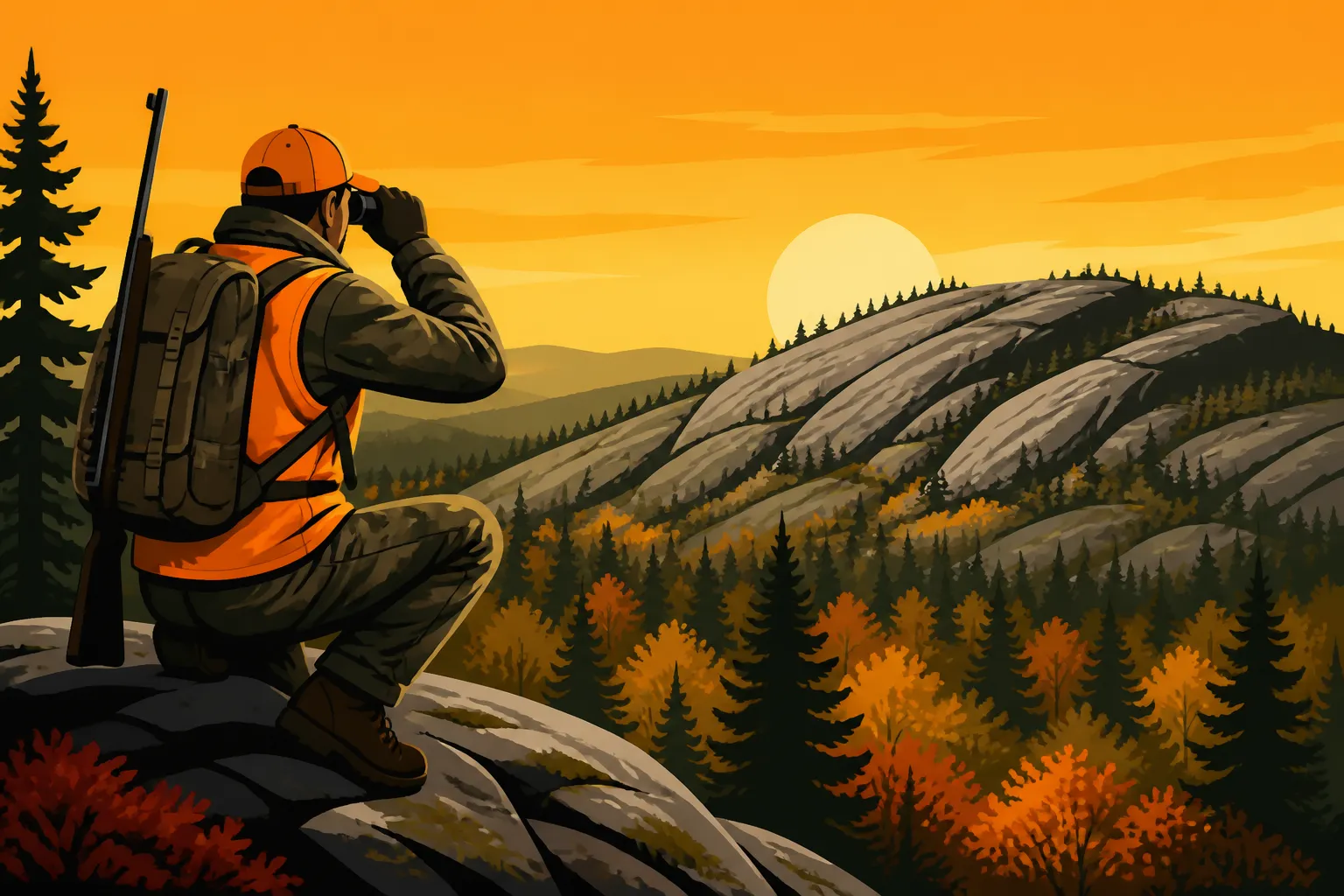
Hunting the Canadian Shield, especially those ancient, rugged rock ridges, can be an incredibly humbling experience. You’re often faced with vast, unforgiving terrain where game animals seem to vanish into thin air, leaving many hunters frustrated and questioning their approach. But let me tell you, those very ridges that challenge us are also key highways and hideouts for some of Ontario’s most sought-after game. This guide will dive deep into understanding these unique environments, how to scout them effectively, and the best strategies to make your hunt on a rock ridge a successful one.
Unpacking the Canadian Shield Landscape and Its Game
When you talk about "Shield Country," you’re really talking about a geological masterpiece – billions of years old, scraped clean by glaciers, and left with a bedrock backbone. It's not the soft, agricultural land of southern Ontario; it’s a rugged, often unforgiving landscape of granite, mixed forests, and countless lakes and swamps. This unique topography dictates everything, from how animals move to where they find food, cover, and refuge from hunting pressure. Understanding this foundation is crucial before you even think about stepping into the bush.
The Geology of Rock Ridges and What It Means for Wildlife
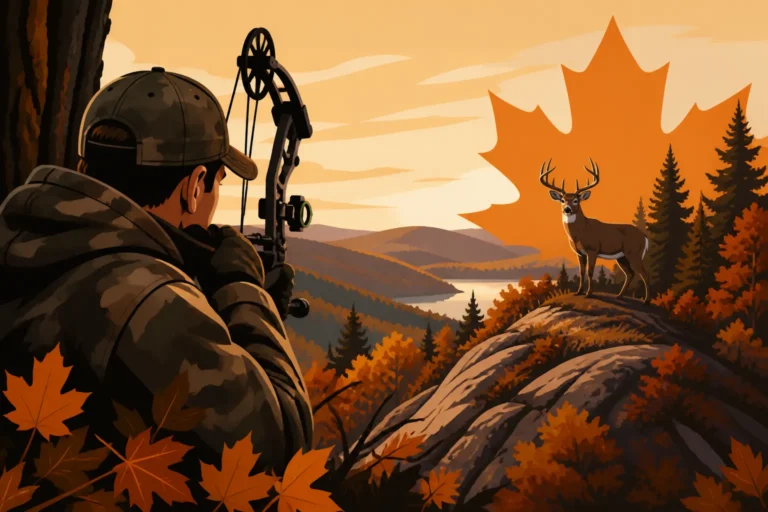
These rock ridges aren't just random bumps on the landscape. They are ancient, exposed granite, often running for miles, providing natural elevation changes that create distinct microclimates and vegetation zones. On the south-facing slopes, you might find drier, more open stands of pine, while the north-facing slopes, retaining more moisture, could be dense with cedar, balsam fir, and spruce. Between these ridges, you often find wetlands, beaver ponds, and low-lying areas. This varied habitat is a buffet and a sanctuary for everything from whitetails to moose.
Think about it: a whitetail deer doesn't want to slog through a boggy cedar swamp any more than you do, especially if there's an easier path. Those dry, elevated rock ridges become natural travel corridors. They offer better visibility, drier footing, and an escape from the snow that accumulates deeper in the lowlands. Moose, while more at home in the wet stuff, will still use the edges of these ridges to access browse, move between feeding areas, or even bed down in dense cover just off the crest. Understanding these subtle shifts in terrain, vegetation, and how they relate to game movement is your first step to success. It’s all about putting yourself in their hooves, or paws, as it were.
Key Game Species Utilizing Shield Country Ridges
While the Shield is vast, certain species thrive there, and the rock ridges play a pivotal role in their daily lives.
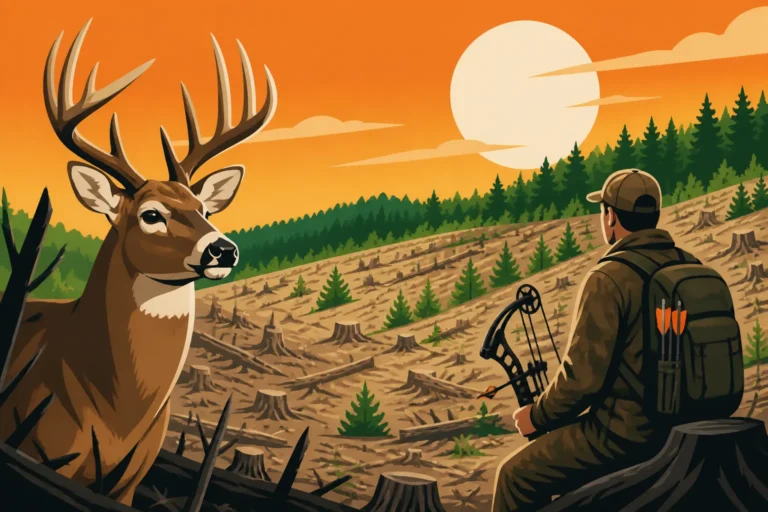
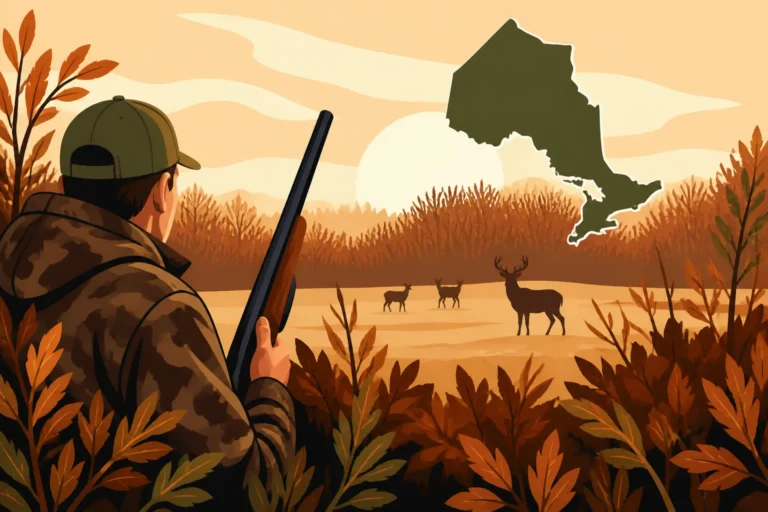
- White-tailed Deer: In the northern parts of the Shield, whitetails are truly masters of adaptation. They use these ridges extensively for travel, especially during the colder months when snow pushes them out of low-lying areas. The south-facing slopes, catching more sun, can be critical wintering areas, offering browse and less snow accumulation. During the rut, bucks will cruise these ridges, scent-checking for does, creating scrapes and rubs along the way. Learning to identify these signs is key to Reading Whitetail Sign in Ontario Hardwoods. You might not find as many deer as in agricultural areas, but the ones you do find are often hardy, big-bodied animals that know how to survive in tough country. Knowing What a Big Ontario Whitetail Weighs will give you a good benchmark for what these magnificent animals are capable of.
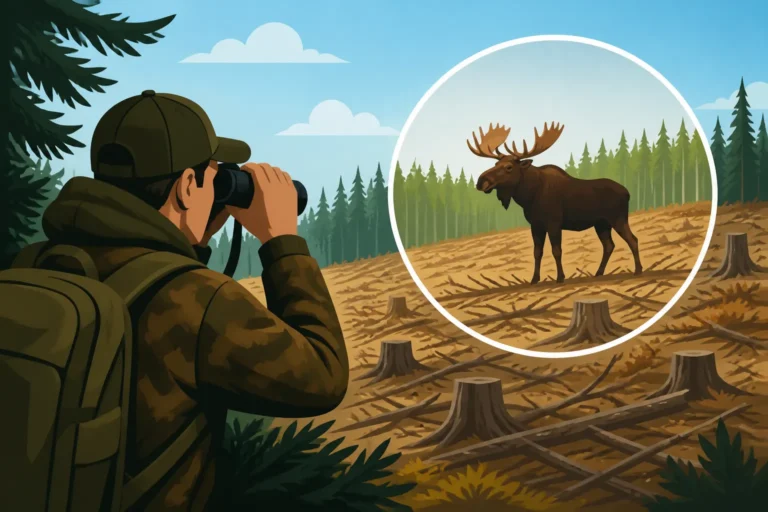
- Moose: Ah, the kings of the boreal forest! While moose often favour the dense cover and abundant forage of wetlands and young growth, those rock ridges aren't ignored. They often parallel low-lying areas or act as boundaries between different habitat types. Moose will use the sides of ridges to escape biting insects in summer, or to access higher ground for better visibility when moving through new territory. During the fall rut, a bull might stage on a ridge overlooking a beaver pond, calling for cows, or use the dense timber on a north slope for bedding. Understanding What a Big Bull Moose Weighs also highlights the challenge of getting one out of this rugged terrain.
- Black Bears: Ontario's black bears are abundant in Shield country, and rock ridges provide excellent habitat. They offer denning sites in rocky crevices or under large boulders, and the varied vegetation can provide a smorgasbord of berries, nuts, and grubs depending on the season. Bears will use these elevated features to travel between food sources or to get to areas of thick cover for bedding. You might find claw marks on trees or scat along a well-used game trail on a ridge.
Scouting Rock Ridges for Success
Effective scouting in Shield Country isn't just about walking around hoping to stumble upon something. It requires a strategic, multi-layered approach, combining digital tools with boots-on-the-ground effort. This rugged terrain demands a commitment to understanding the nuances of the land before the hunt even begins.
Using Topographical Maps and Satellite Imagery to Your Advantage
Before you even step foot in the bush, your best friends are detailed topographical maps and satellite imagery. Tools like GoHunt's mapping features or other excellent platforms are invaluable here. They allow you to virtually explore vast areas, identify promising rock ridges, and understand their relation to other key habitat features like swamps, lakes, and logging cuts.
Start by looking for the highest elevations and how they connect. Are there long, unbroken ridges that could serve as natural travel corridors? Do they lead from dense bedding cover to potential feeding areas? Pay close attention to saddles or natural dips in the ridge line – these are often funnel points where animals will cross. Look for pinch points where a ridge narrows between two impassable swamps or bodies of water. These are gold mines for stand placement. Also, use the imagery to identify different forest types on the ridges. Dense conifer stands on north slopes for thermal cover, or more open hardwoods on south slopes that might have acorns or other browse. You can spend hours doing this from the comfort of your home, marking potential spots and access routes, which is a key part of Scouting With Satellite Imagery in Ontario. Don't forget to cross-reference this with WMU boundaries using Reading an Ontario WMU Map Before You Go.
On-the-Ground Reconnaissance: What to Look For
Once you've identified promising areas on your maps, it's time to hit the ground. Be prepared for a physical challenge; traversing these ridges can be tough. But the sign you find directly tells the story of how game uses the land.
- Trails and Rubs: Look for well-worn game trails along the top and sides of the ridges. Whitetails often prefer trails just off the crest, where they can still see over the top but remain slightly concealed. Moose trails will be larger and more heavily used, often leading to water sources or browse. During the rut, keep an eye out for fresh rubs and scrapes, especially on smaller trees along the ridge lines. These tell you a buck or bull is actively working the area.
- Bedding Areas: Game animals will often bed just off the crest of a ridge on the downwind side, giving them a commanding view of the terrain below while relying on their nose to detect anything approaching from above. Look for flattened grass or leaves, or areas of thick cover (like a stand of young spruce) that offer protection from the elements. South-facing slopes are often preferred bedding areas in colder weather for their sun exposure.
- Food Sources: While rock ridges themselves might not be prime feeding grounds, look for specific trees or shrubs that provide forage. Oak trees on drier slopes can drop acorns, a deer magnet. Stands of poplar or birch often have bark scraped by moose. Keep an eye out for berry bushes. Game will travel along ridges to get to these food sources in adjacent lowlands or valleys.
- Water Access: Though ridges are elevated, animals need water. Look for trails leading down from the ridge to springs, small ponds, or creek beds in the valleys below. These watering points can be excellent ambush spots, particularly in drier fall conditions.
Effective Hunting Strategies for Rocky Terrain
Hunting rock ridges isn't like hunting flat timber or open fields. It requires a nuanced approach, careful attention to wind, and a willingness to adapt. The tactics you employ will depend heavily on the species you're pursuing and the specific features of the ridge.
Stand Placement and Still-Hunting Techniques
Whether you're planning a stand hunt or still-hunting, understanding the unique characteristics of rock ridges is paramount.
- Stand Placement: When selecting a stand location, consider natural funnels such as saddles, pinch points, or where multiple game trails converge. Look for trees that offer good concealment and a clear shot lane without over-exposing yourself. Often, setting up just off the main trail or crest of the ridge, slightly downwind, is more effective than directly on it. This allows deer or moose to pass naturally without feeling pressured. Consider thermals – cold air sinks into valleys in the morning and evening, while warm air rises up the slopes during the day. Your stand placement needs to account for this. For example, in the morning, a stand overlooking a valley from halfway up a ridge might be good, as thermals pull your scent downwards. In the afternoon, a stand higher up, with your scent blowing over the crest, could work better. This is especially critical during the peak of Hunting the Rut in Early to Mid November for deer or When Ontario's Moose Rut Peaks when animals are moving more frequently and less cautiously.
- Still-Hunting: This is often the most productive method in rugged Shield country, especially if you enjoy covering ground. The key is to move incredibly slowly, pausing frequently to observe, listen, and glass your surroundings. Utilize the terrain to your advantage: walk just below the crest of a ridge to remain concealed, peeking over at strategic points. Use the wind to your favour, always moving into it or with a crosswind. The noisy, crunchy leaves on these ridges can be a challenge, so focus on moving during windy conditions or immediately after a rain or light snow, when the forest floor is quieter. Pay attention to every sound – a subtle twig snap, the rustle of leaves, a distant grunt. Every step should be deliberate. When still-hunting for moose, target areas with fresh browse or around beaver ponds connected by these ridges, as they are often more concentrated.
Utilizing Wind and Thermals in Hilly Terrain
Wind and thermals are your biggest allies or worst enemies in any hunting scenario, but especially in the undulating landscape of rock ridges. Your scent will travel, and if it drifts into an animal's nose, your hunt is likely over.
- Understanding Wind Direction: Always know the prevailing wind direction and how it interacts with the terrain. Wind often "sweeps" over the top of a ridge, creating unpredictable eddies and swirls on the leeward side. Before you commit to a stand or a still-hunting path, take the time to observe the wind with a powder bottle or milkweed seeds. Your GoHunt app or other weather tools can give you a general idea, but local terrain can change everything.
- Thermal Dynamics: Thermals are air currents caused by temperature changes. As mentioned, in the morning, cooler, heavier air sinks into valleys, creating a downdraft. As the sun warms the earth, air begins to rise, creating an updraft. This means your scent will typically be pulled downwards in the morning and pushed upwards in the afternoon. On a rock ridge, these thermals can be incredibly strong. Plan your approach and exit routes to avoid blowing your scent into active game areas. For example, approaching a morning stand from below the ridge, with the thermals pulling your scent down and away from the ridge crest, would be ideal. In the evening, approaching from above, allowing thermals to carry your scent over the top of the ridge, might be better. This constant awareness is vital, particularly when pursuing game like those elusive creatures in Hunting Deer in Ontario's Mixed Forest.
Tracking and Recovering Game in Rugged Country
The satisfaction of a successful shot can quickly turn to dread if you’re faced with a tough recovery in Shield country. The rough terrain, thick cover, and potential for rock falls make tracking and recovery a significant challenge.
- Shot Placement is Paramount: In this kind of country, aim for perfect shot placement. A marginal hit means a much longer, harder, and potentially unsuccessful track. If you’re Rifle Hunting Ontario's Deer Season or Moose Hunting Ontario's Northern Bush, ensure you have a stable rest and are confident in your shot. Wait for the best possible angle.
- Marking the Spot: Immediately after the shot, mark the exact spot where the animal was standing and the direction it ran. Use a piece of blaze orange ribbon, your hat, or a prominent landmark. Take mental notes of any distinguishing features. This prevents you from getting disoriented in the chaos of the moment.
- Patience is a Virtue: Unless you see the animal drop, give it time. For deer, at least 30 minutes for a good hit, and several hours for a questionable hit. For moose, often longer. This allows the animal to lay down and expire, reducing the chance of a longer, more difficult track.
- Systematic Tracking: Start at the shot site. Look for blood, hair, bone fragments, and disturbed earth. Track slowly and deliberately, marking each piece of sign with ribbon. If you lose the trail, spread out and search in concentric circles. Look for subtle cues – a turned leaf, a broken twig, a disturbed rock. If the trail is sparse, move in the direction of travel, searching for any break in the natural pattern.
- Calling for Backup: Don't be afraid to call a friend or another hunter for help. An extra set of eyes can make all the difference, especially as daylight fades. Remember the ethical obligation to recover any animal you shoot. Recovering game in this rugged landscape can be brutal, and having a Truck Kit for a Northern Ontario Hunt with extra flagging tape, headlamps, and game bags is essential.
Gear Considerations for Shield Country Hunting
Hunting the rock ridges of the Canadian Shield isn't for the faint of heart, or the ill-prepared. The right gear can make the difference between a miserable, potentially dangerous trip and a successful, enjoyable one. You need equipment that can stand up to rough terrain, variable weather, and long hours in the bush.
Footwear and Clothing for Rugged Terrain
Your feet and your comfort level are paramount in this kind of country. Blisters or inadequate clothing can end a hunt quickly.
- Robust Footwear: Forget your casual hunting boots. You need sturdy, waterproof boots with excellent ankle support and stiff soles. Hiking boots designed for rocky, uneven terrain are often a better choice than softer, flexible hunting boots. Look for boots that are insulated if you're hunting in late fall or winter, but breathable if you're in the warmer early seasons. Brands like Kenetrek, Meindl, or Schnee's are popular for a reason – they’re built for this. Having good Boots for Wet Ontario Bush is critical.
- Layered Clothing: The Shield can experience rapid temperature swings. A layering system is crucial. Start with a moisture-wicking base layer (merino wool or synthetic). Add an insulating mid-layer (fleece or puffy jacket), and top it with a durable, waterproof, and windproof outer shell. Blaze orange is required for most big game seasons in Ontario, so ensure your outer layers meet the Ontario Blaze Orange Requirements. Avoid cotton, which retains moisture and can chill you quickly if you get wet.
- Durable Pants: Your pants will take a beating from rocks, brush, and fallen timber. Look for durable, rip-resistant materials. A good pair of hunting or hiking pants with reinforced knees and seat will save you a lot of discomfort and extend the life of your gear.
Essential Navigation and Safety Equipment
Getting turned around in the vastness of the Shield is easier than you think. Proper navigation and safety gear are non-negotiable.
- GPS Device and Map/Compass: A handheld GPS unit (like a Garmin inReach, which also offers satellite communication) is your primary navigation tool. But never rely solely on electronics. Always carry a physical map of your WMU (from your GoHunt scouting) and a compass, and know how to use them. Mark your truck, stand locations, and any significant landmarks.
- Communication Device: Cell service is spotty at best in many parts of the Shield. A satellite messenger (like an inReach or Zoleo) is a lifesaver for emergencies or just to check in with loved ones. A fully charged power bank to keep your devices alive is also a must.
- First-Aid Kit: A comprehensive kit capable of handling cuts, sprains, blisters, and other common bush injuries. Know how to use everything in it.
- Headlamp/Flashlight: Even if you plan to be out of the woods by dark, always carry a reliable headlamp with spare batteries. Recovering an animal or simply walking out can take longer than anticipated.
- Fire Starting Kit: Waterproof matches, a lighter, and fire-starting material are essential for survival if you get unexpectedly stuck overnight.
- Knife/Multi-tool: A sharp hunting knife is indispensable for field dressing. A multi-tool can handle various minor repairs.
Specialized Gear for Hunting Rocky Ridges
Beyond the basics, a few specialized items can significantly improve your effectiveness and comfort.
- Trekking Poles: These are a game-changer for navigating steep, uneven, and rocky terrain. They provide stability, reduce strain on your knees, and can help you test uncertain footing.
- Quality Optics: Good binoculars (8×42 or 10×42) are essential for glassing distant slopes and spotting subtle movement or game sign from a distance. A spotting scope might be overkill unless you're covering extremely vast, open areas.
- Comfortable Pack: You'll be carrying water, snacks, extra layers, and potentially game meat. A well-fitting, comfortable pack with a good frame is vital. Consider one with a meat shelf for easier extraction if you're after larger game like moose or bear.
- Game Cart/Hauling Sled: Depending on the size of game and the terrain, a game cart with sturdy wheels can be a lifesaver for moving deer. For moose, a heavy-duty sled might be more practical, especially if snow is present, but quartering the animal is often the only realistic option in true Shield bush.
Hunting rock ridges in Ontario’s Shield country is a challenging but incredibly rewarding pursuit. It demands respect for the land, meticulous preparation, and a willingness to adapt. By understanding the unique dynamics of this ancient landscape and equipping yourself with the right knowledge and gear, you'll be well on your way to a memorable hunt.
Disclaimer
Hunting involves inherent risks, and conditions in the wilderness can change rapidly. This guide provides general information and strategies, but it is not a substitute for personal research, proper training, and adherence to all local and provincial hunting regulations. Always prioritize safety, consult the official Ontario Hunting Regulations Summary, and consider taking a certified hunter education course before heading into the field.