Hunting an Ontario Bush Edge
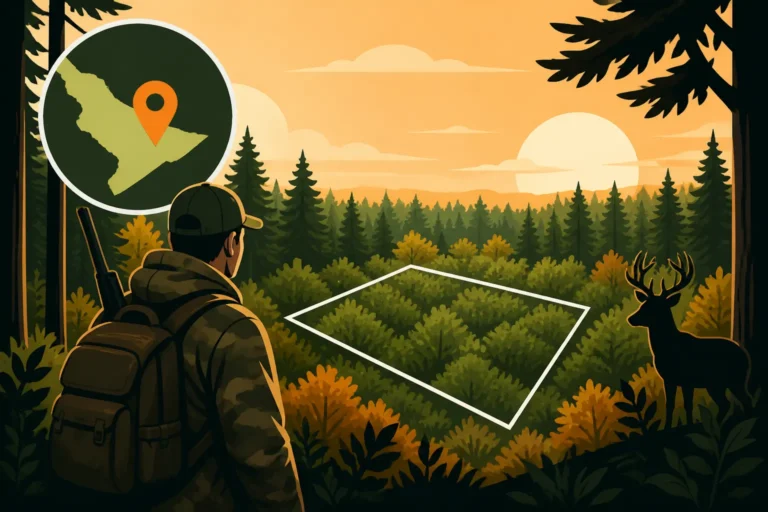
There’s a common frustration for so many Ontario hunters: you’ve found a promising piece of woods, maybe even spotted some deer sign, but actually connecting with a deer feels like chasing ghosts. The vastness of our bush can be overwhelming, making it tough to pinpoint where deer will consistently be. This comprehensive guide is all about simplifying that challenge by focusing on one of the most consistently productive areas for whitetails: the bush edge. We'll explore why these transition zones are so critical and how you can effectively hunt them to tip the odds in your favour.
Why Bush Edges Are Whitetail Magnets in Ontario
When you really start to pay attention, it becomes clear that deer, especially whitetails, are creatures of transition. They thrive where different habitats meet, creating a dynamic environment that offers both security and sustenance. This "edge effect" is not just some fancy theory; it's a fundamental principle of wildlife management that you can leverage in your hunting strategy across Ontario.
The "Edge Effect" Explained
Think about what a deer needs: food, water, and cover. A dense, uniform forest might offer excellent cover, but food sources might be limited or spread out. An open field might have abundant food, but offers zero security. The bush edge is where these two worlds collide, creating a narrow strip that provides the best of both. Deer can browse on nutrient-rich agricultural crops or succulent new growth in a field, then instantly slip back into the dense bush for concealment and bedding. This constant access to both necessities, often within just a few yards, is what makes these zones so incredibly attractive to them. It's their perfect supermarket with an attached bedroom and escape route.
Furthermore, these edges often present subtle changes in topography, vegetation, and microclimates that deer exploit. A slight rise, a denser cluster of evergreens, or even a dip that collects moisture can become a preferred bedding or staging area right along the edge. Understanding this means you're not just looking at a line on a map, but a complex, living corridor that deer rely on daily, and sometimes hourly, depending on the time of year and hunting pressure.
Natural Funnels and Travel Corridors
Beyond the immediate food and cover, bush edges naturally create movement patterns. Deer, like all animals, are efficient. They'll take the path of least resistance or the most secure route between their bedding and feeding areas. Often, these paths run directly along the edge. Imagine a sprawling agricultural field meeting a thick woodlot. Deer moving from one side of the field to the other, or from a distant bedding area to the field, will often hug the treeline. It offers them security, keeping them hidden from predators and human activity in the open field.
These edges act as natural funnels, concentrating deer movement into predictable lanes. A narrow strip of bush between two fields, a fence line grown up with shrubs and small trees, or even a distinct bend in the timberline can become a superhighway for deer. During the rut, these funnels become even more critical as bucks cruise the edges searching for does, checking scrapes and rubs that dot these transition zones. It’s where the girls hang out, so the boys are sure to follow. Recognizing these natural funnels is a key part of effective Scouting a Wildlife Management Unit and will significantly increase your chances of intercepting a deer.
Identifying Productive Bush Edges Across Ontario's Diverse Landscapes
Ontario is a huge province, stretching from the dense boreal forests of the north to the fertile farmlands of the south. While the principle of the "edge effect" holds true everywhere, the specific characteristics of a bush edge will vary greatly depending on where you're hunting. Learning to read these different landscapes is crucial for success.
Farmland and Forest Intersections
In southern and central Ontario, where agriculture dominates much of the landscape, the most common and often most productive bush edges are found where crop fields meet woodlots. These can be hardwood stands, pine plantations, or mixed bush. Deer use these edges extensively, especially during low-light hours. They'll stage in the timber just inside the treeline before entering a corn, soybean, or winter wheat field to feed under the cover of darkness. In the mornings, they'll reverse the process, retreating into the woods as daylight breaks.
Think about a Hunting a Standing Corn Field Edge. That corn offers incredible cover and food, but the deer don't live in it all day. They'll use the adjacent bush edge for bedding, security, and travel. Look for subtle transitions: a ditch line, a small creek, or a slight elevation change where deer might prefer to cross or enter the field. These aren't always big, dramatic features, but deer notice them. Similarly, Hunting Deer in Southern Ontario Farmland often means focusing your efforts directly on these interfaces where agricultural abundance meets forest sanctuary. The sheer density of deer in these areas, bolstered by nutrient-rich diets, contributes to Why Southern Ontario Grows Heavy Bucks.
Crown Land Edges: Bush Meeting Water or Burn
Venturing into Ontario's vast Crown Land, especially in northern and central regions, bush edges take on a different character. Here, you won't always find crop fields. Instead, look for edges where the forest meets water bodies like lakes, rivers, or beaver ponds. These aquatic edges provide deer with both a travel corridor and access to water and unique vegetation like aquatic plants, sedges, or willow thickets that grow along shorelines. A Hunting a Beaver Meadow Crossing can be an incredibly productive spot, as deer funnel through these relatively open areas to cross waterways or access new feeding grounds.
Another significant type of edge on Crown Land is where the forest meets a burn area or a clear-cut. While a fresh clear-cut can look barren, after a few years, it becomes a haven of new growth – young saplings, shrubs, and grasses – all prime deer browse. The edge between this regenerating clear-cut and the mature, older forest offers deer dense cover right next to a buffet of food. These edges can be especially hot spots, as deer move back and forth, utilizing the cover of the older forest and the feeding opportunities of the newer growth. The boundaries of old logging roads or traplines also create linear edges that deer often follow.
Transition Zones in Mixed Forests
Even within a seemingly uniform forest, distinct bush edges exist. These are often transition zones between different forest types. For example, where a dense cedar swamp meets a more open hardwood ridge. Deer will use the deep cover of the Hunting a Cedar Swamp Edge for bedding and thermal regulation, especially in colder weather, then move up to browse on acorns or other forage on the hardwood ridge. This creates an invisible edge that is just as important as a field edge.
Similarly, an edge might exist where a dense pine plantation transitions into an open mixed woodlot. The pines offer extreme thermal cover and visual obscurity, while the mixed woods provide more diverse food sources. These internal edges require a keen eye and often a good understanding of a deer's behaviour in relation to different vegetation types. Hunting Deer in Ontario's Mixed Forest is all about discerning these subtle yet critical habitat shifts. Using tools like GoHunt's satellite imagery can help you identify these transitions, even when you're still at home planning your trip, allowing you to mark potential hotspots before your boots hit the ground.
| Edge Type | Primary Attractors | Best Hunting Times | Ideal Tactics | Notes |
|---|---|---|---|---|
| Farmland/Woodlot | Crops (corn, beans), dense cover | Early Morning/Late Evening | Stand hunting, ambush, scent control | High deer density, high pressure in some areas |
| Water/Bush | Water, aquatic browse, travel | Mid-day cruising, Rut | Stand hunting, still-hunting | Natural funnels, less pressure than farmland |
| Burn/Clear-cut/Mature | New growth, security, thermal | All day (during rut) | Stand hunting, still-hunting, drives | Excellent food/cover mix, can be remote |
| Hardwood/Cedar Swamp | Browse, thermal cover | All day (cold weather) | Stand hunting, still-hunting | Key for wintering deer, good during late season |
| Pine Plantation/Mixed | Thermal cover, diverse browse | All day (cold weather) | Stand hunting, still-hunting | Good for bedding deer, low visibility |
Mastering Pre-Season Scouting for Ontario Bush Edges
Effective scouting is the backbone of any successful hunting strategy, and when it comes to bush edges, it's absolutely paramount. You can't just show up on opening day and expect to find the sweet spot. Pre-season work, and even in-season adaptation, will be your biggest allies.
Reading Sign: Rubs, Scrapes, and Trails
The most obvious signs to look for along any bush edge are deer trails. These well-worn paths indicate consistent travel. Pay attention to their direction: where do they lead? Do they enter a feeding area? Are they connecting bedding cover to a water source? Look for multiple trails converging, indicating a pinch point or a primary travel corridor. Heavy trails entering a field from a specific part of the woods are gold.
Beyond trails, fresh rubs and scrapes are clear indicators of recent deer activity, especially from bucks. Rubs, where bucks strip bark off saplings, show dominance and mark territory. Scrapes, patches of bare earth where bucks paw the ground, urinate, and sometimes rub overhead branches, are communication hubs. Finding a series of fresh rubs and scrapes along an edge, particularly where a smaller finger of timber juts out into a field, tells you that deer are actively using that specific section. Reading Whitetail Sign in Ontario Hardwoods along an edge will give you vital clues about the size of deer in the area and their movement patterns. Fresh droppings and even old bedding areas, which appear as flattened depressions in the leaves or grass, also contribute to the story of how deer are utilizing that edge.
Using Technology for Edge Detection
In today's hunting world, technology can give you a serious leg up. Satellite imagery, often available through apps like GoHunt, is an incredible tool for pre-scouting bush edges. From your couch, you can pinpoint the exact locations where different habitats meet: fields transitioning into forests, dense stands of evergreens meeting open hardwoods, or bush lines bordering swamps and water bodies. Look for distinct changes in tree cover, field patterns, and even topographical features that might create natural funnels.
Once you've identified potential hotspots on a map, use GPS waypoints to mark them. When you get into the field, these waypoints will guide you directly to these promising locations, saving you valuable time. Trail cameras are another invaluable piece of tech for edges. Place them on well-used trails or over active scrapes along an edge. The photos will confirm deer presence, tell you what time they're moving, and even help you identify specific bucks using the area. This real-time intelligence is invaluable for refining your stand placement and hunting times.
Understanding Seasonal Deer Movement Patterns
Deer movements along a bush edge aren't static; they shift throughout the hunting season, influenced by food availability, weather, and the rut. Early in the season (September-early October), deer are often predictable, moving between summer bedding areas and consistent food sources, such as clover fields or standing crops. Targeting these routine movements along the edges can be very effective.
As the pre-rut kicks in (late October-early November), bucks become more active, cruising edges looking for the first receptive does. This is a prime time to be on a funneling edge, especially in the mornings and evenings. When Hunting the Rut in Early to Mid November, you'll find bucks are much less predictable, sometimes moving through edges at midday. Later in the season (late November-December), deer become more focused on cold weather bedding and food sources. Edges adjacent to cedar swamps or other thermal cover, particularly those leading to remaining food sources like brassicas or leftover corn, become crucial. Understanding these seasonal shifts allows you to adapt your strategy and pick the most productive edges for the time of year.
Effective Hunting Strategies for Ontario Bush Edges
Once you've done your scouting and understand the dynamics of a particular bush edge, it's time to put a strategy into action. Whether you prefer to sit tight or move through the woods, there are effective ways to hunt these high-traffic zones.
Stand Hunting and Ambush Tactics
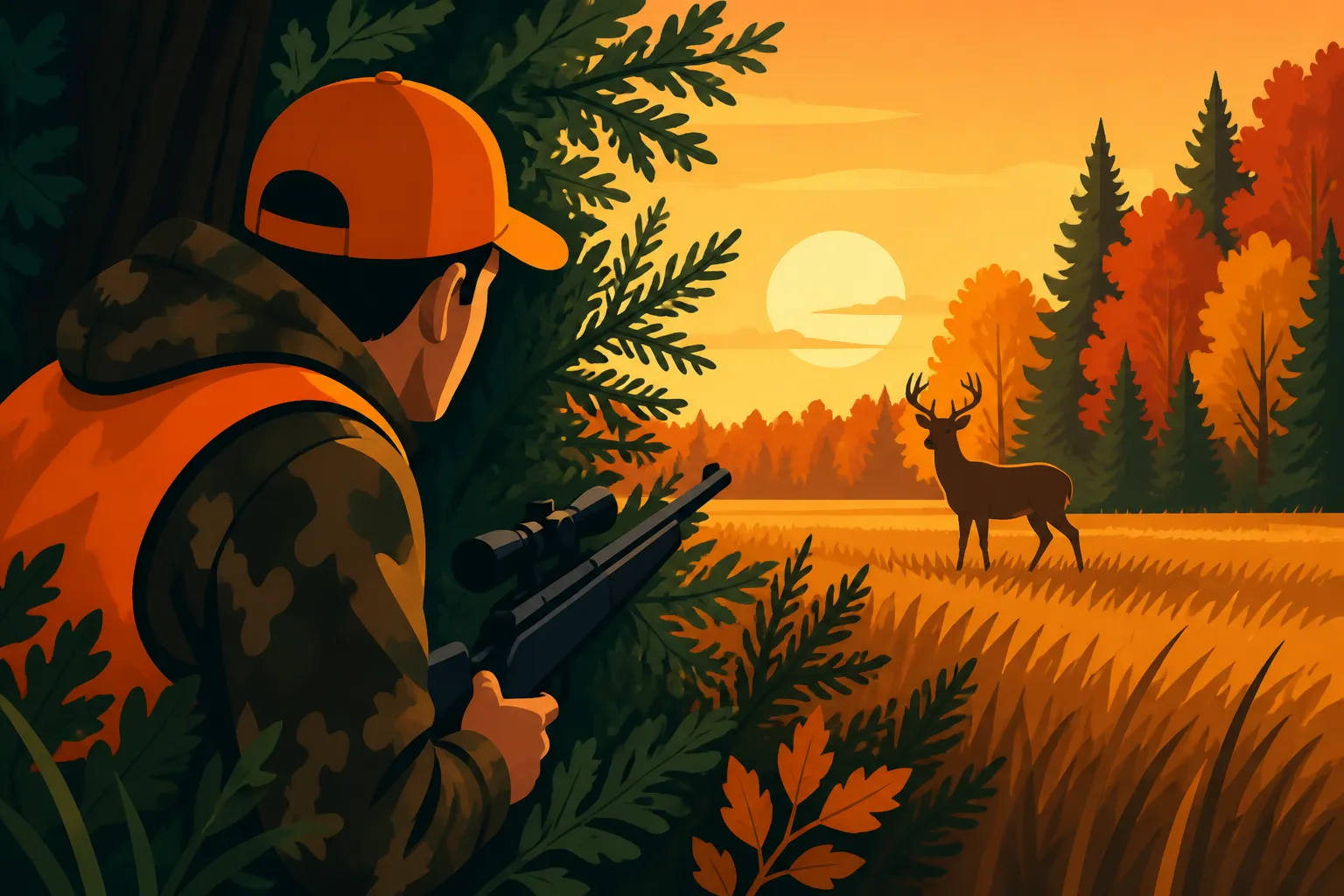
For many, stand hunting is the bread and butter of hunting bush edges, and for good reason. It allows you to be still, scent-controlled, and elevated, offering a better vantage point without spooking deer. The key is precise placement. You want your stand to be overlooking a primary travel corridor, a pinch point, or a funnel where deer are likely to pass within shooting range. Often, this means positioning your stand just inside the bush line, providing good cover and allowing you to see into both the field (if applicable) and the woods.
Consider prevailing wind direction when hanging your stand. Scent control is critical, as deer will often parallel edges, using their noses to detect danger. Even a slight shift in wind can blow your scent into their travel path. Morning hunts are often best for catching deer returning to cover from feeding, while evenings are great for intercepting them as they head out. For an excellent breakdown of how to prepare your setup, refer to Hanging a Stand on an Ontario Bush Edge. You need to be patient, quiet, and ready. Some hunters even use calls, like Grunt Calls Late in Ontario's Rut, from their stands to draw in curious bucks cruising the edge.
Still-Hunting and Spot-and-Stalk Approaches
Stand hunting is not the only way to tackle a bush edge. Still-hunting, a slow, deliberate method of moving through the woods, can be incredibly effective along edges, especially on Crown Land where deer may be less pressured or in areas with thick cover. The idea is to move only a few steps at a time, then stop, scan, and listen intently for several minutes. Use binoculars to pick apart the shadows and look for horizontal lines, patches of contrasting colour, or the flick of an ear. Deer often feel secure right inside the bush line, so moving slowly along it, just out of sight of open areas, can surprise them.
Spot-and-stalk is more challenging in dense Ontario bush, but can be highly rewarding in certain situations, particularly along more open edges or where a small patch of bush meets a large field. This method involves using optics to scan open areas or distant edges for feeding or bedding deer, then carefully planning an approach to get within shooting range. This is best done when there's a strong wind to mask your sound and carry your scent away from the deer, and sufficient cover to hide your movement. A good application of GoHunt’s mapping features can help you pre-plan stalking routes that use topography and vegetation to your advantage.
Driving a Bush Edge with a Small Group
For hunters working with a small group, a carefully executed drive along a bush edge can be a highly effective tactic, especially later in the season or in larger woodlots adjoining open areas. This involves strategically placing "blockers" or "posters" at key exit points along the edge, while "drivers" slowly and deliberately push through a section of bush towards them. The goal isn't to blast through the woods, but to quietly encourage deer to move along their natural travel corridors towards the waiting hunters.
This method works particularly well in areas where the bush edge acts as a natural funnel, forcing deer movement into predictable lanes. Before you start, carefully scout the area to identify these lanes and position your blockers accordingly. Communication is key to safety and success. Always ensure everyone is aware of shot lanes and safety zones. For small groups, Deer Drives With Three or Four Hunters can be very successful in forcing deer out of dense cover along an edge without over-pressuring them or making them completely unpredictable.
Choosing and Placing Your Setup: Stands, Blinds, and Decoys
The effectiveness of your bush edge hunting hinges heavily on your setup. It’s not just about being there; it’s about being in the right place at the right time, undetected, and ready for the shot.
Elevated Stands for Advantage
For hunting most bush edges, elevated stands – whether treestands or tower blinds – offer significant advantages. Getting off the ground helps in several ways: it lifts your scent cone above the immediate ground level, making you harder for deer to smell; it provides a much better vantage point for seeing deer move through varied terrain and cover; and it allows for greater shooting angles, often over obstacles that would block a ground-level shot.
When placing an elevated stand on a bush edge, think about concealment. Don't just pick the tallest tree; pick the one that offers the best blend of cover, access, and shooting lanes. Ideally, you want to be able to access your stand without alerting deer, and once in it, you should blend seamlessly into the canopy or background. Consider how the sun will hit your position in the morning and evening, as direct sun can cast shadows or make you highly visible. Furthermore, clear shooting lanes are paramount. Take the time to trim branches before the season, ensuring you have clear lines of sight to all anticipated deer travel paths along the edge.
Ground Blinds for Concealment
While elevated stands are often preferred, ground blinds have their place, especially in situations where suitable trees are scarce, or for hunters who prefer or require a ground-level setup. Modern pop-up ground blinds offer excellent concealment, breaking up your outline and containing your scent to a degree. They are particularly effective when placed against a dense backdrop on the edge, such as a thick cedar clump, a brush pile, or the edge of a standing cornfield.
The key to a successful ground blind setup on an edge is to get it out early – weeks, even months, before the season opens – so deer become accustomed to its presence. Brush it in heavily with natural vegetation from the surrounding area. Don't just plop it down; make it look like part of the landscape. Ensure shooting lanes are cleared, but do so subtly so as not to drastically alter the natural cover. Ground blinds can be an excellent choice for Hunting a Fallow Field Border or any edge where natural cover allows you to position it unobtrusively.
The Role of Scent Control and Decoys
No matter your setup, effective scent control is non-negotiable when hunting bush edges. Deer are incredibly reliant on their sense of smell, and the concentrated travel along edges means they're constantly "sniffing out" danger. This means showering with scent-free soap, washing hunting clothes in scent-free detergent, storing them in scent-free containers, and using scent-eliminating sprays before heading into the woods. Playing the wind is still your best defense; always try to position yourself downwind of where you expect deer to approach.
Decoys can be a powerful addition, particularly during the rut or in early season bowhunting scenarios. A single doe decoy, or a doe and small buck decoy combination, placed strategically just inside or on the edge of a field can draw in curious bucks. The visual stimulus can often overcome a deer's natural caution. However, decoys require careful placement. Ensure they are visible from a distance but don't look out of place. Always position them so that any approaching deer will present a broadside shot to your stand or blind. For maximum realism, consider using a scent wick with doe-in-estrus or buck urine near the decoy, but remember, less is often more with deer scents.
Challenges and Considerations When Hunting Ontario Bush Edges
Hunting bush edges, while often productive, isn't without its unique challenges. Understanding and preparing for these can make the difference between a successful hunt and a frustrating one.
Adapting to Changing Conditions
Ontario weather can be famously unpredictable, and conditions can change rapidly. A bush edge that was hot last week might be quiet this week due to a sudden cold snap, heavy rain, or even unusual wind patterns. Deer are sensitive to these changes and will adjust their movements accordingly. For instance, a sudden drop in temperature might send them seeking the thermal cover of a dense cedar swamp edge, making Hunting a Cedar Swamp Edge more productive than a field edge. High winds often make deer seek thicker cover and move less, making deep woods edges more likely spots for a midday encounter.
Food sources also change. As the season progresses, green fields dry up, crops are harvested, and acorns disappear. Always be aware of the most current food sources in the area and how deer might be shifting their travel to access them. This continuous adaptation is why scouting isn't a one-time event but an ongoing process throughout the season. Checking in with local farmers, if you have permission, can give you vital information on crop harvest times, which directly impacts deer movement along their fields.
Navigating Pressure and Private Land Access
In many parts of Southern and Central Ontario, particularly on farmland edges, hunting pressure can be significant. Deer quickly learn to avoid highly pressured areas, becoming more nocturnal or seeking refuge in dense, inaccessible cover. This means hunters need to be extra stealthy, minimize disturbance, and often focus on periods of low light or during adverse weather when other hunters might be less active. Hunting a Farm Pond in Dry Country or an obscure bush lot that others overlook could be a good strategy when dealing with high pressure.
Access to private land is another major consideration. Most productive farmland edges are on private property, requiring explicit permission from landowners. Always be respectful, courteous, and offer to help out where you can. Building a good relationship with landowners is paramount. On Crown Land, while access is generally open, popular areas can still see significant hunter traffic, especially on opening day. This makes finding those overlooked, less-pressured edges even more important. Using topographic maps and GoHunt's public land layers can help you find remote edges that require a bit more effort to reach, but often yield better results.
Safety on the Bush Edge
Safety should always be your top priority. When hunting from a stand on a bush edge, especially an elevated one, use a full-body harness and lifeline – every time. Falls from treestands are a leading cause of hunting injuries. When still-hunting or stalking, be acutely aware of your surroundings, especially if other hunters might be in the area. Wear blaze orange as required during gun seasons, even if you’re using a bow, just to be visible.
If you’re doing a group drive, clear communication about everyone’s positions, movement, and designated shooting lanes is crucial. Never shoot blindly into cover. Always identify your target clearly and ensure you have a safe backdrop beyond it. Remember, hunting an edge often means you're operating near property lines, roads, or even residential areas. Always be aware of local regulations regarding setback distances from roads and dwellings, and respect all Ontario Trespass and Landowner Law. Knowing your legal shooting hours, whether Ontario Shooting Hours for Big Game apply to your specific hunt, is also critical for both success and safety.
Disclaimer
Please note that hunting regulations, seasons, and licensing requirements in Ontario can change. Always consult the most current official Ontario Hunting Regulations Summary available from the Ministry of Natural Resources and Forestry (MNRF) before planning any hunt. This guide is for informational purposes only and does not supersede official government regulations.