Hunting a Farm Pond in Dry Country
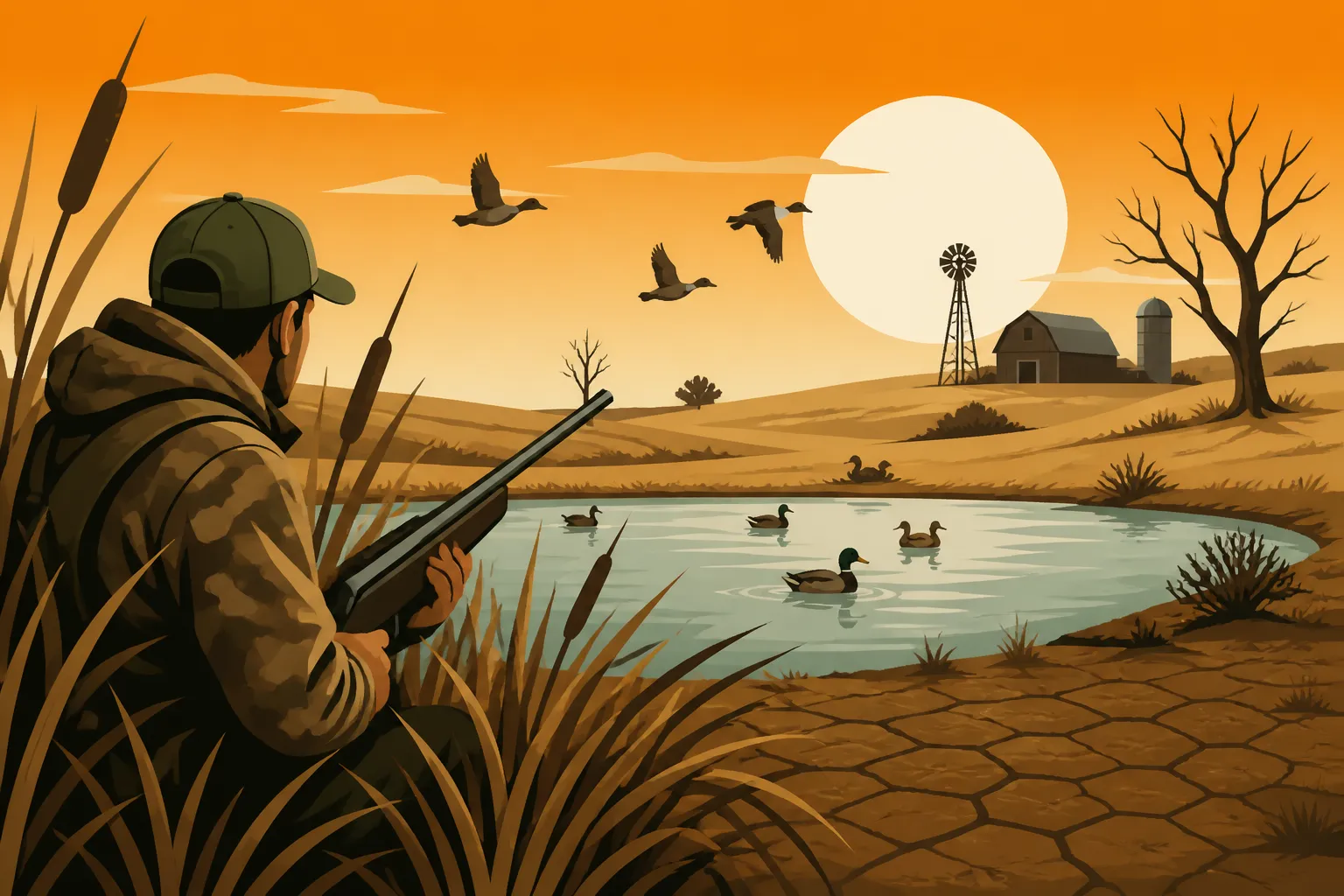
When the parched earth of Ontario's farmlands bakes under a relentless summer sun or the fall rains just refuse to arrive, many hunters find themselves scratching their heads, wondering where the deer, coyotes, and even those wily upland birds have gone. The truth is, in dry conditions, animals become singularly focused on one critical resource: water. This guide will walk you through the often-overlooked strategy of finding and effectively hunting the invaluable farm pond when everything else seems to be drying up.
The Lifeline in the Arid Landscape: Why Farm Ponds Matter
It's easy to overlook a small farm pond, especially if you're used to hunting vast bush lots or sprawling fields. But when the wells run low, the creeks become trickles, and the dew barely settles, these seemingly insignificant water bodies become absolute magnets for wildlife. This isn't just about a drink; it's about survival, and understanding this fundamental need is the first step to successful hunting in dry conditions.
Water as a Critical Resource for Wildlife
Just like us, every living creature needs water to survive. It regulates body temperature, aids digestion, carries nutrients, and is fundamental to all metabolic processes. In periods of drought, the natural water sources that game animals usually rely on – small streams, puddles, seeps in the bush – often dry up completely. Imagine walking for miles in stifling heat with no relief; that's the reality for wildlife when conditions are dry. A farm pond, even a small, muddy one, offers that essential relief. This makes it a high-traffic area, almost a guaranteed gathering spot, which can be an incredible advantage for the observant hunter. You're not just looking for a pond; you're looking for a pulsating hub of activity where various species converge out of necessity.
How Drought Intensifies Pond Activity
When rain is scarce, the landscape becomes a giant desert for wildlife. What might normally be a secondary water source, like a simple farm pond, elevates its status to prime real estate. Deer, turkeys, coyotes, raccoons, and even smaller game like rabbits and squirrels will alter their daily patterns, sometimes traveling significant distances, just to get to a reliable water source. Instead of making a quick stop, they might linger longer, especially if there's any residual browse or cover nearby. This concentration of animals means that your scouting efforts can be incredibly efficient; instead of glassing vast fields hoping to spot movement, you can focus on a few key water points, knowing that if animals are in the area, they'll eventually come to drink. The frustration of dry conditions for a hunter is completely flipped for the animal; it becomes a matter of life or death, making them more predictable.
Beyond Just Drinking: Cover and Forage Near Water
It's not just the water itself that draws game. Often, farm ponds are nestled against a woodlot, a fencerow, or a thicket of brush. This adjacent cover provides security for animals as they approach and leave the water. Think about a mature whitetail buck; he's not going to stroll casually into an open area for a drink if he can help it. He'll use the available cover to screen his approach, ensuring he feels safe. Furthermore, these pond edges, with their consistent moisture, often support different vegetation than the drier surrounding fields. Lush grasses, berry bushes, or even standing corn right at the edge of the water can offer supplementary forage, making the pond an even more attractive destination. This creates a powerful combination: essential water, vital cover, and potential food, all in one compact location. It's a miniature ecosystem thriving in an otherwise struggling landscape, and understanding this interaction helps you predict how game will utilize the area.
Scouting Ponds When the Fields are Parched
Hunting effectively around a farm pond in dry country requires more than just showing up. You need to identify the right ponds, understand how game is using them, and read the subtle signs that tell you when and where to set up. This is where your inner detective comes out, piecing together clues that the animals leave behind.
Identifying Productive Ponds on Maps and Imagery
Before you even step foot on the property, modern tools can be your best friend. Start by Scouting With Satellite Imagery in Ontario using apps like onX Hunt or GoHunt. Look for bodies of water, even small ones, especially those tucked away near woodlots, thick fencerows, or low-lying areas that are less likely to completely dry out. Zoom in to see if there are visible game trails leading to the water's edge, or if there's significant cover around the pond. Pay attention to the surrounding landscape – are there large fields of Hunting a Field of Standing Corn or Hunting a Soybean Field at Dusk nearby that might hold deer but offer no water? If so, those ponds become even more important. Identifying potential travel corridors from bedding areas to the water source is also crucial. Sometimes, a tiny, overlooked pond on the back corner of a property can be a hidden gem, precisely because it's less disturbed.
Boots-on-the-Ground Sign Reading
Satellite imagery gives you a great starting point, but nothing beats getting out there and putting boots on the ground (with permission, of course!). Your goal is to confirm activity and identify prime access points for game. Look for fresh tracks in the mud around the pond's edge – you'll be amazed at how many deer, coyote, and turkey tracks you'll find when water is scarce. Pay close attention to the size and freshness of the tracks. Are there big, splayed deer tracks indicating a heavy buck? Are there multiple sets, suggesting a doe group? Look for scat nearby and any evidence of browsing on vegetation around the pond. If there's soft ground, you might even see where a bird has dragged its tail feathers. Don't forget to check the trails leading to and from the pond. Are they well-worn? Do they show fresh sign? This is a critical step to understand what's actively using the pond and when. When the ground is dry elsewhere, the soft, often muddy edges of a pond are like a billboard for animal activity.
Understanding Game Movement to Water
Animals don't just appear at a pond; they follow patterns. In dry conditions, these patterns become even more pronounced. Deer, for example, will typically move from their bedding areas, often in thick cover like a Hunting a Cedar Swamp Edge or a dense woodlot, to feed in fields or browse in the bush, and then make their way to water. This movement usually peaks around dawn and dusk. Coyotes might visit throughout the day or night, but often prefer the cover of low light. Turkeys will come in to drink, often as part of their daily routine after feeding or roosting. Observing these patterns, or at least inferring them from the sign, will help you narrow down your hunting window. Are there obvious trails leading to the pond from a known bedding area? Do those trails look fresh with morning dew or evening dampness? The more you can think like the animal, the better you can predict their arrival and departure from the water source. Remember, animals conserve energy when it's dry and hot, so their movements will be purposeful and direct.
Strategic Setup: Positioning for Success at the Pond
Once you've identified an active farm pond, the next challenge is positioning yourself effectively without alerting the keen senses of the animals you're pursuing. A good setup considers multiple factors, from the unpredictable nature of the wind to providing a clear shot.
Wind Direction and Scent Control
This is probably the single most critical factor when hunting any game, but especially at a water source where animals are often vigilant. Deer, for instance, rely heavily on their sense of smell. You must position yourself so that your scent blows away from any likely approach routes to the pond. In dry conditions, the air can feel stagnant, but there are always subtle thermals. In the mornings, air typically flows downhill into low-lying areas, and in the evenings, it often rises. Farm ponds are often in these low spots. Constantly check the wind direction using a powder bottle or a simple string, and be prepared to adjust your setup or even abandon a spot if the wind isn't right. Overriding your natural scent is crucial too; use scent-eliminating sprays, wash your hunting clothes in scent-free detergent, and store them properly. When animals are stressed by dry conditions, they are even more wary, making scent control paramount.
Choosing a Stand or Blind Location
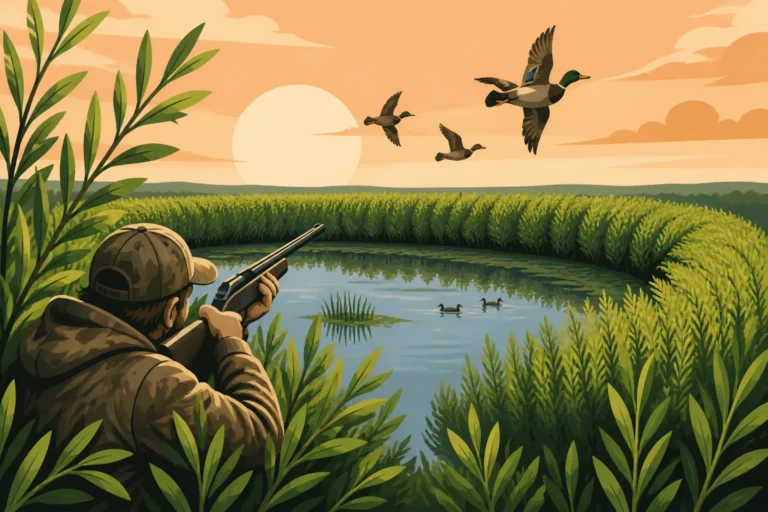
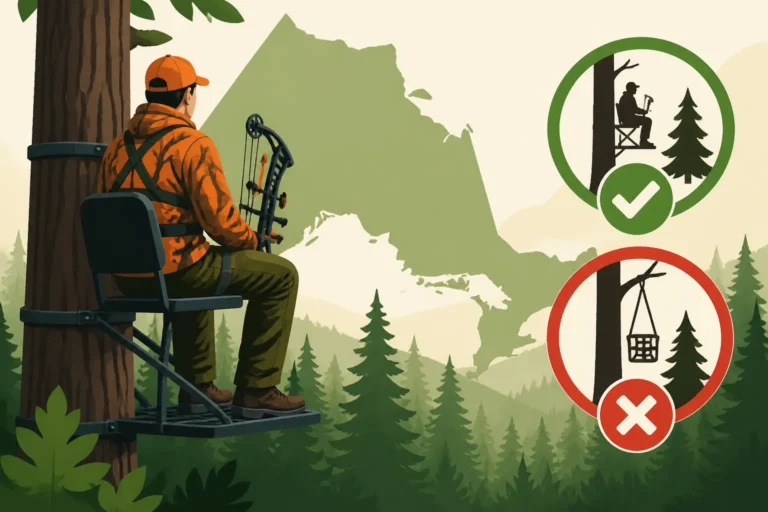
The ideal location for your stand or blind depends on the type of game, available cover, and the specific layout of the pond. For deer, a treestand overlooking a primary trail leading to the water, or a ground blind tucked into dense cover downwind of the pond, can be effective. Consider the angles from which deer might approach – is there a thick Hunting a Fencerow Between Two Fields they'll follow? Or perhaps they'll filter out of a particular bush edge? For waterfowl, if the pond is large enough to attract them, a well-camouflaged blind along the edge is key. The important thing is to use existing cover to your advantage. Don't try to create a new blind in an open area; animals will notice the change. Instead, enhance natural cover with local vegetation. Think about your backdrop too; breaking up your outline against the sky is vital. If you’re hunting on private land, ensure your setup doesn't interfere with farming operations or block critical access points for the landowner. Hanging a Stand on an Ontario Bush Edge might be a good tactic if the pond is adjacent to a woodlot.
Creating Clear Shooting Lanes
Once you've picked your spot, assess your shooting lanes. There's nothing worse than having a trophy animal step out and then realizing a small branch is perfectly obscuring your shot. Before the hunt, trim any small branches or tall weeds that would impede your line of sight or shot trajectory to the pond's edge and along key approach trails. Do this subtly and well in advance if possible, so the disturbance has time to blend in. Imagine where an animal will stand to drink and ensure you have a clear shot to that area. Also, consider any secondary spots they might approach. In some cases, a small farm pond might be a tight setup, requiring a bow or shotgun, while larger areas might allow for a rifle shot. Always know your safe shooting zones and what lies beyond your target.
Hunting Tactics for a Drought-Driven Pond
With your scouting done and your setup perfected, it's time to put those plans into action. Hunting a farm pond in dry conditions is less about aggressive pursuit and more about quiet patience and observation.
Timing Your Hunt: Dawn and Dusk Draw
As with many hunting scenarios, the bookends of the day – dawn and dusk – are typically the most productive times. In dry, often hot conditions, animals will conserve energy during the heat of the day, opting to move and drink when temperatures are cooler and they feel more secure under the cloak of low light. Set up well before first light, moving slowly and quietly to your stand or blind. Let the woods wake up around you. In the evening, get into position several hours before sunset. This gives the woods time to settle down after your approach and allows you to observe any early movement. Being patient and staying until legal shooting light ends is often rewarded. These periods of low light are when animals feel safest to venture out into the open to satisfy their thirst.
Patience is Key at Water Sources
This cannot be stressed enough: patience. You're hunting a critical resource, and animals will eventually show up if they're in the area. Don't fidget, don't check your phone, and minimize all movement. Stay still, stay silent, and let the animals come to you. If you've done your scouting, you know they're there. Sometimes, a deer might stand just inside the treeline for what feels like an eternity, testing the air, listening, and watching before committing to the water. A sudden movement or sound from you can send them bolting. Bring a good book to read on your phone (silently, of course), or simply enjoy the quiet observation of the natural world unfolding around you. Sometimes, a slight breeze will carry the sound of rustling leaves, or a squirrel will chatter, but maintain your focus.
Legalities and Landowner Courtesy
Hunting on any private land, including land with farm ponds, absolutely requires explicit Knocking on Doors in Southern Ontario and written permission from the landowner. Ontario Trespass Law for Hunters is clear, and respecting private property is paramount to maintaining a positive public image for hunters. Always be a good steward of the land. Leave no trace, close gates, don't drive on wet fields, and share some of your harvest if you're successful. Building a good relationship with landowners is the single most valuable asset for any hunter in agricultural regions. Additionally, ensure you understand all the specific hunting regulations for your Wildlife Management Unit (WMU), including legal shooting hours, bag limits, and any restrictions on firearms or methods. For example, some areas might only allow Where Shotguns Only Are Allowed during certain seasons. Consult your Reading an Ontario WMU Map Before You Go and the provincial hunting regulations summary before every hunt. A successful hunt isn't just about harvesting an animal; it's about doing it legally and ethically, and with utmost respect for the land and its owners. When you're successful, remember that Field Dressing in Warm Ontario Weather is important, especially after a hunt in dry, warm conditions.
| Game Species | Primary Attraction to Pond (Dry Conditions) | Best Time to Hunt | Key Sign to Look For |
|---|---|---|---|
| White-tailed Deer | Essential drinking water, residual browse | Dawn, Dusk | Fresh tracks, scat, browse lines on nearby vegetation |
| Wild Turkey | Drinking water, bugging in moist soil | Morning | Tracks, droppings, dusting areas, calls |
| Coyote | Drinking water, preying on other animals attracted to pond | Dawn, Dusk, Night | Tracks, scat, disturbed ground, howling |
| Small Game (Rabbits, Squirrels) | Drinking water, cover, diverse vegetation | Early Morning, Late Afternoon | Tracks, droppings, burrows/nests nearby |
| Waterfowl | Open water (even small), aquatic plants | Dawn, Dusk | Feathers, droppings, dabbling/diving marks |
Disclaimer
This article is for general informational purposes only and does not constitute professional advice. Laws, prices and regulations vary by location and change over time. Consult a qualified professional for guidance on your specific situation.