Getting From the Airport to an Ontario Camp
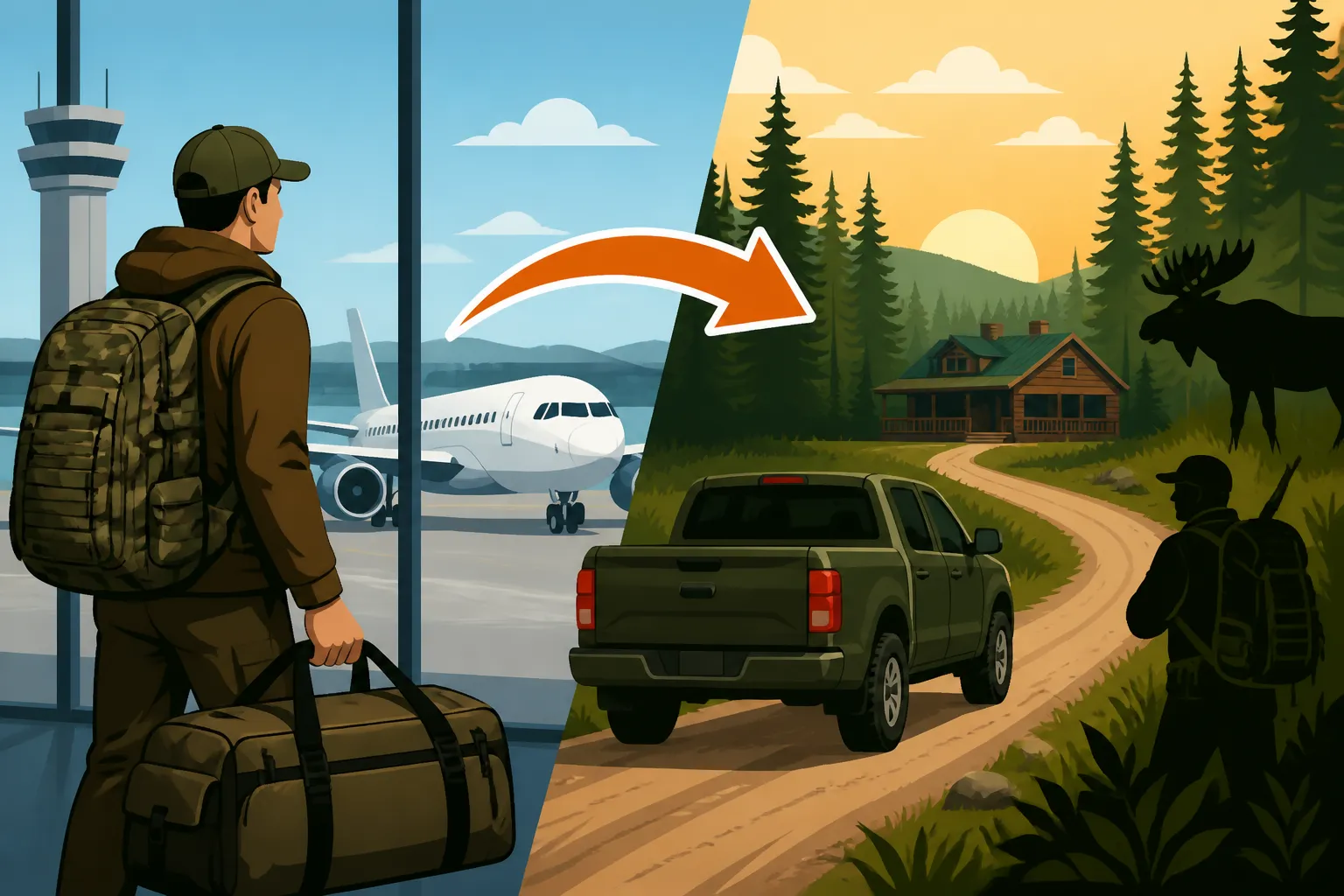
So, you've decided to embark on an incredible Ontario hunting adventure, and you're flying into one of our major airports. That initial excitement can quickly turn into a logistical headache when you start thinking about the actual journey from the bustling airport terminal to that remote, serene hunting camp deep in the bush. This guide is here to demystify that process, walking you through every step of getting yourself, your gear, and your precious firearms from touchdown to camp, ensuring a smooth and stress-free start to your much-anticipated hunt.
Landing in Ontario: Your Gateway Airports
Your journey to an Ontario hunting camp almost always begins at one of the province's key airports. For many international visitors, especially those arriving from the United States or overseas, Toronto Pearson International Airport (YYZ) is the most common entry point. It's a massive hub, offering a wide array of flights and services, but its distance from many of Ontario's prime hunting grounds means further travel is usually required. Other significant airports include Ottawa International (YOW), which serves eastern Ontario, and Thunder Bay International (YQT) in the northwest, which is a crucial gateway for hunting trips into the vast boreal forest regions. Smaller regional airports like those in Sudbury, Timmins, or Sault Ste. Marie can also be destinations, often requiring a connecting flight from one of the larger hubs.
Upon arrival, the first order of business will be clearing customs and immigration. This is a standard procedure, but it's where you'll also need to declare any firearms you're bringing into the country. It's absolutely critical to have all your paperwork in order, including your Canadian Non-Resident Firearm Declaration Form (form RCMP 5589) already filled out but unsigned. An officer will instruct you when and where to sign it. This declaration acts as your temporary firearm license while in Canada and is subject to a fee. Missteps here can cause significant delays or even refusal of entry for your firearms, so be prepared and patient. You can find more detailed information on this process by searching for Declaring a Firearm at the Canadian Border and Bringing Firearms Into Ontario.
Once you've cleared customs and collected your baggage, including any securely cased firearms, you'll be on the lookout for the next leg of your journey. The layout of each airport will dictate where you can find rental car counters, taxi stands, or designated pick-up zones for pre-arranged shuttles or outfitters. Larger airports are generally well-signed and have clear directions, but the sheer size of a place like Pearson can be overwhelming, especially after a long flight. Don't hesitate to ask airport staff for directions to ground transportation services; they're there to help you navigate. Having your outfitter's contact information readily accessible is also smart, in case you need to communicate any delays or need assistance with directions.
Navigating Ground Transportation to Your Outfitter's Staging Point
Once you've touched down and cleared customs, the next challenge is getting from the airport to a designated meeting spot or directly to your outfitter's base camp. This initial leg of the journey can vary significantly depending on your camp's location and what services your outfitter provides.
Rental Cars: The Independent Hunter's Choice
For many hunters, especially those heading to drive-in camps or with a group, renting a vehicle offers unparalleled flexibility. You can set your own schedule, make stops as needed for supplies or last-minute items, and carry all your gear without worrying about space constraints. When booking, consider the type of terrain you might encounter. While major highways are well-maintained, the roads leading to many hunting camps can be gravel, unpaved, or even rough bush trails. An SUV or a truck with good ground clearance is often a wise choice, especially if you're venturing into more remote areas, and be sure to check if the rental agreement allows for off-pavement driving. Always confirm your vehicle has adequate storage for all your hunting equipment, including bulky rifle cases or archery gear.
The cost of a rental car will factor into your overall trip budget, and it's always a good idea to book well in advance, especially during peak hunting seasons, to secure the best rates and vehicle availability. Remember to account for fuel costs, which can add up on longer drives, particularly in larger vehicles. Also, familiarize yourself with Ontario's driving laws, including speed limits and rules for four-way stops. Having a reliable GPS, either built into the car or on your smartphone with downloaded offline maps, is crucial, as cell service can become spotty as you get further north or into dense bush. Many hunters find that a combination of a good map and GPS provides the best navigation insurance.
While rental cars offer freedom, they also place the responsibility of navigation and potential roadside issues squarely on your shoulders. Ensure you have the rental company's emergency contact information and understand their policies regarding breakdowns or accidents. If you're traveling with multiple hunters, sharing the cost of a rental can make it a very economical option, allowing you to pool resources for gas and potentially bring more gear than would be feasible with other transport methods. This independence can be liberating for those who prefer to control their travel details from start to finish.
Outfitter Shuttles and Local Taxis: Convenience and Coordination
Many Ontario outfitters, especially those catering to non-resident hunters, understand the logistical challenges of getting to remote locations and offer some form of pick-up or shuttle service. This can range from meeting you directly at a larger regional airport like Thunder Bay or Sudbury, to picking you up from a pre-arranged bus stop or hotel in a nearby town. This service is incredibly convenient, as it eliminates the need for you to worry about driving unfamiliar roads, navigating with heavy gear, or dealing with rental car procedures. It allows you to relax and enjoy the scenic drive as your outfitter handles the details.
The availability and cost of outfitter shuttle services will vary greatly. Some all-inclusive hunting packages might include this as part of the price, while others will offer it as an add-on for a separate fee. It's absolutely essential to clarify these details when you're Planning an Ontario Hunting Trip and booking your hunt. Make sure to provide your outfitter with all your flight details – arrival times, flight numbers, and airline – as far in advance as possible. Any delays or changes to your itinerary should be communicated immediately, so they can adjust their schedule accordingly. Outfitters often have multiple groups arriving, and effective communication ensures a smooth pickup for everyone.
For shorter distances, perhaps from a regional airport to a local hotel where you're meeting a bus or another shuttle, a local taxi service might be an option. However, taxi availability and cost can vary, especially in smaller northern towns, and they might not always have the capacity for multiple hunters with extensive gear. Always call ahead to confirm availability and get an estimated fare, and mention you'll have hunting equipment. Platforms like BookYourHunt or GoHunt often provide specific details on an outfitter's transportation offerings, which can be invaluable when comparing different hunting opportunities and planning your travel logistics.
The Final Stretch: Reaching Remote Hunting Camps
Once you've made it past the initial airport rush and potentially a drive to a staging point, the real adventure often begins. Reaching many of Ontario's prime hunting camps, whether for Moose Hunting Ontario's Northern Bush or Black Bear Hunting in Ontario, means venturing deep into the wilderness.
Drive-In Camps: Tackling Ontario's Backroads
Many excellent hunting camps in Ontario are accessible by vehicle, though "accessible" doesn't always mean a smooth, paved highway. Often, the final leg of the journey involves navigating bush roads, logging trails, or gravel routes that might not be well-maintained, especially after rain or during certain seasons. These roads can be narrow, winding, and sometimes shared with active logging operations, so vigilance is key. It's not uncommon to encounter potholes, washouts, or even wildlife directly on the road, adding to the adventure (and requiring careful driving). If you’re self-driving, ensure your rental vehicle is suitable for these conditions, as mentioned earlier.
Effective navigation is crucial for drive-in camps. While your GPS might work for a good portion of the drive, service can fade in truly remote areas. This is where a detailed physical map, often provided by your outfitter or accessible through apps with offline capabilities, becomes a lifesaver. Your outfitter will typically provide precise directions, sometimes with landmarks, or even mark specific turn-offs. Always carry a Truck Kit for a Northern Ontario Hunt with essentials like a spare tire, basic tools, a first-aid kit, and emergency supplies, just in case. Breaking down miles from the nearest town is not a situation you want to be unprepared for.
Communication with your outfitter is paramount if you're driving yourself in. Let them know your estimated arrival time and update them if you anticipate significant delays. They can often provide insights into current road conditions or potential hazards. For instance, the clay belt region of Northeastern Ontario can become very slippery after heavy rain, making gravel roads challenging to traverse. Similarly, the vast stretches of Northwestern Ontario's bush country often feature long, isolated roads. Understanding these local conditions from your outfitter can make a huge difference in your planning and preparedness, making your drive to camp part of the adventure, not a source of stress.
Boat-In Access: Waterway Journeys
Some of Ontario's most secluded and productive hunting grounds are best accessed by water. Picture a camp nestled on a remote island in a vast northern lake or deep within a river system, far from any roads. This is where boat-in access comes into play, offering a unique and often breathtaking approach to your hunting destination. Your outfitter will typically arrange this transport, meeting you at a designated boat launch or marina and taking you directly to camp by sturdy fishing boat or larger utility craft. This is particularly common for camps in the Lake of the Woods area or other regions rich with interconnected waterways.
Traveling by boat requires careful attention to packing and gear protection. While on a boat, splashes and rain are almost inevitable, so ensure all your gear, especially clothing, optics, and electronics, is packed in waterproof bags or containers. Rifle cases should be robust and water-resistant. Your outfitter will guide you on what's best to bring, but generally, soft-sided duffels are easier to stow on a boat than rigid suitcases. The journey itself can be a fantastic opportunity to take in the wilderness scenery, spotting wildlife along the shorelines even before your hunt truly begins.
Safety on the water is paramount. Always listen to your guide or outfitter's instructions regarding life jackets, seating arrangements, and what to do in case of rough water. Weather conditions can change rapidly on large lakes, so a reputable outfitter will prioritize safety, sometimes delaying departures until conditions improve. This aspect of the journey emphasizes why picking a seasoned outfitter through resources like BookYourHunt or GoHunt is so important; they have the experience and equipment to navigate these waters safely. For more insights into this experience, you might want to read about Boating Into a Crown Land Camp.
Fly-In Camps: Soaring into the True Remote Wilds
For the ultimate wilderness hunting experience, far beyond any road or boat launch, a fly-in camp is the answer. These camps are often situated deep within Ontario's northern regions, offering unparalleled access to pristine hunting territories where human pressure is minimal. The journey itself, typically by float plane or small wheel plane, is an unforgettable part of the adventure, providing stunning aerial views of the vast forests, sparkling lakes, and winding rivers that characterize much of Hunting Northwestern Ontario's Big Bush or Hunting Northeastern Ontario's Clay Belt.
The primary consideration for fly-in hunts is weight. Small bush planes have strict weight limits for passengers and cargo, which are non-negotiable for safety reasons. You will need to pack strategically, often using soft-sided duffels that are easier to fit into tight spaces. Your outfitter will provide detailed guidelines on weight allowances per person, and it’s critical to adhere to them. This often means leaving non-essential items at home or opting for lighter gear. You can read more about what to expect with these aerial trips in Float Plane Charters to a Northern Camp.
Coordination with your outfitter and the air charter service is paramount for a smooth fly-in experience. You'll typically meet at an air base, where your gear will be weighed and loaded. Communication regarding your arrival, any potential delays, and final departure plans is essential. Remember that weather plays a significant role in aviation, especially with small planes flying into remote areas. Fog, strong winds, or heavy rain can ground planes, leading to delays. It’s always wise to build a buffer day into your travel plans on either end of your trip to accommodate potential weather-related disruptions. Understanding What Happens If Weather Ruins the Hunt can help you prepare mentally and practically for these possibilities.
Essential Tips for a Seamless Airport-to-Camp Journey
Making the journey from a bustling airport to a quiet Ontario hunting camp can be a multi-stage process, and a little foresight goes a long way in ensuring it's smooth and enjoyable.
Proactive Communication with Your Outfitter
This cannot be stressed enough: your outfitter is your most valuable resource for travel logistics. Before you even leave home, ensure you have a clear, written understanding of their transportation plan for you. This includes specific pick-up times, locations, who will be meeting you, and what to do if your flight is delayed or cancelled. Don't be shy about asking questions regarding the condition of access roads if you're driving, or the specific requirements for boat or float plane travel. They've done this countless times and know the local conditions better than anyone.
Share your full itinerary, including all flight numbers and expected arrival times, well in advance. As your travel date approaches, confirm these details again. On the day of travel, if you encounter any unforeseen delays – a missed connection, a late departure, or even a lengthy customs process – contact your outfitter immediately. Many outfitters operate in areas with limited Cell Service at an Ontario Bush Camp, so having their satellite phone number or a specific communication plan for emergencies is a smart move. Good communication prevents misunderstandings, reduces stress for both you and your outfitter, and helps ensure your transfer goes off without a hitch.
Remember, outfitters are often juggling multiple groups and tight schedules, especially during peak season. Being proactive and transparent about your travel status is a courtesy that will be greatly appreciated and will benefit your own experience. They are there to help you, but they can only do so effectively if they have accurate information from you.
Smart Packing for Multi-Leg Travel
When you're facing potentially several modes of transportation – plane, car, boat, or even another plane – how you pack your gear becomes critical. Avoid overpacking. Every item you bring will need to be transported, loaded, and unloaded, sometimes multiple times. Focus on essentials and versatility. Layers of clothing are always a good idea for Ontario's unpredictable weather. Make sure your luggage is durable enough to withstand being handled in potentially rugged conditions. Soft-sided duffel bags are generally more adaptable for small planes or boats than rigid suitcases, which can be difficult to fit.
Keep all essential documents, medications, optics, and anything of high value or that you can't replace easily in a carry-on bag that stays with you. This includes your Outdoors Card, hunting licence, any tags, and your firearm declaration form. For your hunting gear, consider how it will be protected during transit. Rifles should be in hard cases that meet airline regulations and can withstand rough handling. Bows should be in similarly protective cases. For a comprehensive list of what to bring, check out What to Bring to an Ontario Bush Camp.
Think about consolidating smaller items to make fewer, more manageable bags. If you're traveling with a group, consider if certain communal items can be shared or purchased locally once you arrive near your staging point. The less cumbersome your gear is, the easier and quicker your transitions between different modes of transport will be, ultimately making your journey smoother and less stressful.
Understanding Firearm Regulations at the Border
While we've touched on this, it warrants its own emphasis due to its critical importance. For non-residents, bringing firearms into Canada requires strict adherence to federal regulations. You must declare all firearms at the first point of entry to Canada. You'll need to complete a The Non-Resident Firearm Declaration form, pay a processing fee, and ensure your firearms are correctly stored and locked during transport. Failure to declare a firearm, or having incorrect paperwork, can lead to serious consequences, including seizure of your firearms, fines, and potentially even charges.
It is crucial to research and understand the specific types of firearms that are prohibited in Canada before you even pack your bags. Certain handguns, rifles, and shotguns that are legal in your home country might be classified differently or be outright prohibited in Canada. Ensure your firearms are unloaded and securely encased, ideally in a non-transparent, locked hard case, separate from your ammunition. Ammunition itself also has limits on how much can be transported and how it must be stored.
Do not assume that because something is legal where you live, it will be legal in Ontario. Check the official Canadian Border Services Agency (CBSA) website or relevant government resources well in advance of your trip. If you have any doubts, err on the side of caution or contact the CBSA directly for clarification. Your outfitter may also be able to provide general guidance, but the ultimate responsibility rests with you to ensure compliance. A smooth border crossing is the first major step to a successful hunt.
Building in Flexibility and Contingency Plans
Even the most meticulously planned trips can encounter unexpected bumps. Weather delays are common in Ontario, especially in the more northern regions or during shoulder seasons. Heavy fog can ground float planes, snowstorms can close roads, and high winds can make lake travel unsafe. Having a day or two of flexibility in your itinerary, particularly on either end of your hunting trip, can save you a tremendous amount of stress and potential missed hunting days. This buffer allows for unforeseen delays without eating into your precious time in camp or causing you to miss return flights.
Consider having a "Plan B" for certain parts of your travel. For example, if you're relying on a small regional flight to connect to a float plane base, what's your alternative if that regional flight is cancelled? Is there a bus service, or can your outfitter assist with a longer ground transfer? Pack a small emergency kit in your carry-on with enough basic toiletries, essential medications, and a change of clothes to last a day or two, just in case your checked luggage is delayed.
Embrace the unexpected with a resilient attitude. Hunting in the wilderness inherently involves elements beyond our control. A philosophical approach to travel delays, recognizing them as part of the broader adventure, can make a huge difference in your enjoyment. Your outfitter will do their best to mitigate issues, but sometimes, patience is the most important tool in your arsenal. Having a good attitude and being prepared for minor setbacks will ensure that your journey, no matter its twists and turns, remains a positive experience on the path to your Ontario hunting adventure.
| Transportation Method | Pros | Cons | Typical Scenario |
|---|---|---|---|
| Rental Car | Flexibility, independence, stops for supplies | Cost, navigation, suitable vehicle for bush roads, responsibility | Driving to a drive-in camp or a staging point for boat/plane. |
| Outfitter Shuttle/Taxi | Convenience, no navigation stress, specialized vehicle for terrain | Less flexibility, dependent on outfitter schedule, potential extra cost | Pick-up from regional airport or nearby town to base camp. |
| Boat-In Access | Scenic, direct to water-accessed camps, often guided | Weather dependent, gear must be waterproof, limited capacity | Camps on islands or remote lake/river systems. |
| Fly-In Access | Ultimate wilderness access, breathtaking views, minimizes travel time to remote areas | Strict weight limits, highly weather dependent, higher cost | Deep wilderness camps, far from roads and major waterways. |
Disclaimer
This article is for general informational purposes only and does not constitute professional advice. Laws, prices and regulations vary by location and change over time. Consult a qualified professional for guidance on your specific situation.