Hunting Deer in Ontario’s Mixed Forest
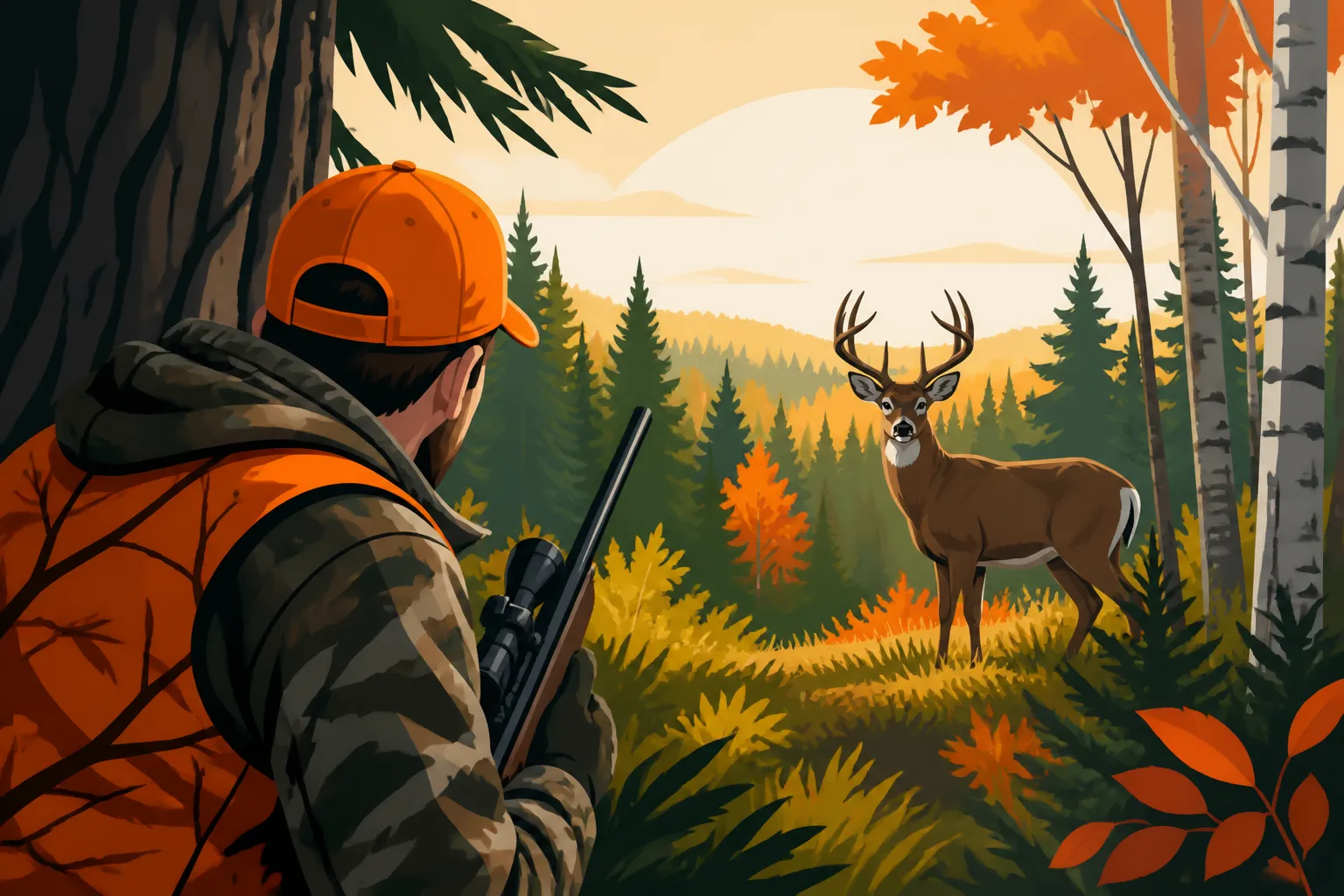
Hunting deer in Ontario's vast and diverse landscape can feel like a riddle, especially when you're trying to figure out how whitetails use that tricky mixed forest terrain. It's not like the wide-open farmland where you can glass for miles, nor is it the dense, impenetrable boreal forest. This unique mix of conifers and hardwoods presents a specific set of challenges and opportunities that can leave even seasoned hunters scratching their heads. This guide will walk you through understanding these environments, how to scout effectively, and the best strategies to consistently find and harvest deer in Ontario's mixed forest.
Understanding the Mixed Forest Ecosystem
Ontario's mixed forest is a beautiful, complex tapestry of both coniferous (softwood) and deciduous (hardwood) trees. This isn't just a pretty backdrop; it's a critical factor in how deer live, feed, and move, and understanding it is the first step to success.
Defining "Mixed Forest" in Ontario
When we talk about mixed forest in Ontario, we're typically referring to areas where species like maple, oak, birch, and aspen grow alongside conifers such as white pine, red pine, balsam fir, and various spruces. These areas are incredibly common across large swaths of central and eastern Ontario, as well as the southern fringes of the boreal forest. What makes it "mixed" isn't just the variety of trees, but how they intermingle, creating distinct layers of canopy, understory, and forest floor. You might find a ridge dominated by mature hardwoods, dropping into a valley that holds a dense stand of cedar, spruce, and balsam. This creates a patchwork quilt of cover and food sources that changes with the seasons and offers deer a smorgasbord of options.
This blend provides resilience, as different tree types thrive in different conditions and offer varying benefits to wildlife throughout the year. For instance, the hardwoods drop acorns and beech nuts in the fall, providing crucial caloric boosts, while the evergreens offer thermal cover from biting winds and heavy snow in winter. Knowing the predominant tree species in your hunting area can tell you a lot about the available food and cover, which in turn informs deer movement patterns. It's about looking at the forest not as one big green mass, but as a collection of micro-habitats, each serving a purpose for the deer.
Deer Habitat Preferences in Mixed Woods
Whitetails in a mixed forest are looking for a few key things: food, cover, and water, all within a relatively safe and accessible range. The beauty of the mixed forest is that it often provides all these elements in close proximity. Hardwood ridges are prime feeding areas during the fall mast crop, offering acorns, beechnuts, and browse. These areas will see heavy deer activity as bucks and does load up on carbohydrates. But when the snow flies or harsh winds pick up, deer will often retreat to the thermal cover offered by dense stands of conifers, particularly cedar swamps or pine plantations. These evergreen havens not only block the wind but also intercept snow, making it easier for deer to move and access what little browse might be available.
Beyond food and cover, deer need bedding areas where they can feel secure. In mixed forests, these might be thickets of young conifers, dense blowdowns, or even small islands of impenetrable brush within a more open forest. Often, these bedding areas will be situated on a leeward slope or a south-facing hillside, allowing the deer to catch the sun's warmth while being protected from prevailing winds. Understanding how deer utilize these diverse pockets throughout the day and across seasons is paramount. They'll transition between feeding, bedding, and travel corridors, often using the edges where different habitat types meet, like the transition from an open hardwood stand to a dense cedar swamp, as their preferred routes.
The Influence of Topography and Water
Ontario's mixed forests are often characterized by rolling hills, ancient rock ridges of the Canadian Shield, and numerous waterways, from small creeks and beaver ponds to larger rivers and lakes. This topography and hydrology play a massive role in dictating deer movement. Deer are creatures of efficiency; they'll use the path of least resistance. This means natural funnels created by saddles in ridges, narrow strips of timber between open fields or clear-cuts, or benches along hillsides are prime travel routes. A deer won't climb over a steep rock face if it can walk around it, nor will it wade through a deep bog if there's a drier, more open path nearby.
Water sources are also magnets for deer, especially in drier periods or early seasons. Creeks, springs, and even standing water in beaver ponds provide essential hydration. Look for tracks along muddy banks or worn trails leading to reliable water sources. Beaver activity, in particular, creates dynamic habitats – flooded timber, new growth along dam edges, and drier sections where dams have been established or broken. These areas can be exceptional for targeting deer, as they concentrate both food and water resources. Always consider how these natural barriers and attractions influence where deer will move, feed, and bed, and incorporate this into your Scouting With Satellite Imagery in Ontario efforts, even before you set foot in the woods.
Scouting Strategies for Mixed Forest Whitetails
Effective scouting in mixed forests is about more than just looking for tracks. It's about piecing together a puzzle, understanding deer behaviour, and predicting their movements. This type of terrain demands a strategic approach to ensure you're in the right place at the right time.
Pre-Season E-Scouting and Map Work
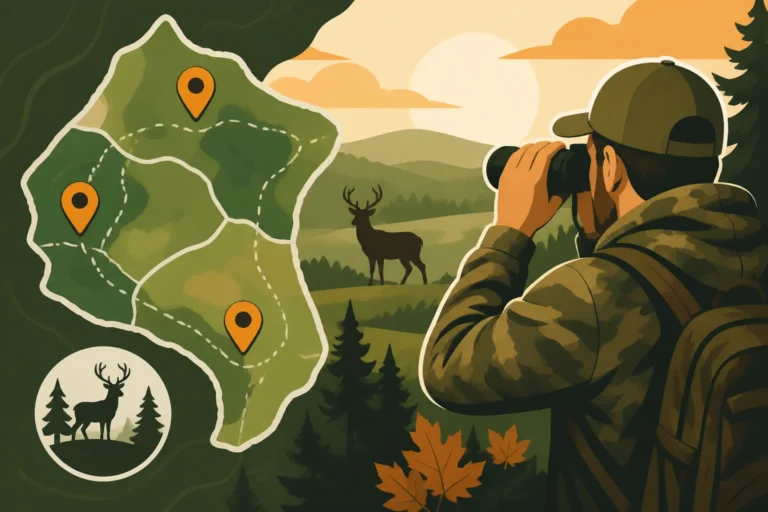
Before you ever step into the woods, spend significant time with maps – topographic maps, aerial photos, and even digital tools like GoHunt or onX Hunt. Look for patterns, identify potential bottlenecks, and understand the lay of the land. Pay close attention to elevation changes; a slight bench on a hillside might be a subtle travel corridor that's not obvious from the ground. Look for the confluence of different cover types – where a mature hardwood stand meets a thick conifer swamp, or where an old clear-cut is regenerating into dense browse. These "edge" habitats are often deer magnets. Also, identify water sources and potential bedding areas, which often appear as darker, denser patches on aerial imagery.
Your e-scouting should allow you to mark potential pinch points, saddles, creek crossings, and areas of dense cover. Use the contour lines on topo maps to identify natural funnels or benches that deer would use to move efficiently. This initial map work helps you eliminate large swaths of unproductive ground and gives you a game plan for your first boots-on-the-ground scouting trips. Without this foundational understanding, you'll spend valuable time wandering aimlessly, missing key features that dictate deer movement. This kind of preparation is crucial, especially if you're Hunting Ontario's Crown Land where vastness can be overwhelming.
On-the-Ground Sign Reading
Once you've done your digital homework, it's time to hit the woods. This is where you confirm your theories and uncover the nuances that maps can't show. Focus on Reading Whitetail Sign in Ontario Hardwoods, but extend that to the conifers as well. Look for fresh tracks, rub lines, and scrapes. Rubs tell you a buck has been there, and a consistent line of rubs indicates a travel route. Scrapes are communication hubs, especially during the pre-rut and rut. Check for fresh droppings to gauge deer activity and the freshness of the sign.
Beyond the obvious, pay attention to browse lines and distinct trails. In mixed forests, deer trails can be subtle, especially in areas with lots of leaf litter, but persistent searching will reveal them. Look for where trails intersect, or where they funnel into a thicker area. If you find a particularly dense stand of young conifers or a thick cedar swamp, circle it and look for entry and exit points – these are likely bedding areas. The more fresh sign you find, the more confident you can be about concentrating your efforts in that specific area. Remember, deer habits can change, so scouting isn't a one-and-done affair; it's an ongoing process, even during the season.
Identifying Key Funnels and Travel Corridors
Funnels and travel corridors are the highways and intersections of the deer world. These are often natural features in the mixed forest that concentrate deer movement. They can be narrow strips of timber connecting two larger woodlots, a saddle between two ridges, a fence line, or the edge of a thick swamp. Deer will use these areas to move between bedding, feeding, and water. A classic example in mixed forest is the transition zone between a dense cedar swamp and an open hardwood ridge. Deer will bed in the cover and move up to feed on mast, using the edge or a subtle trail along the transition as their primary travel route. This is where a well-placed stand can intercept deer moving throughout the day.
Another common funnel is a small stream or creek crossing. Instead of crashing through the water, deer will typically cross at the easiest, shallowest point. These crossings become natural choke points. Similarly, old logging roads or trails, even if overgrown, often provide an easier path through dense bush. Identify where multiple trails converge or where a strong, fresh trail funnels through a narrow opening in the canopy or understory. This knowledge is crucial for stand placement, as it allows you to anticipate where deer will likely pass. For specific stand advice, consider studying guides like Hanging a Stand on an Ontario Bush Edge for optimal placement.
Effective Hunting Methods in Mixed Forest Terrain
The varied nature of mixed forests means you can't rely on a single hunting method. Adapting your approach based on the specific conditions and the time of year is key to success.
Still-Hunting and Stalking Techniques
Still-hunting is arguably one of the most effective, yet challenging, methods for mixed forest deer. It involves moving slowly and deliberately through the woods, pausing frequently to observe, listen, and scan for deer. The mixed forest with its varied undergrowth and terrain lends itself perfectly to this. The key is to take one or two steps, then stop and carefully scan your surroundings, often for five to ten minutes or more, before taking another few steps. Use binoculars to pick apart dense cover and look for horizontal lines (a deer's back) amidst the vertical lines of trees. Always hunt into the wind to prevent your scent from spooking deer.
Stalking takes this a step further, often involving a more direct, stealthy pursuit of a spotted or winded animal. In mixed forests, the ground can be noisy with fallen leaves and twigs. To mitigate this, try to walk in soft areas, use deer trails, or move during light rain or when the wind is rustling the leaves, which can mask your sound. Pay close attention to the wind direction, thermal currents (especially in hilly terrain), and the sun's position. This method requires immense patience, sharp observation skills, and the ability to move through the woods with minimal disturbance. It's a fantastic way to cover ground and find deer that might be hunkered down in thick cover, making it a great option for a solo hunter or a pair working together.
Setting Up Treestands and Ground Blinds
For those who prefer to let the deer come to them, strategically placed treestands and ground blinds are indispensable. In mixed forests, treestands offer a crucial advantage: elevation. This allows you to see over moderate undergrowth, helps your scent disperse above the deer's nose (though still always hunt with the wind in mind), and puts you above their primary line of sight. Look for stand locations that capitalize on funnels, pinch points, or feeding areas, such as a Hunting a Hardwood Ridge for Whitetails when acorns are dropping, or a Hunting a Cedar Swamp Edge for bedding transitions. Always consider your approach and exit routes to and from your stand, ensuring you can get in and out without spooking deer.
Ground blinds can be equally effective, especially in areas where thick cover prevents a good treestand setup, or if you prefer a more concealed, warmer setup. Natural ground blinds, built from brush and downed logs, can blend in seamlessly. Pop-up blinds are also popular, but they need to be brushed in thoroughly and ideally set up well in advance to allow deer to get used to their presence. Consider the prevailing winds for your chosen spot, and ensure the blind offers shooting lanes to cover the anticipated travel routes. Whichever method you choose, scouting for specific tree or blind locations, trimming shooting lanes, and managing your scent are critical factors for success.
Utilizing Drives and Group Hunts
For larger groups, deer drives can be a highly effective tactic in the sprawling mixed forests of Ontario, especially later in the season when deer are often hunkered down in thick cover. The concept is simple: a few hunters (drivers) slowly push through a designated block of timber, moving deer towards other hunters (posters) who are strategically positioned on stand along escape routes or funnels. This can be especially productive when Deer Drives With Three or Four Hunters are involved, allowing for a good balance of coverage and stealth.
The key to a successful drive is meticulous planning. Drivers need to move slowly and deliberately, pausing often, while posters must be in place well before the drive begins, being absolutely silent as they get into position. Communication among the group is paramount, often using two-way radios, and everyone must be aware of safety zones and shooting lanes. Mixed forests with their pockets of dense cover and more open timber provide ideal terrain for drives, allowing drivers to push through thickets where deer like to hide, while posters cover the more open transitional areas deer will use to escape. This method can be exhilarating and is often how many big bucks are taken in late season.
Gear and Preparation for Mixed Forest Deer Hunting
Ontario's mixed forests can throw a lot at you, from freezing rain to deep snow, and thick bush to open hardwoods. Being properly geared up isn't just about comfort; it's about safety and success.
Clothing and Footwear for Variable Conditions
The weather in Ontario, especially during deer season, is notoriously unpredictable. One day you might be basking in crisp autumn sunshine, the next could bring a deluge of freezing rain or a foot of snow. This means layering is essential. Start with a moisture-wicking base layer to manage sweat, add insulating mid-layers like fleece or down for warmth, and top it off with a waterproof and windproof outer shell. Blaze orange is a legal requirement in much of Ontario during gun seasons, so ensure your outer layers meet the regulations for visibility, protecting yourself while Ontario Blaze Orange Requirements are in effect.
Footwear is equally critical. You'll be doing a lot of walking, often over uneven, wet, or snowy terrain. Waterproof, insulated boots with good ankle support are a must. Brands like Muck Boots or Irish Setter offer excellent options for cold, wet conditions. Consider bringing an extra pair of socks or even a complete change of clothes if you're planning an all-day hunt or anticipate heavy weather. Nothing will send you home faster or make you more miserable than being cold and wet.
Optics and Navigation Tools
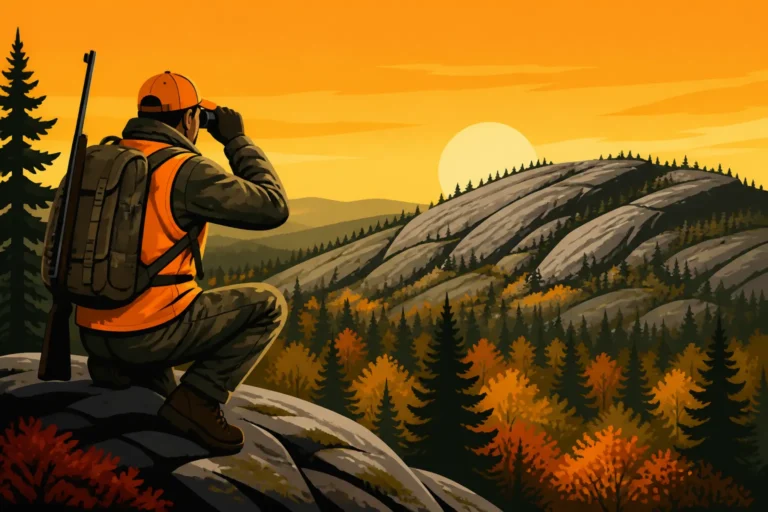
In the dappled light and varied cover of a mixed forest, good optics are your best friend. A quality pair of binoculars, 8×42 or 10×42, will help you pick apart dense thickets, identify deer at a distance, and confirm shooting opportunities. A rangefinder is also invaluable, especially in terrain that can be deceiving in terms of distance. Knowing the exact yardage to potential shooting lanes or targets can make all the difference when it comes to an ethical shot.
For navigation, a GPS unit or a reliable hunting app on your smartphone (like GoHunt, which often integrates with various mapping layers) is absolutely essential. Mixed forests can be disorienting, with similar-looking trees and winding trails. Mark your vehicle, treestand locations, and any significant sign you find. Always carry a compass and a physical map as a backup, especially when exploring new territory or in areas with spotty cell service. Knowing your exact location and how to get back to safety is paramount, preventing you from getting turned around in the vastness of the Ontario bush.
Weapon Choices for Close to Mid-Range Shots
The mixed forest environment often dictates shot distances that are typically shorter than those in open agricultural fields. While there can be clearings, many shots will be within 150 yards, often much closer. This means your weapon choice should be geared towards quick, ethical kills at these ranges, while also considering Legal Firearms and Bows for Big Game in Ontario.
For rifle hunters, a versatile caliber like .308 Winchester, .30-06 Springfield, or 6.5 Creedmoor is excellent, offering good stopping power without excessive recoil. Ammunition with good bullet expansion at mixed ranges is key. Shotguns with slugs are also highly effective in brushy areas, especially when combined with a rifled barrel and good optics. Muzzleloaders, particularly during the specific Hunting Ontario's December Muzzleloader Days, are also great for mixed forest, offering a powerful, accurate option. Archery hunters will find that bows and crossbows are perfectly suited for the often-close encounters in the mixed woods, requiring stealth and precision. Regardless of your weapon, practice shooting from various positions – standing, kneeling, even from a simulated treestand – to prepare for the real-world scenarios you'll encounter in the bush.
Seasonal Considerations for Mixed Forest Deer
Deer behaviour shifts dramatically throughout the hunting seasons, and the mixed forest environment magnifies these changes. Adapting your tactics to align with the season is critical for consistent success.
Early Season Tactics Archery Opener
The early archery season in Ontario, typically starting in late September, presents a unique set of challenges and opportunities in mixed forests. Temperatures can still be mild, and deer are largely focused on feeding and establishing their fall patterns before the rut kicks in. During this time, look for deer primarily around abundant food sources. Hardwood stands heavy with acorns or beechnuts are prime locations. Alfalfa fields or standing corn adjacent to mixed forest are also major draws. Deer will often feed heavily in these areas during the cooler hours of dawn and dusk, bedding down in the thickest cover of the mixed forest during the day.
Scouting for fresh browse, rubs, and early scrapes near these food sources is paramount. Pay attention to transition lines where different cover types meet – a line of pines bordering an oak ridge, for example. Deer will use these edges for travel and concealment. Early season hunting often means long sits and meticulous scent control, as deer are less frantic than during the rut and more sensitive to disturbance. Patience and stealth are your greatest assets during the Hunting Ontario's Late September Archery Opener.
The Rut in Mixed Forest Mid-November Gun Season
Mid-November in Ontario usually brings the peak of the whitetail rut, often coinciding with the general gun season. This is when deer behaviour changes dramatically, becoming more erratic and predictable at the same time. Bucks are actively seeking does, often throwing caution to the wind. In mixed forests, this means bucks will cover a lot of ground, cruising ridges, checking bedding areas, and following doe trails. This is a fantastic time for rattling and calling, as bucks are more responsive to challenges from other deer. Reviewing techniques like Rattling Volume in Thick Bush can be particularly useful here.
Concentrate your efforts on known travel corridors, funnels, and historical rutting areas. Stands overlooking saddles, creek crossings, or pinch points between thick cover and feeding areas can be red hot. Don't be afraid to sit all day, as rutting bucks can be on the move at any hour. The mixed composition of the forest allows bucks to use different types of cover to cruise for does – the thermal protection of a cedar swamp during cold snaps, or the open visibility of a hardwood ridge in milder weather. This heightened activity makes the Hunting Ontario's November Gun Season a thrilling time to be in the bush.
Late Season Challenges Muzzleloader Days
As the season progresses into late November and December, often into the specific muzzleloader season, the mixed forest presents new challenges. Temperatures drop, snow often arrives, and deer become far more focused on survival and conserving energy. Food sources like acorns may be buried under snow, forcing deer to rely more on browse. Deer will also be concentrated in traditional wintering areas, often dense cedar or pine swamps that provide crucial thermal cover.
Hunting late season in mixed forest requires a shift in strategy. Focus your scouting on these wintering yards or areas of persistent thermal cover. Look for heavy trails leading in and out, and concentrate your efforts on the edges of these havens. Deer will still need to feed, often emerging briefly from cover during the warmest parts of the day. Snow can be your ally, making tracks easier to read and muffling your footsteps. However, it also means deer are more visible and their movements can be more concentrated. Patience is key, as deer movement may be minimal. Understanding specific regulations for Hunting Ontario's December Muzzleloader Days is also crucial, as these seasons often have unique requirements.
Practical Considerations for Mixed Forest Hunting
Beyond the immediate hunting tactics, there are several practical elements to consider that will enhance your safety and overall experience in Ontario's mixed forests.
Safety First in the Bush
Hunting in Ontario's mixed forest often means navigating rugged terrain, variable weather, and the potential for getting disoriented. Your safety must always be your top priority. Always tell someone exactly where you are going and when you expect to return. Carry a fully charged cell phone (though don't rely solely on it for navigation, as service can be spotty). A reliable GPS or mapping app, along with a compass and physical map, is essential. Dress in visible clothing, especially during gun season, to ensure you're seen by other hunters and wildlife.
Pack an emergency kit that includes a first-aid kit, fire-starting materials, a headlamp, extra food and water, and a whistle. Familiarize yourself with basic wilderness first aid and survival techniques. Hunting with a partner or group can also significantly enhance safety. Always follow proper firearm safety rules, identify your target and what's beyond it, and unload your weapon when crossing obstacles or moving through dense brush. The mixed forest can be a challenging environment, but with proper preparation, you can enjoy a safe and rewarding hunt.
Respecting Landowners and Regulations
Whether you're hunting on private land with permission or exploring Hunting Ontario's Crown Land, respecting the land and its rules is non-negotiable. Always obtain explicit permission before hunting on private property, even if it appears unposted. A polite knock on the door and a friendly conversation can go a long way. Leave gates as you found them, don't litter, and avoid damaging crops or property. A good relationship with landowners is priceless and ensures future access for yourself and other hunters.
Be intimately familiar with the current Ontario hunting regulations, including Ontario Deer Season Dates and Tags for your specific Wildlife Management Unit (WMU). These regulations cover everything from legal shooting hours, bag limits, and hunter orange requirements to firearm restrictions and tagging procedures. Ignorance of the law is no excuse, and violating regulations can lead to fines, licence suspension, or even imprisonment. The Ontario Ministry of Natural Resources and Forestry (MNRF) website and annual Hunting Regulations Summary are your go-to sources for this critical information.
Post-Harvest Game Care
Once you've successfully harvested a deer in the mixed forest, the work isn't over. Proper game care is crucial to ensure the meat is of the highest quality. In mixed forest, depending on the season, temperatures can vary wildly. If temperatures are mild, field dressing immediately is paramount to allow the carcass to cool quickly. If possible, get the deer out of the woods and to a cooler environment as soon as possible. Consider the weight of your animal and the distance you'll need to drag it. Tools like deer sleds or game carts can be invaluable for extracting a deer from challenging mixed forest terrain.
If you're far from a vehicle, quartering the animal in the field may be necessary, especially for larger bucks. Have game bags ready to protect the meat from dirt and insects. Once back at camp or home, skin the deer, wash it thoroughly, and allow it to hang in a cool, clean environment (ideally between 0-4°C or 32-39°F) for several days to age, which tenderizes the meat. If you don't have suitable facilities, take it to a reputable local butcher for processing. Proper game care honours the animal and ensures you get to enjoy the delicious, hard-earned venison from your Ontario mixed forest hunt.
Conclusion
Hunting deer in Ontario's mixed forest is an incredibly rewarding experience, offering a blend of challenges and opportunities that keep us coming back year after year. It demands adaptability, patience, and a deep understanding of how whitetails navigate and utilize this unique habitat. By mastering the art of scouting, employing varied hunting methods, preparing with the right gear, and adjusting your tactics to the rhythm of the seasons, you'll be well on your way to consistent success. The mixed forest truly is a special place, and with the right approach, it can yield some unforgettable deer hunting memories.
Disclaimer
The information provided in this guide is for general informational purposes only and is not intended as legal advice. Hunting regulations and conditions can change. Always consult the most current Ontario hunting regulations summary and relevant local authorities before planning any hunting trip. Hunt safely and ethically.