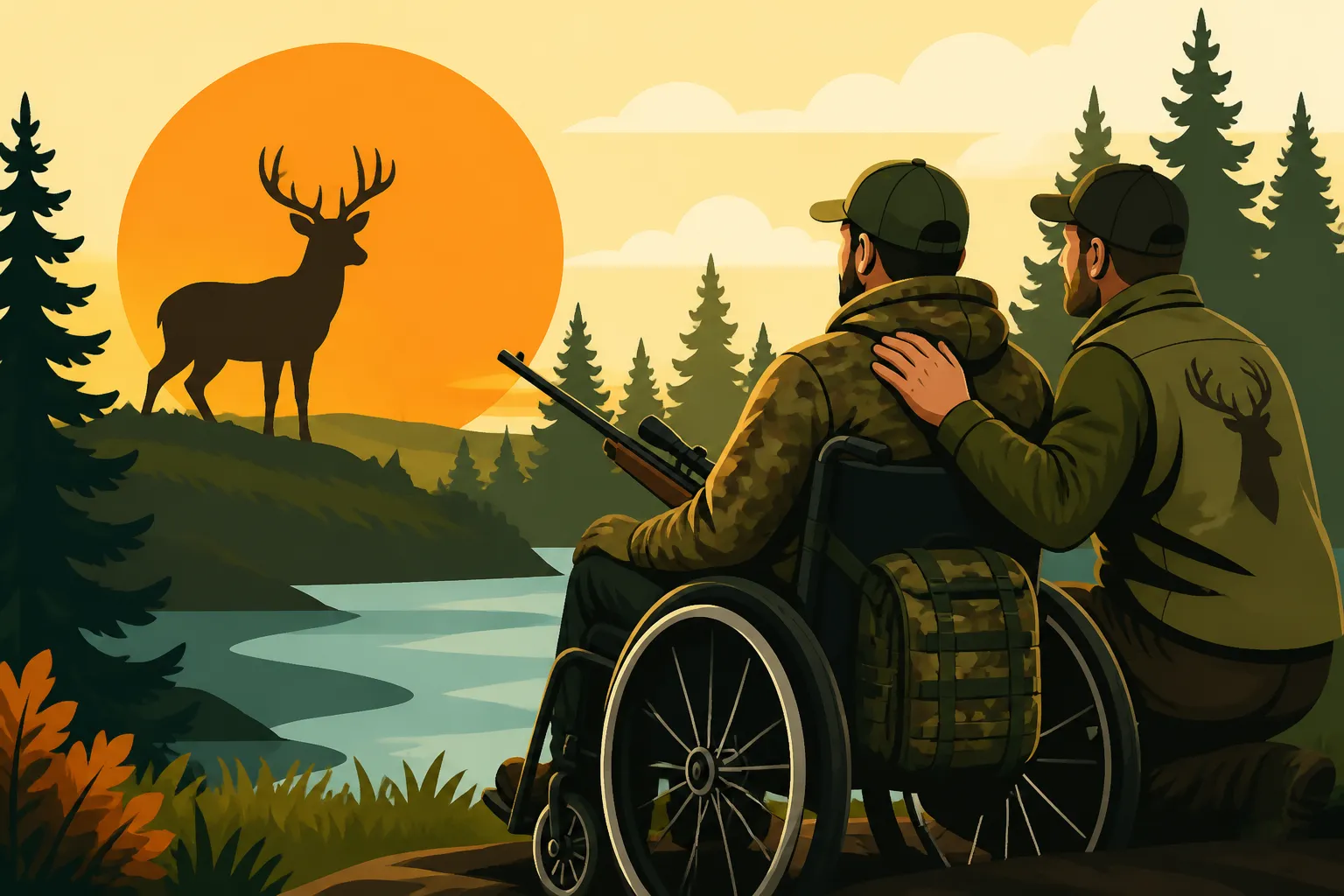
Ontario Guided Hunts for Disabled Hunters
For hunters with disabilities, the call of the wild in Ontario is just as strong, but the path to answering it can often be fraught with unique challenges. From navigating rugged terrain to ensuring comfortable access to hunting blinds and finding guides truly equipped to assist, the journey can seem daunting. This guide is here to shed light on those hurdles, offering practical advice and comprehensive information to help you plan and enjoy an enriching, accessible guided hunting experience across Ontario's diverse landscapes.
Understanding the Unique Needs of Disabled Hunters
Hunting is a passion that knows no physical bounds, but the logistical realities of the outdoors can present significant barriers for individuals with disabilities. It’s not just about getting to the hunting grounds; it’s about having a full, comfortable, and independent-feeling experience from start to finish. Recognizing and articulating these unique needs is the first step toward finding the perfect guided hunt.
Overcoming Mobility Limitations in the Bush
Ontario's hunting territories, whether they be the dense forests of the north or the sprawling farmlands of the south, are inherently wild. This means uneven ground, thick brush, rocky outcrops, and often, wet conditions. For hunters with mobility limitations, such as those relying on wheelchairs, scooters, or prosthetics, simply moving through these environments can be a major undertaking. The challenge isn't just traversing the land, but doing so safely and efficiently to reach prime hunting locations without undue exertion or risk.
Think about a hunter who uses a wheelchair. A typical deer stand accessed by a ladder is immediately out of the question. Even a ground blind might require a perfectly level approach that's free of obstacles. Similarly, for someone with limited stamina, a long trek through the woods, even on a relatively flat trail, could be exhausting before the hunt even begins. The solution often lies in specialized vehicles, prepared trails, or strategically placed blinds that are genuinely accessible, not just "close to the road." A good outfitter understands this and has already thought through these details, ensuring that the hunting experience starts from the moment you arrive, not after a battle with the terrain.
Specialized Equipment and Adaptations
Beyond mobility, disabled hunters often utilize specialized equipment or require adaptations to standard hunting gear. This could range from adaptive shooting rests and modified firearms to specialized seating for comfort and stability, or even communication devices. The challenge here is twofold: ensuring the hunter has access to their necessary equipment, and that the outfitter and guide are knowledgeable about its use and limitations.
Consider a hunter with limited upper body strength who uses a crossbow with a cranking aid. The guide needs to be aware of this, not only to assist with setup if needed but also to understand the firing process and potential reload times. Or perhaps a hunter with hearing impairment might benefit from visual cues or a guide trained in specific communication methods. These aren't minor details; they are critical to safety, success, and enjoyment. An outfitter who has experience with adaptive equipment demonstrates a commitment to truly accommodating diverse needs, making the hunter feel truly supported rather than just tolerated. It’s about creating an environment where the hunter's adaptations are seamlessly integrated into the hunt.
Guide Experience with Diverse Abilities
Perhaps one of the most crucial elements for a successful accessible hunt is the experience and empathy of the hunting guide. A guide who has never worked with a disabled hunter might have the best intentions but lack the practical know-how to ensure a smooth, safe, and fulfilling experience. This isn't about general guiding skills; it's about specific training and a deep understanding of how different disabilities impact the hunting process.
A truly experienced guide understands the nuances of assisting with transfers, identifying accessible pathways, adapting hunting strategies, and providing patient, respectful support. They know when to step in and when to give space, fostering a sense of independence for the hunter. For example, a guide assisting a hunter with a visual impairment wouldn't just point out a deer but would describe its location, movement, and the surrounding environment in vivid detail, allowing the hunter to orient themselves and make an informed shot. This specialized experience translates directly into a higher quality, safer, and more enjoyable hunt. When considering a guided hunt, inquiring about a guide's specific experience with disabled hunters is paramount, often more so than their general hunting prowess.
Finding Accessible Outfitters and Guides in Ontario
Once you understand your specific needs, the next step is locating an outfitter or guide in Ontario who can genuinely meet them. This requires targeted research, clear communication, and knowing where to look for reliable information. It's not always about finding the biggest outfit; sometimes, it's the smaller, dedicated operations that truly shine in this area.
Researching Outfitters for Specific Needs
Starting your search involves more than just a quick internet browse. You'll want to dig deep into an outfitter's capabilities and past experiences. Look for language on their websites or brochures that specifically mentions accessibility, adaptive hunting, or services for disabled hunters. Generic statements about "accommodating all hunters" aren't enough; you need specifics. For instance, do they mention wheelchair-accessible blinds, or specialized transportation like ATV-friendly trails or even track chairs? Do they have staff trained in first aid for various medical conditions?
It's helpful to prioritize outfitters in regions known for specific game you're interested in, such as Whitetail Hunting in Ontario or Moose Hunting Ontario's Northern Bush. Then, within those regions, narrow down the list based on their stated accessibility. Platforms like BookYourHunt and GoHunt, while broad, sometimes have filters or detailed descriptions that can help identify outfitters who highlight their adaptive services. Don't be shy about compiling a list of questions specific to your situation before making contact. This initial research phase is crucial for weeding out those who might mean well but simply aren't equipped.
Key Questions to Ask Potential Outfitters
Once you have a shortlist of potential outfitters, a direct conversation is essential. This is where you lay out your specific requirements and gauge their willingness and capability to accommodate them. Don't assume anything; ask detailed questions.
Here's a table of essential questions to guide your conversation:
| Category | Specific Questions |
|---|---|
| Mobility Access | Do you have wheelchair-accessible blinds or ground blinds with ramp access? |
| What kind of terrain will we be hunting? Are there accessible trails or roads? | |
| What vehicles are used for transport to and from hunting areas? Are they accessible? | |
| Guide Experience | Have your guides worked with disabled hunters before? Can you provide references from previous disabled clients? |
| What specific training do your guides have regarding adaptive equipment or personal care assistance? | |
| Equipment & Setup | Can you accommodate adaptive shooting rests, modified firearms, or crossbows? |
| What kind of seating or stability aids are available in blinds? | |
| Is there a power source available for charging medical devices or power chairs? | |
| Camp & Amenities | Is your lodge/camp wheelchair accessible (rooms, bathrooms, dining)? |
| Do you have medical staff or emergency services readily available? What's your emergency plan? | |
| Are there specific dietary accommodations if needed? | |
| Licensing & Rules | Are you familiar with any special permits or considerations for disabled hunters in Ontario? |
| Can you assist with the process of obtaining Ontario Hunting Licences and What They Cost? |
Be as specific as possible about your disability and what you need. For example, instead of just "I use a wheelchair," specify "I use a rigid frame manual wheelchair and need clear, level access to blinds, and assistance with transfers to an ATV if necessary." The more information you provide, the better an outfitter can assess their ability to provide a truly suitable experience.
Leveraging Online Platforms and Organizations
In today's connected world, there are more resources than ever for disabled hunters. Online hunting forums and specialized Facebook groups dedicated to adaptive hunting can be invaluable. Here, you can ask for recommendations, read reviews, and connect directly with other disabled hunters who have experienced guided hunts in Ontario. These peer-to-peer insights often provide the most honest and practical advice.
Beyond general hunting platforms, look for specific organizations that advocate for and support disabled hunters. Many provinces and states have dedicated programs or non-profits that connect hunters with disabilities to accessible opportunities, sometimes even offering subsidized hunts or specialized equipment. While I can't name specific current organizations, a quick search for "adaptive hunting organizations Ontario" or "disabled hunters Canada" will often yield results for groups that provide invaluable resources, mentorship, and even lists of vetted accessible outfitters. Some may even host events or workshops, offering a great way to meet guides and get a feel for what's available. Remember to also check the Ontario government's hunting regulations for any specific provisions or permits that apply to disabled hunters, as these can sometimes offer additional flexibility or accommodation in the field.
What to Expect from an Accessible Guided Hunt
An accessible guided hunt in Ontario should feel like any other hunt, but with the necessary adjustments made seamlessly in the background. It's about empowering the hunter, ensuring safety, and maximizing the opportunity for a successful and enjoyable experience, free from unnecessary obstacles.
Types of Accessible Blinds and Setups
Accessible blinds are not one-size-fits-all. A reputable outfitter will offer a variety of options tailored to different needs and hunting scenarios. The most common type is a spacious, ground-level blind, often a pop-up or permanent structure, with a wide entrance and enough interior room to comfortably maneuver a wheelchair, track chair, or adaptive seating. These blinds should have clear shooting lanes that are easily utilized from a seated position, and often feature shelving or tables for personal gear and adaptive rests.
Beyond ground blinds, some outfitters might offer elevated blinds with sturdy, low-gradient ramps. These can be particularly effective for certain game species that respond well to an elevated vantage point. For hunters with less severe mobility issues, portable blinds that are quick to set up in strategic locations, combined with off-road vehicle access, can offer more flexibility. For instance, Hunting a Standing Corn Field Edge or Hunting a Fencerow Between Two Fields might require quick, mobile setups, which an accessible ground blind on wheels, or a modified ATV-towed trailer, could provide. The key is that the setup allows the hunter to get into position comfortably, remain concealed, and have unobstructed views and shooting opportunities without excessive physical strain.
Adapted Gear and Comfort Considerations
While most hunters bring their own primary gear, an outfitter focused on accessibility may offer or suggest adaptations that enhance comfort and effectiveness. This could include specialized shooting rests that attach to wheelchairs, stable shooting tables, or even heated ground blinds for colder conditions, which can be particularly important for hunters with circulation issues. Some guides might have access to specialized clothing or warming layers that can make a long sit in a blind much more bearable.
Comfort extends beyond just physical warmth. It includes ergonomic seating, easy access to snacks and hydration, and convenient storage for personal items. A good guide will check in frequently, ensuring you're comfortable and have everything you need. They understand that a long day of hunting requires more than just patience; it requires a supportive environment. This proactive approach to comfort ensures that the hunter can focus on the hunt itself, rather than struggling with discomfort or logistical issues. Don't hesitate to discuss any specific comfort needs you have during the booking process, as it allows the outfitter to prepare accordingly.
The Guide's Role in an Inclusive Hunt
The guide is the linchpin of an accessible hunt. Their role goes far beyond merely spotting game or field dressing. They become an extension of the hunter's capabilities, acting as a supportive partner. This means assisting with transfers to and from vehicles or blinds, helping set up adaptive equipment, ensuring safety during movement, and being an observant, patient companion. They'll know the best routes to minimize physical strain and position the hunter for optimal success, whether it's Hunting a Cedar Swamp Edge or a remote bush lot.
Crucially, an inclusive guide respects the hunter's independence. They provide assistance when needed, not constantly hovering. They listen to the hunter's preferences, adapt strategies on the fly, and ensure that the hunting experience remains centered on the hunter's abilities and desires. For example, if you're on a Spring Bear Hunting in Ontario trip, the guide might focus on bait sites that are easily accessible, monitor wind direction carefully, and position you in a blind where you have a clear, safe shot, while also being ready to assist with tracking or retrieval if needed. It's a collaborative effort, built on trust and mutual respect, allowing the disabled hunter to truly own their hunting experience.
Special Considerations for Disabled Hunters
Beyond the general planning and execution, there are specific legal, health, and ethical considerations that disabled hunters in Ontario should be particularly aware of. These layers ensure not only compliance with regulations but also a safe, responsible, and positive experience for everyone involved.
Legal Aspects: Permits and Accessible Blinds
Ontario, like many jurisdictions, has specific provisions and interpretations within its hunting regulations to accommodate hunters with disabilities. While standard Ontario Hunter Education Requirements apply to most, there might be exemptions or special permits related to how or where certain individuals can hunt. For example, there could be provisions regarding hunting from a vehicle in specific circumstances, or special permits for using crossbows outside of their general season for archery hunters with physical limitations. It is absolutely vital to consult the current Ontario Hunting Regulations Summary, often found on the government's official natural resources website, or to speak directly with the Ministry of Natural Resources and Forestry (MNRF) about any specific permits or authorizations you might need.
Regarding accessible blinds, while there isn't typically a province-wide "accessible blind permit," an outfitter offering such structures on private land will adhere to general land-use and safety regulations. On Crown Land, where Hunting Ontario's Crown Land is permitted, portable ground blinds are generally allowed, but permanent structures usually are not, unless specific permits have been obtained by a group or individual. Always confirm with your outfitter that their accessible setups are fully compliant with all provincial regulations to avoid any unforeseen issues during your hunt.
Health, Safety, and Emergency Preparedness
For any hunting trip, safety is paramount, but for disabled hunters, it takes on an even greater emphasis. It’s crucial to communicate all relevant health information to your outfitter and guide well in advance. This includes any medical conditions, allergies, medications, and emergency contacts. The outfitter should have a robust emergency plan, especially in remote areas where cell service might be limited, such as when Hunting Ontario's Northern Lake Country.
This plan should cover how to handle medical emergencies, how to extract a hunter safely from the bush, and where the nearest medical facilities are. Discussing this openly helps everyone prepare. For example, if you have a condition that might require specific medication at certain times, ensure your guide is aware and that the medication is easily accessible. Outfitters who routinely host disabled hunters will often have first aid kits that are more comprehensive and guides trained in advanced first aid or wilderness response. Don't be afraid to ask about their specific protocols for emergencies, including communication methods (e.g., satellite phone, SPOT device) in areas without cellular reception.
Selecting Game Species and Seasons
While many game species can be hunted by disabled individuals, some might lend themselves better to an accessible setup than others. For example, a baited Black Bear Hunting in Ontario scenario often involves sitting in a stationary blind, which can be ideal. Similarly, certain forms of Waterfowl Hunting Across Ontario, particularly from a permanent blind or shore setup, can be very accessible. Deer hunting from a stationary blind, especially for whitetails in farmland areas, is also often adaptable.
However, more physically demanding hunts, like still-hunting for moose in dense bush or certain types of Small Game Hunting in Ontario that involve extensive walking, might require more significant adaptations or specialized equipment. Discuss with your outfitter which species and hunting methods they have successfully adapted for disabled hunters. Consider the season too; early seasons might be warmer but bring more bugs, while late seasons are colder but might offer easier tracking in snow. Each choice impacts the logistical and comfort aspects of your hunt, so making an informed decision about your target species and timing, perhaps aligning with When Ontario's Bow Season Runs or Hunting the Rut in Early to Mid November, is key to a rewarding experience.
Planning Your Accessible Ontario Hunt
A successful accessible hunt in Ontario is the result of meticulous planning. From financial considerations to packing the right gear and ensuring smooth travel, every detail matters. Approaching this with a systematic mindset will greatly reduce stress and increase the likelihood of a memorable adventure.
Budgeting for an Accessible Guided Hunt
When considering a guided hunt, budgeting is always a significant factor. For accessible hunts, there might be additional costs associated with specialized equipment, modified vehicles, or extra guide time. It's important to get a clear, itemized quote from the outfitter. This should include the base hunt package, any adaptive equipment rental fees, additional guide services, and any special accommodation requests. Be aware of what's included and what's extra. For example, while some outfitters might include basic meat processing, specialty taxidermy or trophy shipping might be an additional cost, as might obtaining a Non-Resident Export Permit if you're coming from outside Canada.
Compare quotes from several outfitters, but remember that the lowest price isn't always the best value, especially when specialized services are involved. Sometimes, paying a bit more for an outfitter with proven experience and dedicated accessible facilities will lead to a far superior and safer experience. Inquire about payment schedules, deposit requirements, and cancellation policies, and definitely consider Ontario Hunt Cancellation Insurance to protect your investment against unforeseen circumstances. Many outfitters list their What an Ontario Guided Hunt Costs or Ontario Black Bear Hunt Prices on their websites, but for accessible services, direct inquiry is best for a precise quote.
Essential Packing List for Comfort and Safety
Packing for an accessible hunt in Ontario requires careful thought, especially when considering personal comfort and safety in variable conditions. Beyond your standard hunting attire, consider items specific to your needs. If you use a wheelchair, extra rain gear or waterproof covers are crucial. Layered clothing is always wise in Ontario's unpredictable weather, as temperatures can swing wildly, even during a single day. Think about moisture-wicking base layers, insulating mid-layers, and a waterproof/windproof outer shell. For colder hunts, heated vests, hand warmers, or specialized insulated footwear can make a huge difference.
Don't forget your personal medications, charging devices for any electronic aids, spare batteries, and any comfort items that help you relax in a new environment. A good quality pair of binoculars or a spotting scope can enhance the experience, allowing you to observe wildlife even if mobility is restricted. Ensure all your equipment is well-maintained and tested before the trip. Your outfitter should be able to provide a comprehensive packing list based on the season and type of hunt, but always add your personal necessities to that.
Transportation and Travel Logistics
Getting to your Ontario hunting destination, especially with adaptive equipment, requires careful planning. If you're driving, ensure your vehicle can comfortably accommodate all your gear and any mobility aids. If flying, you'll need to check airline policies regarding oversized luggage, wheelchairs, and firearms well in advance. Bringing Firearms Into Ontario requires specific documentation and declaration at the border. Many international hunters rely on the Non-Resident Firearm Declaration form.
Discuss your travel plans with your outfitter. Some may offer airport pickup services, or they can recommend accessible transportation options from major hubs like Toronto or Thunder Bay to their camp. Consider the accessibility of any overnight accommodations you might need before or after the hunt. If you're traveling through different regions of Ontario, such as from southern farmland to northern bush, be aware of the varying conditions and travel times. A well-communicated itinerary between you and your outfitter can prevent logistical headaches and ensure a smooth journey to and from your hunting adventure.
Beyond the Hunt: Resources and Community
The experience of an accessible hunt extends far beyond the time spent in the field. It's also about connecting with a supportive community, accessing ongoing resources, and potentially even becoming a mentor for others.
Organizations Supporting Disabled Hunters
There are many dedicated organizations whose mission is to promote and facilitate hunting opportunities for individuals with disabilities. These groups often provide invaluable resources, from information on adaptive equipment and accessible hunting locations to mentorship programs and organized hunts. While specific names may vary over time, a good starting point is to search for national or provincial "adaptive hunting associations" or "disabled sportsmen's foundations" in Canada and Ontario.
These organizations often work with government agencies, outfitters, and landowners to create more accessible hunting environments. They can be a fantastic first point of contact for anyone looking to embark on an accessible hunt, offering advice, advocacy, and a network of fellow hunters. They might also provide information on specific permits or regulations, such as those related to Ontario Disabled Hunter Permits, which can provide additional accommodations for qualified individuals. Connecting with these groups means you don't have to navigate the journey alone; you become part of a larger community dedicated to making hunting accessible to everyone.
Community Forums and Peer Support
The power of peer support cannot be overstated. Online forums, social media groups, and local clubs dedicated to disabled hunters offer a platform for sharing experiences, asking questions, and getting candid advice from those who truly understand. Here, you can find reviews of specific outfitters, tips on adaptive gear, and moral support from individuals who face similar challenges. Want to know if a specific outfitter near Hunting the Haliburton Highlands truly has accessible blinds, or what it's like to use a track chair in Canadian bush? This is the place to ask.
These communities are often vibrant and welcoming, fostering a sense of camaraderie and shared passion. They can be particularly helpful for new disabled hunters, providing encouragement and practical solutions that might not be found through traditional channels. Don't underestimate the value of connecting with others who have walked a similar path; their insights can be invaluable in planning your own successful hunt.
Mentorship and Passing on the Tradition
For many disabled hunters, the ultimate reward isn't just a successful harvest, but the opportunity to continue a cherished tradition and potentially pass it on to others. Once you've gained experience in accessible hunting, consider becoming a mentor yourself. Sharing your knowledge, challenges, and triumphs can inspire and guide new hunters with disabilities, helping them overcome their initial anxieties and find their own path in the outdoors.
Many organizations actively seek experienced disabled hunters to serve as mentors. This not only reinforces your own skills and passion but also strengthens the adaptive hunting community as a whole. Imagine being able to share your successful Whitetail Hunting in Ontario story or recounting your thrilling Black Bear Hunting in Ontario experience, offering practical advice on everything from gear to choosing the right outfitter. It's a powerful way to give back and ensure that hunting remains an inclusive pursuit for generations to come.
Disclaimer
This article is for general informational purposes only and does not constitute professional advice. Laws, prices and regulations vary by location and change over time. Consult a qualified professional for guidance on your specific situation.