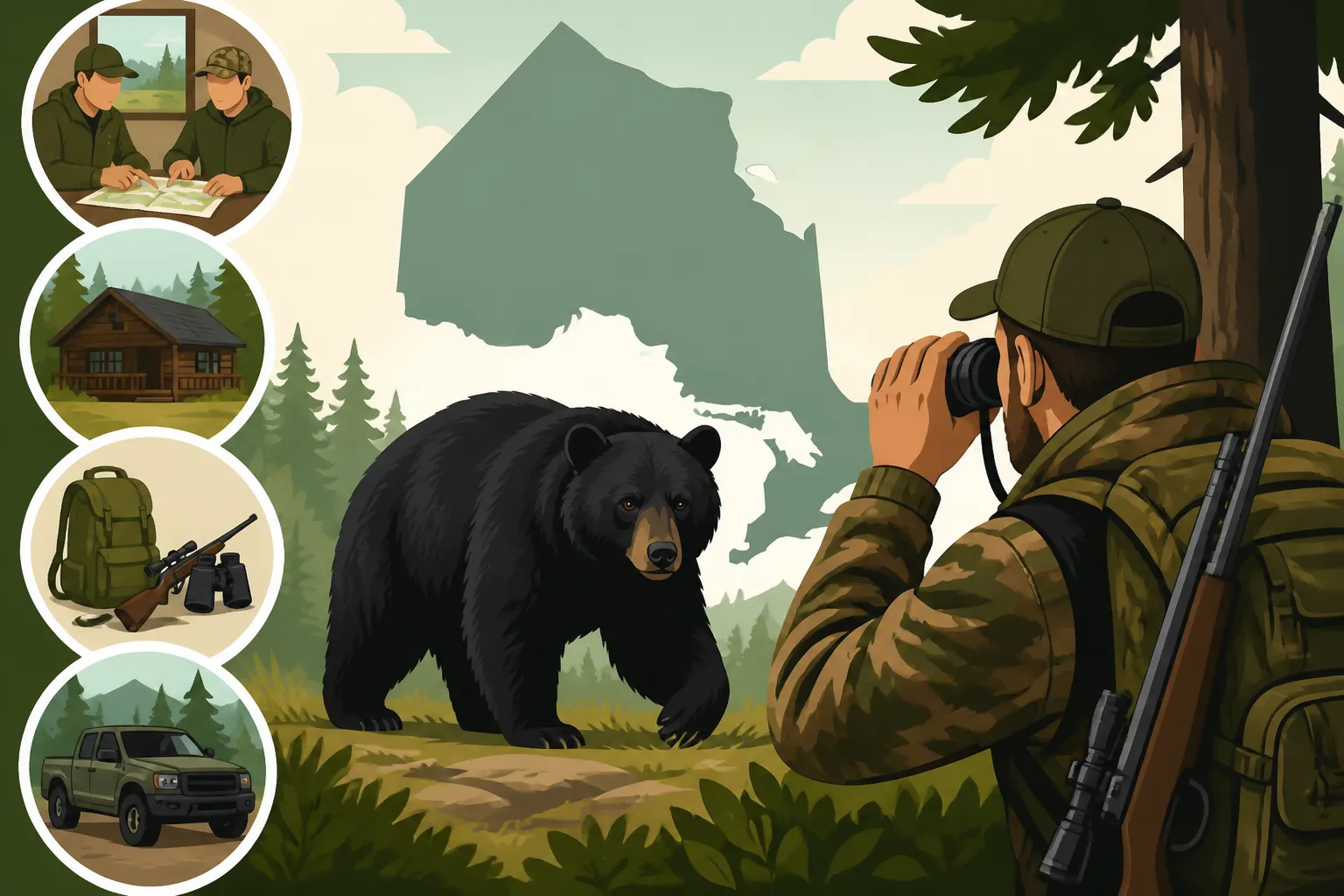
What a Guided Bear Hunt Includes
The dream of a black bear hunt in Ontario can be incredibly exciting, but for many, especially those new to hunting the province or specifically hunting bear, the logistics of a guided trip can feel like a labyrinth of unknowns. You’ve likely asked yourself: what exactly am I paying for? What’s included in the package, and what unexpected costs might crop up? This guide aims to pull back the curtain on guided bear hunts in Ontario, detailing precisely what you can expect when you book an experience with a reputable outfitter.
The Core Components of an Ontario Guided Bear Hunt Package
When you invest in a guided bear hunt in Ontario, you're not just buying a tag; you're often buying a complete experience designed to maximize your chances of success and comfort. Outfitters have spent years honing their craft, learning the bear habits of their specific area, and refining their services to provide a seamless adventure for their clients. It’s a significant investment, and understanding the foundational elements is key to appreciating its value.
Accommodation and Meals
One of the biggest conveniences of a guided hunt is the removal of logistical headaches, and accommodation is usually at the top of that list. Most Ontario outfitters provide comfortable lodging, which can range from rustic yet cozy cabins deep in the bush to more modern lodge facilities with all the amenities. Think warm beds after a long day in the stand, a place to dry your gear, and a communal space to share stories with your fellow hunters. The type and level of accommodation will often be a primary factor in the overall cost of the hunt, and it's always worth clarifying beforehand, especially if you have specific preferences or needs. Some outfits cater to a more luxurious experience, while others focus on getting you deep into bear country with simpler, functional arrangements.
Along with a roof over your head, a substantial part of the package usually includes meals. And let me tell you, after a long day tracking or sitting on a bait, a hot, hearty meal is a game-changer. Outfitters generally provide three squares a day, often home-cooked and designed to fuel hungry hunters. This typically means a good breakfast before heading out, a packed lunch for the stand or field, and a hot supper waiting for you back at camp. Some camps might be "American Plan," meaning all meals are prepared and served to you, while others operate on a "Housekeeping Plan" where basic kitchen facilities are provided for you to cook your own meals, sometimes with groceries included. Always confirm the meal plan to ensure it aligns with your expectations, especially if you have dietary restrictions or preferences. It’s a huge relief not to worry about grocery shopping or cooking when your focus is entirely on the hunt.
Professional Guiding Services
This is arguably the most valuable aspect of a guided hunt. A professional guide brings invaluable local knowledge, years of experience, and an understanding of bear behaviour in their specific Wildlife Management Unit that you simply can't acquire in a short visit. They've scouted the area, identified prime bear habitat, know the local movements, and have established bait sites. Their expertise greatly increases your odds of success. They'll be the ones taking you to your stand, advising on shot placement, helping you track, and ensuring your safety throughout the hunt.
The guide-to-hunter ratio is an important factor to consider here. Some outfits offer one-on-one guiding, providing a very personalized experience, while others might have one guide for every two or three hunters. This can impact the level of individual attention you receive and should be clarified when you book. A good guide isn't just a driver; they're a mentor, a storyteller, and often, a new friend. They are crucial for hunters who might be travelling from out of province or even out of country, providing the necessary local expertise that ensures a legal and successful hunt. They also understand Ontario's Black Bear Rules inside and out, keeping you on the right side of regulations.
Transportation During the Hunt
Getting to and from your stand or hunting area can be half the battle, especially in Ontario's vast wilderness. Guided bear hunt packages almost always include transportation once you arrive at the outfitter's camp. This could involve anything from ATV rides down rugged bush trails, truck or side-by-side travel on logging roads, or even boat transfers across lakes and rivers to access remote bait sites. The outfitter understands the terrain and has the appropriate vehicles to navigate it safely and efficiently.
This dedicated transport means you don't have to worry about getting your personal vehicle stuck, lost, or damaged on unfamiliar back roads. The guides know the routes, the potential hazards, and how to get you to your hunting location quietly and without disturbing game. For hunters coming from afar, this is a huge logistical advantage, as you often won't need to rent a specialized vehicle or bring your own off-road transport. It's all part of the convenience package, letting you focus on the hunt itself.
The Bear Baiting Strategy and Setup
Ontario is well-known for its effective black bear baiting programs, and this is a cornerstone of most guided bear hunts here. Outfitters spend significant time and resources in the weeks and even months leading up to the season to establish and maintain active bait sites. This isn't just throwing out a few donuts; it's a strategic, labour-intensive process designed to pattern bears and provide ethical shot opportunities.
The Science of Bear Baits
Bear baiting in Ontario is a highly regulated practice that requires careful planning and execution. Outfitters begin establishing their bait sites long before the hunting season opens, typically by late spring or early summer for a fall hunt. They choose strategic locations, often in dense bush near known bear travel corridors, water sources, and natural food sources. The bait itself is a carefully selected combination of high-calorie, aromatic foods designed to attract bears from a wide area and keep them returning consistently. Think discarded pastries, grease, dog food, corn, and other sweet or fatty treats. The goal is to condition bears to visit the bait regularly during daylight hours, making it possible for hunters to intercept them.
This isn't a passive activity; it's a commitment. Guides constantly monitor and refresh these baits, often using trail cameras to identify specific bears, gauge their visiting patterns, and assess their size and health. This detailed pre-season work is what makes a guided hunt so effective. You're not just hoping to stumble upon a bear; you're hunting an animal that has been patterned to a specific location through diligent effort. This dedication to bait maintenance is why many hunters seek out professional outfits, often found through resources like BookYourHunt or GoHunt, which list reputable operations with established baiting programs. For more on the specifics, check out Baiting Black Bear in Ontario.
Stand Placement and Safety
Equally as crucial as the bait itself is the stand from which you'll be hunting. Outfitters typically set up comfortable and safe tree stands or ground blinds at optimal distances from the bait, ensuring ethical shot opportunities. These stands are placed with prevailing wind directions in mind, understanding how a bear's keen sense of smell can detect human presence. The angles are scouted, shooting lanes are cleared, and the setup is designed for both concealment and a clear shot.
Safety is paramount. Stands are regularly inspected for integrity, and guides will brief you thoroughly on how to safely enter and exit your stand, how to use a safety harness (which is often mandatory and provided or required), and what to do in case of an encounter. The guide will have considered the escape routes for bears, the backdrop for your shot, and the best vantage point for judging your bear. This attention to detail contributes significantly to a successful and responsible hunt.
Daily Bait Maintenance
Once the hunt begins, the daily ritual of bait maintenance continues. Each morning or afternoon, depending on the strategy, the guide will visit the active bait sites, often well before you're in your stand, to refresh the bait and check trail cameras. This is a critical task; keeping the bait fresh and appealing ensures the bears remain interested and continue their established patterns. They might add new scents or adjust the bait mix based on recent activity or weather conditions.
The daily checks also provide crucial real-time intelligence. The guide can see which bears visited overnight, if new bears have moved in, or if a particular bear has changed its routine. This information can influence which stand you hunt, or even if the bait needs to be moved or intensified. It's a constant, responsive process aimed at maximizing your chances each time you sit. This consistent effort is a huge value-add for any hunter, especially when considering Hunting a Fall Bear Bait in September or Spring Bear Hunting in Ontario.
Essential Gear and Equipment Provided (or Not Provided)
It’s always a good idea to know what you’re expected to bring on a guided hunt versus what the outfitter will have on hand. No one wants to arrive at a remote camp in Northern Ontario only to realize they’ve forgotten something critical. A good outfitter will provide a detailed packing list, but here’s a general overview.
What the Outfitter Typically Supplies
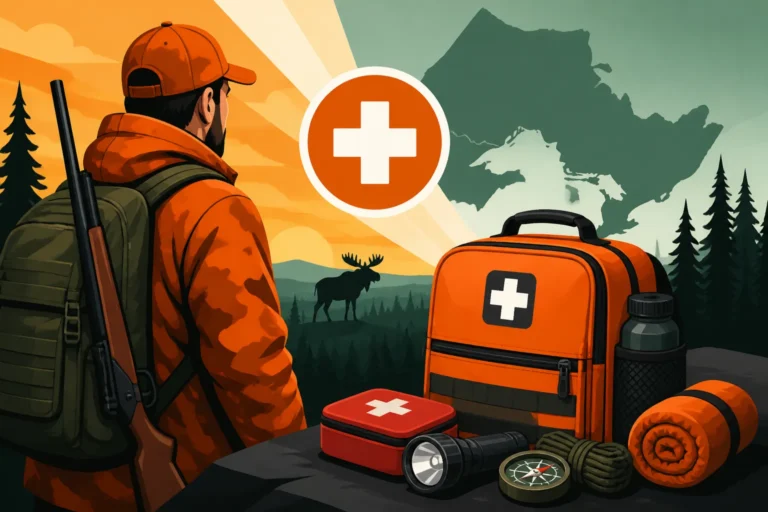
Beyond accommodation, meals, guiding, and transportation, outfitters often supply certain key pieces of equipment essential for the hunt. This usually includes the stands or blinds you'll be hunting from, and often a safety harness is provided or strongly encouraged for use in treestands. Some will provide communication devices like two-way radios or satellite phones for emergencies, especially if you're hunting in areas with no cell service. Basic first-aid kits are always on hand in camp and with guides in the field.
For the actual hunt, while you typically bring your own weapon, some outfitters may have rifles available for rent, which can be convenient for international travellers looking to avoid the complexities of Bringing Firearms Into Ontario. They’ll also have the necessary tools for field dressing and initial game handling, like knives, game bags, and perhaps even a hoist. It’s always best to ask for a comprehensive list from your chosen outfitter – clarity here can prevent unexpected stress.
What You'll Need to Bring Yourself
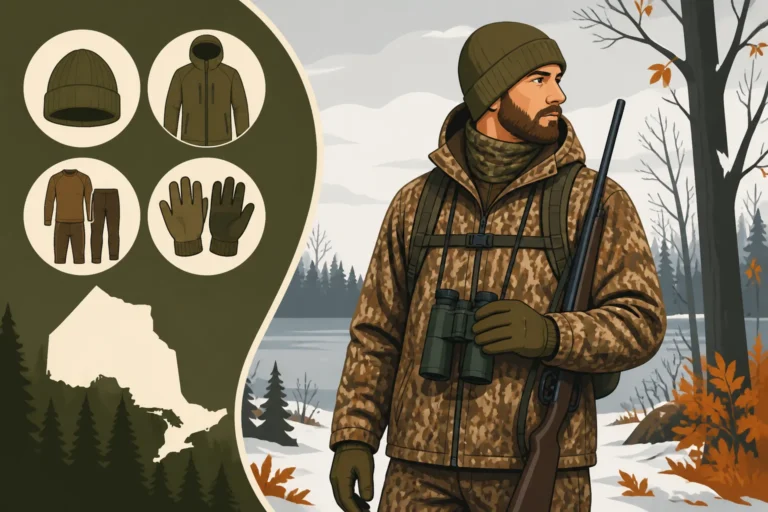
This list is usually more extensive and covers your personal hunting gear and clothing. Warm, waterproof, and scent-free clothing is absolutely essential, especially for Hunting Ontario's November Gun Season or a chilly spring hunt. Layering is key, as temperatures can fluctuate wildly. Good quality, broken-in hunting boots that are waterproof and comfortable for walking in rugged terrain are a must. Don't skimp here; wet, cold feet can ruin a hunt.
You’ll also need your personal hunting weapon (rifle, shotgun, muzzleloader, or bow) and sufficient ammunition. Optics like binoculars and a rangefinder are highly recommended. A good headlamp or flashlight, a sharp personal knife, a small backpack for daily essentials, and personal toiletries are standard. Don't forget bug spray, especially for early season hunts when black flies and mosquitoes can be intense. Sunscreen, a hat, and gloves should also be on your list. Your Ontario Hunting Licences and What They Cost and any relevant tags, along with your Outdoors Card, are critical and your responsibility to possess.
Firearms, Bows, and Ammunition Considerations
When preparing for your guided bear hunt, your choice of weapon is personal, but adherence to Ontario regulations is mandatory. Guides can offer advice on suitable calibres for rifles, or appropriate draw weights and arrow setups for archery, but ultimately, the choice is yours. Ensure your firearm or bow is sighted in and that you are proficient with it before you arrive. A guided hunt is not the time to be learning your equipment.
For non-residents, special attention needs to be paid to bringing firearms across the Canadian border. There are specific declaration forms and processes that must be followed precisely. It's often easier for many to rent a suitable firearm from the outfitter if that option is available. Ammunition also has limits on what can be brought across. Always confirm current regulations with the Canadian Border Services Agency well in advance of your trip. The outfitter may offer assistance or guidance on these matters, as they are experienced with international hunters.
Post-Harvest Care and Logistics
Successfully harvesting a bear is a monumental achievement, but the hunt isn't truly over until the meat is processed and the trophy is cared for. A guided hunt significantly simplifies these often daunting tasks, especially when dealing with a large animal in the remote wilderness.
Field Dressing and Recovery Assistance
Once a bear is down, the guide's work immediately shifts to recovery and field dressing. Black bears can be surprisingly heavy and are often taken in dense cover, making recovery a challenging task. Your guide and any camp assistants will have the necessary equipment, like game carts, ATVs, or even small boats, to retrieve the animal safely and efficiently. This is a huge benefit, as dragging a several-hundred-pound bear out of a swamp or thick bush is no small feat.
The guide will also assist with or entirely handle the field dressing. This is crucial for preserving the meat quality, especially in warmer early season hunts. They'll ensure the animal is gutted quickly and cleanly, explaining the process as they go. This expertise is invaluable, especially for hunters new to handling large game or those unfamiliar with the specific anatomy of a bear. Knowing the importance of Meat Care in Ontario's Warm Early Seasons can make all the difference to your final product.
Meat Processing and Cold Storage
After field dressing, the care of the meat becomes paramount. Most guided bear hunt packages include initial meat handling and cold storage at the camp. This might involve skinning the bear, quartering it, and placing it in a cooler, freezer, or hanging in a designated game pole area to cool properly. Some outfitters have dedicated meat-cutting facilities on site, where they can process the bear into manageable cuts ready for transport. Others will arrange for the meat to be taken to a local butcher or wild game processor.
It's important to clarify the extent of meat processing included. Will it be quartered and frozen, or fully butchered and vacuum-sealed? Are there additional costs for professional butchering services outside of what the outfitter provides? For non-residents, understanding the regulations for Transporting Game Meat in Ontario and across the border is vital, and your outfitter can usually advise on this. This logistical support ensures your valuable harvest is handled correctly from the moment it hits the ground.
Trophy Care and Taxidermy Coordination
If you've harvested a trophy bear, proper care of the hide and skull is essential for taxidermy. Outfitters will provide basic caping services, preparing the hide for a shoulder mount or a rug. This involves skinning the head, turning the ears, and splitting the lips, which are delicate and specialized tasks. They will also prepare the skull for boiling if you plan to get a European mount. This critical first step ensures your trophy is preserved correctly. For example, knowing the nuances of Skinning a Bear for a Rug is something an experienced guide provides.
Many outfitters have relationships with local taxidermists and can arrange for your trophy to be transported there, minimizing your stress. They can often provide contact information for these professionals and help coordinate shipping to your home country if needed. Be sure to discuss your trophy expectations with your outfitter beforehand so they can guide you through the process and ensure your valuable hide and skull are handled to your satisfaction. Understanding What Shipping a Cape and Antlers Costs and the required Getting a Non-Resident Export Permit can be critical details.
Understanding Licences, Tags, and Regulations
Navigating the regulatory landscape of hunting can be daunting, especially in a new province or country. A significant benefit of a guided hunt is the outfitter's expertise in ensuring all legal requirements are met, minimizing any risk of unintentional violations for their clients.
The Role of the Outfitter in Licensing
While you, as the hunter, are ultimately responsible for possessing a valid Outdoors Card and the correct licences and tags, your outfitter plays a crucial role in guiding you through this process. For non-residents, in particular, outfitters often have an allocation of non-resident bear tags. Booking with them typically means they will secure the appropriate Ontario Black Bear Licence Cost and tags for you, simplifying what can be a confusing online application process. They’ll also confirm you have a valid Outdoors Card, which is the foundational document for hunting in Ontario.
Your outfitter will make sure you understand the hunting zones, season dates, and specific rules that apply to your hunt. They want you to have a successful and legal hunt just as much as you do, so they’ll walk you through what’s needed, usually well in advance of your trip. This proactive support helps avoid common pitfalls and ensures you’re fully compliant when you arrive at camp. They can also clarify nuances like Whether Ontario Requires a Guide for bear hunting, which for non-residents, is generally the case if they don't hunt with an Ontario resident.
Black Bear Validation Certificate Requirements
Beyond the basic hunting licence, Ontario requires hunters to possess a Black Bear Validation Certificate if they are hunting black bear. This certificate is specific to the hunter and the hunt, and your outfitter will ensure you understand its purpose and how to obtain it. It’s part of the province's management strategy for the Black Bear Numbers and Where They Peak in Ontario.
The outfitter will also brief you on critical regulations such as species identification, ensuring you can differentiate between a boar and a sow, and absolutely understanding Why You Cannot Shoot a Sow With Cubs. These are non-negotiable rules designed to protect the bear population and ensure ethical hunting practices. Your guide will emphasize these points, sometimes showing you examples of different bears on trail cameras, so you are prepared for the moment of truth. This education is a vital part of what a good guided hunt includes.
Key Ontario Bear Hunting Regulations
Ontario has a comprehensive set of regulations governing black bear hunting. Your outfitter will be your primary resource for understanding these rules, which cover everything from shooting hours to methods of take, baiting specifics, and reporting requirements. For instance, they'll ensure you know how to properly notch and attach your tag immediately after harvesting a bear, and the mandatory harvest reporting procedures.
They'll also explain restrictions, such as the prohibition on using artificial lights to locate or shoot bears, and rules around baiting near roads or residences. These details are often overlooked by self-guided hunters but are critical for staying legal. A guide will cover topics like the legal types of firearms and bows allowed, and minimum calibre requirements, helping you avoid any legal mishaps during your hunt. This regulatory oversight is a huge stress reliever for hunters focused on the experience.
What a Guided Hunt Doesn't Typically Cover
While guided hunts are comprehensive, it's crucial to understand what's usually not included in the base price. This allows you to budget accurately and avoid any unpleasant surprises once you're on your trip. Transparency about these extra costs is a hallmark of a good outfitter.
Personal Expenses and Travel to Camp
The vast majority of guided hunt packages do not cover your personal travel expenses to get to the outfitter's lodge or meeting point. This means your flights, gas, vehicle rentals, and any overnight accommodations before or after the hunt are usually your responsibility. For example, if you're flying into Toronto or Thunder Bay, the cost of getting from the airport to the remote camp is on you.
Think about what you'll need for snacks, personal beverages, or any souvenirs you might want to pick up. These personal incidentals are typically outside the scope of the package. It's always wise to factor in a buffer for these expenses when planning your trip.
Gratuities and Additional Services
Tipping your guide and camp staff is a customary practice in the hunting industry, and it's generally not included in the upfront package price. Guides, cooks, and other camp personnel work incredibly hard, often for long hours, to ensure your hunt is successful and comfortable. A gratuity is a way to acknowledge their dedication and the quality of their service. While the amount is discretionary, it's helpful to budget a certain percentage of your hunt cost for tips. Many outfitters provide guidelines or suggestions on How Much to Tip an Ontario Guide.
Additional services, such as professional meat processing beyond basic quartering, taxidermy, or shipping of your trophy and meat, are also usually extra. While the outfitter will help facilitate these, the actual cost of the service falls to you. If you're looking for Getting a European Mount Done or Getting a Bear Rug Tanned, those are typically separate expenses.
Hidden Costs to Prepare For
While reputable outfitters strive for transparency, there are sometimes less obvious costs that can add up. For example, specific hunting licences, tags, or a Federal Migratory Game Bird Permit if you add a bird hunt, are often not included in the base price and need to be purchased separately. Export permits for meat or trophies for non-residents are another potential fee.
Consider equipment rentals if you didn't bring your own. Some camps might have a small charge for things like extra ice or special requests. Also, be prepared for any unexpected travel delays that might incur extra lodging or food costs on your way to or from the camp. A robust travel insurance policy is often a good idea to cover these unforeseen circumstances, especially for those booking through platforms like BookYourHunt or GoHunt. Always ask for a detailed breakdown of all potential costs, included and excluded, before you finalize your booking.
What a Guided Bear Hunt in Ontario Typically Includes
| Category | Included | Not Typically Included |
|---|---|---|
| Pre-Hunt & Planning | Outfitter secures non-resident tag allocation. Advice on licensing & regulations. Pre-season scouting and bait site establishment. | Your personal Outdoors Card. Specific hunting licence & bear validation certificate costs. Travel insurance. |
| Accommodation & Meals | Comfortable lodging (cabin, lodge room). Daily meals (breakfast, packed lunch, dinner). | Alcoholic beverages, personal snacks/drinks. Meals outside of the camp (e.g., during travel). |
| Guiding & Hunting | Professional guide services (1:1 or 1:2 ratio). Transportation from camp to hunting area. Pre-set stands/blinds. Daily bait maintenance. Assistance with shot placement. | Personal hunting weapon & ammunition (unless rented). Optics (binoculars, rangefinder). Hunting clothing & personal gear. |
| Post-Harvest | Field dressing & bear recovery assistance. Initial meat handling (skinning, quartering). Cold storage at camp. Basic caping for trophy care. Coordination with local services. | Professional meat processing (butchering, vacuum sealing). Taxidermy services. Shipping costs for meat/trophy. Non-resident export permits. |
| Logistics | Emergency communication (satellite phone, radio). First-aid supplies in camp/with guide. | Travel to and from the outfitter's camp (flights, gas, vehicle rental). Overnight stays before/after hunt. Gratuities for guides & staff. |
Disclaimer
This article is for general informational purposes only and does not constitute professional advice. Laws, prices and regulations vary by location and change over time. Consult a qualified professional for guidance on your specific situation.