Signing an Outfitter Liability Waiver
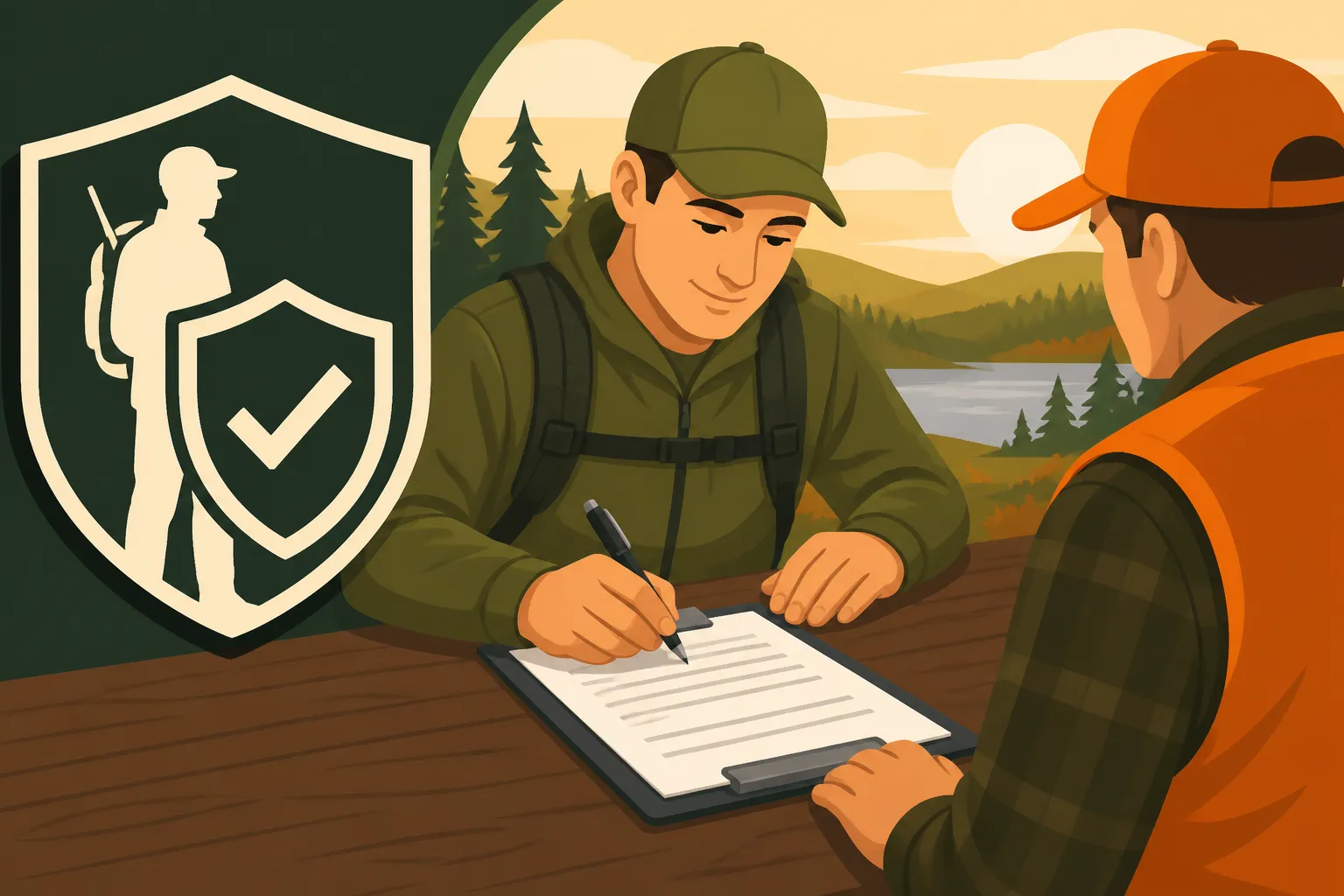
It’s a common moment for any hunter, especially when you’ve booked a guided trip: you arrive at camp, filled with excitement, and then someone hands you a stack of papers. Buried in that stack, often near the top, is a liability waiver. For many of us, the immediate instinct is to skim it, sign it, and get on with the hunt. But taking a moment to understand what you’re actually agreeing to can save you a lot of grief and confusion down the road. This guide will walk you through the ins and outs of signing an outfitter liability waiver when you’re hunting in Ontario, explaining why they exist, what they mean, and what you should really pay attention to before you put your name on the dotted line.
What is a Liability Waiver in the Hunting Context?
When you sign a liability waiver, you are essentially entering into a legal agreement that outlines the risks associated with an activity and, in most cases, releases the outfitter or guide from certain responsibilities if something goes wrong. Think of it as a formal acknowledgement of the inherent dangers involved in hunting, and an agreement not to sue the outfitter for injuries or damages that fall within the scope of those acknowledged risks. It's not a casual piece of paper; it's a significant legal document.
The Basic Purpose of a Waiver
At its core, a waiver serves to protect the outfitter’s business from frivolous lawsuits and the financial burdens that can arise from accidents. When you're out in the bush, on the water, or even just around camp, there are countless ways an injury could occur. From slipping on a rocky trail to an accidental discharge of a firearm, or even a vehicle accident on a remote bush road, the possibilities are extensive. The outfitter, in good faith, assumes you understand these risks and are willing to accept them as part of the experience. The waiver formalizes this understanding, acting as a crucial piece of evidence in case a dispute ever arises. It creates a baseline understanding of shared responsibility, where you, as the participant, accept the known risks of the activity.
Common Scenarios Covered
An outfitter’s liability waiver will typically cover a broad spectrum of potential hazards inherent to a hunting trip. This could include, but isn't limited to, injuries sustained from wildlife encounters, falls on uneven terrain, accidents involving equipment (like ATVs, boats, treestands, or firearms), inclement weather conditions, or even food-related issues at camp. It might also address property damage, loss of personal items, or even transportation accidents during the hunt. For example, if you’re heading out for Moose Hunting Ontario's Northern Bush, the waiver will likely cover risks associated with navigating vast, remote wilderness, operating a canoe or ATV, and the potential for a moose encounter itself. The language is often comprehensive to ensure as many foreseeable risks as possible are accounted for, putting the onus on the participant to be aware and cautious.
Why Do Outfitters Require Waivers in Ontario?
It might feel a bit intimidating to sign a document that essentially says, "if you get hurt, it's not our fault." But from the outfitter's perspective, these waivers are a necessary part of doing business, especially in an activity like hunting that carries inherent risks. They're not trying to shirk all responsibility, but rather to manage the legal and financial exposure that comes with offering adventurous experiences in the wild.
Mitigating Business Risk
Operating a hunting guide service in Ontario, whether you're focusing on Black Bear Hunting in Ontario or Whitetail Hunting in Ontario, comes with significant operational costs and risks. Outfitters invest heavily in equipment, licensing, insurance, and highly trained staff. A single major lawsuit, even if successfully defended, could be financially ruinous. By having clients sign waivers, outfitters are taking a proactive step to protect their business. It helps reduce their insurance premiums, demonstrates due diligence, and establishes clear expectations with clients. This protection allows them to continue offering these incredible experiences without the constant specter of litigation hanging over every trip. It's a pragmatic approach to ensuring the longevity and viability of their services.
Legal Compliance and Industry Standards
In many jurisdictions, including Ontario, the use of liability waivers is a standard practice across adventure tourism and outdoor recreation industries. While a waiver won't protect an outfitter from gross negligence or intentional harm, it acts as a legally recognized document that outlines the agreement between the service provider and the participant regarding inherent risks. Furthermore, reputable outfitters often belong to associations that may recommend or even require the use of waivers as part of best practices. When you're looking for an outfitter, perhaps through a platform like BookYourHunt or researching different options for Hunting Guides and Outfitters in Ontario, you'll find that the vast majority operate with these waivers in place. It's simply part of the landscape.
The Inherent Risks of Hunting
Let's be real: hunting is not a risk-free endeavor. We're often out in wild, unpredictable environments, handling firearms or bows, climbing into treestands, traversing challenging terrain, and interacting with wild animals. There are dangers from the weather, the landscape, the equipment, and even from other people. A waiver serves as a formal reminder of these dangers. For instance, if you're out Hunting Moose Around an Ontario Beaver Pond, you know there's a risk of falling in, getting stuck in mud, or even encountering aggressive wildlife. The outfitter wants to ensure you acknowledge these possibilities and are prepared for them, both mentally and physically. This isn't about scaring you away, but rather about ensuring everyone involved has a clear understanding of what a wilderness hunt truly entails.
Understanding the Key Clauses in an Ontario Outfitter Waiver
When you're presented with a waiver, it's easy to feel overwhelmed by the legal jargon. But don't just sign blindly. There are a few core clauses that appear in almost every liability waiver, and understanding them is crucial. Taking the time to read through these sections will ensure you're fully aware of what you're agreeing to and what protections you're giving up.
Assumption of Risk
This clause is fundamental. It states that you, the participant, understand and voluntarily accept the inherent risks associated with the hunting activity. It means you acknowledge that hunting can be dangerous and that injury, or even death, is a possibility, and you freely choose to participate despite those risks. For example, if you're on a Spring Bear Hunting in Ontario trip, you're assuming the risk of encountering a bear, operating a firearm in the bush, and navigating potentially slippery, rugged terrain. The waiver will detail many of these specific risks, sometimes listing them explicitly. This isn't about the outfitter being negligent; it's about you confirming that you know the game you're playing.
Release of Liability
This is the "meat" of the waiver. It's the part where you formally agree to release the outfitter, their employees, agents, and sometimes even their landowners, from any claims for injury, damage, or loss that might arise from your participation in the hunt, even if caused by their negligence. This might sound alarming, but it's important to understand the nuance. This clause typically applies to ordinary negligence, meaning things like minor oversight or human error. It usually does not protect against gross negligence, reckless conduct, or intentional harm. For instance, if a guide carelessly tells you to cross an obviously unsafe ice patch and you fall through, a court might still find the outfitter liable for gross negligence, despite the waiver. However, if you slip on a wet rock that the guide simply didn't notice, the waiver would likely apply.
Indemnification Clauses
An indemnification clause is a bit trickier. It essentially means you agree to protect the outfitter from claims made by third parties that arise from your actions. So, if your actions cause an injury to another hunter or guide, or damage to property, and that third party sues the outfitter, you agree to cover the outfitter's legal costs and any damages they might have to pay. This clause underscores the importance of following instructions, being safe, and acting responsibly throughout your hunt. If you're going on a group trip, say for Waterfowl Hunting Across Ontario, and your accidental discharge of a firearm injures another hunter, this clause would mean you might be on the hook for the outfitter's costs in defending against that other hunter's lawsuit.
Governing Law and Jurisdiction
This clause specifies which province or state's laws will apply if there's a legal dispute, and where any lawsuit would be filed. For an Ontario outfitter, it will almost certainly state that the laws of Ontario, Canada, govern the agreement, and that any legal action would take place in an Ontario court. This is standard practice and helps simplify potential legal proceedings by ensuring everyone is operating under the same legal framework. It's important to know this, especially for non-residents, as it means you would be subject to Ontario's legal system if a dispute arises. When you're researching Rules for Non-Residents Hunting Ontario, understanding this can be a key part of your planning.
Here's a quick summary of common waiver clauses:
| Clause | What it Means for You | What it Covers (Generally) | What it Usually Doesn't Cover |
|---|---|---|---|
| Assumption of Risk | You knowingly accept inherent dangers of hunting. | Risks common to hunting: falls, wildlife, weather, equipment use. | Unforeseen risks due to gross negligence or intentional acts. |
| Release of Liability | You waive your right to sue for ordinary negligence. | Accidents from minor errors or oversight by the outfitter. | Gross negligence, recklessness, intentional harm by the outfitter. |
| Indemnification | You agree to protect the outfitter if your actions cause issues. | Claims from third parties due to your participation or negligence. | Claims arising solely from the outfitter's own gross negligence. |
| Governing Law | Specifies which legal system applies in disputes. | Defines the legal jurisdiction (e.g., Ontario laws). | The content or enforceability of the waiver itself. |
Your Responsibilities and Rights When Signing a Waiver
While a waiver is a serious document designed to protect the outfitter, it doesn't strip you of all your rights, nor does it remove all responsibility from the outfitter. It's a two-way street, and understanding your part in this agreement is just as important as knowing what the outfitter is asking of you. This is where researching your Ontario Hunting Licences and What They Cost and even booking an Ontario hunting trip well in advance becomes critical.
Reading and Understanding Before Signing
The biggest mistake you can make is signing a waiver without reading it thoroughly. I know, I know, it's boring legalese, and you're eager to get out in the field. But this document outlines significant legal implications. If there's anything you don't understand, ask questions. A reputable outfitter will be happy to clarify. Platforms like GoHunt or BookYourHunt often emphasize the importance of due diligence, and this includes reviewing all documentation. If you're booking an exciting trip like Hunting the Rut in Early to Mid November, you're investing a lot of time and money, so a few minutes reading a waiver is a small price to pay for peace of mind. Remember, once you sign, it's presumed you've read and understood it.
What You Should Clarify or Question
Don't be afraid to speak up. If a clause seems unclear, or if you feel uncomfortable with a particular statement, it’s always best to ask for clarification. Here are a few things you might want to question:
- Specific Exclusions: Are there any activities you plan to do that aren't covered?
- Gross Negligence: Does the waiver explicitly state it does not release the outfitter from gross negligence or intentional harm? While courts often interpret this regardless, having it stated can be reassuring.
- Insurance Coverage: While the waiver limits their liability, a good outfitter will still carry comprehensive insurance. You can ask if they are insured, though they might not disclose specific policy details.
- Emergency Procedures: While not strictly part of the waiver, understanding the outfitter's emergency plan demonstrates their commitment to safety, which can build trust. This is especially vital when you consider What to Do If You Get Turned Around in remote country.
Ultimately, while you probably can't negotiate the terms of a standard waiver, asking questions shows you're a responsible participant and ensures you have a full understanding of the agreement. This is part of Choosing the Right Ontario Outfitter – one who is transparent and willing to communicate.
The Limits of a Waiver
It's crucial to understand that a liability waiver, no matter how comprehensive, doesn't offer absolute protection to the outfitter. As mentioned, waivers generally do not protect against gross negligence, willful misconduct, or intentional harm. For example, if an outfitter knowingly uses faulty equipment that directly causes an injury, or if a guide acts in a reckless manner far beyond simple error, a court might still find them liable.
Furthermore, hunters also have a responsibility to act safely and follow instructions. If you disregard safety warnings or knowingly put yourself in harm's way, that waiver will likely be a very strong defense for the outfitter. This is why adherence to safety guidelines, such as those covered in Ontario Hunter Education Requirements, is paramount. A waiver is a legal tool to define boundaries, but it never replaces the need for common sense, good judgment, and a commitment to safety from both the outfitter and the hunter. Being aware of Ontario Trespass and Landowner Law is another facet of your personal responsibility that a waiver won't excuse you from.
In essence, the waiver is a formal acknowledgment of the risks and a reasonable agreement to participate within those understood parameters. It's a key document in the relationship between you and your guide, and one that deserves your full attention before you embark on your Ontario hunting adventure. If you're looking into How to Vet an Ontario Outfitter, understanding their approach to waivers and safety should definitely be part of your checklist.
Disclaimer
This article is for general informational purposes only and does not constitute professional advice. Laws, prices and regulations vary by location and change over time. Consult a qualified professional for guidance on your specific situation.