Hunting Northwestern Ontario’s Big Bush
Hunting the vast, untamed expanse of Northwestern Ontario's big bush can feel incredibly daunting, a true wilderness experience that tests your resolve and your preparation. Many hunters, especially those accustomed to smaller, more fragmented landscapes, often feel overwhelmed by the sheer scale, the lack of well-trodden paths, and the deep quiet that swallows sounds and distance. This comprehensive guide is here to walk you through the unique challenges and immense rewards of pursuing game in this incredible northern frontier, offering insights into navigation, species, techniques, and crucial safety measures to help you confidently plan and execute your next big adventure.
The Unique Character of Northwestern Ontario's Big Bush
Northwestern Ontario isn't just a region on a map; it's an experience, a feeling of being truly wild and untethered. This immense area, stretching from the northern shore of Lake Superior all the way to the Manitoba border, is defined by its rugged beauty and formidable challenges. It’s where the Canadian Shield reveals its ancient rock faces, where countless lakes shimmer amidst endless forest, and where distances feel vast and unconquered. For hunters, this translates into an incredible opportunity for solitude and a genuine test of bushcraft.
Vast Wilderness and Remote Access
The sheer scale of Northwestern Ontario’s wilderness is often hard to fully grasp until you’re deep within it. We’re talking about millions of acres of contiguous forest, rock, and water, where human presence is sparse and roads often fade into overgrown trails. This remoteness is both its greatest allure and its primary challenge. You won't find bustling small towns every few miles; instead, you'll encounter vast stretches of undeveloped land. This means that access points can be few and far between, requiring significant travel and careful planning. The upside, of course, is that hunting pressure tends to be significantly lower than in more accessible southern regions, offering a purer, more authentic hunt where success often hinges on your willingness to go where others won't. Think of fly-in camps, long canoe trips, or navigating rough logging roads for hours to reach your starting point – this is the reality for many seeking the true northern experience.
Dominant Forest Types and Terrain
The landscape of Northwestern Ontario is primarily defined by the Boreal Forest and the Canadian Shield. The Boreal Forest is a mosaic of spruce, balsam fir, jack pine, and poplar, often growing thick and dense, creating incredible cover for wildlife but also challenging visibility for hunters. You'll encounter areas with mature stands, interspersed with younger regrowth from past fires or logging, each offering different opportunities and challenges. The ground itself is often uneven, a product of the Canadian Shield's ancient geology, characterized by rocky outcrops, steep ridges, and low-lying wetlands. Walking through this terrain often means climbing over exposed rock, picking your way through fallen timber, and navigating boggy sections that can swallow a boot. It’s physically demanding, but it’s also what creates such diverse habitats, from high points offering expansive views to sheltered valleys where animals seek refuge from the elements.
Waterways and Lake Country Influence
One of the most defining features of Northwestern Ontario is its abundance of water. The region is home to countless lakes, rivers, and streams, from the massive Lake Superior to tiny, unnamed ponds tucked deep in the bush. These waterways aren't just scenic; they are critical arteries for both wildlife and hunters. Moose often use shorelines for foraging, bears patrol riparian zones, and deer will follow creek beds. For hunters, these bodies of water can provide unique access points, allowing you to bypass dense bush and reach otherwise inaccessible areas by boat or canoe. Canoe-In Hunting on Ontario Crown Land is a popular method here, offering a quiet, low-impact way to penetrate deep into prime hunting territory. Understanding how game uses these water features – whether for travel, feeding, or escape – is absolutely vital to developing a successful hunting strategy. Moreover, many of the region’s best outfitters operate out of remote lake camps, offering boat-in or fly-in access to their territories.
Primary Big Game Species in the Northwest
When you venture into Northwestern Ontario's big bush, you're entering the domain of some truly iconic Canadian big game. While you might find deer, bear, and moose across much of the province, the sheer abundance and the challenging nature of hunting them in this northern wilderness create a unique experience. Each species requires a different approach, a different understanding of their habits, and a different set of skills to pursue successfully.
Moose: The King of the Boreal Forest
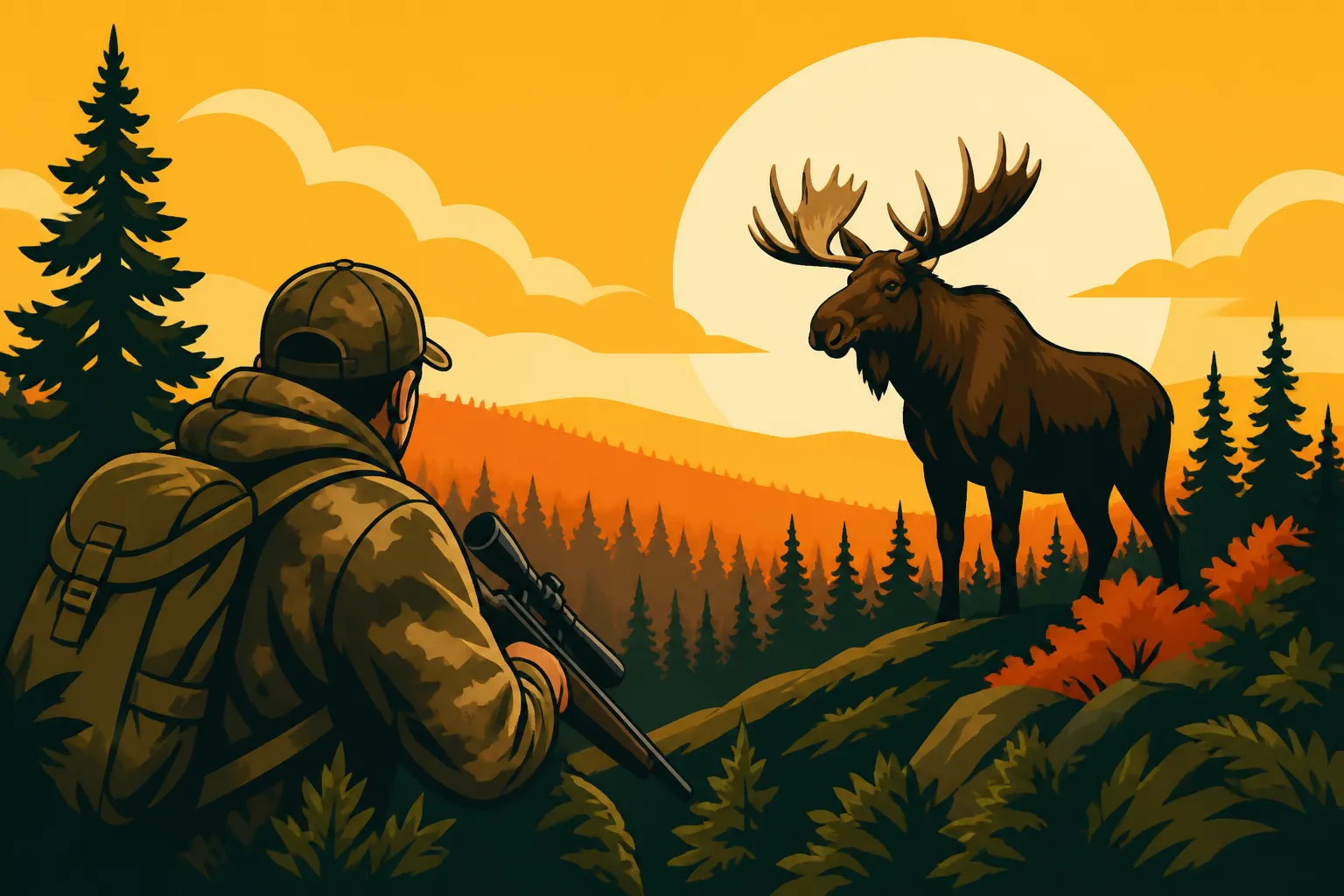
There's no denying it: the moose is king in Northwestern Ontario. These massive animals thrive in the mix of mature forest, young regrowth, and abundant wetlands that define the boreal landscape. Spotting a bull moose feeding in a beaver pond at first light, or hearing the haunting call of a cow in the distance, is an experience that stays with you forever. While moose populations have faced challenges in some areas, the vastness and relative remoteness of the northwest continue to hold some of Ontario's strongest moose densities. Moose Hunting Ontario's Northern Bush is often a bucket list hunt for many.
You'll typically find moose in areas where there's a good supply of browse—young saplings like willow, balsam fir, and poplar—often in clear-cuts a few years old, along the edges of swamps, or in shallow lakes and ponds where they feed on aquatic vegetation. Hunting them here often involves covering a lot of ground, searching for fresh tracks, rub lines, and feeding areas. During the rut, calling can be incredibly effective, bringing these giants out of the thick cover. Success often depends on persistence, quiet movement, and the ability to distinguish fresh sign from old.
Whitetail Deer: Adapting to the North
While Southern Ontario is famous for its large whitetail population, deer are also present in good numbers in the southern reaches of Northwestern Ontario, particularly where agriculture meets the forest or in areas with milder winters. They tend to be larger-bodied here than their southern counterparts, a necessary adaptation to the harsher winters, though their antler size can be more variable. Whitetail Hunting in Ontario can be quite different in the north.
Deer in the big bush will seek out dense cover, particularly cedar swamps, especially as winter approaches. They are masters of blending in, and still-hunting through thick timber or patiently waiting on a fresh rub line requires a keen eye and immense patience. Look for them along the edges of clear-cuts, where they browse on new growth, or near any natural openings that offer palatable forage. Hunting deer here often means focusing on smaller, more isolated pockets of habitat that provide both food and security from predators and the elements.
Black Bear: A Rewarding Challenge
Northwestern Ontario boasts a healthy and robust black bear population, making it a prime destination for bear hunters. These adaptable omnivores roam throughout the boreal forest, finding abundant food sources from berries and nuts to small mammals and carrion. Black Bear Hunting in Ontario offers a thrilling challenge, whether you're spot-and-stalk hunting, still-hunting, or hunting over bait.
For many, hunting bear in the northwest involves establishing a bait site. This requires significant time, effort, and commitment to scouting the right location, hauling in bait, and maintaining it over weeks. The reward, however, is the chance to observe these intelligent animals up close and personal. Spot-and-stalk opportunities exist, particularly in early spring when bears are out foraging along south-facing slopes or logging roads. Understanding bear behaviour—their preferred foods, travel corridors, and denning habits—is key to success here. Remember, you're in their house, and respect for their power and senses is paramount.
Navigating Crown Land and Public Access
For most hunters venturing into Northwestern Ontario, especially non-residents or those without private land access, Crown Land is where the real adventure begins. This vast expanse of publicly owned land offers unparalleled opportunities, but it comes with its own set of rules and navigation challenges. Understanding how to find, access, and legally hunt these areas is fundamental to a successful trip.
Understanding Crown Land Regulations
Ontario's Crown Land is a treasure, offering millions of acres for public use, including hunting. However, it's not a free-for-all. There are specific regulations you need to be aware of, which can vary depending on the type of Crown Land (e.g., General Use, Conservation Reserve, etc.). Generally, hunting is permitted on most Crown Land, but certain restrictions might apply in designated areas. For instance, specific rules might govern camping, fire permits, or the use of ATVs. It's crucial to consult the official Ontario hunting regulations summary and any specific land use plans for the area you intend to hunt. Hunting Ontario's Crown Land details the broader rules, but always double-check local nuances. Remember, respect for the land and for other users—like anglers, campers, or hikers—is essential. You might be deep in the bush, but you're rarely truly alone, and responsible conduct ensures these privileges continue for everyone.
Utilizing Mapping Tools for Public Land
In the truly vast and often unmarked terrain of Northwestern Ontario, reliable navigation is not just a convenience, it’s a necessity for safety and success. Traditional paper maps are good, but modern digital mapping tools are absolutely game-changers for identifying and understanding Crown Land boundaries. Apps like onX Hunt have revolutionized how hunters locate public land, showing property lines, land ownership, and even specific details like trails and access points. Another excellent resource is GoHunt, which often provides valuable insights into unit-specific data and public access points that might otherwise be overlooked.
These apps allow you to overlay different map layers, from satellite imagery to topographic maps, helping you visualize the terrain, identify potential bedding areas, travel corridors, and water sources. Before you head out, spend considerable time digitally scouting your target area. Mark potential stand locations, primary and secondary access routes, escape routes, and even emergency rally points. Always download offline maps before you leave cell service, as connectivity will be non-existent in much of Northwestern Ontario. A good GPS unit, separate from your phone, is also a wise backup.
Accessing Remote Hunting Areas
The "big bush" moniker isn't just for show; getting into prime hunting areas often requires significant effort and a plan. While some areas might have accessible logging roads, many of these are unmaintained, rough, and may not be suitable for all vehicles. Expect washed-out sections, deep potholes, and possibly active logging operations that can alter access points or even close roads without much notice. A good 4×4 vehicle with decent ground clearance is almost a prerequisite.
Beyond the roads, you might need to use ATVs, canoes, or even float planes to reach truly remote spots. For instance, many successful moose hunts in the far north begin with a float plane dropping hunters and their gear off at a secluded lake. This kind of access eliminates hunting pressure and places you right in untouched wilderness. If you're going deep, be prepared for long walks through thick bush, potentially miles from the nearest road or waterway. This means light packing, efficient travel, and an unwavering commitment to getting off the beaten path. Always inform someone of your route and expected return time, especially if you're venturing into areas with limited access. Truck Kit for a Northern Ontario Hunt covers some essential items for self-supported expeditions.
Essential Planning and Logistics for Your Trip
Hunting in Northwestern Ontario is less about a casual day trip and more about an expedition. The remoteness, the sheer size of the region, and the potential for rapidly changing weather conditions mean that thorough planning and solid logistics are not just recommended, they are absolutely critical for a safe and successful hunt. Neglecting these steps can quickly turn an exciting adventure into a frustrating, or even dangerous, ordeal.
Licences, Tags, and Outdoors Cards
Before you even dream of setting foot in the bush, you need to ensure all your paperwork is in order. Every hunter in Ontario, whether resident or non-resident, must possess a valid Outdoors Card. This card is your gateway to purchasing hunting licences and tags. For most big game species like moose, deer, and bear, you'll need a specific licence for that species, along with the appropriate tag. Moose tags, in particular, are subject to a draw system, especially for residents, and securing one can take years of accumulating points. Non-residents often obtain moose tags through an outfitter who has an allocation.
It's vital to apply for your licences and tags well in advance of your trip. The Ontario hunting regulations summary is your bible for season dates, bag limits, and specific rules for each Wildlife Management Unit (WMU) you plan to hunt. Familiarize yourself with the WMU boundaries as well, as regulations can change from one unit to the next. Ontario Hunting Licences and What They Cost and Ontario's Outdoors Card Explained will give you a comprehensive overview of the provincial requirements. Don't forget any federal migratory bird permits if you plan on adding some duck or goose hunting to your trip!
Gear and Equipment for Remote Hunting
The gear you bring can make or break a Northwestern Ontario hunt. Forget fair-weather clothing; you need to be prepared for anything Mother Nature throws at you, from freezing rain to brilliant sunshine, often within the same day. Layering is key, with good quality base layers, insulating mid-layers, and a waterproof/windproof outer shell being non-negotiable. Sturdy, waterproof boots with good ankle support are essential for navigating the rugged, often wet terrain.
Beyond clothing, a reliable rifle or bow appropriate for big game is a must, along with plenty of ammunition. Don't skimp on optics—a good pair of binoculars and a spotting scope (if you expect long-range glassing) will be invaluable in covering vast distances. Navigation tools are paramount: a physical compass and map, a GPS unit with extra batteries, and offline maps on your smartphone (like those from onX Hunt or GoHunt) should all be part of your kit. Other essentials include a reliable headlamp with extra batteries, a sharp knife, first-aid kit, fire-starting materials, and sufficient rope or game bags for meat handling. A good quality backpack capable of carrying heavy loads will also prove its worth when you're packing out game.
Food, Water, and Camp Considerations
When you're deep in the bush, resupply isn't an option. You need to be completely self-sufficient for the duration of your trip, plus a few extra days for emergencies. Plan your meals carefully, opting for calorie-dense, non-perishable foods that are relatively lightweight. Dehydrated meals are popular, but don't forget snacks like nuts, jerky, and energy bars. Bring a reliable water filter or purification tablets, as access to potable water will be from natural sources.
If you're establishing a spike camp or a base camp, consider a sturdy, four-season tent or a canvas wall tent, especially if you're hunting in late fall. A robust sleeping bag rated for colder temperatures is crucial, along with a comfortable sleeping pad. Don't forget cooking gear, a cooler for any early season meat care, and bear-resistant food storage if you're in active bear country. Many hunters choose to bring a portable propane heater for comfort in a wall tent, but ensure proper ventilation and fire safety. Always leave your campsite cleaner than you found it, packing out all trash and minimizing your impact on the environment.
Seasonal Strategies for Northwestern Ontario Hunting
Hunting in Northwestern Ontario isn't a one-size-fits-all endeavour. The vast changes in landscape, weather, and animal behaviour throughout the hunting seasons demand different strategies, gear, and mental preparation. Understanding these seasonal nuances is key to maximizing your chances of success and ensuring a safe, comfortable hunt.
Early Archery and Fall Bear Seasons
The early fall is a beautiful time to be in Northwestern Ontario. The air is crisp, the colours are starting to turn, and the bugs are generally less oppressive than in summer. Archery season for deer and moose often opens in late September or early October, coinciding with a good window for bear hunting. Hunting Ontario's Late September Archery Opener can be particularly productive. For bear, this period often means they are still actively feeding, trying to pack on calories before winter. This can be a prime time for hunting over established baits, as bears will be visiting regularly. Spot-and-stalk hunting can also be effective in areas with good berry crops or around oat fields if you can find them.
For archery moose, the early rut is just beginning to stir, offering opportunities for calling. Deer are focused on feeding, and scouting for active rub lines or food sources is crucial. One of the biggest challenges in these early seasons can be warm weather. If you tag out, meat care becomes paramount. Meat Care in Ontario's Warm Early Seasons is a critical read, as improper handling can quickly spoil your hard-earned harvest. Rapid cooling is essential, which can be tough without snow on the ground or easy access to refrigeration.
The Peak of the Moose Rut
For many, the dream of hunting Northwestern Ontario revolves around the moose rut, which typically peaks in late September and early October. This is when bulls are most active, seeking out cows, and often more vocal, making them vulnerable to calling strategies. The sounds of a bull grunting, a cow calling, or even simulating the thrashing of antlers against brush can be incredibly effective in drawing in a curious or challenging bull. Calling a Bull Moose in the Rut is an art form that takes practice and patience.
Hunting the rut requires being in the right place at the right time, often covering ground between feeding areas and thicker bedding cover. Focus on areas with fresh rubs and scrapes, indicating recent bull activity. This period can also coincide with the first hints of cold weather, potentially snow, which can make tracking easier but also increases the need for warm, waterproof clothing. While exhilarating, the rut also means dealing with potentially aggressive bulls, so always be aware of your surroundings and have an exit strategy. This is a highly anticipated time, and many hunters plan their trips specifically around this peak activity.
Late Season Gun and Muzzleloader Hunts
As October progresses into November, the gun seasons for moose and deer open across much of Northwestern Ontario. This is often when the first significant snowfalls occur, transforming the landscape and offering new hunting advantages, like easier tracking. Hunting Ontario's November Gun Season is a popular time. Moose are still moving, though perhaps less actively calling, and often focusing on specific browse areas. Deer, especially in areas where winter severity is a factor, will be actively preparing for the colder months, potentially yarding up in dense cedar swamps.
Muzzleloader seasons often follow the general gun season, offering a unique challenge with traditional firearms, particularly Hunting Ontario's December Muzzleloader Days. This is deep winter hunting, often requiring extreme cold weather gear and an even greater emphasis on survival preparedness. Animals are typically in their winter patterns, seeking thermal cover and minimizing movement. Hunters need to be exceptionally quiet and patient, often focusing on travel corridors between feeding and bedding areas, or key pinch points in the terrain. The short daylight hours and intense cold demand serious dedication, but the reward of a successful late-season hunt in the snow-covered bush is truly unforgettable.
Effective Hunting Techniques for the Big Bush
Hunting the vast, often impenetrable expanses of Northwestern Ontario requires a shift in mindset and tactics compared to more open or fragmented landscapes. You're not just looking for an animal; you're often searching for a needle in a haystack, and success hinges on a combination of stealth, patience, and a deep understanding of the environment.
Still-Hunting and Tracking in Dense Cover
Still-hunting is perhaps the most effective method for covering ground and encountering game in the thick boreal forest. This isn't about sitting in a stand; it's about moving incredibly slowly and deliberately, taking a few steps, then pausing for several minutes to observe, listen, and scan. Your eyes should constantly be searching for horizontal lines (an animal's back) against vertical trees, patches of hide, or the flick of an ear. The pace should be glacial, allowing you to pick apart the cover and truly immerse yourself in the environment.
When fresh snow is on the ground, tracking becomes an invaluable skill. Reading Sign After a Fresh Snow can tell you everything from an animal's size and gender to its direction of travel and even how recently it passed. Following a track through dense bush requires immense focus, often involving long detours around obstacles, and the patience to unravel a winding trail. It’s a physical and mental chess match, where every broken twig, scuffed leaf, or fresh droppings provides another piece of the puzzle. The goal is to catch the animal unawares, either bedding down or slowly moving, before it senses your presence.
Calling Strategies for Moose and Deer
Calling can be an incredibly potent tool in the Northwestern Ontario bush, especially during the rut. For moose, both cow calls (long, drawn-out moans) and bull grunts (short, guttural challenges) can bring these giants in from surprising distances. Mimicking the sound of antlers raking against trees can also be highly effective, mimicking a challenging bull. The thick cover here means sound doesn't travel as far as in open country, so understanding Rattling Volume in Thick Bush and where and when to call is key. Patience is critical; a bull might take 30 minutes or more to respond and approach cautiously.
While not as dominant as moose calling, deer calling can also work, particularly for whitetails during their rut. Grunt calls can attract curious bucks, especially Grunt Calls Late in Ontario's Rut, and rattling can simulate a fight, drawing in dominant bucks looking for a challenge or an easy doe. In the thick northern bush, these calls are usually employed at a lower volume and over shorter distances, aiming to draw a deer within close range rather than across open fields.
Utilizing Remote Baits for Bear
For black bear hunting, baiting is a widely used and often highly effective technique in Northwestern Ontario. It allows hunters to draw bears to a specific location, providing a controlled environment for shot placement and observation. Setting a Bear Bait Site in Ontario requires significant work: finding a remote, secure location, establishing a consistent food source (often a mix of sweet and savory treats), and regularly refreshing it over several weeks before the hunt. The goal is to pattern a bear’s visits, identifying its preferred time and approach.
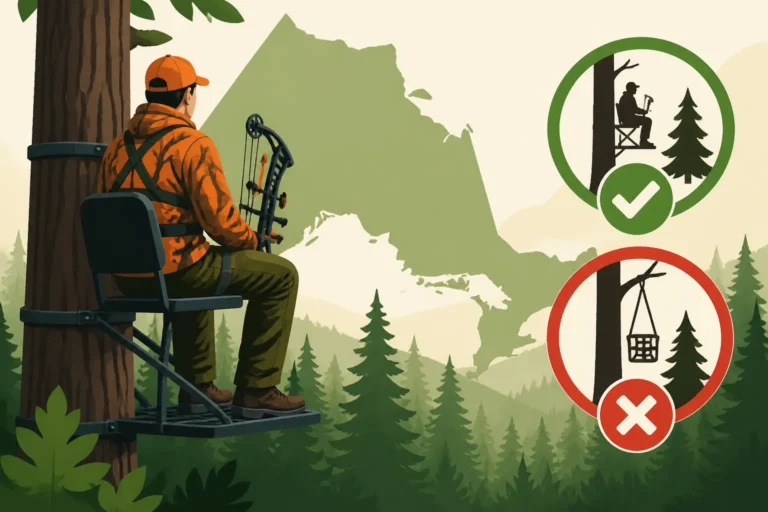
Hunting over bait typically involves sitting in a ground blind or a treestand, positioned downwind of the bait, often for long hours. This waiting game demands patience and stealth. It's not just about what you place at the bait, but also your scent control, quiet entry and exit, and the ability to distinguish between different bears. It's a rewarding method that offers a controlled shot opportunity at an animal often difficult to encounter otherwise in dense cover. Remember, it's also crucial to understand Why You Cannot Shoot a Sow With Cubs and practice responsible harvest.
Safety and Survival in Ontario's Northern Wilderness
The rugged beauty of Northwestern Ontario's big bush comes with inherent risks. Unlike hunting closer to civilization, mistakes here can have serious consequences. Being prepared for emergencies, understanding the environment, and prioritizing safety are not just good practices; they are absolutely essential for any hunting trip into this remote country.
Navigation and Communication Essentials
Getting lost in the vast, undifferentiated forest of Northwestern Ontario is a legitimate concern and a terrifying experience. A solid navigation kit is non-negotiable. This means carrying a traditional map and compass (and knowing how to use them), a reliable GPS unit with fresh batteries, and a smartphone loaded with offline maps from apps like onX Hunt or GoHunt. These digital tools are powerful, but don't rely on them exclusively; batteries die, and electronics can fail.
Communication is also incredibly challenging in the north. Cell service quickly fades once you leave populated areas or main highways. For emergencies, a satellite communication device (like a satellite phone, personal locator beacon, or a two-way satellite messenger) is a vital piece of gear. These devices can literally be lifesavers, allowing you to send emergency signals or check-in messages from anywhere. Always let someone responsible know your hunting plan, including your intended route, where you'll be camping, and your expected return time. What to Do If You Get Turned Around outlines crucial steps to take if you find yourself disoriented.
Wildlife Encounters and Awareness
You're in the wild, and encounters with wildlife are part of the experience. While the thrill of spotting a moose or bear is often a highlight, it's important to understand safe practices. Black bears are common, and while typically shy, they can be dangerous if startled, feeling threatened, or habituated to human food. Always make noise while walking, carry bear spray (and know how to use it), and store food properly to avoid attracting them to your camp.
Wolves and coyotes are also present in Northwestern Ontario. While attacks on humans are extremely rare, awareness of their presence is important. They are primarily predators of other wildlife, but understanding their behaviour and giving them space is always wise. Finally, be aware of smaller, but still potentially dangerous, critters like porcupines (for dogs) and the various insects that can carry diseases. Ticks, in particular, are a growing concern in many parts of Ontario, so regular checks and protective clothing are essential.
Emergency Preparedness and First Aid
A comprehensive first-aid kit is not just for major injuries; it's for everything from blisters and cuts to insect bites and allergic reactions. Tailor your kit to the length and remoteness of your trip, including pain relievers, wound care, antiseptic wipes, and any personal medications. Knowing basic wilderness first aid can literally save a life, whether it's your own or a hunting partner's.
Beyond medical, consider other emergency scenarios. What if you get stranded due to vehicle breakdown or bad weather? Carry extra food, water, warm clothing, and fire-starting materials. A small emergency shelter (like a tarp or space blanket) can provide critical protection from the elements. A reliable source of light, like a headlamp and a backup flashlight, is also crucial. Always carry a sharp knife. The key is to think through potential problems and pack accordingly, recognizing that in remote Northwestern Ontario, you are your own first responder.
Engaging with Outfitters and Local Resources
While many experienced hunters thrive on the challenge of a fully self-guided trip into Northwestern Ontario's big bush, there's immense value in considering an outfitter or guide, especially if you're new to the region or seeking specific game. These professionals offer not just logistical support but also invaluable local knowledge that can significantly increase your chances of a successful and safe hunt.
When to Consider a Guided Hunt
Deciding whether to book a guided hunt depends on several factors: your experience level, budget, available time, and the species you're targeting. For a non-resident hunter, a guided hunt for moose or bear is often the most practical, and sometimes the only, way to obtain a tag. Outfitters often have allocations of tags, streamlining the process. For any hunter new to the vastness of Northwestern Ontario, a guide can provide crucial expertise in navigating the terrain, understanding game patterns, and setting up effective hunting strategies.
Even experienced hunters might opt for a guide when targeting a specific trophy or a particularly elusive species. Hunting Guides and Outfitters in Ontario can vary widely in their offerings, from fully catered, all-inclusive packages to more basic "housekeeping" camps where you provide your own food. If time is a limiting factor, an outfitter can put you directly into prime hunting territory, cutting down on the extensive scouting and logistical challenges that a DIY hunt demands. They remove many of the planning headaches, allowing you to focus solely on the hunt itself.
What Outfitters Provide in the Northwest
A reputable outfitter in Northwestern Ontario typically provides much more than just a place to stay. For remote moose or bear hunts, they often supply vital access, such as boat or float plane transportation to a remote camp. They have extensive knowledge of their hunting territory, knowing where game congregates, the best spots for bait sites, and effective calling locations. They'll assist with setting up blinds or stands, track game, and help with the often-arduous task of game recovery and field dressing.
Many outfitters offer comfortable accommodations, from rustic cabins to more modern lodges, along with meals and even meat processing services. They also usually provide pre-hunt information on licenses, tags, and regulations, ensuring you meet all legal requirements. If you're a non-resident, they'll guide you through the process of bringing firearms into Canada and obtaining the necessary export permits for your trophy. In essence, an outfitter provides a comprehensive package designed to maximize your hunting experience and minimize the logistical burdens. What an Ontario Guided Moose Hunt Includes gives a good idea of typical offerings.
Local Knowledge and Community Support
Beyond the direct services, outfitters and local communities in Northwestern Ontario possess an unparalleled wealth of knowledge about the land, the wildlife, and the unique challenges of the region. They understand seasonal shifts, how weather patterns affect game movement, and the subtle nuances of the terrain that only years of experience can teach. This local insight is invaluable, helping you avoid common pitfalls and focus your efforts on the most productive areas.
Engaging with local businesses—from small-town hardware stores to gas stations—can also provide anecdotal information and a sense of the local conditions. These communities are often built around the resource industries, including hunting and fishing, and their residents are generally welcoming to ethical hunters. Respecting local customs, adhering strictly to regulations, and supporting the local economy all contribute to a positive experience and foster good relations between hunters and residents, ensuring the long-term sustainability of hunting in this incredible part of Ontario.
Disclaimer
This article is for general informational purposes only and does not constitute professional advice. Laws, prices and regulations vary by location and change over time. Consult a qualified professional for guidance on your specific situation.