Opening Weekend Crowds on Ontario Crown Land
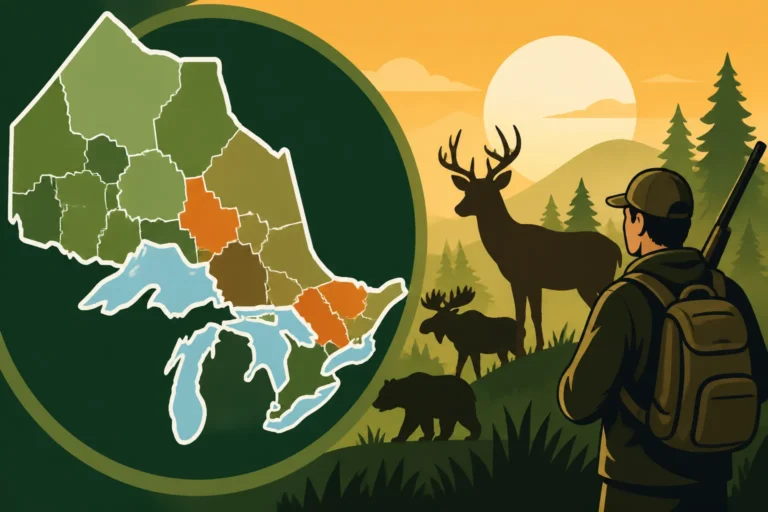
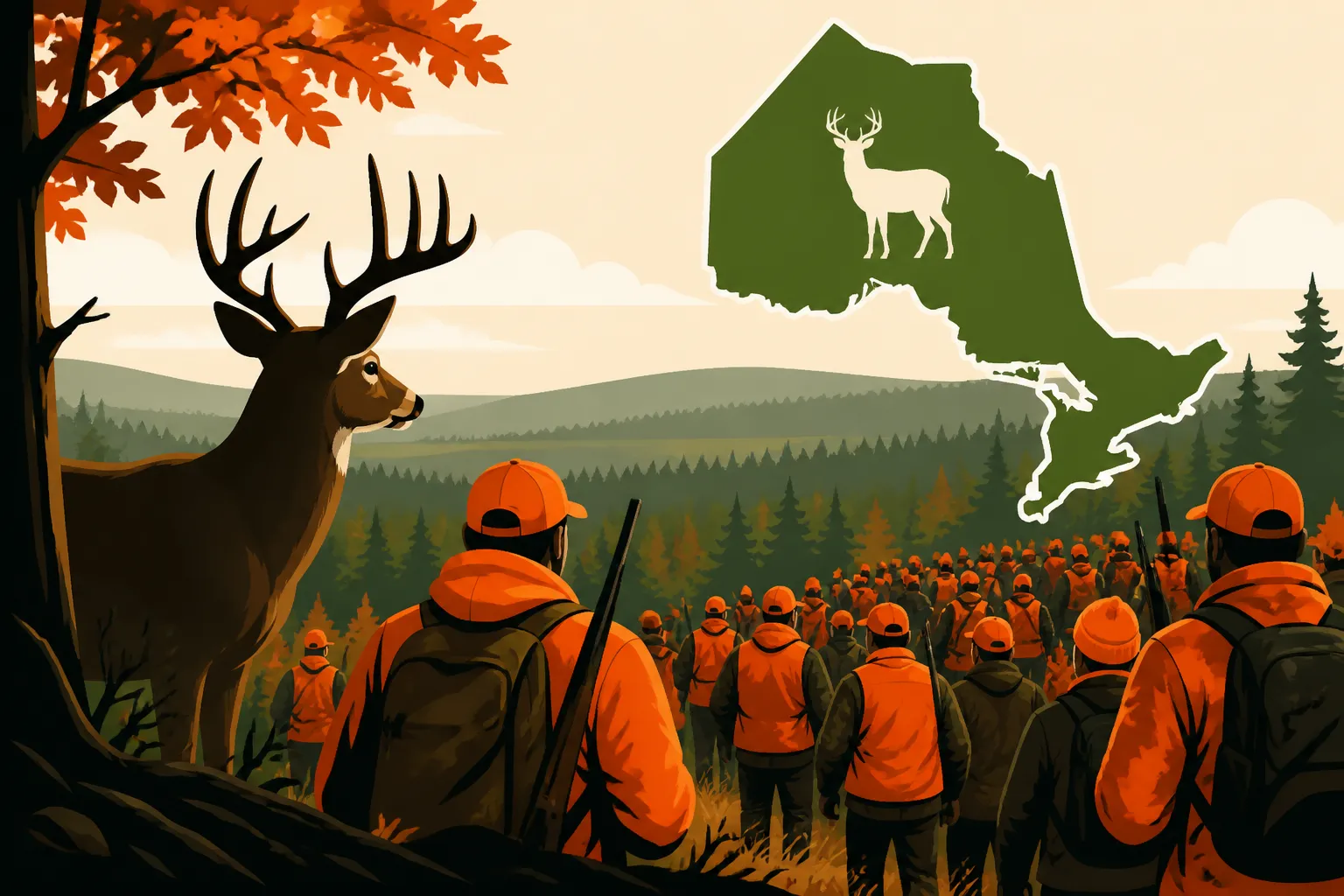
Oh, the age-old dilemma of opening weekend on Ontario's Crown Land! It's a tale as old as time, isn't it? You spend months poring over maps, scouting a promising ridge, dreaming of that quiet, crisp morning, only to pull up to the bush edge on opening day and find it looks like a parking lot for a sporting goods convention. Orange vests are everywhere, trucks are lined up like dominoes, and the air crackles with a mix of anticipation and… well, a whole lot of human activity. It's enough to make you throw your hands up and wonder if there's any solitude left. But fear not, my friend, because this guide is all about helping you navigate those opening weekend crowds and, with a bit of savvy, still find a slice of quiet wilderness to pursue your passion.
The Inevitable Draw of Opening Weekend on Crown Land
Let's be honest, there's a reason why so many of us flock to Crown Land when the seasons open. It's accessible, it's vast, and for many, it represents the purest form of hunting—no fences, no permission slips, just you and the wild. But this very freedom is also why it can feel so crowded.
Why Everyone Flocks to Crown Land
First off, Crown Land is, by its very definition, public land. It's there for all of us to enjoy, and that's a beautiful thing. For many hunters, especially those without access to private land or who can't afford guided trips, Crown Land is their primary hunting ground. The sheer availability is a huge draw. Then there's the tradition. Opening weekend, especially for deer or moose, is practically a holiday in some parts of Ontario. It's a time for friends and family to gather, to kick off the season with high hopes, and to partake in a ritual that's been passed down through generations. This collective excitement often means everyone wants to be out there, right at the beginning, to get the "first crack" at the game before they become wise to human presence. The feeling that this is your best chance, your prime opportunity, drives a lot of that initial rush.
Imagine you've been working all year, dreaming of that first morning. You've got your gear ready, your rifle sighted in, and your favourite thermos filled with coffee. Of course, you want to be out there on day one! The thought of someone else taking the buck you've been watching on your trail camera, or beating you to that prime beaver meadow, is a powerful motivator. This collective rush of anticipation and opportunity creates a funnel effect, drawing hunters to the most accessible and well-known spots. It's not malicious; it's just human nature and the shared passion for the hunt.
The Psychological Impact of Crowds on Hunters and Game
Seeing a throng of hunters can be a real buzzkill. For us, it can instantly shift the experience from a peaceful communion with nature to something that feels more like a competitive race. Your confidence might dip, you might second-guess your spot, or you might just feel frustrated by the constant sound of distant shots or vehicles. It can make you feel like your carefully laid plans are unraveling before your eyes. Beyond our own feelings, think about the game. Animals, especially deer and moose, are incredibly sensitive to pressure. A sudden influx of human activity—vehicles, voices, scent, and gunshots—sends them scrambling for cover. What might have been a predictable travel corridor or a favourite feeding area can become a no-go zone within hours of the season opening.
Deer, for instance, will quickly adjust their patterns. They'll become more nocturnal, move into the thickest, nastiest cover they can find, or even leave an area entirely if the pressure is too intense. Moose might retreat into deep swamps or vast, remote areas. Bears, similarly, will become far more wary. This means that even if you find a relatively quiet spot, the cumulative pressure from surrounding hunters can still impact the game's behaviour, making them harder to find and more elusive. Understanding this animal response is key to formulating strategies that actually work.
Strategic Maneuvers to Find Solitude
So, how do you escape the masses? It's not about magic, but about smart planning, a willingness to work a little harder, and thinking outside the box.
Go Deeper Than the Road's Edge
This is perhaps the most fundamental piece of advice: the vast majority of hunters don't venture far from their vehicles. A quarter-mile, a half-mile, maybe a mile if they're feeling ambitious. If you're willing to walk further, often much further, you significantly increase your chances of finding unpressured ground. This means studying a topographic map beforehand and identifying areas that are tough to access. Look for places where creeks create natural barriers, where there are steep elevation changes, or where the terrain is just plain nasty to walk through. These are often the places other hunters will avoid.
Think about approaching your hunting area from an unconventional direction, perhaps even parking your vehicle a mile or two down the road from where everyone else is. This might mean an early start and a long, dark walk in, but the reward can be immense. For those willing to put in the effort, sometimes a Canoe-In Hunting on Ontario Crown Land trip can be the ultimate way to escape the pressure. Portaging just one or two lakes can get you into areas that vehicle-bound hunters simply can't reach, and the silence you find there is often worth every paddle stroke and mosquito bite.
Targeting Overlooked Terrain and Mid-Week Hunts
Most hunters gravitate towards "easy" walking: old logging roads, hardwood ridges, or open bush. This leaves a lot of other ground relatively untouched. Consider targeting thick cedar swamps, dense conifer stands, or areas with extensive blowdowns and tangles. These places are often difficult to move through, but they are also prime security cover for pressured game. Deer especially love to bed down in these almost impenetrable spots when hunting pressure is high. It might not be glamorous hunting, but it can be incredibly effective.
Furthermore, if your schedule allows, consider shifting your primary hunting efforts away from opening weekend. The pressure often drops significantly by Monday afternoon, and even more so by Tuesday or Wednesday. While many hunters might take the first few days off, real hunting solitude often begins mid-week. Hunting the Rut in Early to Mid November on a Tuesday, for example, can be a completely different experience than that first Saturday, with quieter woods and game that has had a few days to settle back into their routines. This is especially true for those targeting species like grouse, where Ruffed Grouse Hunting Ontario's Bush Roads is popular, leading to heavy traffic on opening days.
What to Look for in Unpressured Terrain
| Feature Type | High Pressure Area Characteristics | Low Pressure Area Characteristics |
|---|---|---|
| Accessibility | Close to main roads, ATV trails, easy parking. | Requires long walks, boat/canoe access, challenging terrain. |
| Vegetation | Open hardwoods, clear-cuts with good visibility, mature pine. | Thick cedar swamps, dense spruce, heavy blowdowns, steep slopes. |
| Topography | Gentle slopes, flat ground, obvious travel corridors. | Rugged hills, deep valleys, numerous creek crossings, rocky outcrops. |
| Game Sign | Scrapes, rubs, tracks near roads (older sign), sparse fresh sign. | Fresh tracks, consistent bedding, active feeding areas, less disturbed rut sign. |
| Hunter Sign | Abundant boot prints, discarded shells, old treestands, flagging tape. | Minimal human impact, natural environment undisturbed. |
| Soundscape | Distant vehicle noise, gunshots, human voices. | Natural sounds, wind, birds, absolute silence. |
Leveraging Tools and Scouting to Your Advantage
In today's hunting world, we have incredible resources at our fingertips that can drastically improve our ability to find unpressured land. It all starts with preparation.
Digital Mapping for Remote Access
Modern digital mapping applications are absolute game-changers for navigating Crown Land, especially when trying to avoid crowds. Services like onX Hunt and GoHunt allow you to download maps to your phone or GPS device, giving you satellite imagery, topographic lines, and property boundaries even without cell service. This is invaluable for identifying remote access points that aren't obvious from the road. You can spot old logging cuts that have grown in, faint deer trails leading into thick cover, or hidden swamps that might only be accessible via a long, winding walk.
I can't stress enough how important it is to use these tools to find those "back door" access points. Instead of following the main road everyone else uses, look for secondary trails, ATV routes (where permitted), or even just areas where the timber thins out enough to allow foot travel a mile or two in from the main thoroughfare. By scouting these digital maps, you can chart a course well away from the initial wave of hunters. Remember, Reading an Ontario WMU Map Before You Go isn't just about boundaries; it's about understanding the terrain, elevations, and potential travel routes game might use to escape pressure.
Extensive Pre-Season Scouting and Understanding Game Movement
There's no substitute for boots on the ground, but even if you can't get out there physically, digital scouting is step one. However, if you can get out, focus your pre-season scouting efforts on locating game sign that's away from common access points. Look for rub lines, scrapes, bedding areas, and feeding zones deep in the bush. Pay attention to how the game moves through different types of cover. A well-used trail leading from a dense cedar swamp to a feeding area, a mile or more from any road, is a gold mine. This is where Scouting With Satellite Imagery in Ontario truly comes into its own, allowing you to identify these potential sanctuaries even before you step foot in the woods.
When opening weekend hits, game will naturally seek out these safe havens. If you've done your homework, you'll know where these places are. For example, Hunting a Cedar Swamp Edge can be incredibly productive during periods of high pressure, as deer will often yard up there for security. Similarly, if you've found a Hunting a Hardwood Ridge for Whitetails that's tucked away deep in the bush, it might just be the quiet sanctuary you're looking for, even if similar ridges closer to the road are bustling with activity. Remember, the goal isn't just to find game; it's to find game that hasn't been disturbed yet by the opening day frenzy.
The Role of Patience and Adaptability
Even with the best scouting and planning, opening weekend can be unpredictable. You might arrive at your chosen remote spot only to find another hunter had the same brilliant idea. This is where patience and adaptability come into play. Don't be afraid to adjust your plans on the fly. Have a backup spot, or even a third. Sometimes, simply waiting an hour or two longer to walk into your spot, letting the initial wave of hunters settle in, can make a difference. The woods might seem chaotic at first light, but things often calm down by mid-morning.
Also, be prepared to sit tight. When animals are pressured, they become incredibly still. A deer might be bedded only a hundred yards away, completely still, waiting for the commotion to die down. If you're constantly moving, you're less likely to spot that animal. Find a good vantage point, settle in, and let the woods come alive around you. This is also where knowing How Far to Walk From a Bush Road becomes crucial; the further you are willing to penetrate, the less likely you are to encounter other hunters who aren't as dedicated to the quiet hunt.
Managing Expectations and Finding Your Peace
Ultimately, hunting Crown Land on opening weekend is a unique challenge. It’s about more than just finding an animal; it’s about finding a sense of peace amidst the organized chaos.
Accepting Some Level of Pressure
Let's be realistic: if you're hunting easily accessible Crown Land during peak season, you're probably going to encounter other hunters. It's almost inevitable. The key is to accept this reality rather than letting it ruin your hunt. Instead of viewing other hunters as competition, view them as part of the landscape. Their movements, while potentially disruptive, can also inadvertently push game towards you if you're in the right spot. Being aware of where others are, even if they're distant, can inform your own movements and strategies.
This acceptance also means being extra diligent about safety. Blaze orange is not just a suggestion; it's a legal requirement and a common-sense measure to ensure you're highly visible to other hunters. Ontario Blaze Orange Requirements are there for a reason, and adhering to them strictly is paramount when the woods are busy. Always identify your target clearly and be absolutely certain of your backdrop. It's better to let an opportunity pass than to take an unsafe shot.
Focusing on the Experience, Not Just the Harvest
While harvesting an animal is often the goal, the true joy of hunting often lies in the experience itself: the crisp morning air, the rustling leaves, the distant call of a raven, the challenge of reading sign and outsmarting nature. When the woods are busy, shifting your focus slightly from "I must get something" to "I'm going to enjoy being out here" can drastically improve your day. You might spend the day simply exploring a new section of bush, learning about the local flora and fauna, or just soaking in the atmosphere.
Sometimes, the best part of opening weekend isn't the harvest, but the stories you collect, the lessons you learn about patience and persistence, or the quiet moments you manage to steal away from the hustle. You might not fill your tag, but you'll certainly fill your memory bank with experiences, both good and challenging. This mindset will serve you well, not just on crowded opening weekends, but throughout your entire hunting journey. Understanding Hunting Ontario's Crown Land means understanding its opportunities and its challenges, including shared space.
Post-Hunt Reflection and Planning for Next Time
After the dust settles on opening weekend, take some time to reflect. What worked? What didn't? Did the crowds impact your chosen spot as much as you expected, or did you find a pocket of solitude? Make notes in your hunting journal or on your digital maps. These observations will be invaluable for planning future hunts. Perhaps you discovered that a certain access point was always busy, but a ridge a mile deeper was untouched. Or maybe you realized that hunting the Hunting an Old Logging Road in the North was too easy for others, but the parallel, overgrown trapline trail offered better concealment and less traffic.
Consider the time of year, too. While opening weekend is often busy, conditions change. For example, Hunting an Ontario WMU in Deep Snow later in the season brings its own set of challenges, but also often much less hunter pressure, as many fair-weather hunters have packed it in. Every hunt, especially a challenging one like a crowded opening weekend, offers a learning opportunity that makes you a better, more prepared hunter for the next time the season rolls around.
Disclaimer
This article is for general informational purposes only and does not constitute professional advice. Laws, prices and regulations vary by location and change over time. Consult a qualified professional for guidance on your specific situation.