Where Ontario Grows the Biggest Bucks
The dream of seeing a truly massive whitetail step out of the Ontario bush is one that fuels countless hunters. We’ve all seen the pictures, heard the stories, and maybe even had a fleeting glimpse of a legendary deer. But actually consistently finding and hunting these giants can feel like an impossible puzzle. This comprehensive guide will help demystify where and why Ontario produces some truly exceptional bucks, and how you can increase your chances of encountering one.
Unpacking the Anatomy of a Giant Ontario Buck
When we talk about "biggest bucks," it's not just about antler size, though that's certainly a big part of it. It's about overall body mass, impressive headgear, and the sheer challenge of outsmarting an animal that has survived multiple hunting seasons. Ontario has all the ingredients for these impressive deer, but it’s a specific combination that leads to true giants.
The Trifecta: Genetics, Age, and Nutrition
Think of it like building a championship athlete; you need good genes, enough time to mature, and the best fuel. For a whitetail, it's no different.
First, genetics lay the foundation. While you can't really 'manage' genetics in wild deer in the same way a farmer manages livestock, certain regions naturally have deer with a predisposition for larger body size and antler growth. These genetic traits are passed down, creating populations where big bucks are simply more common. If a buck comes from a lineage of impressive deer, it’s got a head start.
Second, and perhaps most critically, is age. A buck needs time to grow. Most whitetails don't reach their full antler potential until they are 4.5, 5.5, or even 6.5 years old. Younger bucks might have decent racks, but those truly gargantuan antlers, with mass and wide spreads, almost always come from older deer. This means areas where bucks can avoid hunters, predators, and other dangers for several years are prime territory. It’s a game of hide-and-seek, and the oldest bucks are the undisputed champions.
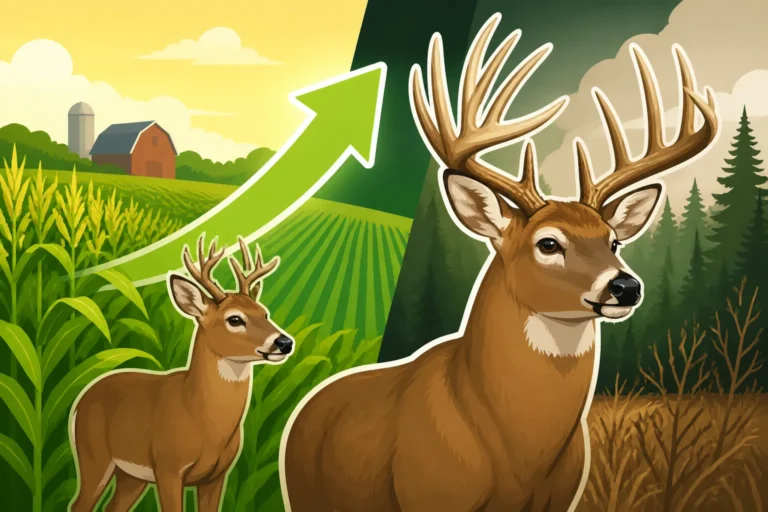
Finally, nutrition is the fuel for growth. A buck’s diet directly impacts its body size and antler development. Areas with a consistent abundance of high-quality forage – think agricultural fields rich in corn, soybeans, and alfalfa, or diverse forest habitats offering acorns, various browse, and soft mast – allow deer to put on significant weight and dedicate more energy to antler growth. When a buck consistently eats well, it translates into a healthier, heavier animal with the resources to grow impressive headgear. This is a major reason why you hear about Why Southern Ontario Grows Heavy Bucks.
The Overlooked Factor: Low Pressure and Sanctuary
Even with perfect genetics, ample age, and excellent nutrition, a buck needs one more critical component to truly maximize its potential: a lack of pressure. Intense hunting pressure, especially on public lands, means bucks are constantly on alert, moving more, and burning calories, which can detract from their growth. Moreover, heavy pressure often means younger bucks are harvested before they have a chance to mature into giants.
Areas that offer sanctuaries – whether they are large, inaccessible tracts of private land, dense swamps, thick cedar bottoms, or simply areas that hunters tend to overlook – provide a safe haven. These unpressured zones allow bucks to live out their lives with less stress, focusing their energy on feeding and growing rather than constantly evading danger. This is why some hunters find success in remote corners of Crown Land, or by Finding Bush Others Walk Right Past. Even a small, dense woodlot bordering busy farmland can serve as a sanctuary for a mature buck, allowing it to grow old and wise.
Southern Ontario: The Breadbasket for Big Racks
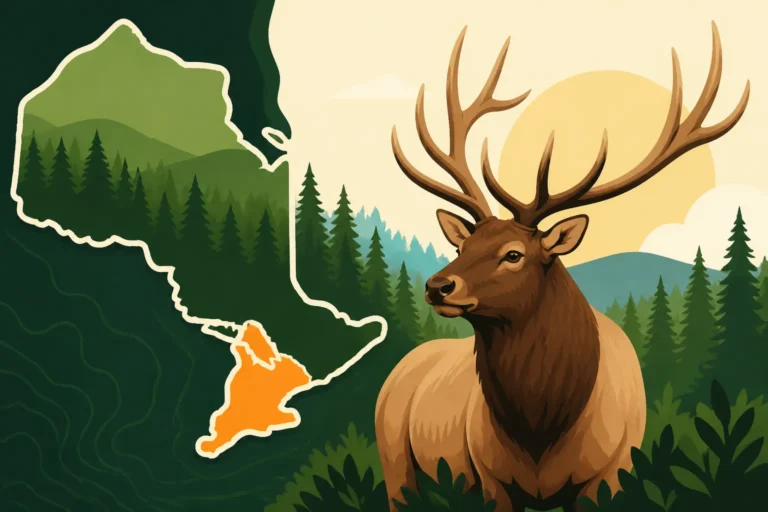
When you talk about Ontario's biggest bucks, Southern Ontario immediately springs to mind for most seasoned hunters. This region, often characterized by its extensive agricultural landscapes and fragmented woodlots, provides an almost ideal environment for whitetails to thrive and grow exceptionally large.
Agricultural Riches and Prime Habitat
The sheer abundance and quality of food in Southern Ontario are unparalleled. Imagine endless fields of corn, soybeans, winter wheat, and alfalfa. These crops are an absolute buffet for deer, providing a high-protein, energy-rich diet that is crucial for rapid growth and significant antler development. Deer here don't have to work as hard to find food as their northern counterparts, allowing them to allocate more energy to building body mass and growing those impressive racks.
Beyond the agricultural bounty, Southern Ontario also boasts a mix of diverse habitats. You'll find mature hardwood forests, dense cedar swamps, and brushy fencerows, all providing excellent cover, bedding areas, and additional food sources like acorns, apples, and various browse. These varied ecosystems create a mosaic of prime deer habitat, giving bucks everything they need to survive and flourish. The combination of easy access to calories and secure cover allows bucks to live longer and reach their full potential. This is especially true for Hunting Deer in Southern Ontario Farmland.
Navigating Private Land and Permission
The biggest challenge, and perhaps the biggest secret, to hunting Southern Ontario's trophy bucks is access. The vast majority of this prime whitetail habitat is privately owned. Unlike the extensive Crown Land of Northern Ontario, finding a place to hunt here almost always means securing permission from landowners. This can be a daunting task, often requiring patience, persistence, and a good deal of respectful communication.
Many hunters spend years cultivating relationships with farmers and other landowners, often by offering help with chores, being respectful of property, and even sharing some of their harvest. It's a relationship built on trust. For those without existing connections, a systematic approach to Knocking on Doors in Southern Ontario can yield results, but it's important to remember that landowners are often bombarded with requests, especially during prime hunting seasons. Tools like GoHunt can provide valuable satellite imagery and property boundary information, which can be a starting point for identifying potential areas and researching ownership, but ultimately, the handshake and a respectful conversation are key. Sometimes, finding smaller, overlooked woodlots that border larger tracts can be a golden ticket, as deer use these as safe havens between feeding sessions in larger fields.
Central and Eastern Ontario: Transitional Zone Giants
While Southern Ontario gets much of the attention for sheer numbers and agricultural-fueled growth, Central and Eastern Ontario, particularly the regions bordering the Canadian Shield and the Algonquin Provincial Park fringe, offer a different kind of big buck potential. These are often referred to as "transitional zones" – areas where agricultural lands begin to give way to more rugged, forested landscapes.
Mixed Forests and Diverse Food Sources
These transitional zones are characterized by a fascinating blend of habitat types. You'll find pockets of rich agricultural fields nestled amongst sprawling mixed hardwood and conifer forests. This diverse landscape offers a broader range of food sources compared to purely agricultural areas or purely boreal forests. Deer can feast on farm crops when available, then retreat into the security of dense woodlands, feeding on acorns, beechnuts, various berries, and abundant browse like maple, aspen, and dogwood. This dietary variety can lead to incredibly healthy deer, sometimes even larger-bodied than their southern counterparts, albeit with potentially fewer overall deer per square mile.
The rugged terrain, with its hills, valleys, rock outcrops, and swamps, also creates natural barriers and sanctuaries where mature bucks can hide out and grow old. Think of areas like the Haliburton Highlands or the Frontenac Arch country; these aren't easy places to hunt, but the challenge often translates to less pressure on the deer. These areas can be excellent for Hunting Deer in Ontario's Mixed Forest or even Hunting a Hardwood Ridge for Whitetails. The deer here are often accustomed to surviving in a wilder environment, making them even more challenging and rewarding to pursue.
Finding Pockets of Unpressured Bush
Unlike the predominantly private lands of Southern Ontario, these central and eastern regions often feature a mix of private property and significant tracts of Crown Land. However, even on Crown Land, pressure can be a factor. The key to finding trophy bucks here often lies in locating those unpressured pockets of bush that other hunters overlook or find too difficult to access. This might mean hiking deeper into remote areas, utilizing a canoe or ATV to reach less accessible sections, or focusing on dense, thick cover that most hunters avoid.
A deep cedar swamp, a steep rocky ridge, or an old, grown-in logging cut can all serve as sanctuaries where mature bucks feel safe. These areas might not hold the highest density of deer, but the deer that do call them home often have the age and body mass to be true giants. Effective scouting, both on foot and using satellite imagery from tools like GoHunt, is paramount to identifying these hidden gems. Understanding Reading Whitetail Sign in Ontario Hardwoods becomes incredibly important here, as sparse signs can still indicate the presence of a mature buck.
Scouting and Strategy for Ontario's Trophy Whitetails
Finding where the big bucks live is only half the battle; knowing how to scout effectively and apply the right strategies is what ultimately puts you in a position to harvest one. Trophy whitetails didn't get that way by being easy to fool, so a meticulous approach is essential.
Leveraging Technology for Pre-Season Intel
In today's hunting world, technology is your friend, especially when scouting for those elusive giants. Before you even set foot in the woods, you can gain a significant advantage by utilizing online resources and mapping software. Digital mapping platforms, like those offered by GoHunt, allow you to analyze satellite imagery, topographical maps, and public land overlays from the comfort of your home. You can identify potential bedding areas, probable travel corridors, pinch points, funnels, and food sources, whether it's an agricultural field edge or a stand of oak trees.
By studying aerial photos, you might spot those overlooked, thick pockets of cover that could serve as a mature buck's sanctuary. You can mark potential stand locations, entry and exit routes, and even historical deer sightings if you keep detailed records. This pre-season intel is invaluable, helping you eliminate unproductive areas and focus your ground scouting efforts on the most promising spots. It also helps you get a handle on Ontario's Wildlife Management Unit System and plan your approach to specific WMUs. Don't forget to cross-reference with historical weather patterns – dry falls might mean deer concentrate around reliable water sources, while a bumper acorn crop might pull them into specific hardwood ridges.
Decoding Whitetail Sign and Movement
Once you've done your digital homework, it's time to hit the woods and become a detective. Reading whitetail sign isn't just about finding tracks; it's about interpreting the story the deer are telling you. Look for rubs on trees (especially larger ones made by mature bucks), scrapes on the ground (indicating communication hubs), well-worn trails, and droppings. Pay close attention to the freshness and size of these signs. Big, deep tracks and large, torn-up rubs are strong indicators of a mature buck in the area.
Beyond individual signs, look for patterns. Where do trails converge? Where do deer transition from bedding areas to feeding grounds? Identify natural funnels like narrow strips of timber between fields, saddlebacks on ridges, or edges of thick swamps. These are often high-traffic areas, especially during the rut. Understanding Hunting an Ontario Bush Edge can be crucial, as mature bucks often prefer to skirt the edges of dense cover. Use trail cameras sparingly and strategically to confirm buck presence and patterns, but avoid over-pressuring an area before the season even starts. The goal is to gather information without alerting the deer to your presence.
Understanding Regional Differences in Wildlife Management
Ontario's vastness means that deer populations and hunting opportunities vary significantly from one region to another. The Ministry of Natural Resources and Forestry (MNRF) manages these populations through various regulations, and understanding these regional differences is crucial for any hunter hoping to tag a big buck.
Antlerless Tags and Their Impact
One of the primary tools the MNRF uses to manage deer populations is the allocation of antlerless deer tags. These tags, often available through draws or controlled hunt validations, allow hunters to harvest does and fawns. In areas with high deer densities, particularly in Southern Ontario's agricultural belt, a higher number of antlerless tags are typically issued. The goal is to balance the herd, preventing overpopulation that could lead to habitat degradation, increased disease, and reduced deer health.
While harvesting does is a vital part of ethical deer management, it also indirectly impacts the potential for big bucks. By keeping the overall population healthy and in balance with the available habitat, bucks have access to better nutrition, which, as we discussed, is key for antler growth. In areas where doe tags are very limited, it might suggest a lower deer density, which could mean fewer deer overall, but potentially a higher proportion of older bucks if hunting pressure is also low. Conversely, in WMUs with abundant Ontario Antlerless Deer Draws, overall herd health is usually good, providing a solid base for trophy potential.
Controlled Hunts and Population Dynamics
Beyond general antlerless tags, Ontario also implements specific controlled deer hunts in certain Wildlife Management Units (WMUs), often in areas close to urban centres or with unique management challenges. These hunts have specific dates, firearms restrictions, and often require a successful draw for a validation tag. The intention is to manage deer numbers in sensitive areas, reduce human-wildlife conflict, and maintain a healthy, balanced ecosystem. Hunting a Controlled Deer Hunt Validation is a unique experience.
For the trophy hunter, controlled hunts can present both opportunities and challenges. On one hand, these hunts can sometimes offer access to areas with relatively unpressured deer, especially if they are difficult to draw or have limited participation. On the other hand, the concentrated pressure during a short controlled hunt period can make mature bucks incredibly wary and difficult to find. Understanding the specifics of each controlled hunt, including bag limits, legal implements, and the number of tags issued, is essential for planning your strategy. Sometimes, success means hunting the fringes of these areas before or after the controlled period, or finding those overlooked pockets within the hunt zone.
Regional Comparison: Ontario's Big Buck Hotspots
Here's a brief overview of how different regions stack up for producing big bucks in Ontario:
| Region | Primary Habitat | Food Sources | Typical Buck Growth | Access Challenge | Notes |
|---|---|---|---|---|---|
| Southern Ontario | Farmland, small woodlots | Corn, soy, alfalfa, acorns, diverse browse | Excellent body/antler | High private land | Highest density, consistent trophy potential, strong genetics. |
| Central Ontario | Mixed forest, some farmland | Acorns, hard mast, browse, limited crops | Good body/antler | Moderate (mix of Crown/Private) | Diverse habitat, older bucks in unpressured areas, Hunting the Haliburton Highlands. |
| Eastern Ontario | Mixed forest, agricultural | Similar to Central, more ag near Ottawa | Good body/antler | Moderate | Good potential, especially near rich river valleys. |
| Northern Ontario | Boreal forest, shield lakes | Browse (willow, aspen), some mast | Good body, smaller antler | Lower (Crown Land) | Fewer deer, but older, larger-bodied bucks in remote areas, Why Northern Bucks Carry More Body Mass. |
Disclaimer
Hunting is a regulated activity. Always consult the most current Ontario Hunting Regulations Summary, available from the Ontario Ministry of Natural Resources and Forestry (MNRF), before planning any hunt. Regulations, season dates, and tag requirements can change, and it is every hunter's responsibility to know and follow the law. This guide is for informational purposes only and does not supersede official government regulations.