Whether Outfitters Take US Dollars
One of the most common questions we hear from our friends south of the border planning an Ontario hunting adventure is about currency – specifically, "Will my US dollars be accepted?" It's a completely valid concern; you want to make sure your trip goes smoothly without any unexpected snags or confusing exchanges. This guide will help clarify how Ontario outfitters and other businesses generally handle payments from our American visitors, ensuring you’re well-prepared for your next hunt.
Understanding Currency Exchange for Ontario Hunts
When you're planning an exciting hunting trip to Ontario, whether it's for the majestic moose, a challenging whitetail, or an elusive black bear, one of the practicalities that often pops up early in the planning stage is how to manage your money. It's a fundamental difference: you're coming from a country that uses US dollars, and you're entering one that uses Canadian dollars. This isn't just a minor detail; it impacts your budget and how you transact throughout your trip.
Why US Dollars are a Common Question
It’s completely natural to wonder about using US dollars when traveling to Canada. After all, the two currencies are distinct, and while our economies are closely linked, Canadian businesses operate in Canadian currency. For hunters traveling from the United States, the immediate concern often revolves around convenience and avoiding dreaded hidden fees. You want to focus on the thrill of the hunt, not on complicated currency conversions or finding yourself short on cash because of an unfavourable exchange rate. This is particularly true for big-ticket items like guided hunt packages, where a difference of even a few percentage points in the exchange rate can add up quickly.
The General Practice: Canadian Dollars Preferred
Here’s the straightforward truth: the vast majority of Ontario outfitters, lodges, and local businesses prefer and primarily operate in Canadian dollars (CAD). This makes perfect sense when you think about it from their perspective. Their operating costs – everything from fuel and groceries to guide wages and provincial permits – are all paid in Canadian currency. When they receive payment in US dollars, they then have to convert that money, which often incurs fees or a less-than-ideal exchange rate on their end.
Therefore, when an outfitter quotes you a price for a Booking an Ontario Moose Hunt, a Booking an Ontario Black Bear Hunt, or even just a week at a Ontario Housekeeping Versus American Plan Camps, that price will almost certainly be in Canadian dollars. It's their standard way of doing business, and it simplifies accounting for them. Always assume the quoted price is in CAD unless explicitly stated otherwise. Many reputable outfitters will make this clear on their websites or in their initial communications, but it never hurts to confirm.
How Outfitters Handle US Dollar Payments
While Canadian dollars are the standard, many Ontario outfitters are very accustomed to hosting American clients and understand the need for flexibility. They often have established methods to accommodate US dollar payments, but the key is understanding how these work so you can choose the most advantageous option for your specific situation.
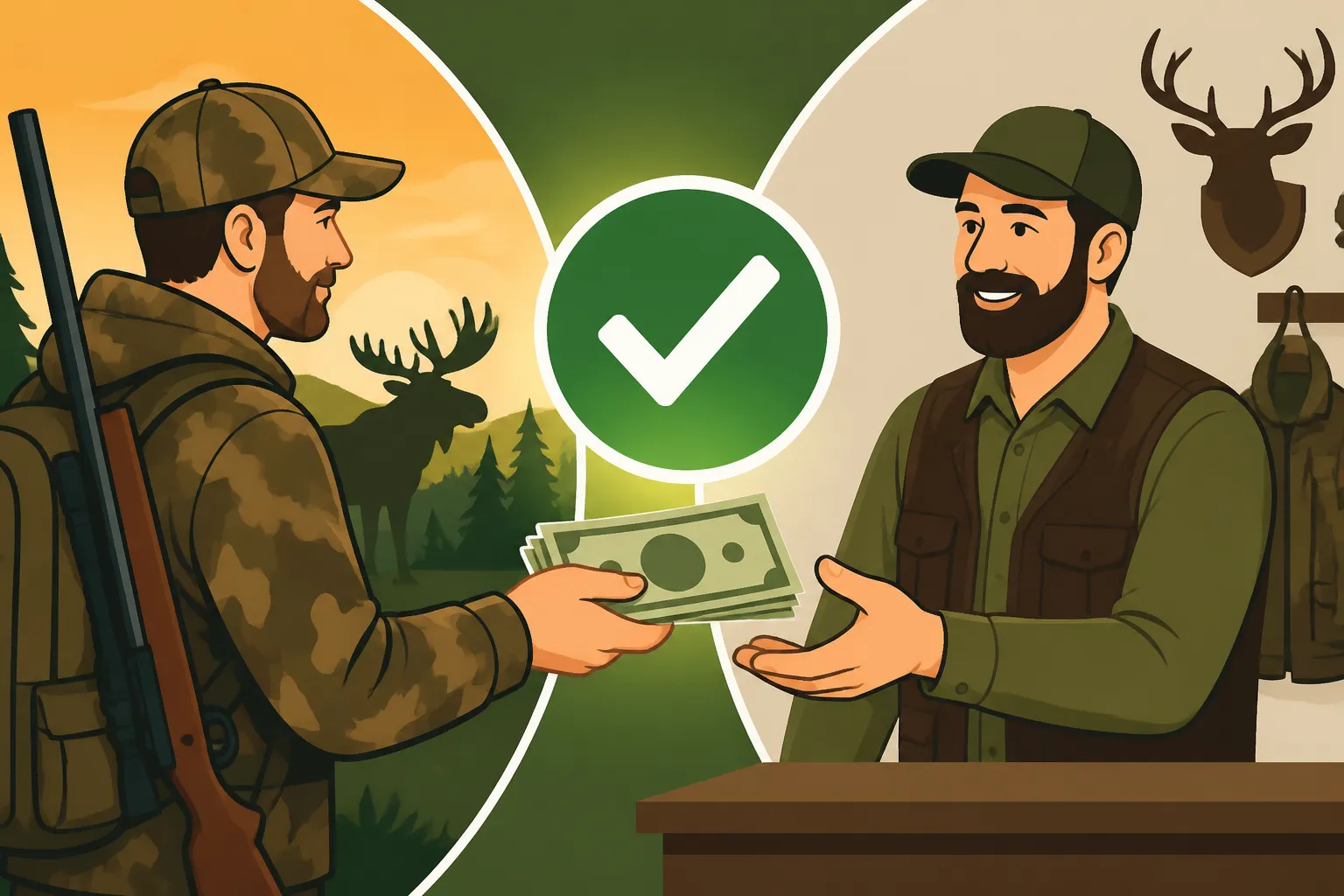
Direct Payment in US Dollars (with exchange rate applied)
Some outfitters will indeed accept US dollars directly for your hunt package. However, it's crucial to understand that when they do this, they will apply an exchange rate. This isn't just the current "mid-market" rate you might see on an online currency converter. That rate is typically what large financial institutions use among themselves. An outfitter, when accepting USD, often has to factor in their own costs to convert that money into CAD, pay for any bank fees, or simply protect themselves from daily currency fluctuations.
This means the exchange rate they offer might be slightly less favourable than what you could get from your own bank or credit card company. For example, if the mid-market rate is 1.35 CAD for 1 USD, an outfitter might use a rate of 1.30 or 1.32. This difference, while seemingly small, can add up significantly on a large deposit or a full hunt package. Always ask an outfitter what specific exchange rate they will use if you plan to pay in US dollars, and clarify if there are any additional service charges. Transparency here is key to avoiding surprises.
Credit Card Payments and Your Bank's Exchange Rate
For many hunters, paying by credit card is the most convenient option. Most established Ontario outfitters accept major credit cards like Visa and Mastercard. When you use your credit card, your bank or credit card company handles the currency conversion. This often works to your advantage because credit card companies typically offer very competitive exchange rates, often close to the interbank rate, and sometimes better than what individual businesses or smaller exchange kiosks might provide.
However, there's a catch: foreign transaction fees. Many credit cards charge a fee (often around 2-3%) for purchases made in a foreign currency. This fee is applied on top of the converted amount. While the exchange rate might be good, this fee can negate some of those savings. It's a really good idea to call your credit card provider before your trip and ask about their foreign transaction fees and their typical exchange rate policies. Some credit cards specifically advertise no foreign transaction fees, which can be a huge benefit for international travel and hunting trips.
Wire Transfers and International Bank Transfers
For larger payments, such as a substantial deposit or the full cost of a What an Ontario Guided Moose Hunt Costs, wire transfers are a very common and secure method. When you initiate a wire transfer from your US bank to an Ontario outfitter's Canadian bank account, your bank will typically convert the funds into Canadian dollars before sending them. This usually results in a decent exchange rate, as banks deal in large volumes of currency.
The main considerations with wire transfers are the fees and the processing time. Both your sending bank and the receiving outfitter's bank might charge a fee for the transaction. These fees can vary, so inquire about them beforehand. Wire transfers also aren't instantaneous; they can take a few business days to process and clear, so plan accordingly, especially if you're up against a payment deadline. Platforms like BookYourHunt or GoHunt might facilitate connections to outfitters, but the actual payment methods, especially for larger sums, often revert to direct arrangements like wire transfers.
Best Practices for US Hunters Paying in Ontario
Navigating foreign currency doesn't have to be stressful. With a little foresight and proactive communication, you can ensure your financial transactions are smooth, leaving you more time to anticipate the excitement of Whitetail Hunting in Ontario or Moose Hunting Ontario's Northern Bush. The goal is to maximize your budget and minimize any unexpected costs or hassles once you're on Ontario soil.
Always Clarify Currency and Payment Methods Upfront
This is perhaps the single most important piece of advice we can give. Before you send any money or commit to a hunt, have a clear conversation with your chosen outfitter about their preferred currency and accepted payment methods. Don't assume anything. Ask them directly:
- "Are your prices quoted in CAD or USD?"
- "If I pay in USD, what exchange rate will you use, and are there any fees?"
- "Do you accept credit cards, and are there any surcharges for using them?"
- "What are the details for a wire transfer, including bank names, account numbers, and any associated fees?"
Getting these details in writing, perhaps as part of your booking confirmation or a follow-up email, is always a smart move. Websites like BookYourHunt or GoHunt are fantastic for finding and initially contacting outfitters, but always confirm these critical payment details directly with the outfitter before finalizing your booking. This upfront clarity prevents misunderstandings and ensures you can budget accurately.
Converting Funds Before You Travel
One of the simplest ways to manage your currency is to convert your US dollars into Canadian dollars before you leave home. Many US banks can order Canadian currency for you, often at a better exchange rate than you'd find at an airport exchange kiosk or a small border town currency exchange.
The benefits of having CAD cash on hand are numerous:
- Known Exchange Rate: You lock in your exchange rate before your trip, so you know exactly how much you're spending.
- Cash for Incidentals: You'll have Canadian cash for smaller purchases, tips for guides and camp staff (which is a common practice, see How Much to Tip an Ontario Guide), or unexpected expenses.
- Avoid ATM Fees: While ATMs are available, using them in a foreign country can sometimes incur fees from both your bank and the local bank. Having cash reduces reliance on ATMs.
It’s generally not recommended to exchange large sums of money at the border crossing or at small, independent exchange bureaus, as their rates can be significantly less favourable. Aim for your larger bank at home.
Consider a No-Foreign-Transaction-Fee Credit Card
As mentioned earlier, foreign transaction fees on credit cards can sneak up on you. If you plan to put a significant portion of your hunt cost, or even just your general expenses, on a credit card, look into cards that specifically waive these fees. Many travel-focused credit cards offer this perk, and the savings on a multi-thousand-dollar hunting trip can be substantial. Even for smaller purchases, avoiding a 2-3% fee repeatedly adds up. Check with your credit card issuer for details on their policy.
Budgeting for Exchange Rate Fluctuations
The exchange rate between the US dollar and the Canadian dollar can, and does, fluctuate. While usually not wildly, it's something to be aware of, especially for bookings made far in advance. If you pay your deposit when the US dollar is strong, and then pay the balance when it's weaker, your total US dollar cost might change.
A prudent approach is to budget a little extra margin for your trip – perhaps an additional 5-10% beyond the quoted CAD price, just in case the exchange rate moves unfavourably, or unexpected costs arise. Some hunters even choose to pay their full balance earlier if the exchange rate is particularly favourable to them, effectively locking in their cost. Your outfitter can advise on their payment schedule and whether early full payment is an option.
Beyond the Outfitter: Other Expenses in Canadian Dollars
While your outfitter payment is likely the largest expense, it's far from the only one. Many other essential costs during your Planning an Ontario Hunting Trip will be incurred in Canadian dollars. Being prepared for these helps ensure you have a truly seamless and enjoyable experience.
Licences, Tags, and Permits
This is a non-negotiable area: all hunting licences, tags, and necessary permits in Ontario must be purchased in Canadian dollars. There's no exception here, as these are government-issued documents. Whether you're buying your Ontario's Outdoors Card Explained or specific tags for Ontario Deer Season Dates and Tags or Ontario's Moose Tag Allocation Process, you'll be paying through the provincial licensing system, which processes transactions in CAD.
It's common for US hunters to purchase these online before they arrive, which means your credit card company will handle the conversion, potentially incurring those foreign transaction fees we discussed. Alternatively, you can purchase them in person at a licensed vendor with Canadian cash. Always factor these costs into your overall budget, and remember that specific costs can be found on the provincial government's hunting regulations summary.
Tips, Souvenirs, and Incidentals
Once you're in Ontario, virtually every other transaction you make will be in Canadian dollars. This includes:
- Tipping: It's customary to tip your guides, camp cooks, and other staff who made your hunt enjoyable. These tips are always given in Canadian dollars. Having Canadian cash in smaller denominations is incredibly useful for this.
- Local Purchases: Grabbing a coffee, buying snacks, picking up a forgotten piece of gear, or purchasing souvenirs from a local shop – these are all CAD transactions.
- Fuel: If you're driving yourself around for a Hunting Ontario's Crown Land or Hunting a Hardwood Ridge for Whitetails, you'll be filling up your tank with Canadian gas prices, paid in CAD.
- Meals out: If your hunt package doesn't include all meals, or if you decide to eat out on your travel days, restaurants will charge in CAD.
It’s highly advisable to carry some Canadian cash for these smaller, day-to-day expenses, especially in more remote areas where credit card terminals might be less reliable or non-existent.
Unexpected Costs and Emergencies
Sometimes, things just don't go according to plan. You might need to make an unplanned stop for vehicle maintenance, replace a broken piece of gear, or even handle an unforeseen medical expense. These situations underscore the importance of being ready for Canadian currency.
For example, if you find yourself needing a Truck Kit for a Northern Ontario Hunt item like an emergency tire repair in a small town, you'll be paying for it in CAD. Having a backup plan, whether it's an extra stash of Canadian cash or a credit card with no foreign transaction fees, can turn a potential crisis into a minor inconvenience. Being prepared means you can focus on the hunting adventure itself, rather than worrying about the intricacies of cross-border finances.
Here's a quick comparison of common payment methods for your Ontario hunt:
| Payment Method | Currency Accepted | Exchange Rate Source | Potential Fees/Considerations | Convenience Level |
|---|---|---|---|---|
| Canadian Cash | CAD (preferred) | Your bank (when exchanging) | No transaction fees once converted. | High |
| US Cash (if accepted) | USD | Outfitter's rate | Outfitter's rate might be less favorable; clarify beforehand. | Medium |
| Credit Card (USD) | USD (converted) | Your credit card company | Foreign transaction fees (check card policy); competitive rate. | High |
| Wire Transfer (USD) | USD (converted) | Your bank's rate | Bank fees (both ends); can take several business days. | Medium |
| Traveller's Cheques | USD (converted) | Bank that cashes them | Less common; can be difficult to cash; unfavourable rates. | Low |
Disclaimer
This article is for general informational purposes only and does not constitute professional advice. Laws, prices and regulations vary by location and change over time. Consult a qualified professional for guidance on your specific situation.