Sales Tax on a Guided Hunt Package
Planning a guided hunting trip in Ontario is incredibly exciting, a chance to immerse yourself in our vast wilderness and pursue some incredible game. But let's be honest, beyond the thrill of the hunt, the financial side of booking a package can feel like navigating a dense cedar swamp – confusing, opaque, and full of hidden snags. One of the biggest areas of confusion often revolves around sales tax. This guide will help demystify the sales tax you might encounter on an Ontario guided hunt package, so you can budget with confidence and avoid any unwelcome surprises.
Breaking Down Ontario's Sales Tax for Guided Hunts: The Basics
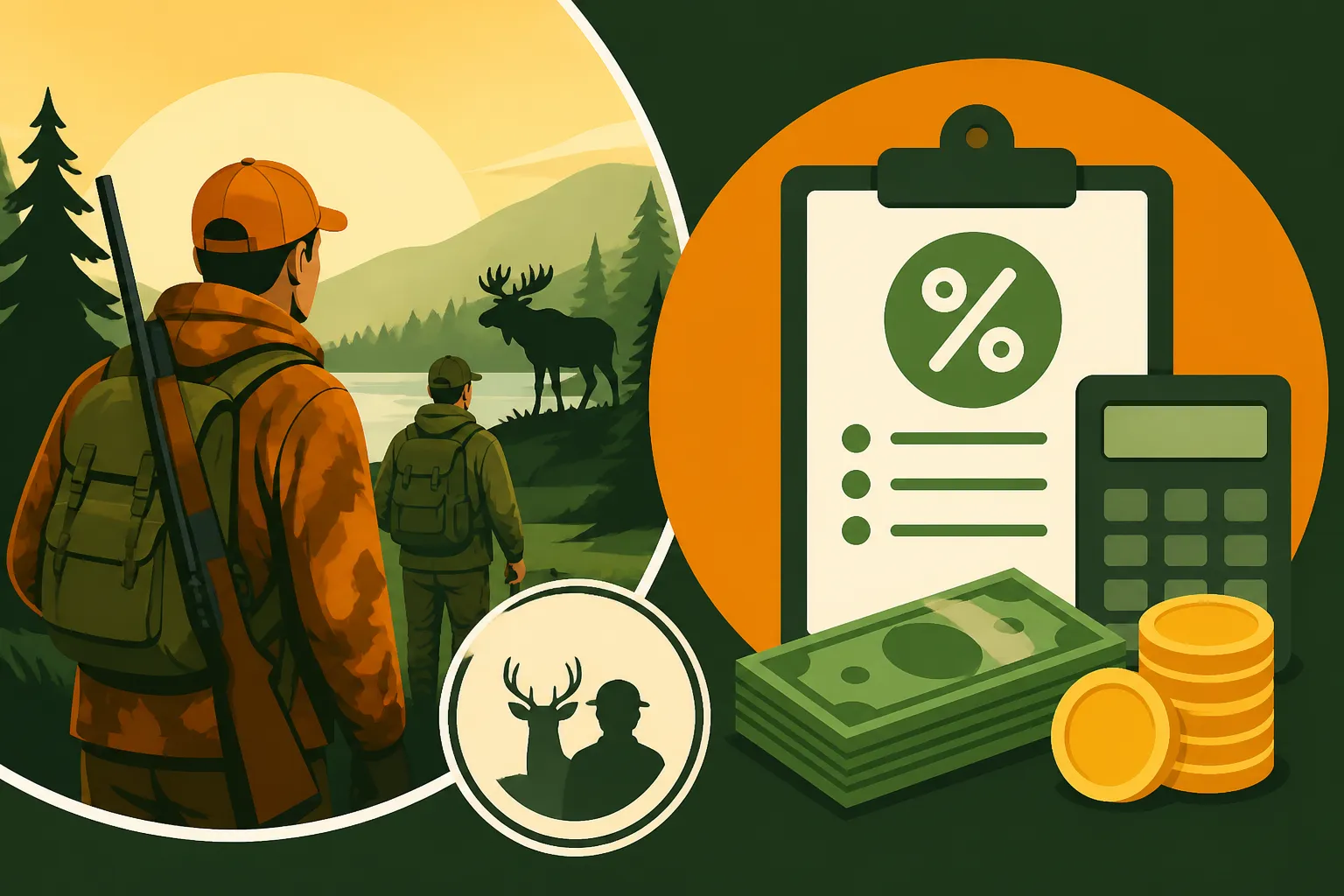
When you're looking at a guided hunt package in Ontario, it's easy to focus solely on the base price quoted by the outfitter. However, like most goods and services in Canada, these packages are subject to sales tax. In Ontario, we have the Harmonized Sales Tax (HST), which is a combined federal and provincial sales tax. It's a single percentage applied to most taxable goods and services, and it’s a significant line item you need to account for in your budget.
Imagine you're reviewing a fantastic looking bear hunt package advertised for a certain dollar amount. You're picturing yourself in a stand, the anticipation building, but then you remember: "What about tax?" That advertised price, more often than not, doesn't include the HST. This is a common practice across many industries, not just hunting, where the base price is listed, and the tax is added on top. It’s crucial not to assume the advertised figure is your final cost. Missing this detail can throw your entire trip budget out of whack, leaving you scrambling for extra funds or making tough choices about other expenses.
Understanding that HST is a standard application helps set your expectations. It's not an arbitrary fee an outfitter is charging, but a government-mandated tax that they are required to collect and remit. Whether you're booking a remote moose hunt or a local whitetail excursion, the HST will generally apply to the services provided. Think of it as a necessary part of doing business and something every hunter needs to factor in, much like the cost of your licence or ammunition.
What's Included and Excluded in Taxable Hunt Packages
The application of HST can sometimes get a little nuanced because a "guided hunt package" isn't just one single item; it's a bundle of different services and sometimes goods. Generally, any service component of your hunt package – the actual guiding, lodging, food provided by the outfitter, transportation within the camp, and the use of their equipment – will be subject to HST.
Let's consider a typical scenario. You've found a fantastic outfitter through a platform like BookYourHunt, which provides detailed listings of various packages. A package might include five days of guided hunting, all meals, accommodation in a cabin, and boat transportation to hunting spots. Each of these components, from the guide's time and expertise to the roof over your head and the food on your plate, falls under the umbrella of taxable services. So, if the package is listed at a base price, you can expect the HST to be added to that entire sum. The outfitter collects this tax, and it's then passed on to the government. This ensures a level playing field for all legitimate outfitters and contributes to public services.
However, there are a few things that might not be included in the taxable base price, and this is where clarity from your outfitter is paramount. Your hunting licence and tags, for example, are often purchased separately through the Ontario hunting licence portal. These government fees typically have their own tax structure or are exempt from HST, depending on the specific item. Similarly, any personal gear you bring, like your rifle or bow, isn't part of the outfitter's taxable service. If an outfitter offers a service like processing your game after the hunt, that specific service would also be subject to HST, but it might be billed separately from the main package. It’s always best to get a clear, itemized breakdown of costs from your chosen outfitter. This transparency ensures you know exactly what you're paying for and what taxes apply to each part of your adventure. Ontario Hunting Licences and What They Cost is a great resource to understand these separate expenditures.
Navigating Sales Tax: Practical Tips for Hunters
Budgeting for a guided hunt means looking beyond the sticker price. The sales tax can add a significant percentage to your overall cost, so ignoring it or simply guessing is a recipe for financial stress. Being proactive and asking the right questions upfront will save you headaches down the road.
First and foremost, when you're speaking with an outfitter or reviewing their packages, always ask for the all-in price, including taxes. Don't assume anything. A good outfitter will be transparent and happy to provide this information. If an outfitter is vague or hesitant, that might be a red flag. You want to deal with professionals who understand and clearly communicate all costs. For instance, when exploring options on sites like GoHunt, make a note to follow up directly with outfitters regarding their tax policies, as online listings often show base prices.
Secondly, get it in writing. Request a detailed quote or invoice that clearly itemizes the package cost and the applicable sales tax. This not only clarifies your understanding but also provides a record in case of any discrepancies. A clear, itemized breakdown should show the base package price, the HST applied, and then the total due. This is particularly important for non-residents who might be less familiar with Canada's tax system. Rules for Non-Residents Hunting Ontario can provide additional context on permits and fees specific to visitors.
Finally, factor in sales tax from the very beginning of your budgeting process. Don't think of it as an "extra" at the end; consider it an integral part of the cost. If you're setting aside money for your trip, ensure you're reserving enough to cover the base price plus the expected HST. This approach prevents financial surprises and ensures your focus can remain on the excitement of the hunt, rather than worrying about unexpected bills. Remember that other costs, like gratuities for your guide, are also typically not included in the base package or taxable amount, and should be budgeted separately. How Much to Tip an Ontario Guide offers guidance on this important aspect.
Here’s a quick overview of key financial considerations for your Ontario guided hunt:
| Item Type | Typically Taxable (HST) | Purchased Separately | Notes |
|---|---|---|---|
| Guide Fees | Yes | No | Usually integral to the package price. |
| Lodging (in camp) | Yes | No | If provided by the outfitter as part of the package. |
| Meals (in camp) | Yes | No | If provided by the outfitter as part of the package. |
| Transportation (to/from hunting areas) | Yes | No | If provided by the outfitter. |
| Hunting Licence/Tags | No | Yes | Government fees, usually purchased via Ontario's portal. |
| Game Processing | Yes | Sometimes | Can be an add-on service, typically taxable if the outfitter provides it. |
| Trophy Care (caping/skull prep) | Yes | Sometimes | Similar to processing, often an add-on. |
| Personal Equipment Rental | Yes | Sometimes | If you rent optics, firearms, etc., from the outfitter. |
| Gratuities | No | Yes | Not subject to HST, but an important part of your budget. |
| Export Permits | No | Yes | Government permit for non-residents. |
Always verify these details directly with your chosen outfitter, as individual package inclusions and how they are taxed can vary slightly. Knowing these distinctions will help you to accurately predict your total outlay for a trip like Black Bear Hunting in Ontario or Moose Hunting Ontario's Northern Bush. Be sure to also check for things that are What is Never Included in a Package so you don't miss any costs. Planning ahead, perhaps even Booking an Ontario Hunt a Year Ahead, gives you ample time to understand all financial aspects.
The Importance of Clear Communication with Outfitters
The relationship you build with your outfitter is key to a successful and enjoyable hunting experience in Ontario. This starts long before you even step foot in their camp, with clear and open communication about all aspects of your trip, especially the financial ones. Don't be shy about asking questions; a reputable outfitter will appreciate your thoroughness. They want satisfied clients, and that means no unpleasant surprises when it's time to settle the bill.
When you're comparing different outfitters, perhaps after browsing various options online, make "clarity on pricing and taxes" a top criterion. Some outfitters might include tax in their quoted price from the get-go, while others will add it on. There's no single rule for how they present it in their initial marketing, which is why your direct inquiry is so vital. For example, if you're looking at a Whitetail Hunting in Ontario package, confirm whether the listed price on their website or brochure already includes the Harmonized Sales Tax (HST) or if it will be added on top. This seemingly small detail can account for a significant portion of your budget.
Beyond the initial package price, also inquire about any potential extra costs that might arise during the hunt itself. Will there be charges for extra mileage if you want to hunt a specific, distant spot? What about the cost of caping or quartering your animal, or ice for your cooler? While these might seem minor, they add up. Understand if these additional services are subject to HST as well. Getting a comprehensive understanding of all potential expenses and their tax implications helps you set a realistic budget, ensuring that your memorable hunt is focused on the thrill of the chase and the beauty of Ontario's wilderness, not on unexpected costs. Planning your finances properly allows you to enjoy every moment, whether you're Spring Turkey Hunting in Ontario or Elk Hunting Ontario's Bancroft Herd.
Disclaimer
This article is for general informational purposes only and does not constitute professional advice. Laws, prices and regulations vary by location and change over time. Consult a qualified professional for guidance on your specific situation.