Booking a Great Lakes Diver Hunt
It's no secret that the Great Lakes offer some of the most epic, yet challenging, waterfowl hunting experiences out there. Battling big water, unpredictable weather, and some of the toughest birds a hunter can face can feel overwhelming, especially if you're new to it. This guide is all about demystifying the process of booking a guided diver duck hunt on Ontario's majestic Great Lakes, so you can focus on the thrill of the hunt rather than the logistics and guesswork.
Understanding Great Lakes Diver Hunting: The Basics
Before you even think about booking, it’s crucial to wrap your head around what diver hunting on the Great Lakes truly entails. This isn't your typical marsh or field hunt; it’s a whole different ballgame that demands specialized knowledge, equipment, and a healthy respect for the water. The immense size of these lakes means conditions can change in a heartbeat, and the ducks you're after are fast, hardy, and smart.
The Allure of Diver Ducks
Diver ducks are named for their feeding habits – they dive deep underwater to find their food, which often includes mollusks and aquatic vegetation. On the Great Lakes, this means you're typically targeting species like Canvasbacks, Redheads, Bluebills (Greater and Lesser Scaup), Goldeneyes, and Buffleheads. Each species has its own charm, but they all offer incredible action and a challenging shot.
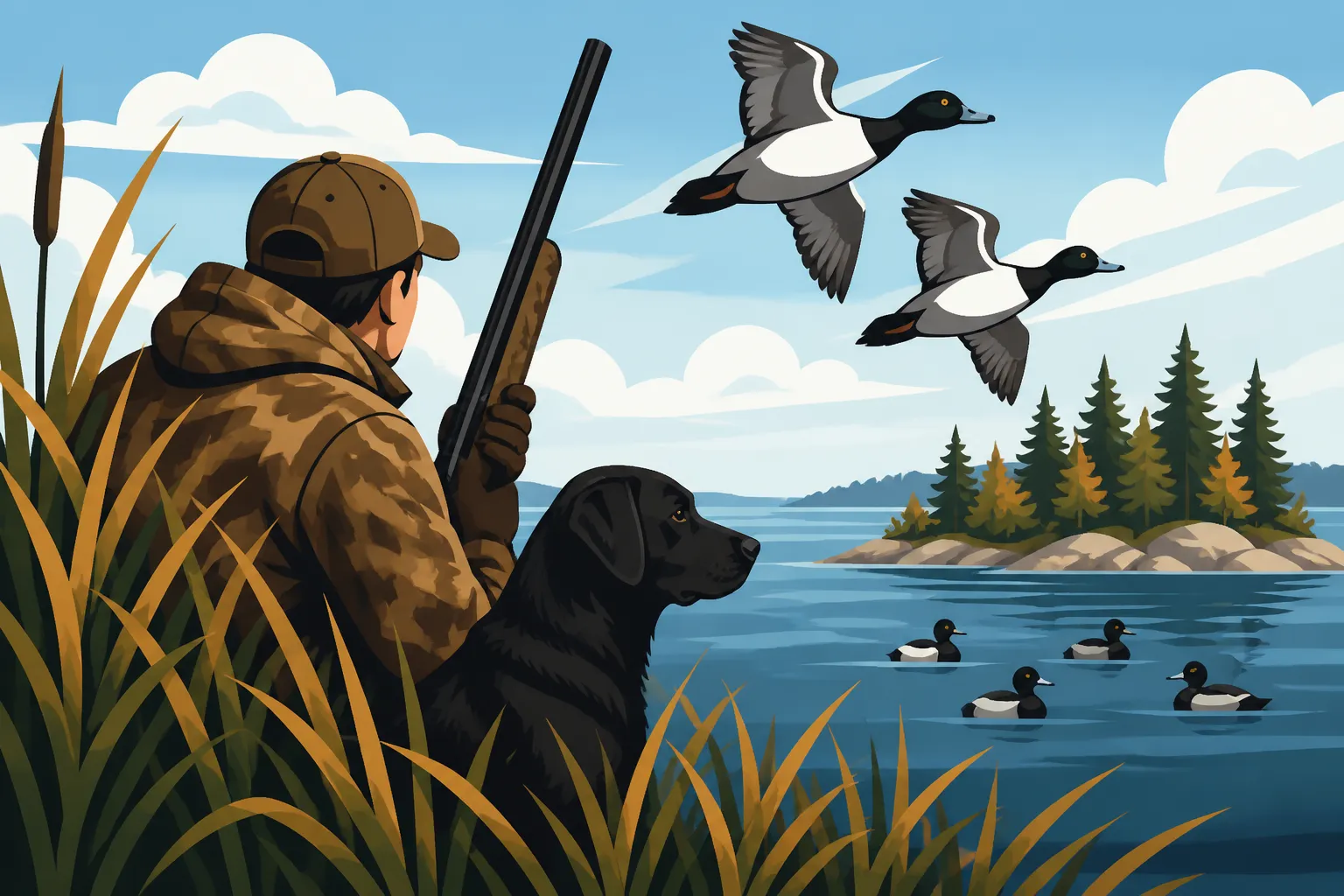
Imagine the crisp, biting air of a late fall morning, the rhythmic slap of waves against the hull of a sturdy boat, and hundreds of decoys bobbing and weaving in the chop. Suddenly, a small flock of Canvasbacks, wings whistling, barrels into the spread. That's the kind of heart-pounding moment a Great Lakes diver hunt delivers. The sheer volume of birds that stage on these massive bodies of water during migration is astounding. It’s a spectacle that every waterfowler should experience at least once.
Unique Challenges of Big Water Hunting
Hunting divers on the Great Lakes presents a unique set of challenges that can be intimidating for self-guided hunters. First and foremost is the weather. A calm morning can quickly turn into a white-capping gale, making navigation dangerous and hunting impossible. You need a sturdy boat, often an open-water layout boat or a larger mother boat, capable of handling significant swells. Marsh Hunting Ducks on the Great Lakes can give you a deeper understanding of the habitat.
Then there's the gear. A successful diver spread requires hundreds, if not thousands, of decoys. These aren't your typical puddle duck dekes; they're heavier, designed for big water, and often rigged on long lines. Setting and retrieving these spreads is backbreaking work, especially in cold weather. Safety is paramount too. You're often far from shore, exposed to the elements, and in areas with commercial shipping traffic. A good guide isn't just a bird finder; they're a seasoned boat operator and safety expert. They know the subtle signs of changing weather, the hidden hazards, and how to keep you safe in a dynamic environment.
Finding and Vetting Great Lakes Diver Outfitters
Since self-guided diver hunting on the Great Lakes is so demanding, most hunters, especially those from out of province or first-timers, opt for a guided experience. But with so many options, how do you pick the right one? This is where your research really pays off.
Researching Potential Guides
Start by looking for guides who specialize specifically in Great Lakes diver hunting. A general waterfowl guide might be excellent for field geese, but big water divers require a different skill set and equipment. Online hunting forums, social media groups, and reputable booking platforms like BookYourHunt or GoHunt can be excellent starting points. Pay attention to reviews and testimonials, but also try to read between the lines. Are people consistently praising the guide's safety protocols, boat handling, and bird knowledge, or just the number of birds shot?
Once you have a few names, dive deeper. Check their websites for detailed information about their operations, safety measures, and what's included in their packages. Look for guides who emphasize proper licensing and insurance – these are non-negotiable for responsible big water operations. Remember, you're entrusting your safety and your hunting experience to this person, so thorough vetting is key. Choosing the Right Ontario Outfitter offers more general advice that applies here too.
Key Questions to Ask an Outfitter
When you've narrowed down your list, it's time to pick up the phone. A good outfitter will be happy to answer all your questions thoroughly and patiently. Here are some critical points to cover:
- Safety Protocols: What's their plan for rough weather? What safety equipment do they carry (VHF radio, GPS, emergency locator, first-aid)? Are they certified in marine first aid?
- Boat and Equipment: What kind of boat do they use? How many hunters does it comfortably accommodate? What type and how many decoys do they run? Do they provide life jackets and other safety gear?
- Experience: How long have they been guiding diver hunts on the Great Lakes specifically? What's their local knowledge of the areas they hunt?
- Success Rates & Expectations: While no ethical guide guarantees limits, ask about their typical success rates for the time of year you're interested in. Be realistic – hunting is hunting, and limits aren't always a given.
- What's Included: Clarify what's covered in the price (guide, boat, decoys, blinds, non-toxic shot, lunch, drinks). What's not included (licences, stamps, bird cleaning, lodging before/after the hunt)?
- Licensing & Permits: Will they help you navigate the process for Ontario Hunting Licences and What They Cost and The Federal Migratory Game Bird Permit? Ensure they know you need a Non-Toxic Shot Requirements for Waterfowl.
- References: Ask for recent references, preferably from hunters who booked similar trips. A reputable guide will have no issue providing these.
Here’s a handy table of crucial questions to ask:
| Category | Key Questions to Ask |
|---|---|
| Safety & Gear | What is your safety plan for adverse weather? What marine safety certifications do you hold? What kind of boat and safety equipment do you use? |
| Experience | How many years have you guided diver hunts on the Great Lakes? Which specific areas do you focus on? |
| Inclusions | What exactly is covered in the package price (decoys, blind, boat, lunch, etc.)? What additional costs should I expect (licences, stamps, bird cleaning, lodging)? |
| Logistics | What are the typical meeting times and locations? How long is a typical hunting day? What is your cancellation policy for bad weather? |
| Expectations | What are realistic expectations for bird numbers and species during my desired hunting window? Can you provide references from past clients? |
| Permits & Legal | Will you assist with understanding required Ontario Migratory Bird Permits and Non-Toxic Shot Requirements for Waterfowl? Are you licensed and insured for commercial guiding operations? |
Planning Your Diver Hunt Logistics
Once you've chosen a guide, it's time to firm up the details. A successful hunt isn't just about showing up; it's about being prepared for the unique environment of the Great Lakes.
Timing Your Hunt
The best diver hunting on the Great Lakes generally occurs during the peak fall migration, typically from late October through November, and sometimes into early December, depending on ice formation. The colder it gets, the more birds seem to push into these larger, open bodies of water. For species like Canvasbacks, the very end of the season can be prime. However, this also means colder temperatures and a higher chance of rough water.
Discuss with your chosen outfitter the best time window for the specific species you're hoping to target. They'll have the most up-to-date information on migration patterns and local concentrations. Some outfitters book up a year or more in advance, especially for prime dates, so plan accordingly. Platforms like BookYourHunt often show available dates well in advance. When Divers Reach the Great Lakes can provide more information on seasonal timing.
Essential Gear and What to Bring
Your guide will likely provide the specialized equipment like boats, decoys, and blinds, but you're responsible for your personal gear. Dressing in layers is absolutely critical for Great Lakes diver hunting. You'll be exposed to wind and cold on the water, so waterproof, windproof outer layers are a must. Think thermal base layers, a good insulated mid-layer, and a heavy-duty outer shell.
Here's a list of essentials:
- Warm, waterproof clothing: Insulated waders or bibs and a heavy waterproof hunting coat.
- Waterproof gloves and a warm hat: You'll be handling cold, wet decoys and enduring wind.
- Eye protection: Essential for sun glare and safety.
- Hearing protection: Necessary for shooting.
- Non-toxic shot: Absolutely mandatory for all waterfowl hunting in Ontario. Your guide may or may not provide this, so clarify beforehand. Bring enough for a potentially fast and furious shoot.
- Shotgun: Ensure it's clean, oiled, and reliable.
- Valid Ontario Outdoors Card, hunting licence, and federal migratory game bird permit. Don't forget your Carrying Your Licence on Your Phone or a printed copy.
- Snacks and drinks: Even if lunch is provided, extra snacks and hot drinks are always welcome.
- Camera: To capture the memories!
It's also a good idea to bring a change of clothes in a dry bag, just in case. Big water is inherently wet, and accidents happen.
Permits and Licenses for Non-Residents
If you're visiting from outside Ontario, particularly from the United States, there are a few extra steps. You'll need to acquire an Ontario Outdoors Card Explained and the necessary hunting licences and tags for waterfowl. This process can often be initiated online through the Ontario government's hunting portal.
You'll also need a Federal Migratory Game Bird Permit and a Canadian Wildlife Habitat Conservation Stamp. These are purchased separately but are equally mandatory. For those bringing their own firearms, you must complete a Non-Resident Firearm Declaration Form (RCMP 5589) upon entering Canada. This effectively acts as a temporary firearms licence. Work closely with your outfitter to ensure all your paperwork is in order well before your trip. Getting this wrong can lead to serious headaches at the border. Rules for Non-Residents Hunting Ontario provides a comprehensive overview.
What to Expect on a Guided Diver Hunt
The morning of your hunt will likely start early, often well before dawn. Your guide will meet you at a predetermined launch point, usually a public boat launch close to the hunting grounds. This is where you'll finalize your gear and get a safety briefing.
The Boat Ride and Setup
The boat ride out to the hunting location can be an adventure in itself. Depending on the conditions and the spot, it might be a quick run or a longer, choppier journey across open water. You'll get a real sense of the vastness of the Great Lakes and why a knowledgeable guide is so important.
Once at the chosen spot, the hard work begins. Setting a diver spread is a coordinated effort. Your guide will direct the deployment of hundreds of decoys, often strung on long lines, ensuring they're positioned optimally for attracting birds. You might be helping deploy decoys or setting up the blind – whether it's a traditional layout boat, a larger custom boat blind, or a shore-based setup if conditions allow. Expect cold hands and a bit of physical exertion, but the anticipation building is part of the fun. Layout Hunting on Lake St. Clair can give you a visual of what some of these setups look like.
The Hunting Experience
Once the spread is set and everyone is tucked into the blind, it’s a waiting game. But not for long. As the sun rises and ducks begin to move, the action can be fast and furious. Diver ducks fly incredibly fast, often low to the water, and can come in hard and committed to the spread. Quick reflexes and accurate shooting are essential. Your guide will be constantly monitoring the skies, calling out incoming birds, and advising on shot opportunities.
Retrieving downed birds on big water can be challenging, and your guide will have specific methods for this, often involving a fast retrieve boat or a well-trained dog. Safety remains paramount throughout the hunt. If the weather turns, or if conditions become unsafe, a good guide will not hesitate to call it a day, regardless of how many birds are in the bag. It's frustrating when a hunt ends early, but it's a sign of a professional prioritizing your well-being. This is a realistic expectation on these big waters.
Post-Hunt: Cleaning and Departure
After the hunt, the process reverses: decoys are picked up, gear is stowed, and you make the return trip to the launch. Many outfitters offer bird cleaning services for an additional fee, or they'll direct you to local processors. If you plan to do your own cleaning, ensure you have appropriate bags and a cooler with ice, especially if you have a drive ahead. Remember to adhere to all Transporting Game Meat in Ontario regulations.
Taking the time to chat with your guide afterwards, share stories, and offer honest feedback is always appreciated. If you had a great experience, a tip for their hard work and dedication is customary. Most importantly, reflect on the incredible experience of hunting such magnificent birds in one of Ontario's most spectacular and challenging environments.
Disclaimer
This article is for general informational purposes only and does not constitute professional advice. Laws, prices and regulations vary by location and change over time. Consult a qualified professional for guidance on your specific situation.