Ontario Waterfowl Outfitter Packages
The thrill of a crisp autumn morning, the whistle of wings overhead, and the distant honk of Canada geese drawing closer – it's a dream for many waterfowl hunters. But let's be honest, finding prime locations, setting up spreads, and understanding the ever-changing habits of ducks and geese in a vast province like Ontario can be incredibly daunting, especially if you're not a local. This guide will walk you through everything you need to know about Ontario waterfowl outfitter packages, helping you understand what they offer and how to choose the right experience for your next hunt.
Why Consider an Ontario Waterfowl Outfitter?
Hunting waterfowl in Ontario offers an incredible variety, from massive Canada geese staging in agricultural fields to fast-flying divers battling the waves on the Great Lakes. However, tapping into these opportunities requires local knowledge, specialized gear, and often, access to private land. This is where an outfitter truly shines, transforming what could be a frustrating scouting mission into a high-success hunt.
Navigating Vast Landscapes and Regulations
Ontario is huge, and its waterfowl hunting opportunities are spread across diverse landscapes, from the sprawling farmlands of the south to the wild northern reaches. Trying to figure out where the birds are, what fields they're hitting, or which marshes they're resting in, all while deciphering the provincial and federal regulations, can feel like a full-time job. Outfitters dedicate themselves to this reconnaissance. They spend countless hours scouting fields, watching flyways, and monitoring local bird movements. This means you don't have to guess; you arrive with the confidence that you're in a productive area. They're also deeply familiar with Ontario Game Bird Seasons and Limits and Ontario Duck Season Dates by District, ensuring your hunt is always legal and compliant.
Beyond just knowing where to go, there's the critical aspect of understanding the rules. Migratory bird hunting falls under federal regulations, but provincial rules also apply. These can change, or have nuances depending on the specific Wildlife Management Unit (WMU) you're in. An experienced outfitter keeps abreast of all these details, from bag limits for specific species to requirements for Non-Toxic Shot for Ontario Waterfowl, ensuring a seamless and worry-free experience for their clients. They are your personal compliance officers, letting you focus on the hunt.
Accessing Prime Hunting Grounds
One of the biggest hurdles for any waterfowl hunter, especially non-residents or those without local connections, is gaining access to prime hunting land. Many of the best goose fields, duck marshes, and shoreline points are on private property. Landowners, understandably, are often reluctant to grant access to unfamiliar hunters, or they simply have existing arrangements. Outfitters often have long-standing relationships with farmers and other private landowners, granting them exclusive access to highly productive areas that would otherwise be off-limits. This is an invaluable asset, especially when you consider the sheer amount of work involved in Getting Permission for a Goose Field on your own.
Imagine spending days knocking on doors, only to be turned away repeatedly. Then, trying to scout public land that sees heavy pressure, competing with dozens of other hunters. An outfitter removes this headache entirely. They’ve already done the legwork, secured the permissions, and scouted the "X" where the birds want to be. This means less frustration and more time actually hunting. They'll know the best places for Field Hunting Geese in Ontario Stubble or where the ducks are rafting up on private ponds.
The Advantage of Expert Knowledge and Gear
Waterfowl hunting is gear-intensive. From hundreds of decoys to specialized blinds, boats, and calls, the cost and logistics can quickly add up. An outfitter brings all this to the table. They've invested heavily in top-tier equipment designed to maximize your chances of success. More importantly, they possess the deep knowledge of how to use it effectively. They know how to set a spread that looks natural, how to call in wary birds, and how to adapt to changing weather conditions or bird behaviour.
Think about it: do you own a full spread of Canada goose decoys, complete with fliers, full-bodies, and shells? Do you have a specialized boat for layout hunting diver ducks on Lake Erie? Probably not. An outfitter does. They also have the experience to read the birds, understand their flight patterns, and make crucial adjustments on the fly, like knowing when to change calling cadences or how to adjust decoy placement for the shifting wind. This expertise, combined with their extensive gear, is truly what makes an outfitter package a worthwhile investment for a high-quality waterfowl hunt.
Types of Ontario Waterfowl Outfitter Packages
Ontario's diverse geography lends itself to several distinct types of waterfowl hunting experiences. Outfitters specialize in different methods, tailored to the specific species and terrain they pursue. Understanding these distinctions will help you choose the package that best fits your hunting style and expectations.
Field Hunting for Geese and Dabblers
This is often the most iconic image of waterfowl hunting: lying flat in a stubble field, surrounded by a massive spread of decoys, as hundreds of geese commit to the setup. Ontario, particularly its southern and eastern agricultural belts, offers incredible opportunities for Hunting Canada Geese on Ontario Farmland. Outfitters specializing in field hunting will have access to private agricultural fields – often corn, soybean, or winter wheat – that ducks and geese are actively feeding in. They'll scout daily, sometimes hourly, to pinpoint the exact field where birds are working.
A typical field hunting package usually includes hundreds of decoys, specialized layout blinds or pit blinds, and expert calling by the guide. You'll often be targeting Canada geese, but it's not uncommon to also intercept mallards, pintails, or other dabbling ducks that join the geese in the fields. The setup and takedown of such a spread are physically demanding, and having an outfitter handle this massive logistical challenge is a huge advantage. These hunts can offer fast-paced action and are a fantastic social experience, often with a group of hunters sharing a blind, calling, and enjoying the camaraderie.
Marsh and Shoreline Hunting for Ducks
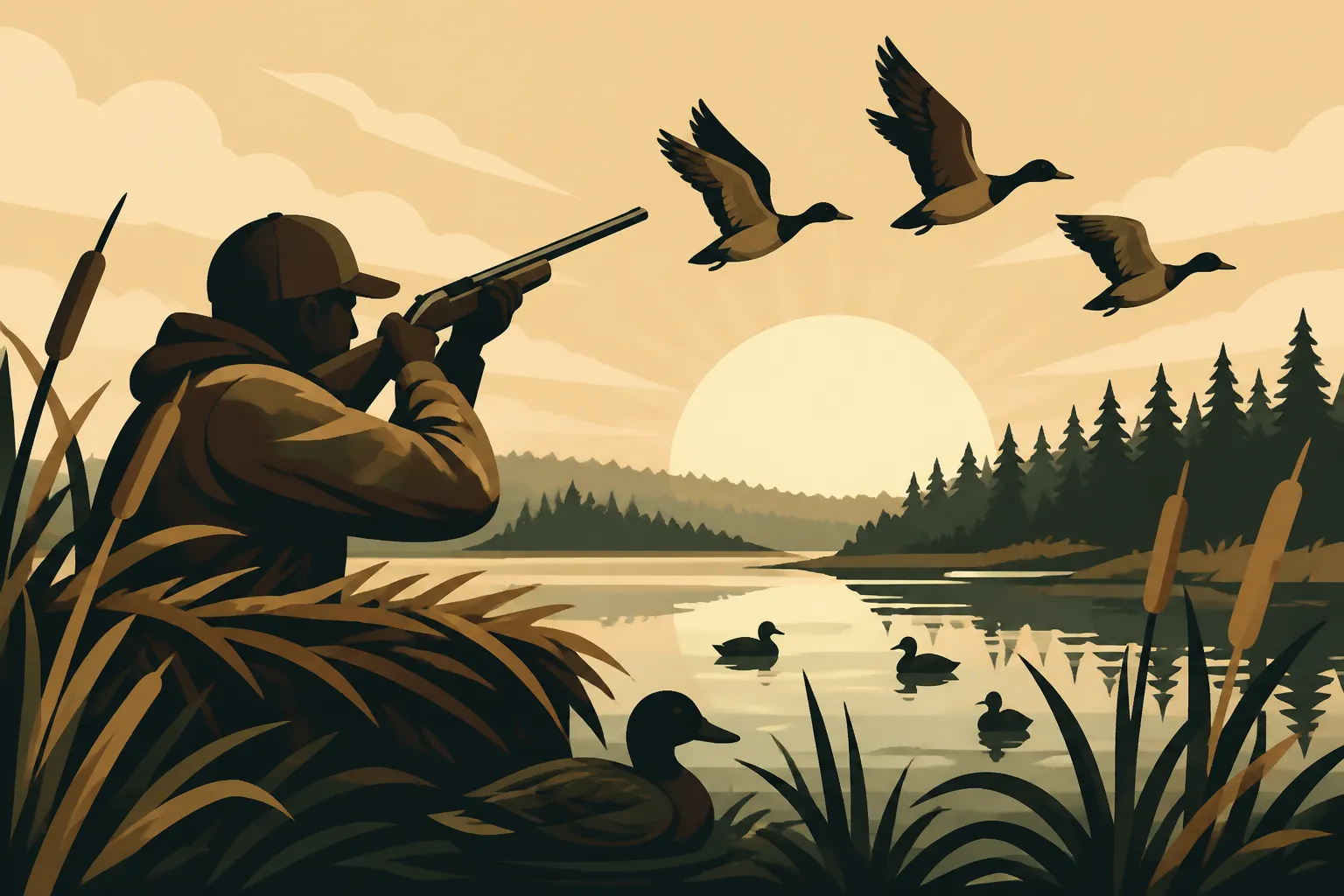
For those who prefer the misty calm of a cattail marsh or the sheltered bays of the Great Lakes, marsh and shoreline hunting packages are ideal. These hunts primarily target ducks, including a variety of dabblers like mallards, wood ducks, and teal, as well as some diver species closer to larger bodies of water. Outfitters will often use boats to access remote pockets of marshland or strategically placed permanent blinds along productive shorelines.
These packages often involve smaller decoy spreads, sometimes focused on specific species like puddle ducks or divers, and can be a more intimate experience than a large field hunt. Guides will know the intricate channels, hidden potholes, and traditional flight paths within their hunting areas. You might be hunting out of a comfortable permanent blind, a floating blind, or even jump-shooting certain areas. The beauty of marsh hunting is often in its serene environment, the unique challenge of calling ducks in tight, and the potential for a mixed bag of different species. Ontario's numerous inland lakes and the extensive shorelines of the Great Lakes provide endless opportunities for Marsh Hunting Ducks on the Great Lakes or Hunting Ducks in an Ontario Cattail Marsh.
Big Water Hunting for Divers
If you crave the raw power of Lake Ontario or Lake Erie and the thrill of fast-flying diving ducks, a big water diver hunt might be for you. These packages are highly specialized, requiring robust boats, significant safety equipment, and guides with extensive experience navigating large, open water. The primary targets are diving ducks like bluebills, canvasbacks, redheads, and goldeneyes, which raft up in huge numbers on the Great Lakes during migration.
Big water hunts often involve using layout boats – small, low-profile craft anchored amidst large spreads of diver decoys – or larger chase boats from which you'll shoot as birds work the spread. Safety is paramount on these hunts due to the unpredictable nature of large bodies of water. Outfitters will have all the necessary marine safety equipment, experienced boat operators, and a deep understanding of weather patterns. This type of hunting can be incredibly exciting, with ducks often coming in at high speed, offering challenging shots. It's an experience that truly showcases the magnitude of waterfowl migration through Ontario. If you've ever dreamt of Diver Hunting Ontario's Big Water, an outfitter is generally the safest and most effective way to make it happen.
| Hunt Type | Primary Species Targeted | Typical Location | Key Equipment Involved | Effort Level for Hunter (Guide handles setup) |
|---|---|---|---|---|
| Field Hunting | Canada Geese, Mallards, Pintails | Agricultural fields (corn, beans, wheat) | Layout blinds, hundreds of full-body decoys, fliers | Low to moderate (getting in/out of blinds) |
| Marsh/Shoreline | Mallards, Teal, Wood Ducks, divers | Cattail marshes, sheltered bays, rivers | Boats, permanent blinds, floating blinds, smaller decoy spreads | Low to moderate (walking, boat rides) |
| Big Water Diver | Bluebills, Canvasbacks, Redheads | Great Lakes, large inland lakes | Large chase boats, layout boats, diver decoys, safety gear | Moderate (can be physically demanding) |
What to Expect in a Typical Waterfowl Package
Booking an outfitter package means entrusting much of your hunting experience to professionals. While specific inclusions can vary, there are some common elements you can generally anticipate in an Ontario waterfowl outfitter package. Understanding these will help you manage your expectations and prepare appropriately.
Equipment and Decoys Provided
One of the greatest benefits of an outfitter package is the sheer amount of specialized gear they provide. For a field hunt, this typically means a huge spread of high-quality decoys – often hundreds of full-body geese and duck decoys, combined with silhouettes, shells, and motion decoys like spinning wing or flaggers. You'll also be provided with comfortable, effective blinds, whether they're layout blinds that keep you hidden in the stubble or more permanent pit blinds. For marsh or big water hunts, expect boats, specialized floating or stationary blinds, and appropriate decoy spreads for the target species.
The cost of this equipment alone would be prohibitive for most recreational hunters. Not only do outfitters provide the gear, but they also handle the extensive logistics of transporting, setting up, and taking down these spreads, which can be a significant amount of work. This allows you to focus solely on the hunting experience itself, rather than the backbreaking labour. They'll also ensure all equipment is well-maintained and ready for action.
Guiding Services and Daily Schedule
The heart of any outfitter package is the guiding service. Your guide will be a seasoned waterfowl hunter with intimate knowledge of the local area and bird movements. They will scout aggressively to put you on the best possible X, set the decoys, and do the majority of the calling. A good guide isn't just a driver; they're an educator, a storyteller, and a crucial component of your success. Expect them to brief you on the plan for the day, discuss safety protocols, and share insights into local bird behavior.
A typical daily schedule usually starts well before dawn. You’ll meet your guide at a predetermined spot, head out to the hunting location (often a 30-60 minute drive or boat ride), and get set up in the dark. Hunting will commence at legal shooting light and continue until birds are no longer working, or until you've reached your bag limit. Some hunts might involve a mid-day break and an afternoon hunt, especially during peak migration. Your guide will make the call on timing based on bird activity and weather. They are there to ensure your hunt is as productive and enjoyable as possible.
Accommodation and Meals (if applicable)
Some, but not all, Ontario waterfowl outfitter packages include accommodation and meals. These are often referred to as "all-inclusive" or "American Plan" packages. Others might be "day hunts" or "housekeeping" packages, where you're responsible for your own lodging and food. It’s crucial to clarify this upfront. If accommodation is included, it could range from rustic bush camps to comfortable lodges, depending on the outfitter and the region.
For those booking multi-day trips, having accommodation and meals provided can greatly enhance the overall experience, especially in remote northern areas. You won't have to worry about cooking after a long day in the field, or finding a suitable place to stay. However, if you prefer more flexibility or are hunting closer to towns with ample lodging options, a day hunt package might be more appealing. Always check the outfitter's website or discuss directly what is covered regarding What an Ontario Outfitter Provides in Camp and What Camp Food Is Usually Like.
Important Considerations Before Booking
Choosing the right Ontario waterfowl outfitter package involves more than just picking one from a list. You need to do your homework to ensure the experience matches your expectations and that you're prepared for the trip.
Understanding Costs and Inclusions
One of the most common pitfalls for hunters booking guided trips is not fully understanding what is included in the package price. While many outfitters will clearly list what's covered, it's always wise to ask clarifying questions. Does the price include your hunting license and federal migratory bird permit? Are all meals and accommodation covered, or is it a day rate? Are tips for the guide and camp staff expected, and if so, what's a typical amount? What Is Never Included in a Package often includes gratuities, alcoholic beverages, and sometimes even bird cleaning services, so be sure to clarify.
Costs can vary widely based on the duration of the hunt, the species targeted, the level of service (e.g., one-on-one versus group hunts), and the remoteness of the location. Make sure you understand the total potential cost, including any hidden fees or extra services you might need. Don't be shy about asking for a detailed breakdown. Websites like BookYourHunt or GoHunt can be great resources for comparing different packages and seeing what other hunters have reported regarding inclusions and exclusions.
Licensing and Permitting for Waterfowl
Before you even think about setting up decoys, you need the proper paperwork. In Ontario, this means several things. First, you'll need an Ontario's Outdoors Card Explained, which is your basic hunting identification. Then, you'll need an Ontario hunting licence specifically for small game and migratory birds. Finally, you'll require a federal migratory game bird permit and a Canadian Wildlife Habitat Conservation Stamp. These are mandatory for hunting ducks and geese anywhere in Canada.
For non-residents, the process can involve additional steps, including declaring firearms at the border. Many outfitters will assist with navigating these requirements, sometimes even helping you purchase the necessary permits. However, the ultimate responsibility for ensuring you are properly licensed rests with you. Make sure you understand The Federal Migratory Game Bird Permit and all other requirements well in advance of your trip. Don't wait until the last minute, as some permits may take time to process.
Vetting Your Outfitter and Asking the Right Questions
This is perhaps the most critical step. Not all outfitters are created equal. Do your due diligence! Start by checking if the outfitter is a licensed tourist outfitter in Ontario – a legitimate business should be able to provide this information. Ask for references from past clients, and actually follow up with them. Look for reviews on independent platforms or hunting forums. A reputable outfitter will be transparent and proud to share their client testimonials. You can search on platforms like BookYourHunt to read reviews and connect with outfitters who have positive reputations.
When you speak to the outfitter, ask detailed questions:
- What are your typical success rates on Ontario waterfowl hunts? (Be wary of anyone who "guarantees" success; hunting is never a sure thing).
- What happens if weather conditions are unfitting for hunting?
- What equipment do I need to bring?
- What is your policy on wounded birds?
- How many hunters will be in my group, and what is the hunter-to-guide ratio?
- How far will we travel to hunt each day?
- Do you have a plan for Meat Care in Ontario's Warm Early Seasons?
A good outfitter will patiently answer all your questions and instill confidence in their operation. If you find yourself having to chase them down for answers or feeling uneasy about their responses, it might be a red flag. GoHunt also offers resources that can help you research different areas and identify potential outfitters.
Making the Most of Your Guided Waterfowl Hunt
You've booked your trip, done your research, and the date is approaching. Now it's time to ensure you arrive prepared and ready to make the most of your Ontario waterfowl hunting adventure.
Preparing for Your Trip
Physical and mental preparation are key. Waterfowl hunting can involve long hours in the elements, sometimes in cold, wet conditions. Ensure you have appropriate clothing layers for fluctuating temperatures, including waterproof and windproof outer layers. Good quality, waterproof boots are essential, especially for marsh or field hunting where mud and water are common. Remember, you might be sitting still for extended periods, so warmth is crucial.
Practice your shooting before the hunt. Waterfowl present challenging targets, often flying fast and erratically. A guided hunt is not the time to "dust off" the shotgun. Spend time at the range with clays to hone your swings and lead. Discuss with your outfitter what gauge shotgun and shot size they recommend for the specific birds you'll be targeting. Don't forget to pack any personal items, medications, and a good attitude. A positive mindset, even when birds aren't flying as expected, makes for a much better experience for everyone.
Etiquette and Expectations in the Blind
When hunting with an outfitter and other clients, certain etiquette helps ensure a smooth and enjoyable experience for all. Listen carefully to your guide. They are the expert in the field, and their instructions, whether about shooting zones, calling, or when to get ready, are crucial for safety and success. Don't overcall; let the guide manage the calling unless specifically asked to join in. Respect the other hunters in the blind – give everyone fair opportunities at birds within their shooting zone.
It’s important to understand that hunting is unpredictable. There will be days when the birds fly thick and fast, and days when they are scarce. A good guide will do everything they can, but they cannot control the weather or bird migration patterns. Be patient, stay positive, and enjoy the overall experience, regardless of the bag limit. Your enthusiasm and respect for the process will make a big difference for your guide and fellow hunters.
Handling Your Harvest and Logistics
Once the hunt is over and you've enjoyed some success, you'll need to know the logistics of handling your birds. Most outfitters will help with the initial collection and transport of your harvest. Clarify with your outfitter whether bird cleaning and packaging services are included or available as an extra charge. Some camps will have dedicated cleaning stations, while others may expect you to handle your own birds.
For non-residents, transporting game meat across the border requires specific documentation. You'll need to apply for a Non-Resident Export Permit for your harvested birds. Your outfitter should be able to guide you through this process or provide the necessary forms. Ensure all tags are properly notched and attached to your birds as required by Ontario regulations. Properly cared-for game meat is a delicious reward for your efforts, so paying attention to these details is important to ensure your birds make it home in excellent condition.
Disclaimer
This article is for general informational purposes only and does not constitute professional advice. Laws, prices and regulations vary by location and change over time. Consult a qualified professional for guidance on your specific situation.