Ontario Outfitters in the South
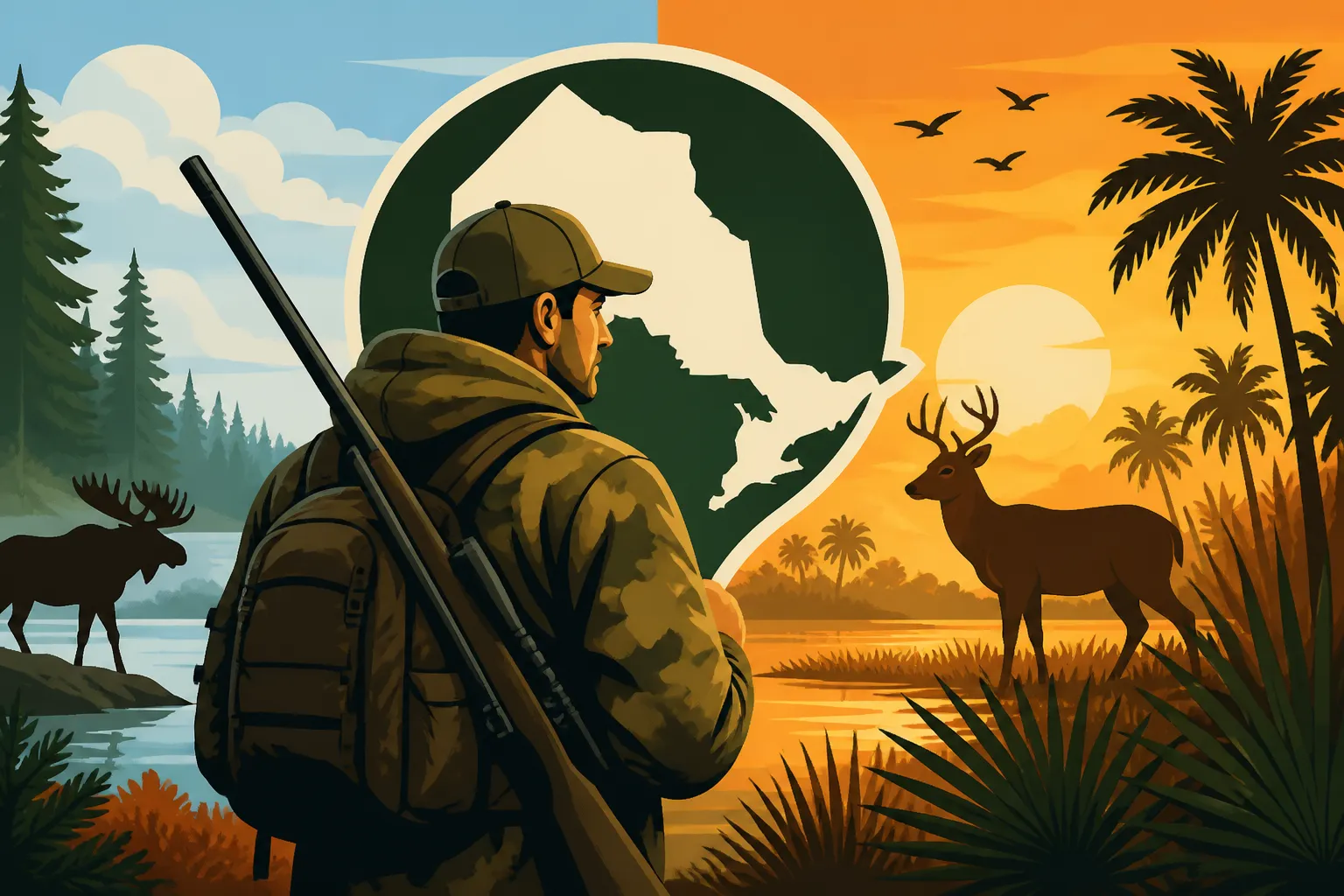
There's a common misconception that all the best hunting in Ontario is way up north, deep in the bush, requiring float planes and endless travel. But for many of us, the idea of a truly accessible, yet incredibly rewarding hunting adventure right here in Southern Ontario is hugely appealing. This guide is all about shedding light on the dedicated outfitters who specialize in making those Southern Ontario hunting dreams a reality, covering everything from what they offer to how to pick the perfect one for your next trip.
The Unique Appeal of Southern Ontario Outfitters
Southern Ontario often gets overlooked by hunters picturing vast, untouched wilderness. However, this region offers a distinct and highly productive hunting experience, driven by its unique geography, rich agricultural lands, and diverse wildlife populations. It's a different kind of hunt, but no less exciting or challenging, especially when you have a skilled outfitter guiding the way.
Diverse Game Opportunities
While the deep North might be synonymous with moose and caribou for some, Southern Ontario truly shines when it comes to healthy populations of white-tailed deer, an abundance of waterfowl, and thriving wild turkeys. The mix of dense woodlots, sprawling agricultural fields, and numerous waterways creates a mosaic of habitats perfectly suited for these species. You're looking at prime opportunities to pursue trophy whitetails that grow big on nutrient-rich crops, huge flocks of Canada geese and various duck species descending on stubble fields, and robust turkey populations that roam both forest edges and farm properties. This diversity means you can often tailor a hunt to your specific interests, or even combine different species within the same trip, depending on the season and your outfitter's offerings.
Accessibility and Convenience
One of the biggest advantages of hunting with an outfitter in Southern Ontario is the sheer accessibility. For most Ontario residents, and even many visitors from nearby U.S. states, these areas are often just a short drive away. Forget those multi-day travel itineraries involving remote flights or extensive off-road journeys. This region is crisscrossed by well-maintained roads, making it incredibly convenient to get to your hunting lodge or meeting point. This ease of access significantly cuts down on travel time and costs, allowing you to maximize your time in the field. Plus, it often means less logistical hassle with gear and supplies, as you're rarely truly "off the grid." For folks who work hard and have limited vacation days, the convenience of a Southern Ontario hunt can be a game-changer.
Beyond the Deep Bush
Hunting in Southern Ontario isn't about trekking through endless boreal forest, though there are certainly beautiful, expansive woodlots. Instead, it's often about understanding how game interacts with agricultural landscapes, woodlots, river systems, and even suburban fringes. This means different hunting strategies, like setting up along a Hunting a Standing Corn Field Edge or carefully navigating a Hunting a Fencerow Between Two Fields. Outfitters in this region have a deep understanding of these specific dynamics. They know how deer move between cover and feed, where waterfowl stage, and how turkeys pattern their daily routines across varied terrain. It's a nuanced approach that leverages the unique features of a more settled, yet still wild, environment. This contrast to the rugged, remote hunts of the north provides a different kind of challenge and reward, focusing more on precise scouting, strategic setup, and a keen understanding of game behaviour in developed areas.
Types of Guided Hunts Available in Southern Ontario
Southern Ontario's landscape, a rich tapestry of agricultural fields, hardwood forests, and abundant waterways, supports an incredible variety of game species. Outfitters here have honed their skills to provide exceptional guided experiences for some of the province's most sought-after animals.
Whitetail Deer Hunts
Without a doubt, whitetail deer are a major draw for Southern Ontario outfitters. The rich farmlands provide an excellent food source, leading to deer that often grow larger in body size and antler mass compared to their northern counterparts. When hunting in Southern Ontario, outfitters typically focus on properties that include a mix of woodlots, dense cover, and agricultural fields like corn, soybeans, or winter wheat. You might find yourself positioned in a treestand overlooking a key travel corridor or a ground blind situated on a field edge, waiting for that mature buck to step out, particularly during the peak of Hunting the Rut in Early to Mid November.
Outfitters specializing in whitetails often employ extensive scouting, using trail cameras and their intimate knowledge of local deer patterns to put you in the best possible position. They understand how deer use features like Hunting a Cedar Swamp Edge for bedding cover or how a Hunting a Hardwood Ridge for Whitetails serves as a primary travel route. These hunts are meticulously planned, often involving mornings and evenings in stands, with breaks midday. Some outfitters might offer options for controlled deer hunts or focus on specific regions known for producing Why Southern Ontario Grows Heavy Bucks, maximizing your chances at a memorable trophy.
Waterfowl Expeditions
For the avid bird hunter, Southern Ontario is a veritable paradise, especially during the fall migration. Situated along major flyways, the region sees immense numbers of ducks and geese passing through, with many stopping to feed and rest in the fertile agricultural fields and numerous wetlands. Outfitters here are masters of decoy spreads, calling, and blind placement, whether you're targeting Canada geese in a cut corn field or various duck species in a marsh.
You can expect to find guides offering fantastic opportunities for Field Hunting Geese in Ontario Stubble, where large decoy spreads and strategic blind placement are key to decoying wary birds. Other outfitters specialize in Marsh Hunting Ducks on the Great Lakes or smaller inland wetlands, setting up elaborate spreads of floating decoys for species like mallards, pintails, and various divers. They often provide all the necessary equipment, from high-quality decoys to comfortable blinds, ensuring you have a productive and enjoyable hunt. Remember that Non-Toxic Shot for Ontario Waterfowl is a legal requirement, which any reputable outfitter will enforce and often provide. A good outfitter will also have scouted extensively to know exactly where the birds are feeding and resting on any given day, making your hunt far more successful than trying to figure it out on your own.
Turkey and Small Game Opportunities
Beyond the big game and waterfowl, Southern Ontario also offers fantastic opportunities for turkey and small game. The success story of Ontario's Wild Turkey Restoration Story means healthy populations are spread across the southern counties, providing thrilling spring and fall hunts. Spring turkey hunts with an outfitter typically involve calling birds off the roost at first light, setting up strategically to intercept strutting gobblers. Whether you're a seasoned caller or prefer to let your guide do the talking, these hunts are incredibly exciting. Fall turkey seasons offer a different challenge, often involving breaking up a flock and calling individual birds back, which can be a truly unique experience, especially for those looking to try Hunting the Fall Turkey Season With a Bow.
Small game hunting is also a viable option with some outfitters, particularly for cottontail rabbits or even coyotes. While not as commonly advertised as full-service guided experiences, some guides may offer combination hunts or special packages for Rabbit and Hare Hunting in Ontario along fencerows and woodlot edges. Calling Coyotes in Ontario Farm Country is another niche that some outfitters provide, especially during the winter months, offering an intense and challenging predator hunting experience. These smaller game options provide excellent ways to extend your hunting season or introduce new hunters to the field in a less pressured environment.
What to Expect from a Southern Ontario Outfitter
When you're considering a guided hunt in Southern Ontario, it's really important to know what kind of experience you're signing up for. Unlike the deep wilderness camps up north, Southern Ontario outfitters often operate a bit differently, balancing accessibility with a quality hunting adventure.
Guided vs. Semi-Guided Experiences
One of the first distinctions you'll encounter is between fully guided and semi-guided hunts. A fully guided hunt means your outfitter or guide will be with you in the field, often taking you directly to your stand, blind, or calling position, providing advice, calling game, and assisting with tracking and recovery. This is ideal for less experienced hunters, those unfamiliar with the terrain, or anyone who simply wants to maximize their chances with expert assistance. You’re paying for their time, expertise, and direct involvement in the hunt.
A semi-guided hunt, on the other hand, typically involves the outfitter providing pre-scouted locations, maps, and often setting up blinds or stands for you. They'll show you where to go, offer advice on tactics for that specific spot, and might assist with game recovery, but they won't be actively hunting with you throughout the day. This option offers a bit more independence and is often more budget-friendly. It's great for experienced hunters who are confident in their own abilities but want the advantage of an outfitter's private land access and local knowledge. Some outfitters listed on platforms like BookYourHunt will clearly differentiate these options, so you can pick what suits your style and budget best.
Lodging and Amenities
The lodging experience in Southern Ontario can vary quite a bit, but it’s generally less rustic than a remote fly-in camp. Many outfitters operate from comfortable farmhouses, purpose-built lodges, or even rented cottages on or near their hunting properties. You can expect amenities like comfortable beds, hot showers, and often home-cooked meals. Some might offer "housekeeping" packages, meaning you're responsible for your own cooking and groceries, while others provide full "American plan" service with all meals included.
Given the region's accessibility, some hunters might opt to stay at a nearby hotel or motel and simply meet their guide daily. However, staying with the outfitter often enhances the overall experience, fostering camaraderie and allowing for evening discussions about the day's hunt and planning for the next. Always clarify the type of lodging, if any, that's included in your package.
What's Typically Included (and Not)
Understanding the inclusions and exclusions in a guided hunt package is crucial to avoid any surprises. Generally, a Southern Ontario outfitter's package will include:
- Access to prime hunting land: Often private properties that are carefully managed.
- Guide services: Either fully or semi-guided, as discussed above.
- Pre-scouted locations: The outfitter's expertise in placing you in the right spot.
- Equipment: Decoys, blinds, and sometimes even a rental firearm (though usually you bring your own).
- Meals and lodging: If specified in the package.
- Game retrieval and basic field dressing: Getting your animal out of the bush.
However, there are several things that are almost never included and will add to your What a Guided Deer Hunt Costs or Ontario Black Bear Hunt Prices:
- Hunting licences and tags: You are always responsible for purchasing your Ontario Hunting Licences and What They Cost and specific game tags (e.g., deer tags, turkey tags, migratory bird stamps) yourself, usually through the Ontario hunting licence portal.
- Transportation to the hunting area: Getting yourself to the outfitter's base camp.
- Meat processing and taxidermy: While guides will often assist with field dressing, full butchering and taxidermy services are typically extra, and the outfitter may have local recommendations.
- Gratuities for guides and camp staff: Tipping is customary in the hunting industry.
- Personal gear: Your weapon, ammunition, camouflage, boots, and other personal items.
It's vital to get a detailed breakdown of what your package covers before you commit. A good outfitter will provide this upfront.
Choosing the Right Southern Ontario Outfitter
Finding the right outfitter can make or break your hunting experience. Southern Ontario has many great options, but doing your homework is key to ensuring you book a hunt that aligns with your expectations and hunting style.
Researching Reputation and Reviews
In today's connected world, researching an outfitter's reputation is easier than ever. Start by looking for their website and social media presence. Look for testimonials and photos from past clients. Online hunting forums and communities can also be a goldmine for honest reviews and firsthand accounts. Platforms like BookYourHunt and GoHunt are particularly useful here, as they often aggregate reviews and provide a structured way to compare different outfitters, showcasing client feedback on success rates, guide professionalism, and overall camp experience. Pay attention to consistent themes in the reviews – positive comments about friendly guides and good food are great, but also look for feedback on things like stand placement, knowledge of game, and post-shot recovery efforts.
Don't just look for glowing reviews; a mix of feedback can sometimes provide a more realistic picture. If an outfitter has no online presence or reviews, proceed with caution. The goal is to find an outfitter with a solid track record of providing positive and ethical hunting experiences, not just guaranteeing a kill, because as we all know, there are no guarantees in hunting.
Asking the Right Questions
Once you've narrowed down your choices, don't hesitate to reach out to outfitters directly and ask a lot of questions. This conversation is crucial for understanding what they offer and if they're a good fit for you. Some key questions to consider, as also outlined in our Questions to Ask Before Booking guide, include:
- What is included in the package price? (Reiterate inclusions/exclusions, as discussed earlier).
- What are your success rates for the specific game I'm interested in? Be realistic; a 100% success rate is a red flag. Ask about opportunity rates (seeing game) vs. harvest rates.
- What kind of terrain will we be hunting? Understanding the landscape helps you prepare.
- What hunting methods do you primarily use? (e.g., treestands, ground blinds, spot and stalk, calling).
- What is the typical guide-to-hunter ratio? This impacts the level of personalized attention you receive.
- Can you provide references from past clients? Speaking directly with someone who has hunted with them can offer invaluable insight.
- What is your policy on wounded game? A reputable outfitter will have a clear and ethical policy for tracking and recovering wounded animals.
- What licenses and tags will I need, and how do I obtain them?
- What is your deposit and cancellation policy?
- What happens if I harvest my animal early?
A good outfitter will be transparent and happy to answer all your questions thoroughly. If you get vague answers or feel rushed, that might be a sign to look elsewhere.
Understanding Outfitter Specializations
Southern Ontario outfitters often specialize. Some are masters of waterfowl, with elaborate decoy spreads and keen scouting eyes for geese and ducks. Others live and breathe whitetail deer, having spent countless hours learning the patterns of mature bucks across their leased properties. And then there are those who excel at calling in spring gobblers or setting up blinds for fall turkeys.
It's important to choose an outfitter whose primary focus aligns with your hunting goals. While some may offer combination hunts, an outfitter deeply specialized in a particular species is often going to provide a more refined and potentially more successful experience for that animal. For instance, if your dream is a big Southern Ontario whitetail, an outfitter with a proven track record specifically for deer, who can talk passionately about Reading Whitetail Sign in Ontario Hardwoods or Hunting a Cedar Swamp Edge, is likely a better choice than a generalist who "also does" deer hunts. Platforms like GoHunt and BookYourHunt allow you to filter outfitters by species, helping you find specialists more easily.
Planning Your Southern Ontario Guided Hunt
Once you’ve done your research and chosen an outfitter, the real fun begins: planning your trip! Southern Ontario might be accessible, but a successful hunt still requires careful preparation, from getting your paperwork in order to packing the right gear.
Licence and Tag Acquisition
This is the absolute first step once you've booked your hunt. As a hunter in Ontario, you are personally responsible for acquiring your Ontario Hunting Licences and What They Cost and any specific tags needed for the species you'll be pursuing. This process typically starts with having a valid Ontario Outdoors Card, which is your hunter identification. If you don't have one, or if yours has expired, you'll need to renew or obtain one. Our guide on Ontario's Outdoors Card Explained can walk you through that.
After your Outdoors Card is sorted, you'll purchase your base hunting licence (e.g., Resident Deer Licence, Small Game Licence) and then apply for or purchase the specific tags. For deer, depending on the Wildlife Management Unit (WMU) and season, this might involve applying for antlerless tags through a draw or purchasing controlled hunt validations. For migratory birds, you'll also need a federal migratory game bird permit and a Canadian Wildlife Habitat Conservation Stamp. Your outfitter will tell you exactly which WMU you'll be hunting in and what tags are required, so you can ensure you apply for the correct ones by the deadlines. Don't wait until the last minute – draws have application periods, and even direct tag purchases can take a few days to process online.
Travel and Logistics
Southern Ontario is known for its excellent road networks, making driving the most common mode of transport for hunters. If you're coming from within Ontario or nearby U.S. states, factor in driving time, gas, and potentially tolls. Ensure your vehicle is in good working order, especially if you're traveling during colder months.
If flying in, you'll likely arrive at a major international airport like Toronto Pearson (YYZ) and then rent a car for the drive to your outfitter's location. Remember to check regulations for Bringing Firearms Into Ontario if you're flying with your own rifle or shotgun, and complete any necessary paperwork, like the non-resident firearm declaration, well in advance. Your outfitter might offer airport pickup services for an additional fee, especially if they are a bit more remote, so always confirm these details during booking. Ensure you have clear directions to your meeting point or lodge.
Preparing for Your Hunt
Preparation is key for any successful hunt, regardless of location. For a Southern Ontario hunt, consider these points:
- Gear Check: Go through your hunting gear well before your trip. This includes your firearm or bow, ammunition, optics, knife, and any specialized equipment for your specific hunt (e.g., turkey calls, chest waders for waterfowl). Make sure everything is in good working order.
- Clothing: Southern Ontario weather can be unpredictable, especially during the fall and winter hunting seasons. Layers are your friend! For late fall deer or waterfowl, expect chilly mornings and potentially mild afternoons. For November deer hunts, consider our advice on Dressing for Ontario's November Cold. Bring waterproof outerwear and comfortable, waterproof boots. Blaze orange requirements apply for certain seasons, so ensure you have enough as per Ontario regulations.
- Practice: Hitting the range before your hunt is non-negotiable. Whether you're shooting a rifle or bow, practice at realistic hunting distances. This builds confidence and ensures you're ready when that moment of truth arrives.
- Physical Conditioning: While Southern Ontario hunts might not be as physically demanding as a mountain sheep hunt, you'll still be walking, sitting in stands for extended periods, and potentially dragging game. A reasonable level of fitness will make the experience more enjoyable.
- Communication: Confirm meeting times, locations, and any last-minute details with your outfitter a few days before your trip. Share your travel plans with someone at home, too, especially if you're heading to an area with limited cell service.
Comparison of Typical Southern Ontario Guided Hunts
| Feature | Whitetail Deer Hunt | Waterfowl Hunt | Wild Turkey Hunt |
|---|---|---|---|
| Typical Season | Archery (Oct-Nov), Gun (Nov), Muzzleloader (Dec) | Fall (Sept-Dec), specific species dates vary | Spring (May), Fall (Oct) |
| Habitat Focus | Agricultural fields, woodlots, river bottoms | Stubble fields, marshes, open water | Forest edges, open fields, woodlots |
| Primary Methods | Treestands, ground blinds, still hunting | Decoying, calling, blind hunting | Calling, ambushing, setting up on roost |
| Outfitter Prep | Extensive scouting, trail cams, stand placement | Daily scouting for bird locations, decoy spreads | Roosting birds, blind setup, calling strategies |
| Hunter Gear | Camo, warm layers, waterproof boots, rifle/bow | Waders, waterproof camo, non-toxic shells, shotgun | Full camo, calls, comfortable seating, shotgun/bow |
| Physical Demands | Moderate (stand sitting, walking, game recovery) | Moderate (blind setup, carrying gear) | Moderate (walking, sitting, calling) |
| Success Factors | Rut timing, weather, deer movement, hunter patience | Migration patterns, weather, scouting, calling skills | Roost location, calling ability, setup, weather |
This table offers a snapshot, but remember that specific offerings will vary from one outfitter to another. Always confirm the details directly with your chosen guide.
Disclaimer
This article is for general informational purposes only and does not constitute professional advice. Laws, prices and regulations vary by location and change over time. Consult a qualified professional for guidance on your specific situation.