Hunting Around Dryden and Sioux Lookout
Hunting in the vast wilderness around Dryden and Sioux Lookout can feel like stepping into an untouched frontier, but the sheer scale of the landscape and the dense boreal forest can be incredibly daunting for even experienced hunters. Many folks get overwhelmed trying to figure out where to even start, from understanding local game movements to navigating endless logging roads. This guide aims to demystify hunting in this incredible region, breaking down what makes it special and how you can plan a successful and rewarding trip to this prime northern Ontario hunting ground.
The Northern Wilderness Appeal
The region encompassing Dryden and Sioux Lookout, stretching deep into Northwestern Ontario, represents a truly wild and expansive hunting experience. This isn't your southern Ontario farmland hunting; this is big bush country, dominated by a mix of coniferous and mixedwood forests, dotted with countless lakes, rivers, and wetlands. It's a place where you can still find true solitude, where the sounds of the highway fade away, replaced by the call of a loon or the rustle of leaves underfoot.
For many, the appeal lies in the opportunity to chase truly wild game in their natural habitat, far from the pressures of more populated areas. The landscape itself is a challenging but rewarding partner in the hunt, demanding a different kind of preparation and approach. It forces you to slow down, to observe, and to truly understand the rhythm of the forest.
Geography and Landscape
Imagine endless stretches of Jack Pine and Black Spruce, broken by stands of Poplar and White Birch, especially along old logging cuts and beaver ponds. That's the core of the Dryden and Sioux Lookout hunting landscape. The terrain varies from gently rolling hills to low-lying muskeg and vast expanses of rocky Shield country. This diverse environment creates a mosaic of habitats, each attracting different game species. The sheer number of lakes, from massive bodies of water like Lac Seul and Lake of the Woods to thousands of smaller, unnamed lakes, dictates game movement and offers unique access points, particularly for species like moose and waterfowl.
Navigating this country means being prepared for anything. You might be walking on solid rock one moment, slogging through a beaver meadow the next, and pushing through dense spruce thickets after that. Understanding these transitions is key to finding game. The sheer size of the area, often spanning multiple Wildlife Management Units (WMUs), means that scouting and planning are paramount. Tools like Scouting With Satellite Imagery in Ontario can give you a crucial edge in breaking down these vast tracts of land into manageable hunting blocks.
Primary Game Species Overview
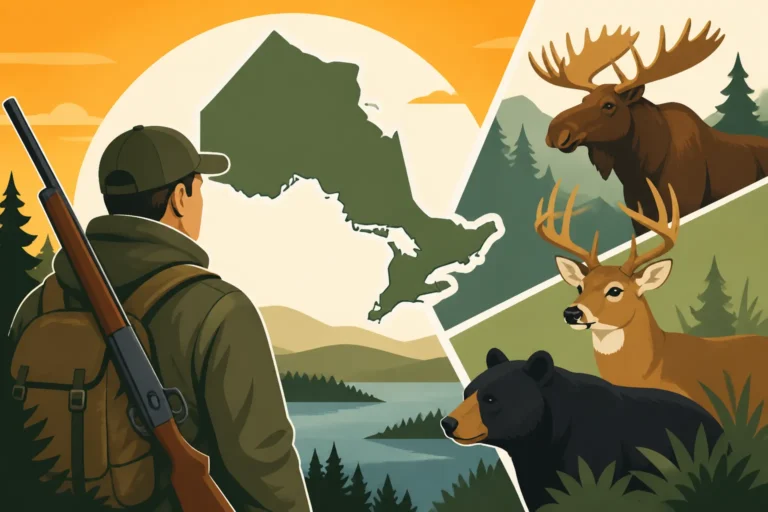
When you talk about hunting around Dryden and Sioux Lookout, certain species immediately come to mind. Moose, without a doubt, are king here. The vast boreal forest and the abundance of wetlands provide ideal habitat for these majestic animals. Black bears are also very common, thriving in the dense cover and varied food sources available throughout the region. While often thought of as a southern game animal, healthy populations of whitetail deer also exist, particularly in areas closer to agriculture or in specific habitat pockets offering crucial winter cover.
Beyond the big game, this area is a paradise for upland bird hunters, with ruffed grouse and spruce grouse abundant in the timber. Waterfowl hunting can also be exceptional, especially on the numerous lakes and rivers where ducks and geese stage during migration. Predators like wolves and coyotes also roam these woods, offering an additional challenge for those interested in calling or trapping.
Key Species and Where to Find Them
Successfully hunting in Northwestern Ontario means understanding the habits and preferred habitats of your target species. The vastness of the landscape means that game isn't just "everywhere"; they're concentrated in specific areas that meet their needs for food, cover, and water.
Moose Hunting in the Boreal Forest
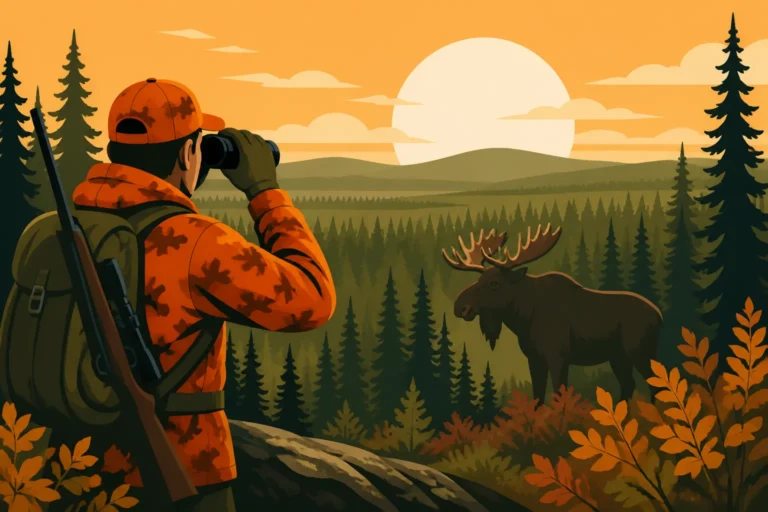
Moose are the quintessential big game animal of the boreal forest, and the Dryden and Sioux Lookout area offers some excellent opportunities for them. These giants thrive in young, regenerating forests – think about those areas that were logged 5-15 years ago, now thick with young poplars, birches, and willows that moose love to browse. They'll also be found frequently around beaver ponds, marshy lake edges, and slow-moving rivers, where aquatic vegetation is a key part of their diet, especially in summer.
During the rut, typically in late September and early October, bulls become more active and vocal. Knowing Calling a Bull Moose in the Rut can be a game-changer. Look for fresh rubs on small trees and large tracks in muddy areas near water or old logging roads. Early morning and late evening are prime times, as moose tend to be more active during cooler parts of the day. They're masters of silent movement, so careful still-hunting or setting up in an area with good visibility near a known travel corridor can be effective. Remember, a successful moose hunt often involves getting deep into the bush, sometimes even considering Hunting Moose From a Boat or Canoe to access remote areas.
Whitetail Deer in Transition Zones
While moose dominate the northern bush, whitetail deer are increasingly present, especially in the southern fringes of this region and in areas where boreal forest transitions into more mixed wood or even agricultural interfaces. These deer are often larger-bodied than their southern counterparts, as they need extra reserves to survive harsh winters. They'll seek out cedar swamps for winter cover, using the dense canopy to break wind and deep snow.
During the open seasons, you'll find them using old clearcuts and edges of swamps, especially where there's good browse. They also gravitate towards any areas with available agriculture, even small patches of old farmsteads or fields, particularly later in the season. Learning to read Reading Whitetail Sign in Ontario Hardwoods is crucial for pinpointing their travel routes and bedding areas. The deer here are not as numerous as in southern Ontario, and they are often pressured, meaning a stealthy approach and understanding their specific habitat use in this northern context is vital. This is also where understanding deer drives can be useful, especially when Deer Drives With Three or Four Hunters are feasible in accessible blocks of bush.
Black Bear and Upland Bird Opportunities
Black bears are plentiful throughout the Dryden and Sioux Lookout region, making it a fantastic destination for bear hunters. They can be found almost anywhere there's dense cover and food. Early in the spring, bears often forage along southern-facing slopes and clearcuts for emerging greens and carrion. As summer progresses, they shift to berry patches, particularly blueberries and raspberries, which are abundant in logged areas and on rocky outcrops. Later in the fall, acorns and other hard mast, if available, become important.
Many hunters choose to hunt over bait, which is a legal and effective method in Ontario. Setting a Bear Bait Site in Ontario requires commitment and careful placement, but it allows for controlled ethical shots and better opportunities to judge the bear. Others prefer spot-and-stalk or still-hunting, particularly in areas known for high bear activity, such as berry patches or old logging roads.
For upland birds, specifically ruffed grouse and spruce grouse, the opportunities are excellent. Ruffed grouse thrive in young, regenerating aspen and birch stands, often found along old logging roads and cut lines. Spruce grouse, as their name suggests, prefer denser coniferous forests, particularly black spruce and jack pine stands. Walking these old roads and trails, especially with a good dog, can yield consistent flushes. Listen for the distinct drumming of ruffed grouse in the spring and early fall. For those who enjoy Ruffed Grouse Hunting Ontario's Bush Roads, this region is a dream.
Navigating Access and Terrain
Getting into the prime hunting areas around Dryden and Sioux Lookout is half the battle. This isn't a place where every concession road leads to a convenient parking spot. You're dealing with vast stretches of Crown Land, a network of active and inactive logging roads, and rugged terrain that demands respect and preparation.
Understanding Crown Land Access
The overwhelming majority of the hunting opportunities in this region are on Crown Land, which is public land open for hunting. This means no permission is needed, but it also means understanding the rules and being completely self-sufficient. There are vast tracts of untouched wilderness, but also areas actively managed for forestry. When Hunting Ontario's Crown Land, you need to be aware of your location at all times. Modern mapping apps, like those from onX Hunt, are invaluable for showing Crown Land boundaries, private parcels, and logging road networks. This technology can make a world of difference in confidently exploring new areas without inadvertently trespassing.
It's important to remember that Crown Land is multi-use. You might encounter other hunters, trappers, hikers, or even commercial forestry operations. Always be courteous and respectful of others' presence. For non-residents, there are specific rules regarding camping on Crown Land, often requiring a permit. Always check the current regulations before you go.
Roads, Trails, and Remote Access
The lifeline of hunting in this northern region is often its network of logging roads. These roads range from well-maintained gravel highways used by active logging trucks (be extremely cautious and yield to them!) to barely discernible two-tracks reclaimed by alders and poplars. Many of these roads eventually dead-end or become impassable, but they offer the deepest penetration into the bush. Hunting an Old Logging Road in the North is a classic strategy, as these corridors are often used by game, and offer easier walking than the dense bush.
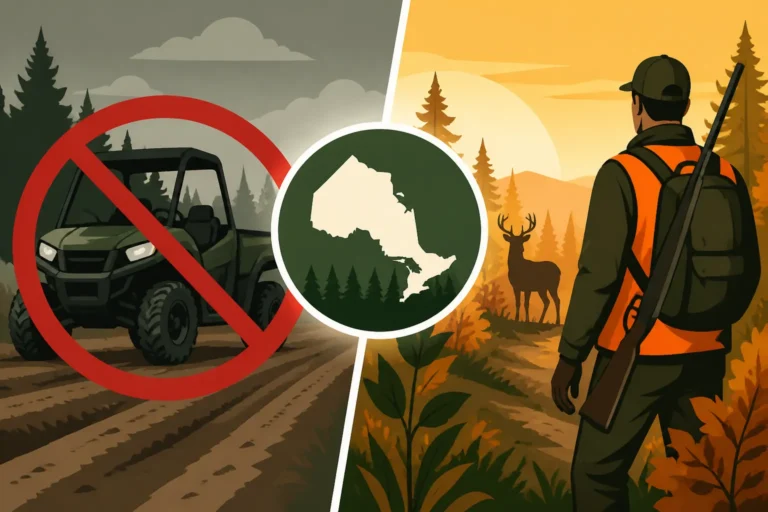
For those truly seeking solitude, float planes or canoes can provide access to remote lakes and river systems, opening up areas that see very little human pressure. This kind of "canoe-in" or "fly-in" hunt requires significant planning and specialized gear, but the rewards can be immense. Even just accessing certain areas with an ATV (where permitted) can extend your reach considerably beyond what a truck can manage. Always be aware of ATV Rules on Ontario Crown Land and local restrictions.
| Access Type | Pros | Cons | Ideal For |
|---|---|---|---|
| Paved/Gravel Roads | Easy vehicle access, direct. | Can be busy, limited deep bush access. | Initial scouting, accessing main areas. |
| Logging Roads | Deep penetration into hunting areas, game corridors. | Can be rough, impassable, active logging traffic. | Moose, bear, grouse hunting, remote access. |
| ATV/UTV Trails | Access rugged terrain, cover more ground. | Restricted in some areas, can be noisy. | Reaching distant logging cuts, hauling game. |
| Canoe/Boat | Silent access to water systems, remote lakes. | Weather dependent, physically demanding, limited gear. | Moose, waterfowl, remote camp hunts. |
| Foot Access | Ultimate stealth, deepest penetration. | Slow, physically demanding, limited range. | Still-hunting, tracking, exploring thickets. |
Challenges of the Northern Bush
The northern bush is beautiful, but it's not without its challenges. The weather can change rapidly, from warm sunny days to cold, wet, or even snowy conditions, sometimes all in the same week. Hunters must be prepared for everything. Navigation can be tricky, as dense forest and similar-looking terrain can disorient you quickly. Carrying a reliable GPS unit (and knowing how to use it), along with a compass and map, is non-negotiable. Modern hunting apps like onX Hunt or even GoHunt can be loaded with satellite imagery and topo maps, making it much harder to get turned around.
Bugs, especially black flies and mosquitoes, can be a serious nuisance, particularly during the spring bear season or early fall. Good quality bug spray, head nets, and appropriate clothing are essential. Finally, the physical demands of hunting this country are significant. Hauling out a moose from a remote area is an expedition in itself, often requiring multiple trips or specialized equipment like game carts or ATVs. Being physically fit and mentally prepared for arduous work is key to a successful and safe hunt. Remember, getting a big animal like a moose out by hand can be brutal, so having a plan for Getting a Moose Out by Canoe or other means is critical.
Planning Your Dryden & Sioux Lookout Hunt
A successful hunt in Northwestern Ontario isn't just about showing up with a rifle; it's about meticulous planning, preparation, and understanding the unique aspects of this region.
Essential Gear and Preparations
Your gear list for a Dryden or Sioux Lookout hunt will be more extensive than for many other hunting trips. Layered clothing is crucial due to variable weather. Think wool, fleece, and good waterproof outerwear. Sturdy, waterproof boots are non-negotiable, as you'll be slogging through wet ground, bogs, and potentially crossing shallow creeks. Navigation tools are paramount: a reliable GPS device with extra batteries, a physical map (like those found for your specific Ontario's Wildlife Management Units), and a compass. Don't rely solely on your phone!
Beyond hunting-specific gear, consider what you'll need for self-sufficiency. A comprehensive first-aid kit, emergency shelter, fire-starting supplies, a headlamp, and sufficient food and water are vital. A reliable vehicle, often a truck or SUV with good ground clearance and all-terrain tires, is usually necessary to access logging roads. Don't forget a spare tire, a jack, and tools for minor repairs. For those venturing further, a winch or recovery gear could be a lifesaver. This is truly the type of hunting that calls for a well-stocked Truck Kit for a Northern Ontario Hunt.
Using Technology for Scouting and Navigation
Modern technology has revolutionized how we scout and navigate remote areas like those around Dryden and Sioux Lookout. Satellite imagery, available through platforms like onX Hunt or GoHunt, allows you to "walk" the terrain from your living room, identifying potential bedding areas, travel corridors, water sources, and old clearcuts. You can mark waypoints for access points, glassing locations, and even areas where you've seen sign. This virtual scouting is indispensable for breaking down huge WMUs into manageable sections.
Once in the field, these same apps, running on your smartphone or a dedicated GPS unit, provide real-time location tracking. This is invaluable for staying on Crown Land, navigating dense bush, and finding your way back to your vehicle. Remember to download maps for offline use before you lose cell signal – which you almost certainly will in this country. Batteries drain fast in the cold, so external power banks are a must-have. Using technology responsibly and in conjunction with traditional skills makes you a safer and more effective hunter.
Local Resources and Regulations
Before you even pack your bags, immerse yourself in the local regulations for the specific WMU you plan to hunt. Ontario's hunting regulations are extensive and can vary by WMU, species, and season. Pay close attention to Ontario Deer Season Dates and Tags or Ontario Moose Tag Allocation Process if you're targeting big game. Understand bag limits, legal methods of take, and any specific restrictions for the area. The Ontario Hunting Regulations Summary is your bible, and it's available online.
Local resources, like tackle shops, outfitters, or even friendly locals at the diner in Dryden or Sioux Lookout, can provide invaluable up-to-date information on conditions, game movements, and public access. While this guide provides a great starting point, always verify details with official sources and local experts. If you're considering a guided hunt, research reputable Hunting Guides and Outfitters in Ontario who operate in this specific region. They can provide not only expertise but also the necessary permits and access for a successful trip, especially for species like moose where tag allocations are often tied to outfitters.
Disclaimer
This article is for general informational purposes only and does not constitute professional advice. Laws, prices and regulations vary by location and change over time. Consult a qualified professional for guidance on your specific situation.