Hunting the Rainy River Country
The Rainy River Country, nestled in Ontario's northwest, offers a hunting experience unlike any other. It’s a place where the rich agricultural lands along the historic Rainy River meet the wild, sprawling boreal forest of the Canadian Shield. This unique transition zone creates incredible opportunities, but also presents its own set of challenges. This guide will walk you through what to expect, how to prepare, and how to make your hunt in this diverse region a success.
Understanding the Rainy River Country Landscape for Hunters
Hunting the Rainy River Country means embracing a landscape that constantly shifts and surprises. It’s not just one type of terrain; it’s a tapestry woven from different ecological zones, each offering something distinct for the savvy hunter.
A Mix of Farmland and Northern Forest
What truly sets the Rainy River Country apart is its dramatic geographical transition. Right along the international border, where the Rainy River itself flows, you’ll find fertile agricultural land that could almost be mistaken for parts of southern Ontario. Here, farmers cultivate vast fields of corn, soybeans, and other crops, creating an incredibly rich food source. This agricultural belt is a magnet for whitetail deer, providing them with everything they need to grow robust bodies and impressive antlers. The woodlots, fencerows, and river bottoms interspersed within this farmland become prime bedding and travel corridors.
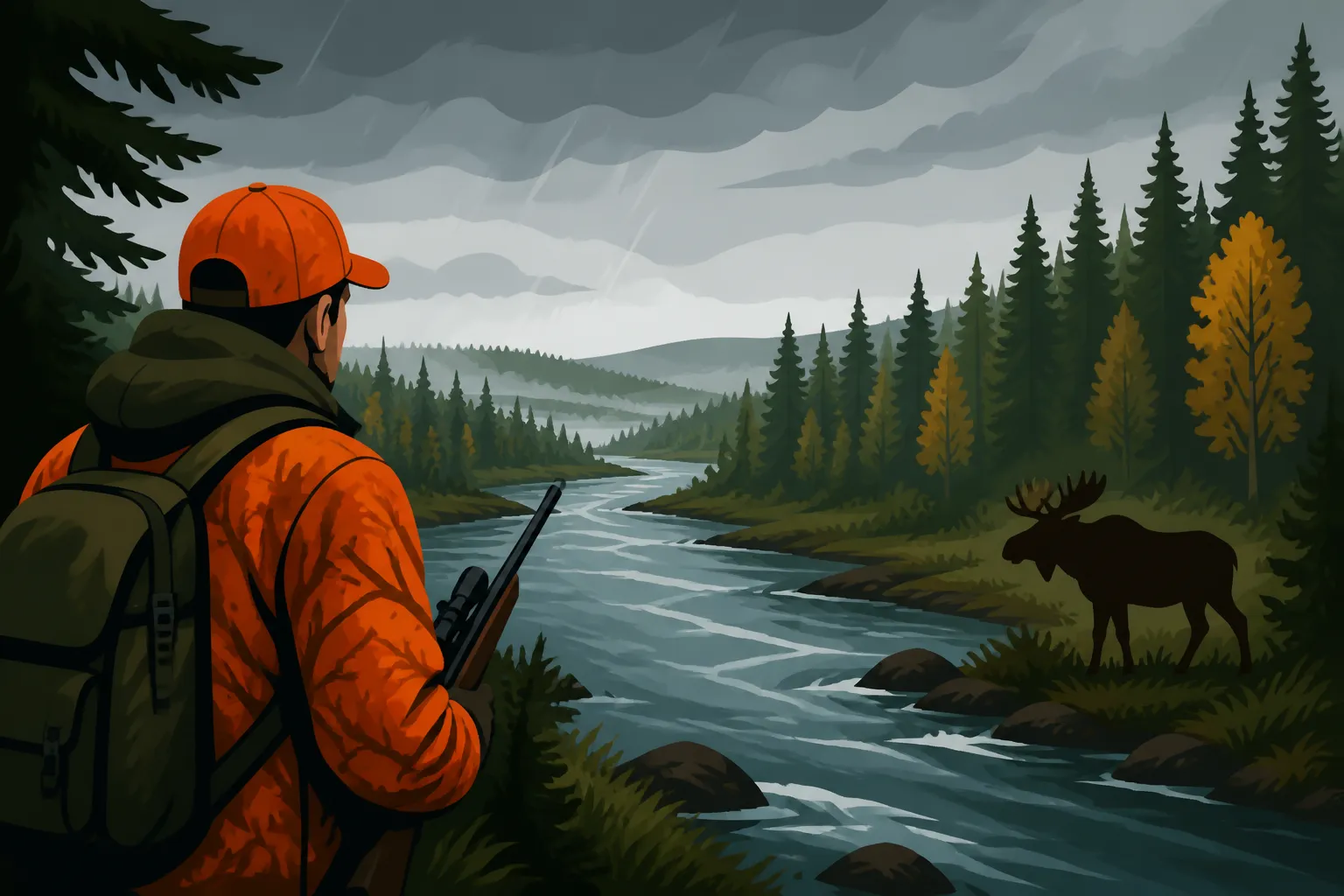
However, as you venture north from this agricultural strip, the landscape changes rapidly. The gentle farmlands give way to the rugged beauty of the Canadian Shield. Here, the boreal forest takes over, an expansive wilderness of dense timber, rocky outcroppings, and countless lakes and rivers. This is where moose and black bears truly thrive. They utilize the deep cover, the regenerating forests from past logging operations, and the abundant natural food sources that the vast bush provides. Understanding this blend of farmland and forest is crucial because it dictates where you’ll find different game species and what hunting tactics will be most effective. It’s a dynamic environment that demands adaptable hunting strategies, whether you're stalking a big buck on a field edge or calling a bull moose deep in the wilderness.
Typical Terrain and Vegetation Hunters Encounter
The immediate vicinity of the Rainy River and its tributaries is often characterized by low-lying areas, river flats, and extensive wetlands. Imagine pushing through dense stands of alder and willow, navigating thick cattail marshes, and traversing wet, boggy ground. These areas, while incredibly challenging to move through, offer phenomenal cover for whitetail deer, especially during times of heavy hunting pressure. They provide security and often conceal well-worn game trails along the slightly higher ground. These thickets can feel impenetrable, but patience and careful scouting can reveal key pinch points and crossings. Hunters might spend a good portion of their time Hunting a Beaver Meadow Crossing, focusing on those areas where deer are naturally funneled.
As you move further into the boreal forest, the vegetation shifts significantly. You’ll encounter vast tracts of mixed forest, with towering white and black spruce, balsam fir, jack pine, and a healthy scattering of deciduous trees like poplar and white birch. Older growth timber provides crucial thermal cover, especially during the colder months, and shelters game from harsh winds and deep snow. Conversely, younger regeneration, often the result of past logging or wildfires, offers a buffet of browse for both deer and moose. These "cutovers" are often hotspots, attracting animals looking for nutritious new growth. The terrain becomes rockier, with exposed granite formations, and the ground can be uneven, making foot travel more strenuous. The presence of numerous beaver ponds and small lakes further complicates travel but also creates natural funnels and water sources that concentrate game. These features require hunters to be physically prepared and to have solid navigation skills.
Key Game Species and Seasons in Rainy River
The Rainy River Country boasts a diverse array of game species, making it a fantastic destination for hunters with varied interests. Your target species will largely dictate where and when you focus your efforts.
Whitetail Deer Hunting Opportunities
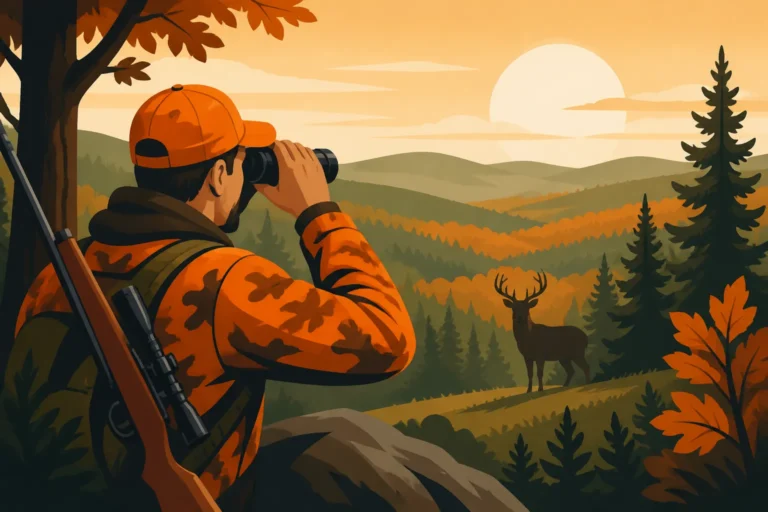
For many hunters, the Rainy River Country is synonymous with fantastic whitetail deer hunting. The combination of agricultural lands providing abundant nutrition and pockets of dense cover creates ideal conditions for deer to thrive. This region is particularly known for producing healthy, heavy-bodied deer, and it’s one of those spots that really demonstrates Why Southern Ontario Grows Heavy Bucks in fertile areas. These deer often benefit from rich diets, which can translate into impressive antler development. Hunting here offers a blend of tactics; you might find yourself glassing vast fields at dawn or dusk, setting up along a woodlot edge, or still-hunting through thick river bottom cover.
Season dates for whitetails in the Rainy River District, like much of Ontario, are segmented by method. You’ll typically have a long archery season stretching through the fall, followed by specific gun seasons (rifle, shotgun, muzzleloader, depending on the WMU) and potentially a late muzzleloader season. It’s absolutely critical to consult the current Ontario Deer Season Dates and Tags for the specific Wildlife Management Unit (WMU) you plan to hunt, as dates and legal methods can vary significantly even within neighbouring areas. Successful tactics often involve observing deer movement patterns between feeding areas in the fields and bedding areas in the bush. Setting up a stand Hunting a Standing Corn Field Edge can be incredibly productive, especially in early season. During the peak of the rut, aggressive calling and rattling can draw out bucks looking for does, particularly if you’re positioned along a natural travel corridor like Hunting a Fencerow Between Two Fields.
Moose and Black Bear in the Northern Reaches
As you leave the agricultural fringe and push deeper into the vast wilderness north of the Rainy River, the hunting landscape shifts dramatically towards big game like moose and black bear. This is classic Canadian Shield country, with its endless forests, numerous lakes, and rugged terrain, creating prime habitat for these iconic northern species. Moose in Ontario's Boreal Forest thrive here, finding ample browse in regenerating clear-cuts and solitude in the dense timber. Securing a moose tag in Ontario typically involves participating in the provincial allocation draw system, which requires careful planning and often several years of accumulating points, making a successful draw a significant achievement.
Black bear hunting is also a major draw in the Rainy River Country, offering opportunities in both spring and fall. The expansive forest provides abundant natural food sources like berries, nuts, and natural forage, supporting a healthy bear population. Many hunters opt for baiting, which is a common and effective method for black bear in this region. Setting up a well-maintained bait site in a strategic location can significantly increase your odds. For those seeking a more active hunt, spot-and-stalk can be attempted in certain areas, particularly around berry patches or recent clear-cuts, though the dense cover often makes it challenging. Understanding the Black Bear Hunting in Ontario regulations and strategies is paramount. The seasons for both moose and bear are specific to WMUs, so always double-check the current regulations for your planned hunting area. Hunters pursuing moose or bear in these remote northern reaches should be prepared for physically demanding hunts, often far from roads and services, requiring excellent navigation skills and a robust understanding of meat care in the field.
Navigating Access and Regulations in Rainy River Country
Before you even think about hitting the woods, understanding where you can hunt and what rules you need to follow in the Rainy River Country is absolutely paramount. Ontario's hunting regulations, especially regarding land access, can be a little different from other places.
Understanding Crown Land and Private Property
One of the biggest advantages of hunting the Rainy River District, particularly as you move north of the river itself, is the sheer amount of Crown Land available. This is public land, owned by the province, and generally open for hunting. You’ll find vast, unfragmented blocks of wilderness that stretch for miles, offering incredible opportunities for remote, backcountry hunts where you might not see another soul for days. This concept of Hunting Ontario's Crown Land is a massive draw for many, providing a true wilderness experience. However, even on Crown Land, there are rules regarding vehicle use, camping, and the placement of permanent stands, so it’s always wise to familiarize yourself with these regulations before heading out.
Closer to the Rainy River and in the more settled areas, private agricultural land becomes the dominant feature. Here, the landscape is a patchwork of cultivated fields, woodlots, and farmsteads. Hunting on private land in Ontario always requires explicit permission from the landowner. This isn't just good manners; it's the law. Many of the biggest whitetails will call these private parcels home, benefiting from the rich food sources and fragmented cover. The key to accessing these areas is often through building relationships, respecting property, and asking permission well in advance of the hunting season. Getting Private Land Permission in Ontario can be a rewarding process, but it requires effort and genuine respect. To avoid any confusion and ensure you’re always hunting legally, using digital mapping tools like onX Hunt or GoHunt is invaluable. These platforms often have layers that clearly delineate property boundaries, including Crown Land and private parcels, helping you stay on the right side of the law. Knowing how to use these tools for Reading Ontario Crown Land Layers on onX is a game-changer for navigating this mixed landscape.
WMUs, Licences, and Local Considerations
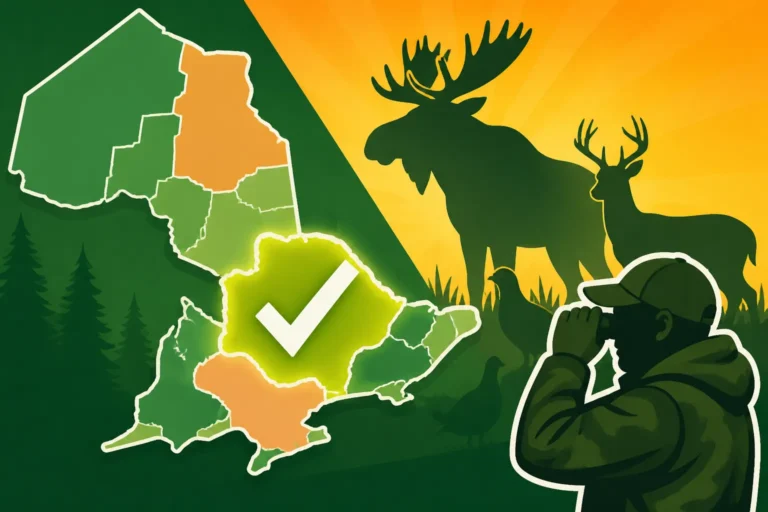
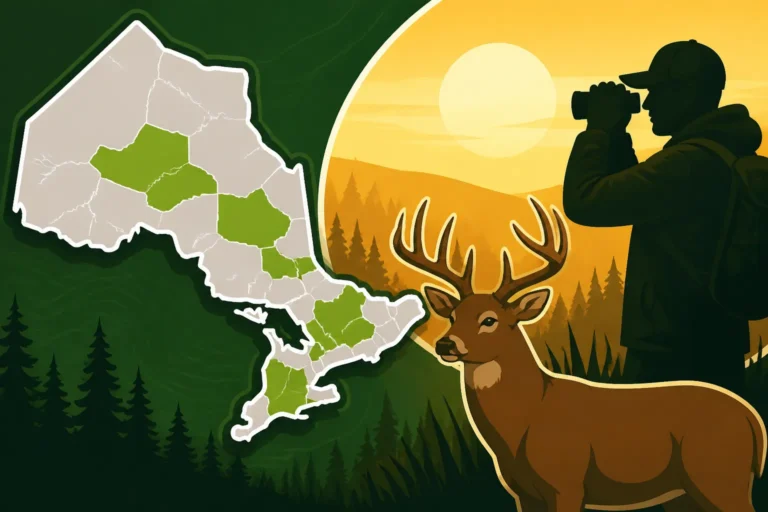
Ontario operates under a Wildlife Management Unit (WMU) system, and the Rainy River District encompasses several of these. Each WMU has its own specific season dates, bag limits, and sometimes even unique regulations for certain species, particularly for draws like antlerless deer or moose. It's not enough to know "Ontario regulations"; you need to know the specific regulations for the WMU you intend to hunt. Understanding Ontario's Wildlife Management Unit System is the foundation of planning your hunt here. The province's online resources are your best friend for looking up these specifics.
Before you set foot in the woods, you'll need your Ontario Outdoors Card, which is your basic hunting identification, along with the appropriate hunting licences for residents or non-residents, and any species-specific tags or validations for the animals you plan to pursue. Ontario Hunting Licences and What They Cost can vary, so budgeting and purchasing these well in advance through the online portal is always recommended. Don’t wait until the last minute! Beyond licences, be sure you understand general regulations, such as Ontario Blaze Orange Requirements for safety during gun seasons, the legal types of firearms and bows for big game, and the precise rules for tag notching and attachment once you've harvested an animal. Always carry a copy of the current Ontario Hunting Regulations Summary, whether a physical copy or a digital one on your phone, and review it thoroughly. Local considerations can also include road access (some roads might be closed or seasonal), fire restrictions, or specific rules around baiting, especially for bears.
Practical Tips for a Successful Rainy River Hunt
Hunting the Rainy River Country is an adventure, and like any good adventure, it requires careful planning and preparation. Being well-equipped and mindful of your surroundings can make all the difference between a frustrating trip and a truly memorable one.
Essential Gear and Preparation
The weather in the Rainy River District, like much of northern Ontario, can be notoriously unpredictable, especially during the fall hunting seasons. You could experience warm, sunny days in early September, but by November, you might be dealing with significant snowfall and freezing temperatures. Therefore, layering your clothing is not just a suggestion; it's a necessity. Pack waterproof outerwear, insulated boots, and plenty of warm layers that you can add or remove as conditions change. Anyone who has experienced a northern Ontario November knows the importance of proper gear when Dressing for Ontario's November Cold. Don’t forget essential bug protection for early season hunts – mosquitoes and black flies can be fierce.
Navigation is absolutely critical in this expansive and often remote country. Relying solely on your phone's GPS is a gamble, as cell service can be spotty to non-existent once you venture off the main roads. A dedicated GPS unit or a robust hunting app like onX Hunt, pre-downloaded with maps for offline use, is essential. Always carry a traditional compass and a physical map as a backup. For accessing deeper bush roads and trails, a reliable ATV or UTV can be a huge asset, but always check local regulations regarding their use on Crown Land. ATV Rules on Ontario Crown Land can vary. A good quality hunting pack, sturdy game bags, and basic survival gear – a first-aid kit, fire starter, emergency shelter, and sufficient food and water – should always be with you, especially if you're venturing far from your vehicle.
Safety and Respect in the Bush
Hunting in the remote northern reaches of Rainy River Country, especially when pursuing large game like moose or bear, means being acutely aware of safety. Always let someone responsible know your detailed hunt plan, including your route, where you’ll be hunting, and your expected return time. Carrying a satellite communication device, like a satellite messenger or phone, is highly recommended for emergency communication when cell service drops out. Knowing What to Do If You Get Turned Around in dense bush is not just a skill, it's a life-saving measure. Familiarize yourself with basic wilderness first aid and carry a comprehensive kit.
While encounters with dangerous wildlife are relatively rare, it’s important to be prepared. This is bear country, so carrying bear spray and knowing how to use it, along with understanding bear behaviour, is prudent. Respect the land, other hunters, and the local residents. Always practice Leave No Trace principles; pack out everything you pack in, including spent shell casings and trash. If you're hunting near private land boundaries, be extra vigilant about staying off posted property and be mindful of noise, especially around homes or livestock. Upholding Ontario Trespass and Landowner Law and demonstrating respect helps maintain positive relationships between hunters and landowners, which is vital for preserving hunting opportunities for everyone.
| Aspect | Whitetail Deer Hunting | Moose/Black Bear Hunting |
|---|---|---|
| Primary Terrain | Farmland edges, woodlots, river bottoms, fragmented forest | Vast boreal forest, clear-cuts, rocky shield country, wetlands |
| Typical Tactics | Stand hunting over fields, still-hunting woodlots, rattling/calling during rut | Spot & stalk in cuts, calling, stand hunting over bait (bear), still-hunting deep bush |
| Movement | Between feeding (fields) and bedding (woodlots/thickets) | Often extensive, utilizing large blocks of cover, water features |
| Required Gear | Binoculars, rangefinder, quiet clothing, scent control, mapping app (onX Hunt) | Reliable GPS/satellite comms, durable boots, powerful rifle, heavy pack for meat |
| Physical Demand | Moderate, often less walking due to stand hunting | High, often involves long treks through rugged, dense terrain |
| Access | Often private land (permission needed), some Crown Land | Primarily extensive Crown Land, bush roads, boat access |
| Season Dates | Archery, gun, muzzleloader (WMU dependent) | Moose by draw, spring/fall bear (WMU dependent) |
Disclaimer
This article is for general informational purposes only and does not constitute professional advice. Laws, prices and regulations vary by location and change over time. Consult a qualified professional for guidance on your specific situation.