Ontario Hunting Access Near Toronto
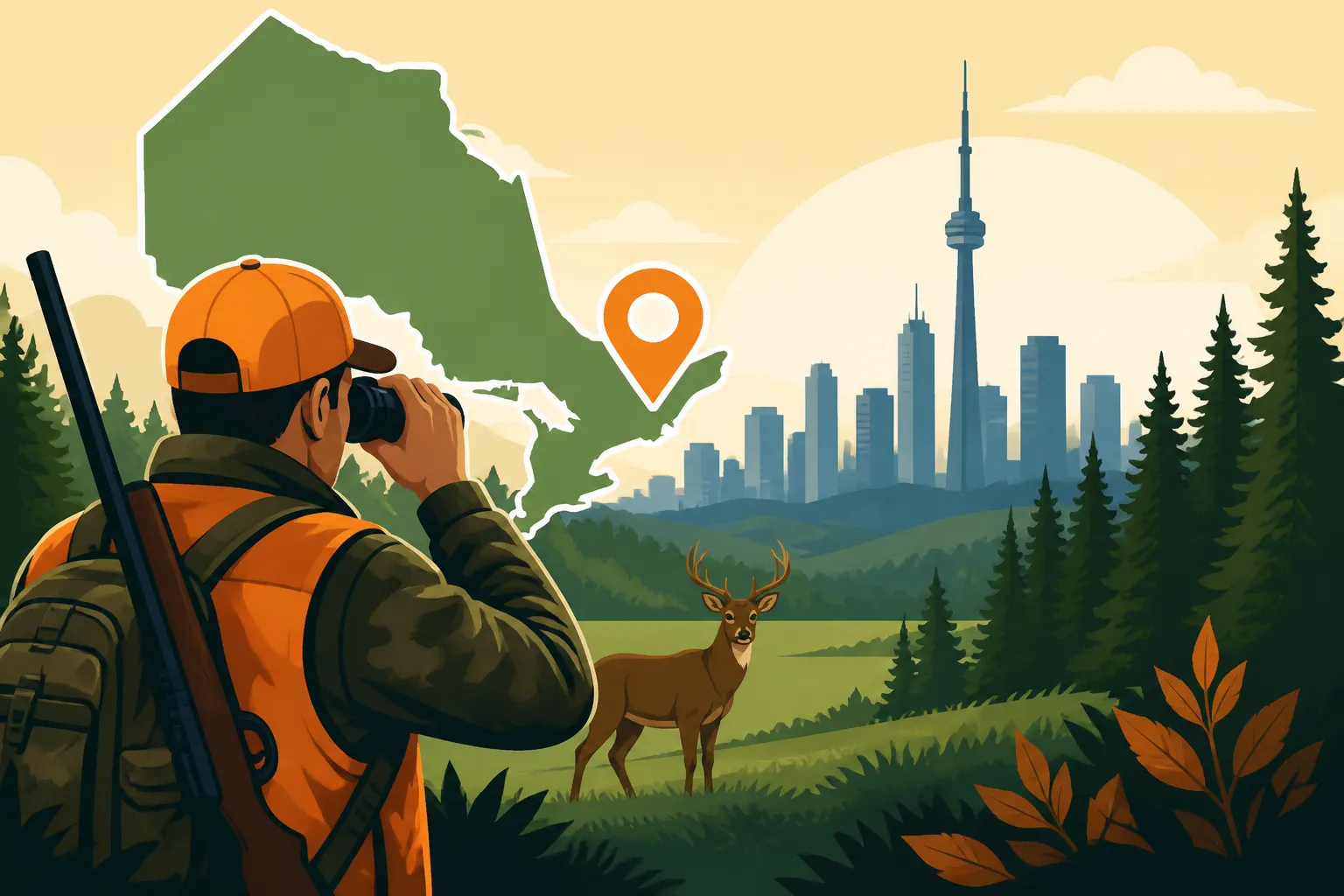
Finding good hunting land when you live near a bustling metropolis like Toronto can feel like trying to find a needle in a haystack, especially when images of vast northern bush flood your mind. You're not alone in that frustration; many hunters in Southern Ontario struggle with limited public access, crowded areas, and the sheer density of population that often pushes wildlife further afield. This guide is here to help you navigate those challenges, offering practical advice and insight into uncovering hunting opportunities within a reasonable drive of Toronto, focusing on public and private land strategies, key areas to research, and the essential tools that can make your quest successful.
The Unique Challenges of Hunting Near a Major City
Let's face it, hunting close to a place like Toronto is a different beast entirely than heading up north to remote Crown Land. It comes with its own set of hurdles that demand a specific approach and a good dose of patience. The landscape changes, the rules become more intricate, and even the deer seem to move differently. Understanding these unique challenges is the first step to overcoming them and finding success in Southern Ontario.
Population Density and Land Scarcity
One of the most immediate challenges is simply the sheer number of people living in and around Toronto. With a sprawling urban and suburban footprint, vast tracts of wilderness or even large, unposted farm properties are much harder to come by. This means a few things for hunters. Firstly, there's less space overall for wildlife to roam undisturbed, which can impact game populations and their patterns. You're not going to find endless, untouched forest for miles on end like you would in the Canadian Shield. Instead, you'll be looking at smaller woodlots, fencerows, river bottoms, and agricultural fields often interspersed with housing developments.
Secondly, with more people comes more competition for the limited hunting spots available. Public land that does permit hunting can quickly become crowded, especially on opening weekends or during prime times like the whitetail rut. This increased pressure can make game more wary and harder to pattern. It also means that securing private land access becomes even more valuable, as it offers a quieter, more controlled hunting experience. You'll often find that the land available is either highly managed agriculture or smaller, fragmented bush parcels, demanding a different hunting strategy than you might employ in expansive northern forests.
Increased Scrutiny and Ethical Considerations
Hunting near residential areas inevitably brings increased scrutiny from non-hunting residents. Many people living in these areas may not be familiar with hunting, or they might even hold negative perceptions. This means that as hunters, we have an even greater responsibility to be ambassadors for our sport. Our actions, whether good or bad, are far more visible and can directly impact the public's perception of hunting.
It's absolutely crucial to adhere strictly to all regulations, including firearm discharge bylaws and safety zones around dwellings. A stray pellet or an improperly discharged firearm can lead to serious consequences and further restrict hunting opportunities for everyone. This heightened visibility also means being mindful of how you transport game, dress in the field, and interact with the public. Maintaining a low profile, being respectful, and always acting with integrity are paramount. A single careless act by one hunter can lead to stricter rules or even outright bans for all. Our ethical conduct, quite literally, shapes the future of hunting access in these populated regions.
Travel Time and Logistics
While the term "near Toronto" implies convenience, the reality is that finding viable hunting land still usually involves a significant drive. Depending on where you live within the Greater Toronto Area (GTA) and where you're headed, you could easily be looking at an hour or two, or even more, in the car. This travel time impacts your hunting strategy considerably. Day trips might be feasible, but they mean early mornings and late nights, especially during peak seasons when daylight is shorter.
For those longer drives, planning an overnight stay or a weekend trip becomes more appealing, but then you're dealing with finding accommodations or suitable camping options. This isn't like pulling off a remote highway and setting up a tent on Crown Land in the middle of nowhere. Logistics, such as fuel costs, vehicle wear and tear, and coordinating with hunting partners, become a more significant factor. It means that precious hunting hours often get eaten up by travel, emphasizing the need to make the most of your time in the field. Every minute counts when you're balancing a full-time job and a passion for the outdoors near a busy urban center.
Navigating Public Hunting Opportunities
When most people think of hunting "public land" in Ontario, their minds immediately drift to the vast expanses of Crown Land up north. However, when you're looking for Hunting Access Near Toronto, the picture changes dramatically. While true wilderness Crown Land is rare, there are other forms of publicly accessible or semi-public lands that offer opportunities, provided you know where to look and understand the specific rules.
Crown Land Limitations in Southern Ontario
Let's get this straight: if your vision of hunting Crown Land involves hundreds of untouched acres where you won't see another soul, you'll likely need to drive several hours north of Toronto. Large, contiguous blocks of Hunting Ontario's Crown Land are incredibly scarce or simply non-existent in the heavily settled areas of Southern Ontario. What you will find are often smaller, fragmented parcels. These might be isolated woodlots, wetlands, or river corridors that were deemed unsuitable for agriculture or development generations ago.
The challenge with these smaller parcels is identifying them, verifying they permit hunting (not all do, even if they are Crown), and then accessing them without trespassing across private land. This is where modern mapping technology becomes your best friend. Services like onX Hunt or GoHunt allow you to overlay property lines and identify Crown Land boundaries right on your phone or computer. You can scout these digital maps for access points, parking, and potential hunting pressure. Remember, even if it's Crown Land, it might be surrounded by private property, making legal access tricky. Always double-check municipal bylaws regarding firearm discharge, as they often apply to Crown Land within their jurisdiction.
Conservation Authority Lands and Their Rules
Conservation Authorities (CAs) are regional agencies responsible for managing natural resources within specific watersheds. Many CAs own and manage significant tracts of land in Southern Ontario, from sprawling nature reserves to smaller forested areas and wetlands. While their primary focus is conservation, flood control, and recreation, some of these lands do permit hunting, but it's crucial to understand that rules vary wildly from one CA to another, and even between different properties managed by the same CA.
For instance, one CA might allow archery-only deer hunting in certain zones during specific seasons, while another might permit small game hunting but prohibit firearms entirely. It's not uncommon for special permits, applications, or even a lottery system to be in place for hunting specific species like deer or turkey. You absolutely cannot assume that because one CA allows hunting, another will, or that all properties within a CA's jurisdiction are open. Your first step should always be to visit the website of the Conservation Authority in the region you're interested in. Look for their specific hunting policies, maps of permitted areas, and any required permits or applications. Calling their main office can also provide clarity. Being diligent here is key, as violating CA rules can lead to fines and loss of privileges.
Municipal Forests and Managed Forest Tax Incentive Program Lands
Beyond Conservation Authority properties, some municipalities in Southern Ontario also manage forest tracts for recreation, timber, and sometimes, even hunting. These are typically smaller woodlots or designated forest areas that fall under municipal jurisdiction. Similar to CAs, the rules for hunting on municipal lands are highly specific and often restrictive. You'll need to consult the local municipal office or their website to determine if hunting is permitted, what species are allowed, and during which seasons. Don't be surprised if you find that many municipal forests are designated as "no hunting" areas due to their proximity to residential zones or high recreational use.
Another potential avenue for access, albeit indirect, comes through the Managed Forest Tax Incentive Program (MFTIP). This is a provincial program that provides a property tax reduction to landowners who manage their private forests sustainably according to an approved plan. While MFTIP lands are still private property, some landowners might be more open to allowing hunting as part of their management plan or simply through discussion, especially if they are looking to manage deer browse or other wildlife impacts. This isn't a guarantee of access, but it highlights the diverse nature of land ownership and management in Southern Ontario. It's a reminder that not all private land is off-limits, and sometimes, a conversation can open doors you didn't even know existed.
| Land Type | Access Type | Typical Game | Pros | Cons |
|---|---|---|---|---|
| Crown Land | Public (fragmented) | Deer, Small Game | Free, traditional hunting experience | Very limited near Toronto, hard to access, often small |
| Conservation Authority Lands | Permitted (regulated) | Deer, Turkey, Waterfowl, Small Game | Closer to home, often managed habitats | Highly variable rules, permits/fees, limited areas |
| Municipal Forests | Permitted (highly regulated) | Small Game, some Deer (rare) | Potentially very close, good for local scouting | Often restricted or no hunting, specific bylaws |
| Private Land (permission) | Private (negotiated) | Deer, Turkey, Small Game, Waterfowl | Less pressure, more consistent access | Requires trust-building, not always available |
| Private Land (lease/club) | Private (paid) | Deer, Turkey, Small Game, Waterfowl | Guaranteed access, shared costs | Significant cost, group dynamics, time commitment |
The Importance of Private Land Access
Given the scarcity and often restrictive nature of public hunting lands near Toronto, securing private land access becomes incredibly important, if not essential, for consistent hunting success. This often feels like a daunting task, but with the right approach and a respectful attitude, it's absolutely achievable. Private land can offer less pressure, better game quality, and the chance to truly understand a piece of property over time.
Knocking on Doors: The Old-Fashioned Approach
This is where the rubber meets the road for many Southern Ontario hunters. Getting Private Land Permission in Ontario can be tough, intimidating even, but it's often the most rewarding path. Farmers and rural landowners hold the keys to prime hunting habitat – woodlots, fencerows, creek bottoms, and agricultural fields that funnel deer, turkeys, and small game. The key is how you approach them. Don't just show up in full camo and ask to hunt. Instead, think about it as building a relationship.
Start by presenting yourself cleanly and respectfully. Explain why you're interested in hunting their property – maybe you've noticed a lot of deer activity, or you're looking for a safe, responsible place to enjoy the outdoors. Offer to help them out – clear some brush, fix a fence, lend a hand with chores. Many landowners appreciate responsible hunters who can help manage nuisance wildlife like coyotes or even assist with crop damage issues. Be prepared for rejection, but don't let it deter you. Every "no" brings you closer to a "yes." Emphasize safety, respect for their property, and a commitment to communication. You'll find that a polite, honest conversation can open up incredible opportunities to hunt properties that are otherwise unpressured.
Hunting Leases and Hunt Clubs
For those looking for more formalized, consistent access to private land without the individual effort of knocking on doors year after year, hunting leases or joining a hunt club can be a great option. A hunting lease involves paying a landowner for exclusive hunting rights to their property for a specified period, usually a season or a year. This guarantees you access and often means fewer surprises from other hunters. Leases can range from small woodlots to extensive acreage, and the cost varies widely based on location, size, and game potential.
Hunt clubs, on the other hand, are groups of hunters who pool resources to lease larger tracts of land or to purchase and manage their own properties. Joining a club means sharing the costs and responsibilities, which can make quality hunting more affordable. These clubs often have established rules, shared chores, and communal facilities like a camp. It's a great way to build camaraderie and have consistent hunting opportunities. However, it's important to find a club whose values and hunting style align with yours. Be clear about expectations, financial contributions, and any responsibilities you'll have. Joining an Ontario Deer Camp or a club can provide a stable hunting home for years to come, offering opportunities to learn the land intimately and implement long-term management strategies.
Leveraging Landowner Relationships
Once you've secured permission, the real work of building and maintaining that relationship begins. This isn't just about gaining access; it's about being a good steward of the land and a respectful guest. Your actions throughout the season will determine whether that permission is renewed year after year. Always communicate openly with the landowner. Let them know when you plan to be on their property, especially if you're hunting during specific times or seasons. If you harvest an animal, offer to share some of the meat or help with any tasks around the farm.
Being a good neighbour means cleaning up after yourself, respecting crops, gates, and fences, and always closing gates behind you. If you notice anything amiss on their property – a downed fence, signs of trespassing, or anything out of the ordinary – let them know. You become an extra set of eyes, which can be invaluable to a busy farmer. These relationships can lead to incredible insights, like knowing exactly where the deer are Hunting a Standing Corn Field Edge in late fall or when they move to Hunting a Soybean Field at Dusk. A strong, positive relationship with a landowner is more valuable than any expensive hunting gear you could buy, and it creates a legacy of trust that benefits all hunters.
Key Wildlife Management Units Near Toronto
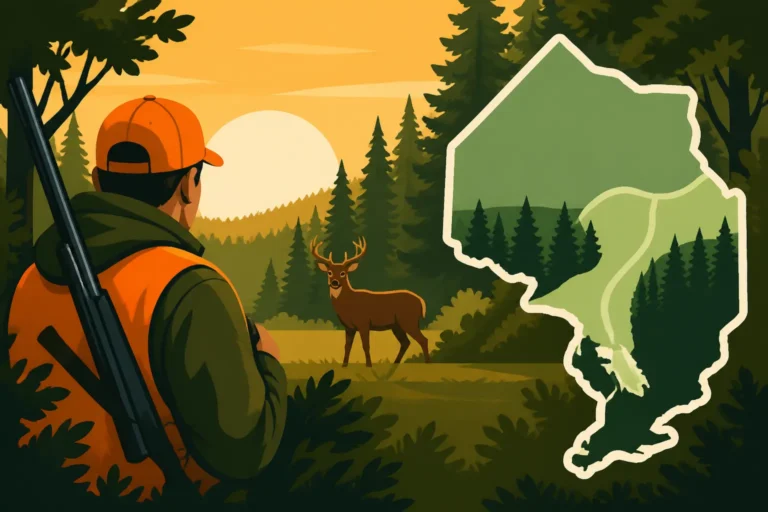
When you're trying to figure out where to hunt near Toronto, understanding the Wildlife Management Unit (WMU) system is paramount. While specific WMU boundaries can feel a bit arbitrary on a map, they represent distinct regions with their own regulations, game populations, and habitat characteristics. For those living in the GTA, your focus will be on the WMUs that ring the metropolitan area, generally lying to the north, east, and west.
General Characteristics of WMUs in the Greater Toronto Area Fringe
The WMUs immediately surrounding Toronto are typically characterized by a mosaic of landscapes. You won't find the vast, uninterrupted forests of Northern Ontario here. Instead, expect a blend of active agricultural fields (corn, soy, hay, winter wheat), mixed hardwood and conifer woodlots ranging from small to medium in size, cedar swamps, river valleys, and extensive fencerows. This fragmented habitat, while challenging, can be highly productive. Deer, for instance, use these woodlots for bedding cover and travel corridors between feeding areas in the fields. Turkeys thrive in the mixed forest and agricultural edges, while various small game species like rabbits, squirrels, and grouse (though less common than further north) can be found in suitable cover.
Waterfowl hunting opportunities also exist, particularly in WMUs that border the Great Lakes or contain significant wetlands and river systems. You might find pockets of good hunting for Canada Geese or various duck species in specific locations. The key is recognizing that game animals in these areas often adapt to human presence, becoming more nocturnal or using dense cover to evade detection. Your scouting and hunting strategies need to reflect this reality, often focusing on edges, transitions, and overlooked pockets of cover.
Specific WMUs to Research
While I can't provide real-time updates on which WMUs currently hold the "most" deer or "best" turkey hunting, I can point you toward the types of WMUs you'll be looking at and what to generally expect. When you're searching, you'll likely be looking at WMUs roughly in the 70s, 80s, and parts of the 60s group, stretching from Lake Huron in the west, across to Lake Ontario, and up towards the edge of the Canadian Shield.
For example, WMUs to the west and southwest (e.g., 77, 79, 80) tend to have significant agricultural components mixed with woodlots, offering good deer and turkey populations, as well as small game. These areas can be incredibly productive, supporting some very healthy deer herds, often with larger body sizes due to rich agricultural food sources. WMUs to the north and northeast (e.g., 60, 68, 70, 72) start to transition into more rugged terrain as you approach the Canadian Shield, with more continuous forest and less agriculture. Here, you might still find good deer and bear opportunities, though densities might be lower than in the agricultural belt. Waterfowl potential often increases along the Great Lakes shoreline WMUs.
The important takeaway here is that each of these WMUs will have specific season dates and bag limits, which you must verify through the official Ontario Hunting Regulations Summary each year. For instance, Ontario Deer Season Dates and Tags can vary by WMU, and you'll want to be absolutely sure about When Ontario's Bow Season Runs or Ontario Gun Season Opening Day applies to your chosen area. The same goes for Wild Turkeys in Ontario and Small Game Hunting in Ontario. These WMUs are not homogeneous; a small patch of timber in WMU 77 might be very different from a cedar swamp in WMU 68. Your best bet is to pick a few WMUs within a reasonable driving distance and then dive deep into their specific characteristics using mapping tools and local research.
Understanding Local Regulations and By-laws
This is a critical point that can trip up even experienced hunters. While the Ministry of Natural Resources and Forestry (MNRF) sets provincial hunting regulations and WMU-specific season dates, municipalities (townships, cities, counties) often have their own local bylaws that can further restrict hunting activities. These municipal bylaws can supersede general provincial rules in specific areas.
For example, a township might have a bylaw prohibiting the discharge of firearms within a certain distance of a dwelling or road, even if the provincial safety zone is smaller. Some municipalities might have restrictions on Sunday gun hunting, even if it's generally allowed provincially for certain species. Others might have specific rules for hunting on municipal land, or even noise bylaws that impact when you can hunt. It's not uncommon to find areas designated as "no discharge zones" or "no hunting zones" due to population density or proximity to parks and trails.
Before you ever head out, especially on public or newly acquired private land, you need to:
- Check the provincial Hunting Regulations Summary for your specific WMU and species.
- Then, always check the website of the specific municipality (township, county) where you plan to hunt for any local bylaws pertaining to firearm discharge, hunting, or land use. A quick call to the municipal office or local OPP detachment (non-emergency line) can often clarify any ambiguities. Failing to do this could lead to serious legal trouble, so never skip this crucial step.
Essential Tools and Mindset for Southern Ontario Hunting
Hunting near Toronto isn't just about finding land; it's about adopting a specific approach and utilizing modern tools to maximize your chances in a unique environment. It demands more precision, more research, and a different kind of patience than hunting in vast wilderness areas.
Mapping and Scouting Technology
In Southern Ontario, where land parcels are smaller and property lines are critical, digital mapping apps are no longer a luxury – they're an absolute necessity. Tools like onX Hunt and GoHunt allow you to instantly see property boundaries, landowner names, and various land classifications (Crown Land, Conservation Authority, etc.) right on your smartphone or tablet. This is invaluable for ensuring you're not trespassing and for identifying those elusive slivers of public land.
Beyond just property lines, these apps, combined with Scouting With Satellite Imagery in Ontario, let you scout from your couch. You can identify potential bedding areas, travel corridors, pinch points between woodlots, water sources, and even subtle terrain features that might funnel game. Look for dark timber for bedding, open fields for feeding, and natural funnels like creek beds or fencerows that connect these areas. You can mark potential stand locations, access routes, and even areas where you've seen sign. This level of detail and pre-scouting is crucial when you're dealing with smaller, more fragmented habitats, helping you make the most of your limited time in the field.
The Importance of Small Parcels and Edges
Forget the idea of endless deep woods. Hunting near Toronto often means focusing on smaller, overlooked parcels and, most importantly, the edges. Game animals in these environments thrive on the transition zones between different habitat types. A small woodlot bordered by a cornfield, a thick fencerow separating two pastures, or a marshy edge along a river can be incredibly productive.
Whitetail deer, for example, will use thick cover in smaller woodlots for bedding during the day and then move out into agricultural fields to feed at dawn and dusk. Understanding these movement patterns is key. Tactics like Hunting a Fencerow Between Two Fields can be highly effective, as fencerows act as natural travel corridors. Similarly, a Hunting a Swamp Edge for Whitetails can be a fantastic setup, especially in late season or during the rut, as deer often use these dense, protective covers. These small, often neglected areas can hold surprising numbers of game, precisely because other hunters overlook them in favour of larger, more intimidating tracts. Learning to "read" these edges and transitions is a skill that will pay dividends in Southern Ontario.
Patience, Persistence, and Respect
Perhaps the most important tools for hunting near Toronto aren't found in a gear catalog; they're in your mindset. Finding consistent hunting success in this region demands a huge amount of patience and persistence. You might knock on dozens of doors before finding a receptive landowner. You might scout numerous public parcels only to find them too crowded or devoid of sign. Don't get discouraged. Every "no" or unproductive scout is a learning experience, narrowing down your search and honing your skills.
Furthermore, always approach your hunting with the utmost respect – for the land, for the landowner, for the wildlife, and for fellow non-hunting residents. This isn't just about being polite; it's about safeguarding the future of hunting. Clean up any litter, leave gates as you found them (or better), be mindful of noise, and always follow all regulations to the letter. Being a responsible, ethical, and respectful hunter ensures that doors remain open, not just for you, but for the next generation of hunters who will face these same challenges. Your persistence in finding good ground, coupled with an unwavering commitment to respect, is the true recipe for success in Southern Ontario hunting.
Disclaimer
This article is for general informational purposes only and does not constitute professional advice. Laws, prices and regulations vary by location and change over time. Consult a qualified professional for guidance on your specific situation.