Joining an Ontario Deer Camp
For many solo hunters in Ontario, the idea of joining a deer camp can feel like an exclusive club, a tight-knit brotherhood that's hard to break into. The frustration of trying to find reliable hunting partners or simply experiencing the rich tradition of a shared camp often leaves individuals feeling left out or wondering how to even begin. This guide is here to demystify the process of joining an Ontario deer camp, offering practical advice and realistic expectations to help you find your place in this cherished hunting culture.
What Exactly is an Ontario Deer Camp?
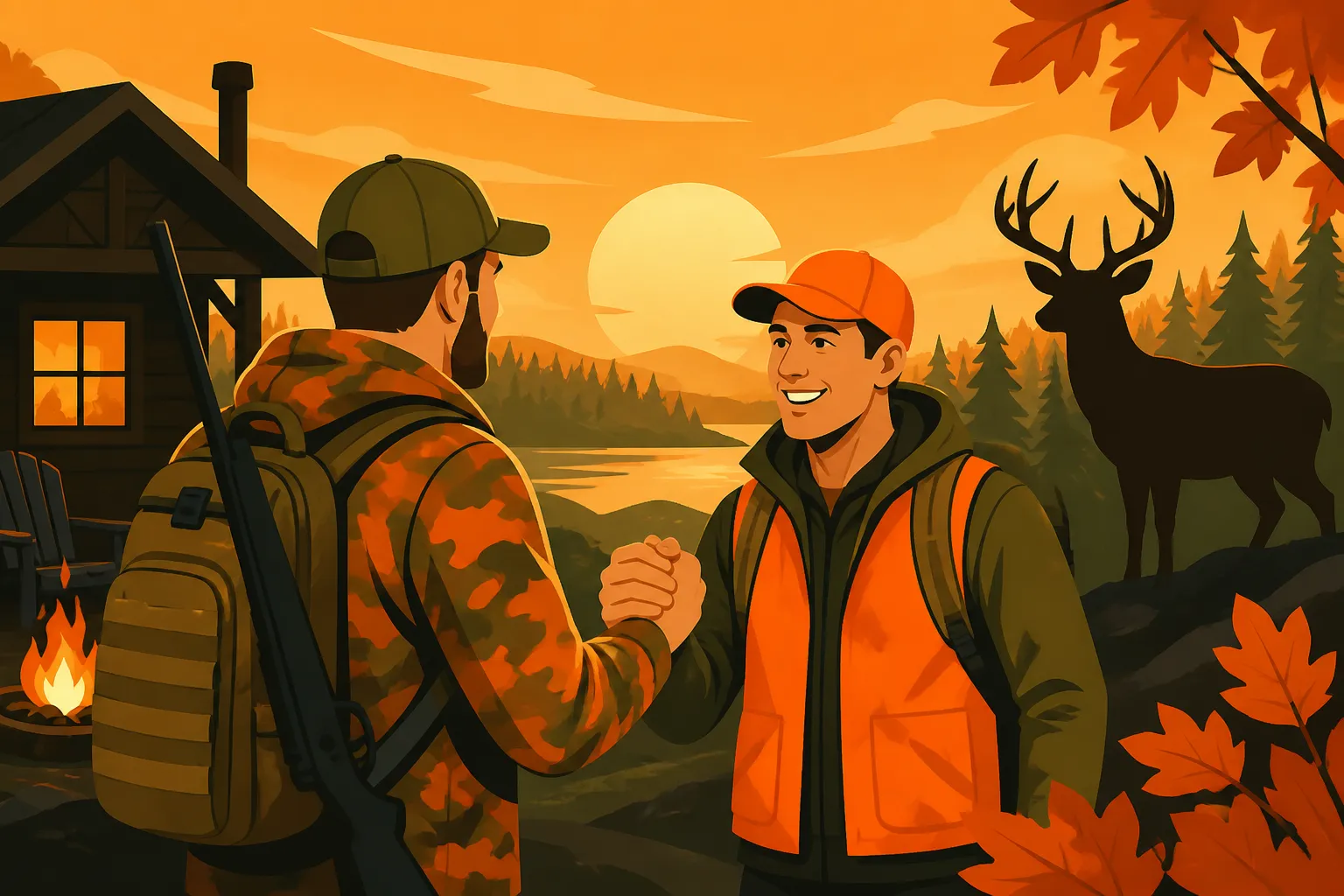
When we talk about an "Ontario deer camp," it’s important to understand that it’s not just one thing. It's a broad term that encompasses a whole spectrum of experiences, from rustic bush shacks to more organized hunting clubs. At its heart, though, it's about a group of like-minded individuals coming together for the shared pursuit of deer, and often, so much more.
The Tradition of the Hunt Camp
The tradition of the hunt camp runs deep in Ontario, particularly in the vast northern and central regions where big game is a way of life for many. These camps are more than just a place to sleep; they are cultural hubs where generations of hunters have gathered to share stories, strategies, and the hard work that goes into a successful deer hunt. Imagine crisp autumn mornings, the smell of coffee and woodsmoke, the camaraderie of gearing up before dawn, and the collective anticipation of the day's hunt.
It's a place where knowledge is passed down, from tracking techniques and understanding deer sign to the nuances of Rattling and Calling Ontario Whitetails. It’s about more than just bagging an animal; it's about the entire experience, the fellowship, the jokes, the collective effort, and the sense of belonging that comes from sharing a common passion. Whether it’s a ramshackle cabin built by hand decades ago or a few trailers parked strategically on a leased property, the spirit of the camp is what truly defines it.
Different Kinds of Deer Camps in Ontario
Ontario's diverse hunting landscape means there's a wide variety of deer camps. You might encounter multi-generational family camps where grandfathers, fathers, and sons (and often daughters!) hunt together, carrying on traditions that span decades. These camps often have established territories, either on private land or within specific tracts of Hunting Ontario's Crown Land, and their methods and rituals are deeply ingrained.
Then there are friend groups who pull together resources, maybe pooling money for a lease or simply designating a shared spot on Crown Land where they set up tents or temporary shelters for a week. These tend to be more informal, evolving as members come and go, but still centered around the shared experience. On the more structured end, you’ll find hunt clubs, sometimes with formal memberships, bylaws, and even dedicated lodge facilities. These often have a more organized approach to finances, camp maintenance, and hunting strategy, sometimes even employing methods like Deer Drives With Three or Four Hunters as a group. Understanding these variations helps you pinpoint what kind of environment would be the best fit for your own hunting aspirations and personality.
The Benefits and Challenges of Joining a Deer Camp
Joining a deer camp can profoundly enhance your hunting experience, offering advantages that solo hunting simply can't match. However, it's not without its potential pitfalls, and going in with open eyes is key to a positive experience.
Why Joining a Camp Can Elevate Your Hunt
One of the most immediate benefits of joining a deer camp is the sheer collective knowledge and experience. Instead of one set of eyes scouting, you have multiple. You can learn invaluable lessons about Reading Whitetail Sign in Ontario Hardwoods or understanding local deer movements from seasoned hunters who know the area like the back of their hand. Imagine having a group of experienced trackers to help you locate a downed deer, especially in thick cover or at last light. This shared expertise isn't just about finding game; it's about making you a better, more ethical hunter.
Beyond knowledge, a camp provides immense logistical support. Recovering a large buck from a remote area, processing meat efficiently, or even sharing the cost of gas for scouting trips becomes much more manageable with multiple hands. Think about the heavy lifting required for Quartering a Moose Alone in the Bush – now imagine tackling a big whitetail with three or four friends. It’s also a significant safety net. Hunting in Ontario, particularly in the vast northern wilderness, can be unpredictable. Having a group who knows your whereabouts and can assist in an emergency, or simply share the burden of being turned around, is invaluable. Ultimately, the social aspect is perhaps the most enriching. The stories shared around the campfire, the jokes, the debates over strategy, and the bonds forged through shared successes and challenges create memories that last a lifetime.
Potential Hurdles to Navigate
While the advantages are numerous, joining a deer camp isn't always smooth sailing. One of the biggest challenges can be personality clashes or differing hunting philosophies. Some hunters prefer still-hunting, while others are all about drives. Some prioritize trophy hunting, while others are focused solely on filling the freezer. If these core approaches aren't aligned, friction can arise. Similarly, the division of labour can be a common sticking point. Who cooks? Who cleans? Who handles the arduous task of camp maintenance or scouting during the off-season? A clear understanding and equitable distribution of chores are vital to maintaining harmony.
Financial contributions also need to be transparent. Whether it's chipping in for a private land lease, covering the cost of a camp trailer, or simply pooling money for communal food and supplies, everyone needs to be on the same page. Beyond the practical, camp etiquette – from noise levels and alcohol consumption to respecting personal space and respecting the game – needs to be clear. Etiquette in an Ontario Hunt Camp is a real thing, and ignoring it can lead to uncomfortable situations. The biggest hurdle, though, might just be finding the right camp that truly aligns with your values, personality, and hunting style. It's not just about finding an open spot, but finding a group where you genuinely feel at home and can contribute positively.
How to Find and Integrate Into an Ontario Deer Camp
Finding your way into an established deer camp might seem daunting, like trying to get into an exclusive club. But with a bit of effort and the right approach, it's definitely achievable. Most camps are always on the lookout for good people, not just good hunters.
Networking and Word-of-Mouth
The best way into most Ontario deer camps is, hands down, through networking and word-of-mouth. Start by talking to local hunters you already know—friends, family, co-workers. Let them know you're keen to join a camp or find more hunting partners. You'd be surprised how many informal connections can lead to an invitation. Pop into local sporting goods stores, especially those mom-and-pop shops in smaller towns. The folks behind the counter often know everyone in the local hunting community and might be able to put you in touch with a group looking for new members.
Conservation clubs, local fish and game associations, or even online forums specific to Whitetail Hunting in Ontario can also be excellent avenues. Attend their meetings, volunteer for events, and simply be present. These are places where passionate hunters gather, and it's a natural environment to strike up conversations and build relationships. Sometimes, simply putting yourself out there and being genuinely interested can open doors you never expected.
Online Resources and Forums
While traditional networking is gold, don't discount the power of online resources. There are numerous hunting forums and social media groups dedicated to hunting in Ontario where people discuss everything from gear to specific Ontario Deer Season Dates and Tags. Sometimes, groups will post looking for new members or even for an extra hand for a specific hunt or for Hunting the Rut in Early to Mid November. Be clear about what you're looking for, but also be patient; trust is built over time.
Mapping applications like onX Hunt have community features or allow you to share land information with others, which can be a stepping stone to coordinating hunts. While onX Hunt is fantastic for Scouting With Satellite Imagery in Ontario and understanding property boundaries, it can also become a tool for groups to collaboratively plan their efforts. Similarly, platforms like GoHunt, while often focused on Western states, offer resources and a community aspect that can lead to connections for hunting generally. Remember, always try to meet any potential camp members in person before committing, ensuring there's a good personal fit before you fully invest your time and energy.
Proving Your Worth and Fitting In
Once you've made a connection and perhaps even received a trial invitation, the next step is crucial: proving yourself. This isn't about bragging about past kills; it's about demonstrating you're a responsible, ethical, and helpful member of the team. Show initiative. Offer to help with chores—whether it's cooking a meal, chopping firewood, cleaning the camp, or doing dishes. No one wants a free-loader. Be proactive in asking what needs to be done.
Demonstrate impeccable ethics and safety practices. Handle your firearm responsibly, follow all hunting regulations, and prioritize safety above all else. Ontario Hunter Education Requirements are in place for a reason. Respect the existing traditions and rules of the camp, even if they're different from what you're used to. Every camp has its quirks. Be a team player; share information, contribute positively to discussions, and celebrate the successes of others as much as your own. Often, the best way to integrate is to listen, learn, and soak up the wisdom of the more experienced members. Your willingness to learn and contribute will speak volumes.
Setting Expectations and Ensuring a Good Fit
Before you commit to joining a deer camp, whether it's for a single season or the long haul, it’s vital to have an honest conversation about expectations. This isn't just about what you expect from them, but what they expect from you.
Asking the Right Questions Before Committing
Don't be shy about asking direct questions. It's far better to clarify everything upfront than to face misunderstandings later. Start with the practicals: How are shared expenses handled (e.g., camp fees, groceries, shared equipment)? What's the division of labour like—is there a rotation for cooking and cleaning, or is it more of a "pitch in when you see something needs doing" mentality? Are there specific camp rules around things like quiet hours, alcohol, or even specific hunting zones?
Delve into the hunting strategy. Does the camp primarily focus on still hunting, stand hunting, or do they organize Deer Drives With Three or Four Hunters? What are their overall goals for the season – are they focused on filling antlerless tags, or are they holding out for a trophy? Understanding these dynamics will give you a clear picture of whether their approach aligns with yours. It's like What an Ontario Outfitter Needs From You Beforehand – even in a non-commercial setting, mutual understanding is key. Discuss the historical success rate and what challenges they typically face in their hunting area. The more information you have, the better you can assess if it's a good mutual fit.
Trial Periods and Gradual Integration
Sometimes, the best way to ensure a good fit is through a trial period. Many camps are open to having a prospective member join for a weekend or a few days as a guest before offering a full commitment. This gives both parties a chance to assess compatibility. You get to experience the camp dynamics, the hunting style, and the personalities firsthand, and they get to see how you contribute and interact. It’s a low-pressure way to test the waters.
Consider starting as a guest, perhaps helping with scouting missions or camp setup during the off-season. This gradual integration allows you to build trust and demonstrate your commitment without the immediate pressure of being a full member. Ultimately, a good fit isn't just about hunting success; it's about the cultural fit, the shared values, and the ability to enjoy time together both in the bush and around the campfire. A camp where you feel truly comfortable and valued will make your Whitetail Hunting in Ontario experiences richer and more rewarding for years to come.
Disclaimer
This article is for general informational purposes only and does not constitute professional advice. Laws, prices and regulations vary by location and change over time. Consult a qualified professional for guidance on your specific situation.