Finding an Ontario Hunting Lease
The struggle to find reliable, unpressured hunting land in Ontario is real. Whether you're tired of crowded Crown Land or the endless rejection of door-knocking, securing a hunting lease can feel like a dream. This guide will take you through the entire process of finding and navigating an Ontario hunting lease, giving you the tools to secure exclusive access to prime hunting opportunities.
Why Consider a Hunting Lease in Ontario?
For many hunters, the idea of having exclusive access to private land feels like a luxury, but in Ontario, it's becoming an increasingly practical solution to common frustrations. The desire for a consistent, quality hunting experience often leads us to explore options beyond the usual routes, and a lease can offer just that.
The Drawbacks of Public Land
Let's be honest, hunting Crown Land in Ontario can be a real exercise in patience, and sometimes, frustration. You scout for weeks, find promising sign, and then come opening morning, there are three other trucks parked where you intended to go in. It's a tale as old as time, isn't it? The sheer volume of hunters, especially during peak seasons like the rifle deer hunt, means you're constantly competing for space, for game, and for that feeling of solitude that draws many of us to the woods in the first place. You might find a good spot, but there’s no guarantee it won’t be overrun by others the next weekend. This constant pressure can push game off their natural patterns and make a successful hunt even more challenging. Trying to find that quiet corner often means going further and further off the beaten path, sometimes past where sensible logistics allow. For more general information on accessing public land, you might want to read Hunting Ontario's Crown Land.
The Challenges of Door-Knocking
Ah, the art of the cold call, or in our case, the cold knock on a farmhouse door. We've all done it, or at least considered it. You see that perfect woodlot bordering a field, envisioning a monster buck stepping out at dusk, and you summon up the courage. Sometimes it works out beautifully, and you gain access to fantastic land. More often, however, you're met with a polite "no," or worse, an empty porch. Landowners are increasingly wary, for good reason, of granting free access due to liability concerns, past negative experiences, or simply a desire for privacy. While persistence can pay off, it's incredibly time-consuming, emotionally taxing, and rarely results in a long-term, secure arrangement that allows for habitat improvements or consistent management efforts. Understanding Ontario Landowner Relations for Hunters can help, but it doesn't guarantee access.
The Appeal of Exclusivity and Management
This is where hunting leases truly shine. Imagine knowing that the land you're hunting is yours, and yours alone, for the duration of your lease. No competing hunters, no unexpected encounters, just you, your hunting partners, and the wildlife. This exclusivity isn't just about peace of mind; it's about control. A lease allows you to actively manage the land for wildlife, whether that means planting food plots, establishing mineral sites, or strategically placing stands without fear of them being disturbed or stolen. You can implement long-term strategies, like selective harvesting to improve herd quality, or create sanctuaries. This kind of dedicated management not only enhances your hunting opportunities but also fosters a deeper connection to the land and a greater sense of stewardship. It’s an investment in your passion, turning a fleeting moment into a sustained, strategic pursuit.
How to Navigate the Search for an Ontario Hunting Lease
Finding an Ontario hunting lease isn't quite as straightforward as booking a fishing trip, but with a methodical approach, it's definitely achievable. It requires a bit of detective work, some networking, and understanding where to focus your efforts.
Online Resources and Platforms
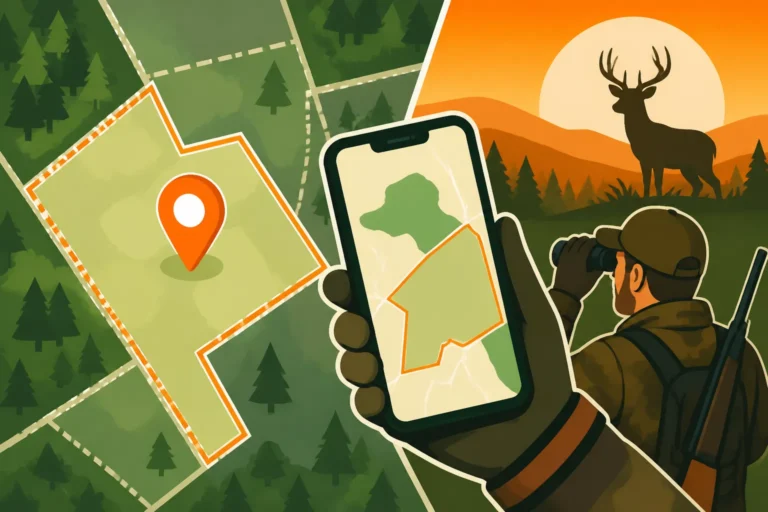
In today's digital age, the internet is often the first place we turn for anything, and hunting leases are no exception. While Ontario might not have as many dedicated lease listing platforms as some southern jurisdictions, there are still valuable avenues to explore. Websites specializing in rural real estate or agricultural land sometimes feature properties available for lease, often under a "recreational lease" or "land rental" category. You might also find listings on general classified sites, though these can be hit-or-miss. Specialized mapping apps like onX Hunt are invaluable here, not necessarily for finding listed leases, but for scouting potential areas. You can use onX Hunt to identify private landowners, assess property boundaries, and analyze habitat features, which can then inform your direct outreach efforts. GoHunt, while primarily focused on western big game, can offer insights into data-driven hunting strategies that might translate to understanding habitat and game distribution in specific Ontario WMUs, even if it's not directly listing leases. You can learn more about using such tools in Scouting With Satellite Imagery in Ontario.
Local Networking and Word-of-Mouth
This is often the most effective, albeit slowest, method in Ontario. Local connections are golden. Talk to farmers, local real estate agents, feed store owners, and even the folks at the bait shop. These individuals often have their ear to the ground and know who might be looking to lease out a parcel of land. Many leases are never formally advertised; they're passed along through friendships, family, or community ties. Attending local agricultural fairs, farmers' markets, or community events can be a great way to meet landowners and casually inquire about opportunities. Always be polite, respectful, and prepared to explain your intentions clearly. A good reputation precedes you in rural communities, so starting off on the right foot is crucial.
Direct Outreach to Landowners
Once you've identified promising parcels through mapping tools like onX Hunt or through local conversations, direct outreach is your next step. This involves approaching landowners directly, either by letter or in person (if you can find them at a convenient time and are not interrupting their work). Craft a professional letter introducing yourself, explaining your interest in leasing their land for hunting, outlining your respectful approach to land use, and providing references. If approaching in person, choose your timing carefully. Avoid busy times like harvest season. Be prepared to answer questions about your hunting ethics, insurance, and how you plan to manage the property. Remember, you’re not just asking to hunt; you’re proposing a mutually beneficial business arrangement. Some landowners might be interested in the income, others in the land management benefits you can offer, such as managing nuisance animals or helping with property security.
Working with Brokers or Agents
While less common for hunting leases specifically, some real estate brokers or land management companies might specialize in recreational land and can act as intermediaries. They often have established relationships with landowners and can help match you with available properties. This can streamline the process, as they handle the negotiation and paperwork, but it will come with a fee. Sometimes, these brokers will have access to larger tracts of land that might not be advertised publicly. It's worth inquiring with rural real estate agencies in the areas you're targeting to see if they offer such services or know of any landowners looking to lease. These professionals can also help navigate the complexities of Ontario Trespass Law for Hunters and ensure your agreement is solid.
What to Look for in an Ontario Hunting Lease Agreement
Once you've found a potential property and the landowner is open to a lease, the agreement itself becomes paramount. This isn't just a handshake deal; it's a legally binding document that protects both you and the landowner. Taking the time to understand and define every aspect of the lease is crucial for a successful and long-lasting arrangement.
Key Terms and Conditions to Understand
A solid hunting lease agreement should be comprehensive. It needs to clearly define the duration of the lease (e.g., one year, multiple years with renewal options), the annual fee, and the payment schedule. Beyond that, clarify exactly who is covered by the lease – is it just you, or can you bring guests? If so, how many, and under what conditions? What species are you permitted to hunt? While it might seem obvious, explicitly stating this prevents misunderstandings later on. Are there any restrictions on weapon types (e.g., archery only, no rifles)? This is especially important in areas where Legal Firearms and Bows for Big Game vary by local bylaws or WMU regulations. Also, discuss any clauses regarding timber harvesting, agricultural activities, or other land uses the landowner might undertake during your lease term, and how those might impact your hunting.
Access, Boundaries, and Usage Rights
Clear communication about the physical aspects of the lease is non-negotiable. The agreement should explicitly define the exact boundaries of the leased property, ideally with a map attached. Using tools like onX Hunt to mark these boundaries with the landowner is an excellent idea to prevent any accidental trespassing. You should also confirm designated access points and any rules regarding vehicle use on the property, such as specific trails or roads you can use. What about installing treestands or ground blinds? Is there a limit to how many? Do they need to be removed at the end of the season, or can they stay? Can you build a small temporary camp, or is it strictly day hunting? These details, often overlooked, can lead to significant friction if not addressed upfront. Make sure you understand Hunting an Ontario Bush Lot You Just Got and the specific limitations or freedoms that come with it.
Liability and Insurance Considerations
This is arguably one of the most critical, yet often intimidating, aspects of a hunting lease. Landowners are, understandably, concerned about liability. A good lease agreement will address this head-on. Typically, you, as the lessee, will be required to carry liability insurance that names the landowner as an additional insured. This protects the landowner in case of an accident or injury on the property during your lease term. The insurance coverage amounts can vary, so ensure you understand the requirements. Discussing this with the landowner and your insurance provider early in the process is essential. It demonstrates your professionalism and helps alleviate a major concern for them. It’s also wise to clarify who is responsible for maintaining fences, gates, or roads on the property, as this can sometimes fall to the lessee, especially if you're making improvements. Understanding the nuances of What Ontario Trespass Law Requires will also help you and the landowner ensure proper signage and legal protection are in place.
Understanding the Costs and Value of an Ontario Hunting Lease
Investing in a hunting lease is a significant decision, and like any investment, it comes with a price tag. However, the value derived from an exclusive, managed hunting experience often far outweighs the monetary cost, especially when you factor in the time, effort, and frustration saved.
Factors Influencing Lease Prices
The cost of an Ontario hunting lease isn't fixed; it's a dynamic figure influenced by a multitude of factors, much like real estate itself. The most significant factor is location. Land in prime whitetail country in Southern Ontario, especially near urban centres, will command a higher price than remote parcels in the north, where access might be more challenging. The quality of the habitat and the game density on the property also play a huge role. A lease known for producing trophy bucks or offering consistent turkey or bear opportunities will naturally be more expensive. Size matters too, with larger tracts generally costing more, though the price per acre might decrease with increased acreage. The length of the lease term can also influence the annual rate; a multi-year commitment might allow for a slightly better deal than a year-to-year agreement. Finally, demand in a specific area can drive prices up. For more detail on this, you can look up Ontario Hunting Lease Prices Per Acre.
Beyond the Annual Fee: Hidden Costs
While the annual lease fee is the most obvious expense, it's important to budget for other potential "hidden" costs. For starters, you'll need liability insurance, as discussed earlier, which is an additional premium. There might be costs associated with land management, such as purchasing and planting food plot seeds, mineral supplements, or trail cameras. If you plan on improving access, like clearing trails or maintaining a gate, those materials and your time represent a cost. Travel expenses to and from the property, especially if it's a significant drive, can add up quickly. Don't forget the initial investment in secure, well-placed treestands or blinds if the landowner doesn't permit permanent structures. Even simple things like fuel for an ATV, if allowed, become part of the overall cost. It's prudent to create a comprehensive budget that goes beyond just the lease payment to accurately assess your total investment.
Weighing the Investment Against the Benefits
So, is an Ontario hunting lease worth it? For many, the answer is a resounding yes. While the costs can be substantial, the benefits often create an unparalleled hunting experience. You gain exclusive access, minimizing pressure and competition. You have the ability to implement long-term wildlife management strategies that can genuinely improve the habitat and herd quality. This leads to more consistent hunting opportunities and, often, higher success rates. Beyond the practicalities, there's the intrinsic value of having a private outdoor sanctuary, a place to escape, unwind, and connect with nature on your terms. It provides peace of mind, a sense of ownership, and the ability to truly invest yourself in a piece of land and its wildlife. For serious hunters, especially those looking to share their passion with family or a small group of trusted friends, a hunting lease can transform the entire experience, moving it from a sporadic pursuit to a deeply rewarding and strategic endeavor.
| Feature | Crown Land Hunting | Private Land Permission | Hunting Lease |
|---|---|---|---|
| Access | Open to all | Dependent on landowner | Exclusive to lessee |
| Competition | High, especially in popular areas | Low to moderate, depending on landowner's other permissions | Very low to none |
| Cost | Licence/tags only | Usually free (goodwill) | Annual fee + other costs |
| Duration | As long as it's open | Day-by-day, season-by-season | Defined by agreement, often multi-year |
| Management Control | None | None | Significant, as per agreement |
| Liability | Personal responsibility | Varies, often landowner's | Lessee typically covers |
| Predictability | Low | Moderate | High |
| Effort to Secure | Minimal (finding land) | High (door-knocking) | Moderate (finding lease, negotiation) |
Disclaimer
This article is for general informational purposes only and does not constitute professional advice. Laws, prices and regulations vary by location and change over time. Consult a qualified professional for guidance on your specific situation.