Ontario’s Fly-In and Boat-In Camps
For many hunters, the call of the wild in Ontario isn't just about bagging game; it's about escaping the everyday, leaving behind the crowded truck trails and easily accessible bush lots. It’s about finding that truly remote experience where the hum of civilization fades, replaced by the whisper of the wind through ancient pines and the splash of a paddle. This guide will take a deep dive into what it truly means to hunt from Ontario's fly-in and boat-in camps, detailing the logistics, the challenges, and the incredible rewards that await those willing to venture off the beaten path.
Why Venture into Ontario's Remote Backcountry?
The appeal of a remote hunt goes far beyond just a change of scenery; it's about connecting with nature on a profound level and often finding higher quality hunting experiences. When you strip away the easy access, you inherently reduce hunter pressure, which can lead to healthier, less disturbed game populations. This isn't just a romantic notion; it's a practical reality that many hunters seek out year after year.
Escaping the Crowds and Hunting Pressure
Let's face it, hunting success often dwindles where every two-track road sees a dozen trucks on opening day. When you choose a fly-in or boat-in camp, you're investing in solitude. You're trading the frustration of seeing other hunters' taillights disappear around a bend for the peace of knowing that for miles in every direction, it's just you and the wilderness. This reduction in human disturbance means game animals are often less wary, more patterned, and perhaps even larger, having had the chance to mature without constant pressure. Imagine setting up your stand or glassing a distant ridge, knowing the only other 'hunters' in the area are the resident wolves or a soaring hawk. It's an unparalleled feeling of truly being in the wild.
Accessing Untouched Wilderness and Robust Game Populations
Ontario is a vast province, and its true wild heart lies far from paved roads. Fly-in and boat-in camps are your gateway to this untouched backcountry. These areas, often within massive Wildlife Management Units (WMUs) like those in Hunting Northwestern Ontario's Big Bush or the vast boreal forests, boast habitats that support thriving populations of moose, bear, and various small game. Without roads, logging has often been less intensive, leaving behind older growth forests that provide exceptional cover and forage. This isn't to say every remote trip guarantees a trophy, but the potential for encountering mature, undisturbed animals is significantly higher. You're hunting in their domain, on their terms, and that's a humbling and incredibly rewarding experience.
Understanding Fly-In Hunting Camps
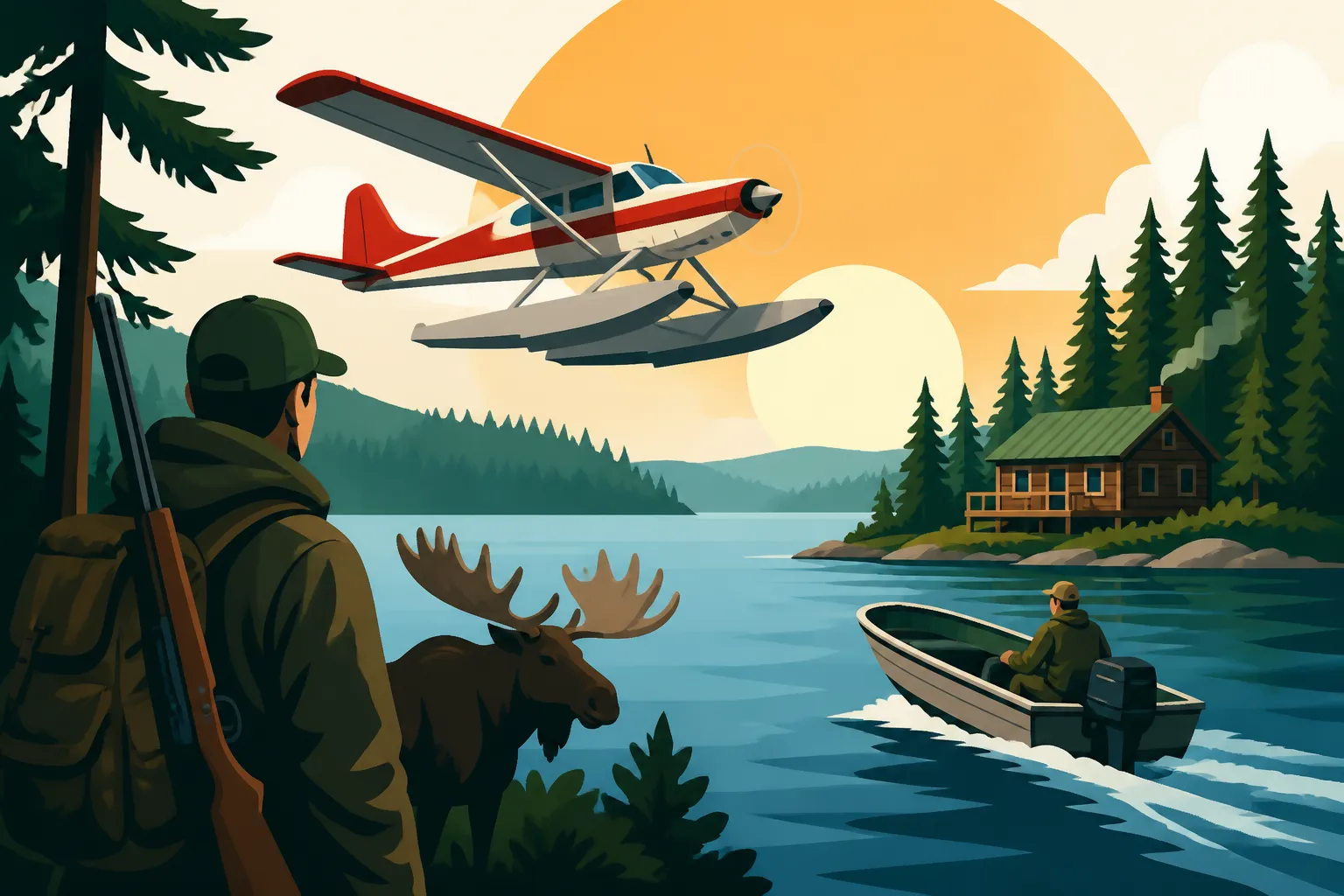
Fly-in camps are the pinnacle of remote hunting in Ontario. They offer access to areas that are otherwise virtually inaccessible, dropping you deep into the wilderness by float plane. This mode of transport itself is an integral part of the adventure, offering breathtaking views and a sense of true isolation.
The Logistics of a Fly-In Adventure
Booking a fly-in hunt involves a unique set of logistical considerations that differ significantly from a drive-in trip. Your journey typically begins at a float plane base, often in a northern town like Sioux Lookout, Red Lake, or Nakina. Here, your gear will be weighed, and you'll board a de Havilland Beaver or Otter, the workhorses of the bush. These planes have strict weight limits – every ounce counts – so careful packing is paramount. You might have to leave some comforts behind to make room for essential hunting gear, food, and emergency supplies. Once you land on a remote lake, the pilot will drop you off, and you're truly on your own until their scheduled return. It's a surreal experience watching that plane shrink into the sky, knowing you're now immersed in wild Ontario. You'll want to review your packing lists and ensure you have all essentials, as there are no quick runs to the store once you're out there.
What to Expect at a Fly-In Camp
Fly-in camps range from rustic, bare-bones cabins with basic amenities to more comfortable, well-appointed lodges. Most often, they fall into the "housekeeping" category, meaning you bring and prepare your own food. Expect propane lighting, wood stoves for heat, and perhaps an outdoor privy. Water is usually drawn from the lake and boiled or filtered. Communication is typically limited to satellite phones or two-way radios provided by the outfitter, mainly for emergencies or pre-arranged check-ins. Your outfitter will provide details on the camp's specific setup. While the amenities are simpler, the views from your cabin window – a pristine lake, a moose grazing on the shoreline – are five-star. Be prepared for self-reliance; these camps are about the raw experience, not luxury. It's a deep immersion, and often, outfitters will have insights into areas like Hunting Moose Around an Ontario Beaver Pond or specific ridges where deer frequent.
Navigating Boat-In Hunting Camps
Boat-in camps offer another fantastic way to reach remote hunting grounds, often more accessible and budget-friendly than fly-in options, but still providing a significant degree of solitude. These typically involve trailering your boat (or using one provided by an outfitter) to a remote launch point, then navigating a lake or river system to your camp.
Access and Challenges of Boat-In Locations
Unlike fly-ins, boat-in camps often mean you're still within a driving distance to civilization, albeit a long one over rough roads. The access might be a boat launch on a large, sprawling lake in central or northeastern Ontario, or even a river system that winds deep into Crown Land. The challenge here shifts from air freight to water navigation. You'll need a reliable boat, sufficient fuel for multiple days, and a good understanding of marine safety. Large lakes can get rough quickly, and hidden shoals or rocks can be a hazard. It's crucial to study hydrographic charts and use a reliable GPS with detailed mapping software, such as the layers available on onX Hunt, to mark safe channels and potential hazards. Knowing your route in and out, especially if the weather turns, is non-negotiable. You might be navigating a river where Hunting Moose From a Boat or Canoe is an option, or crossing large lakes to reach a remote shore.
Self-Guided vs. Outfitted Boat-In Trips
Boat-in trips present a clearer choice between going completely self-guided or utilizing an outfitter's services. A self-guided trip means you bring everything – your boat, gear, food, and expertise. This offers maximum freedom and often a lower cost but demands a high level of preparedness and wilderness skills. You're responsible for all aspects of your hunt, from scouting to meat care.
An outfitted boat-in trip, on the other hand, typically means the outfitter provides the boat, motor, and sometimes fuel, along with a pre-set camp. They might even offer "semi-guided" options where they drop you off, check on you periodically, and provide local knowledge. This balances the desire for remote access with a bit more support and local intel, which can be invaluable, especially when hunting specific species or in unfamiliar territory. It's a great option for those new to remote hunting or for groups looking for a bit more assistance without the full expense of a fully guided experience. Outfitters often have established camps on prime hunting lakes, or specific areas where Hunting a Bush Edge is consistently productive.
Planning Your Remote Hunting Adventure
Planning is the cornerstone of any successful and safe remote hunting trip in Ontario. Without the convenience of nearby services, every detail, from your gear to your emergency plan, must be meticulously thought out.
Essential Gear and Provisions
When you're miles from the nearest road or store, what you bring with you is all you have. For a remote hunt, prioritizing essential gear that is reliable, lightweight, and multi-functional is key. This includes high-quality camping equipment (tent, sleeping bag, cooking gear), a robust first-aid kit, navigation tools (GPS, compass, paper maps), satellite communication devices (like a Garmin inReach or a satellite phone), and appropriate clothing for all weather conditions. Think layers! For food, non-perishable, calorie-dense options are best. Consider freeze-dried meals, dehydrated foods, and plenty of snacks. Don't forget water purification tablets or a reliable filter. And for the hunt itself, ensure your firearm or bow is properly sighted in, and you have plenty of ammunition. Remember, you'll also need a plan for Meat Care in Ontario's Warm Early Seasons or dealing with fluctuating fall temperatures.
Comparison of Remote Camp Types
| Feature | Fly-In Camp | Boat-In Camp (Outfitted) | Boat-In Camp (Self-Guided) |
|---|---|---|---|
| Accessibility | By float plane only; deepest wilderness. | By boat after driving to a launch point. | By your own boat after driving to a launch point. |
| Cost | Generally highest due to air charter. | Mid-range; includes camp, boat. | Generally lowest; just camp/boat rental (if any). |
| Gear Transport | Strict weight limits; professional handling. | Less restrictive than fly-in; by boat. | Your responsibility; by your own boat. |
| Solitude | Maximum; often completely isolated. | High; may see other boaters on main lake. | High; depends on how far you venture. |
| Outfitter Support | Often includes camp maintenance, local knowledge. | Boat, motor, camp provided; sometimes intel. | Minimal to none; full self-reliance. |
| Navigation | Provided by pilot to camp; self-navigated by foot. | Self-navigated on water; charts essential. | Fully self-navigated on water and land. |
| Emergency Prep | Satellite comms essential; outfitter contact. | Satellite comms recommended; outfitter contact. | Critical; full self-reliance for emergencies. |
| Typical Game | Moose, Bear, Grouse, Lake Fish. | Moose, Bear, Deer, Waterfowl, Fish. | Deer, Bear, Waterfowl, Small Game, Fish. |
Permits, Regulations, and Safety Considerations
Before you even pack your first bag, make sure all your paperwork is in order. This includes your Ontario Hunting Licences and What They Cost, any specific tags for your target species (like a moose tag), and your Outdoors Card. Non-residents will have additional requirements, including potentially a Non-Resident Crown Land Camping Permit if you're setting up a temporary camp on Crown Land away from an outfitter's designated site. Understand the specific regulations for the WMU you'll be hunting in, including season dates, bag limits, and legal firearms.
Safety in remote areas cannot be overstated. Inform someone reliable of your exact itinerary, including your entry and exit points and expected return date. Carry a robust first-aid kit and know how to use it. Be prepared for wildlife encounters, especially with bears and moose. Understand Emergency Plans in Ontario's North – how to call for help, what to do if you get lost, and basic survival skills. Never underestimate Ontario's weather, which can change rapidly, particularly in the fall.
Utilizing Technology for Remote Scouting
Even when venturing into remote territory, modern technology can be an invaluable asset during the planning phase. Before you leave home, spend time extensively scouting your WMU using satellite imagery and topographic maps. Platforms like onX Hunt allow you to layer different maps, identify potential game funnels, bedding areas, water sources, and access routes. You can mark waypoints for your camp, potential hunting spots, and escape routes. This digital scouting can save you precious time and effort once you're on the ground. Similarly, resources like GoHunt can provide valuable insights into specific WMUs, harvest success rates, and even contact information for remote outfitters, giving you a head start on your research. Printing out physical copies of these maps, along with your digital versions, is always a wise backup.
Choosing the Right Camp and Outfitter
The success and enjoyment of your remote hunt often hinge on selecting the right camp and outfitter. This isn't a decision to be rushed; it requires thorough research and honest communication.
Vetting Potential Outfitters and Camps
Start your research well in advance – often a year or more for popular moose or bear hunts. Look for outfitters with a long-standing reputation and positive reviews. Don't just skim testimonials; try to find independent reviews and talk to past clients. Ask for references and actually call them. Inquire about their success rates, but be wary of any outfitter who "guarantees" a kill. A reputable outfitter will focus on providing a quality experience and access to good hunting grounds, acknowledging the inherent unpredictability of wild animals. Ask about their licensing and insurance. A good outfitter will be transparent and happy to answer all your questions, providing a sense of confidence in their operations. When considering Booking an Ontario Moose Hunt or Booking an Ontario Black Bear Hunt, ensure the outfitter has the appropriate tags or allocation for non-resident hunters.
Key Questions to Ask Before Booking
Once you've narrowed down your choices, prepare a comprehensive list of questions. Here are some critical ones:
- What exactly is included in the package? Does it cover boat, motor, fuel, camp amenities, and any guiding services? What about taxes and permits?
- What is the camp setup like? Rustic cabin, tent camp, or full lodge? What are the sleeping arrangements, cooking facilities, and bathroom situations?
- What communication options are available? Satellite phone, radio, or no communication?
- What are the weight limits for fly-in hunts? This is crucial for packing.
- What is their emergency plan? How do they handle medical emergencies, lost hunters, or severe weather? This falls under Emergency Plans in Ontario's North.
- What is the typical terrain like in their hunting area? Are there specific challenges you should be aware of?
- What type of game can I expect to pursue, and what are the realistic success rates for those species in their area?
- How do they handle meat care and transport once an animal is harvested? This is particularly important for large game like moose or bear and relates to Transporting Game Meat in Ontario.
- What are the deposit and cancellation policies? This can be a significant investment, so understanding the terms is vital.
- Can they assist with the Non-Resident Firearm Declaration process if I'm coming from outside Canada?
By asking these detailed questions, you'll gain a clear picture of what to expect and can make an informed decision that aligns with your hunting style and expectations.
Challenges and Rewards of Remote Hunting
Remote hunting in Ontario is undeniably challenging, demanding resilience, adaptability, and a strong dose of self-reliance. However, for those who embrace these challenges, the rewards are often far greater than any easy hunt could offer.
Embracing Self-Reliance and Wilderness Skills
When you hunt from a fly-in or boat-in camp, you are truly responsible for yourself and your hunting party. There's no corner store for forgotten items, no cell service for a quick internet search, and often no easy trail back to the truck. This forces you to hone your wilderness skills: navigation, fire starting, basic repairs, game processing, and survival techniques. You learn to read the weather, understand animal behavior more deeply, and appreciate the self-sufficiency that defines truly wild hunting. Getting a moose out of a remote bush, often requiring quartering it alone, as discussed in Quartering a Moose Alone in the Bush, or Getting a Moose Out by Canoe, demands physical and mental fortitude. It's a profound learning experience that builds confidence and respect for the natural world.
The Unforgettable Memories and Deep Satisfaction
Despite the inevitable bugs, unpredictable weather, and hard work, the memories forged on a remote Ontario hunt are unlike any other. It’s the silence broken only by a loon's call at dawn, the exhilarating sight of a bull moose stepping out of the mist, or the camaraderie shared around a crackling campfire under a blanket of northern stars. The feeling of earning your harvest, far from any road, is deeply satisfying. These trips are less about the kill and more about the journey, the challenge, and the profound connection to the wild. You’ll come away with stories that last a lifetime and a renewed appreciation for the raw beauty of Ontario's backcountry. It’s about more than just filling a tag; it’s about filling your soul with the essence of wild hunting. When What Happens After You Fill Your Tag involves days of hard work to get it back to civilization, the sense of accomplishment is immeasurable.
Disclaimer
This article is for general informational purposes only and does not constitute professional advice. Laws, prices and regulations vary by location and change over time. Consult a qualified professional for guidance on your specific situation.