How Much Crown Land Ontario Has
One of the biggest head-scratchers for new and even seasoned hunters in Ontario is trying to figure out where exactly you're allowed to hunt. With so much land in our vast province, it can feel overwhelming to distinguish between private property, protected areas, and the elusive "public land" everyone talks about. This guide is going to demystify Ontario's Crown Land, breaking down just how much of it exists, what it means for hunters, and how you can actually go about finding and utilizing these incredible resources for your next adventure.
What Exactly is Ontario Crown Land for Hunting?
Let's start with the basics, because "Crown Land" can sometimes sound a bit formal or intimidating. In simple terms, Crown Land is land owned by the provincial government, held in trust for all citizens. It's not private property, nor is it federally owned land like National Parks (where hunting is generally prohibited). For hunters, Crown Land represents the vast majority of our publicly accessible hunting grounds, offering unparalleled opportunities from the southern fringes of the province all the way up to the remote Far North.
Defining Crown Land: More Than Just "Public"
While often referred to as public land, "Crown Land" has specific legal definitions that are important for hunters to understand. It’s land that has not been patented or sold to private ownership. This means it's generally open for recreational use, including hunting, fishing, camping, and trapping, provided you follow the specific regulations for that area and species. Not all "public" land is Crown Land – for instance, municipal parks or some conservation areas might be publicly owned but have their own rules, often restricting or prohibiting hunting. Crown Land, however, is broadly managed under the Public Lands Act, making it the go-to for many outdoor enthusiasts.
The important distinction here is that while you can typically hunt on Crown Land, you still need to respect the rules for specific Wildlife Management Units (WMUs) and adhere to season dates, bag limits, and legal methods of take for your target species. Think of Crown Land as the canvas, and the hunting regulations as the specific colours and brushstrokes you're allowed to use in different sections of that canvas.
Historical Context and Public Trust
The concept of Crown Land dates back centuries, rooted in the idea that certain lands should be held by the sovereign for the benefit of the populace. In Ontario, this tradition has evolved, with the province managing these lands for a variety of uses, including forestry, mining, and recreation. For hunters, this translates into a powerful public trust: the right to access and utilize these lands for sustenance and sport. It’s a privilege, of course, and comes with the responsibility to be a respectful and ethical outdoors person, ensuring these lands remain viable for future generations.
Understanding this historical context can actually deepen your appreciation for hunting on Crown Land. It’s a direct connection to the traditions of generations past, who also relied on these wild spaces. It also underscores why proper stewardship is so vital; we are all temporary custodians of this incredible resource.
The Role of the Ministry of Natural Resources and Forestry (MNRF)
The Ontario Ministry of Natural Resources and Forestry (MNRF) is the primary provincial agency responsible for overseeing Crown Land. They manage everything from timber harvesting and mineral rights to wildlife populations and recreational access. For hunters, the MNRF is your go-to source for regulations, season dates, and maps showing Crown Land boundaries. Their regulations dictate what you can hunt, where, and when, and it’s critical to always consult their official publications before heading out.
The MNRF also manages the Ontario's Wildlife Management Unit System, which divides the province into specific areas, each with its own set of rules and season dates. This system is crucial because while a vast amount of land might be Crown Land, specific WMUs might have unique antlerless deer draws, controlled hunts, or differing season lengths. It's never enough to just know you're on Crown Land; you also need to know the specific WMU you're in and its associated regulations. You'll find all the pertinent details on the MNRF's official website or in their annual hunting regulations summary.
The Sheer Scale of Ontario's Crown Land
When we talk about "a lot" of Crown Land, we're not exaggerating. Ontario is a massive province, and a significant portion of it remains unpatented, open for public use. This vastness is truly one of the defining characteristics of hunting in our province, offering everything from accessible bush lots near urban centers to remote, untouched wilderness hundreds of kilometers from the nearest road.
Vastness Beyond Imagination: The Numbers Game
Just how much Crown Land does Ontario have? The numbers are staggering. Roughly 87% of Ontario is Crown Land. That's a mind-boggling amount of territory – approximately 87 million hectares (or over 214 million acres) of forests, wetlands, lakes, rivers, and Canadian Shield country. To put that in perspective, that's an area larger than France and Spain combined! This makes Ontario one of the few places in North America where truly expansive, wild hunting experiences are still readily available to the public.
This immense footprint means that the opportunities for Whitetail Hunting in Ontario, Moose Hunting Ontario's Northern Bush, and Black Bear Hunting in Ontario on public ground are virtually endless. While not every square inch of this Crown Land is huntable (some areas might be conservation reserves, provincial parks with restricted hunting, or municipal exclusions), the vast majority is indeed open to ethical, licensed hunters. It's a testament to the wild character of our province and a huge draw for both resident and non-resident hunters seeking true wilderness experiences.
Regional Distribution: Where It's Most Prevalent
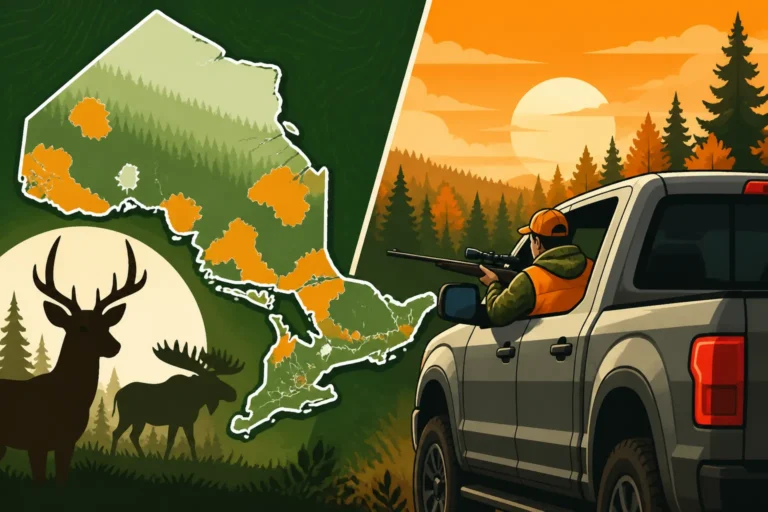
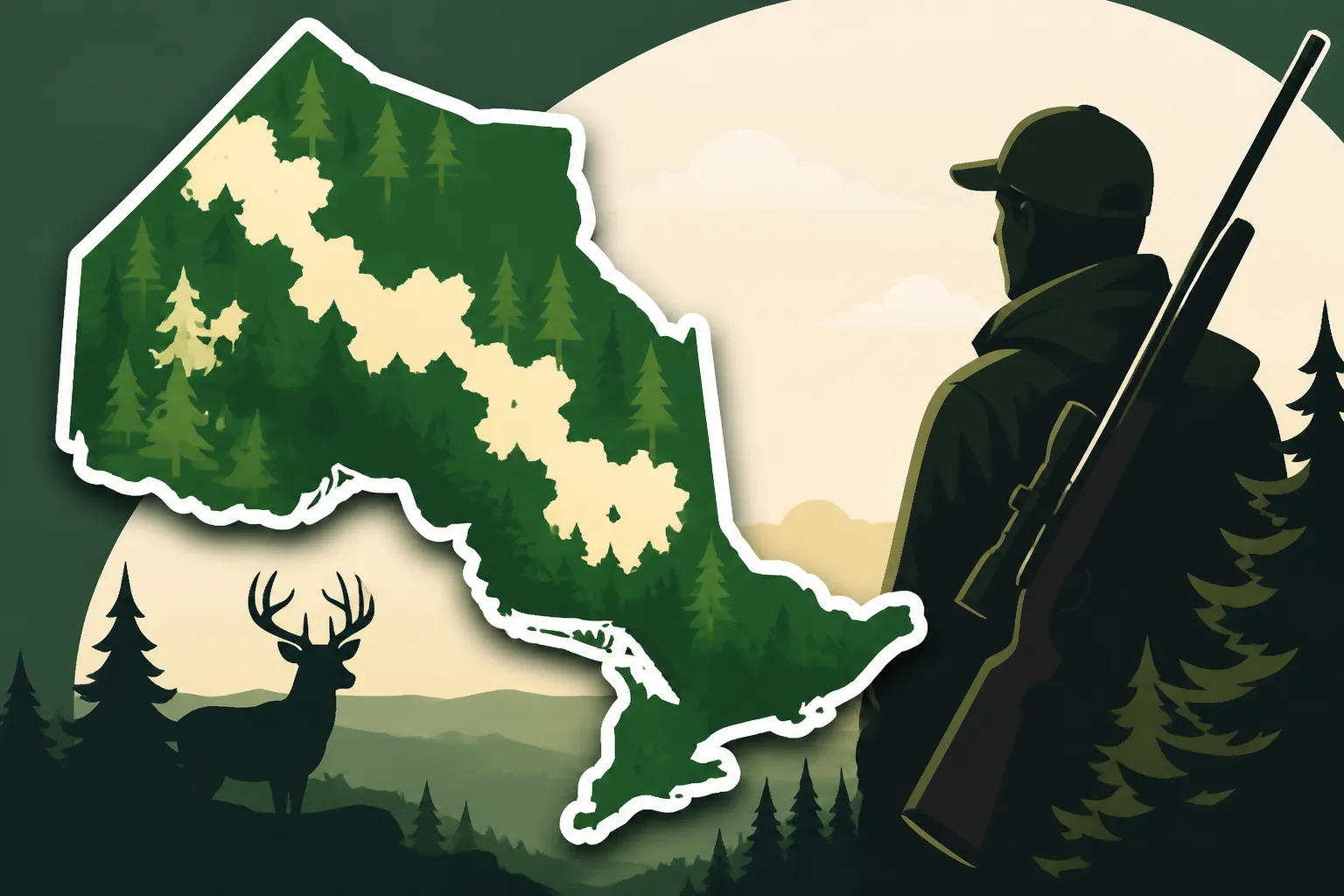
While 87% sounds like a universal figure, the distribution of Crown Land isn't even across the province. The lion's share of Ontario's Crown Land is concentrated in the northern and central parts of the province. Northwestern Ontario, with its endless boreal forest, rugged Canadian Shield, and countless lakes, is practically all Crown Land outside of specific private holdings and communities. The same goes for much of Northeastern and Central Ontario, where you'll find vast tracts stretching for hundreds of kilometers.
In stark contrast, Southern Ontario – south of the French River and Lake Nipissing – is primarily privately owned farmland and woodlots. Here, Crown Land exists in much smaller, often fragmented parcels, sometimes as river valleys, floodplains, or small bush lots that haven't been developed. This means that hunters in Southern Ontario often face the challenge of securing permission on private land, whereas hunters heading north can expect to spend most of their time on Crown Land. This regional difference dramatically shapes the hunting culture and strategies in different parts of the province. For instance, Hunting Deer in Southern Ontario Farmland often involves knocking on doors and developing relationships with landowners, a far cry from the extensive scouting and backcountry trekking needed for Hunting Northwestern Ontario's Big Bush.
Crown Land vs. Private Land: A Crucial Distinction
It’s absolutely critical for every hunter to understand the difference between Crown Land and private land. As mentioned, private land requires explicit permission from the landowner to hunt. Hunting on private land without permission is trespassing, a serious offense that can lead to fines, confiscation of equipment, and loss of hunting privileges. Crown Land, on the other hand, is generally open access, but it's your responsibility to know where those boundaries lie.
Imagine stumbling upon a beautiful hardwood ridge that looks perfect for whitetails. If you're up north, chances are it's Crown Land. If you're in a more populated southern area, that same ridge could easily be someone's woodlot, and without permission, you can't step foot on it with a firearm or bow. The consequences of not knowing are severe, and it’s why mapping tools and diligent scouting are paramount. Always err on the side of caution. If you're not 100% sure, don't hunt there.
Accessing and Navigating Crown Land Safely
With such an immense amount of Crown Land, the challenge isn't just knowing it exists, but actively finding and safely navigating these often remote areas. This is where modern tools and good old-fashioned preparedness become your best friends.
Tools for Discovery: Maps and Digital Resources
Gone are the days when you'd rely solely on paper maps, though a good topographic map is still invaluable as a backup. Today, digital mapping applications are indispensable for identifying Crown Land boundaries. Platforms like onX Hunt and GoHunt are incredibly powerful tools. These apps overlay property ownership data onto detailed satellite imagery and topographic maps, clearly showing where Crown Land begins and private land ends. They can show you logging roads, old trails, elevation changes, and water features, all crucial for planning a hunt.
When I'm planning a hunt, the first thing I do is pull up one of these apps. I can identify large blocks of Hunting Ontario's Crown Land, scout potential access points, and even mark hypothetical stand locations or game trails from my armchair. It takes away a lot of the guesswork and anxiety about inadvertently crossing onto private property. Remember, while these tools are fantastic, ensure your maps are downloaded for offline use, as cell service is often non-existent in many remote Crown Land areas. Always have a physical map and compass, and know how to use them, as a fail-safe. For more details on preparing your hunt, you might want to read Scouting With Satellite Imagery in Ontario.
Understanding Access Roads and Rights of Way
Just because land is Crown Land doesn't mean it's easily accessible. Many vast tracts are roadless wilderness. However, many areas are crisscrossed by old logging roads, utility corridors (like hydro lines), or even seasonal forest access roads. It's important to understand the rules around these. Some logging roads might be public access, while others could be active haul routes for timber companies and may have restricted access for safety reasons. Always look for signage and obey any posted restrictions.
Often, the best hunting on Crown Land requires a bit of a hike, sometimes several kilometers from the nearest vehicle access point. This helps shed hunting pressure and gets you into truly wild country. Be mindful that Vehicle Rules on Ontario Crown Land can vary; some roads may be open to ATVs and trucks, while others are designated non-motorized. Always confirm these details to avoid fines or causing environmental damage. And don't forget, an old logging road can be a fantastic place for Hunting an Old Logging Road in the North if you scout it well.
Safety Protocols for Remote Hunting
Hunting on vast, remote Crown Land comes with inherent risks, and safety should always be your top priority. Getting turned around is a very real possibility, even for experienced woodsmen. Always carry a well-stocked survival kit, including fire-starting materials, a first-aid kit, a whistle, extra food and water, and a fully charged satellite communication device (like an inReach or Spot device) if you're venturing far off the beaten path. Tell someone exactly where you're going and when you expect to return.
Furthermore, be aware of the wildlife you might encounter. While a Black Bear Hunting in Ontario adventure might be your goal, unexpected encounters with bears, moose, or even wolves are possible. Carry bear spray and know how to use it. Dress appropriately for the weather, as conditions can change rapidly, especially in the northern reaches of the province. Finally, be mindful of other users of Crown Land – trappers, hikers, campers, and other hunters. Good communication and respecting shared spaces are paramount. If you ever feel disoriented, follow our guide on What to Do If You Get Turned Around.
Hunting Opportunities on Crown Land
The sheer diversity and vastness of Ontario's Crown Land means it offers a smorgasbord of hunting opportunities, catering to almost every type of hunter and every game species our province has to offer.
Diverse Habitats, Diverse Game Species
From the dense, mixed forests of Central Ontario to the vast wetlands of the south, and the sprawling boreal forest of the north, Crown Land encompasses an incredible array of habitats. This ecological diversity directly translates into a wide variety of game species available. You'll find whitetail deer in nearly every region where Crown Land exists, though their numbers and characteristics vary greatly. Moose thrive in the extensive boreal forests and wetlands of the north. Black bears are widespread across almost all forested Crown Land.
Upland birds like ruffed grouse and spruce grouse are abundant in cutovers and regenerating forests on Crown Land. Even waterfowl, from ducks to geese, can be found utilizing marshes, rivers, and beaver ponds on Crown Land, sometimes requiring a Jump-Shooting an Ontario Beaver Pond approach. The key is to understand the habitat requirements of your target species and then use your mapping tools to locate suitable Crown Land parcels that fit the bill. A successful Crown Land hunt often begins with extensive research into game behaviour and habitat preferences.
Specific Crown Land Types: Forests, Wetlands, and Shield Country
Not all Crown Land is created equal. Understanding the different types of landscapes can help you narrow down your search and predict what game you might find.
- Forests (Boreal and Mixedwood): These are the most common type of Crown Land, especially in Central and Northern Ontario. They offer excellent habitat for moose, black bear, whitetail deer (especially in transition zones), and grouse. Look for areas with a mix of mature timber, recent cutovers, and dense regeneration, which provide food, cover, and bedding areas. Old logging roads and trails are often excellent travel corridors for game.
- Wetlands (Marshes, Swamps, Beaver Ponds): Interspersed throughout forested Crown Land, these areas are magnets for certain species. Beaver ponds create natural clearings and provide aquatic vegetation for moose. Cedar swamps offer critical wintering habitat for deer. Marshes and river edges are prime spots for waterfowl. Hunting a Beaver Meadow Crossing can be incredibly effective for big game.
- Canadian Shield Country: Characterized by rock outcrops, shallow soils, and numerous lakes and rivers, the Shield offers a unique and often challenging hunting environment. While deer densities might be lower here, the solitude and rugged beauty are unparalleled. Moose are common, as are bears. Access can often be limited, requiring boat-in or even fly-in excursions. Hunting a Rock Ridge in Shield Country requires a different approach than farm-country hunting.
The Lure of the Backcountry Hunt
For many, the ultimate appeal of Crown Land hunting is the opportunity for a true backcountry experience. This isn't about road hunting or short walks from the truck. It's about venturing deep into the wilderness, often miles from any discernible trail, packing in your gear, and relying on your skills and preparedness. These hunts offer unparalleled solitude and the chance to encounter truly wild, less pressured animals.
A backcountry hunt on Crown Land might involve a multi-day trip, either Canoe-In Hunting on Ontario Crown Land or backpacking into a remote area. It requires meticulous planning, physical fitness, and a robust understanding of navigation and survival. The rewards, however, are immense: a profound connection to nature, the challenge of self-reliance, and the chance to harvest an animal in its purest, wildest habitat. This is the essence of what draws many to the vastness of Ontario's Crown Land.
Challenges and Considerations for Crown Land Hunters
While Crown Land offers incredible opportunities, it's not without its challenges. Being prepared for these hurdles will make your hunting experience much more enjoyable and successful.
Hunting Pressure and Finding Seclusion
Even with millions of acres, popular or easily accessible Crown Land parcels, especially those closer to population centers, can experience significant hunting pressure during peak seasons. Opening day of deer season, for instance, might see truck after truck parked along known Crown Land access points. This pressure can make game more wary and push them into thicker, harder-to-reach cover.
The trick to beating this pressure often lies in two things: effort and timing. Be willing to walk further than most. If hunters are sticking to the first kilometer from the road, push deeper. Explore areas that require a bit more bushwhacking or involve crossing a swamp or navigating tricky terrain. Secondly, consider hunting during weekdays rather than weekends, or during less popular seasons (if regulations allow). Scouting thoroughly before the season opens can also reveal overlooked pockets of prime habitat where animals might retreat. Finding Bush Others Walk Right Past is a key skill for success.
Remote Logistics and Emergency Preparedness
Hunting deep in Crown Land means being self-sufficient. Beyond the immediate risks of getting lost, you need to consider logistics. How will you get your animal out if you're miles from the nearest road? Quartering an animal on site might be necessary, even for deer, and certainly for moose or bear. Having the right tools for field dressing and meat care, especially in Meat Care in Ontario's Warm Early Seasons, is crucial. You'll also need a plan for carrying out meat and hide.
Emergency preparedness extends beyond navigation. What if you have a medical emergency? What if your vehicle breaks down miles down a remote logging road? Carrying extra fuel, a spare tire, a full tool kit, and possibly even a winch or recovery gear are wise precautions for northern expeditions. A satellite phone or two-way satellite messenger is highly recommended, as cell service will likely be non-existent. Being prepared for the unexpected is not paranoia; it's smart hunting in the vast Ontario wilderness.
Navigating Regulations and Property Boundaries
Staying legal on Crown Land is non-negotiable. This means not only understanding general hunting regulations but also being intimately familiar with the specific rules for your WMU. Are you allowed to bait big game in that area? What are the Ontario Blaze Orange Requirements? What are the legal firearms and bows for big game? These details can change year to year, so always consult the most current regulations summary.
The biggest legal pitfall on Crown Land is often inadvertently trespassing onto private property. As discussed, digital maps like onX Hunt are excellent, but always cross-reference with physical maps if possible, and pay attention to old fences, posted signs, or changes in vegetation that might indicate a boundary. Landowners in remote areas sometimes put up signs that are less obvious. If in doubt, back out. Respecting private property not only keeps you legal but also maintains a positive image for hunters in the province. Remember that even on Crown Land, there are rules around Camping on Ontario Crown Land and Treestand Rules on Ontario Crown Land that you need to be aware of.
Table: Typical Characteristics of Crown Land Regions for Hunting
| Feature | Northwestern Ontario | Northeastern & Central Ontario | Southern Ontario (Limited Crown Land) |
|---|---|---|---|
| Percentage Crown Land | Very High (90%+) | High (70-90%) | Low (Fragmented parcels, <10-20%) |
| Dominant Habitat | Boreal Forest, Canadian Shield, Lakes, Wetlands | Mixedwood Forest, Canadian Shield, Clay Belt | Small Woodlots, River Valleys, Marginal Farmland |
| Primary Game | Moose, Bear, Whitetail Deer (North), Grouse, Waterfowl | Moose, Bear, Whitetail Deer (Central), Grouse, Turkey | Whitetail Deer (High Density), Turkey, Small Game, Waterfowl |
| Access | Remote, Logging Roads, Fly-in/Boat-in, Bush Trails | Logging Roads, Secondary Roads, ATV Trails, Bush Trails | Paved Roads, Limited Backroads, Foot Access Only |
| Hunting Pressure | Low to Moderate (Higher Near Roads) | Moderate (Varies by Proximity to Towns) | High (Especially Accessible Areas) |
| Logistics | Significant backcountry skills, Self-reliance critical | Moderate backcountry skills, Good planning required | Day hunting, Vehicle access common |
| Mapping Needs | Essential for navigation & boundaries | Essential for navigation & boundaries | Crucial for identifying parcels & avoiding trespass |
Disclaimer
This article is for general informational purposes only and does not constitute professional advice. Laws, prices and regulations vary by location and change over time. Consult a qualified professional for guidance on your specific situation.