Hunting the Hudson Bay Lowland Edge
Many hunters dream of vast, untamed wilderness, but few truly understand the challenges and incredible rewards of pursuing game in Ontario's most remote reaches. The Hudson Bay Lowland Edge presents exactly this kind of adventure – a unique, often unforgiving landscape that borders true wilderness, demanding meticulous planning and a deep understanding of its peculiar ecosystem. This guide will walk you through what makes this region so special for hunting, the species you can expect to encounter, and how to successfully navigate and hunt this truly wild frontier.
Understanding the Hudson Bay Lowland Edge Ecosystem
The Hudson Bay Lowland Edge isn't just a place on a map; it's a transition zone, a boundary where the rugged Canadian Shield begins to give way to the vast, flat, and often waterlogged expanse of the Hudson Bay Lowlands proper. This unique geography creates a hunting experience unlike almost any other in Ontario, full of challenges but also unparalleled opportunities for those willing to brave it.
Geographic Characteristics and Terrain
Imagine endless stretches of black spruce and tamarack, interspersed with vast bogs, fens, and muskeg. That's the dominant image of the Hudson Bay Lowland Edge. Unlike the rolling hills or dense hardwood forests of more southerly regions, here the terrain is generally flat, often wet, and can be incredibly difficult to traverse. Peatlands can be several feet deep, making walking a strenuous, bog-sucking effort. Small, stunted trees dominate, especially further north, giving way to larger timber closer to the Shield. Old glacial beach ridges and eskers, remnants of ancient shorelines, often provide the only dry ground, creating natural travel corridors for wildlife and, consequently, hunters. These ridges can be vital clues when you're Reading an Ontario WMU Map Before You Go. Rivers and streams, often tannin-stained, wind their way sluggishly through the landscape, frequently obstructed by beaver dams, making water travel equally challenging but often necessary.
Unique Vegetative Zones and Habitat
This transitional zone between the Shield and the Lowlands means you'll find a blend of habitat types. Closer to the Shield, you might encounter more mixed forest, with pockets of poplar and birch alongside the ever-present conifers. As you move north or deeper into the Lowlands, the habitat becomes overwhelmingly coniferous, dominated by black spruce, tamarack, and white cedar, especially in wetter areas. The muskeg itself is a complex mosaic of mosses, sedges, and dwarf shrubs like Labrador tea. This environment supports a specific array of plant life that forms the food base for big game. Moose, for instance, thrive on the willow and aquatic vegetation found in the countless wetlands and slow-moving waterways, while bears capitalize on the berry crops that emerge in more open, drier sections, particularly blueberries and cranberries. Understanding these micro-habitats within the broader landscape is key to success.
The Climate and Its Impact on Hunting
The Hudson Bay Lowland Edge experiences a true northern climate, characterized by long, cold winters and relatively short, cool summers. This means the hunting season often arrives with a bite in the air, even in early fall. Expect early frosts and the possibility of snow earlier than in southern Ontario. These conditions affect game movement and hunter comfort profoundly. Bugs – blackflies and mosquitoes, in particular – can be absolutely relentless from late spring through late summer and even into early fall, making proper head nets, repellent, and protective clothing non-negotiable. By mid-fall, the cold helps to mitigate the bug problem, but hunters must then contend with freezing temperatures, the potential for early deep snow, and rapidly shortening daylight hours. This demands rugged gear and a high degree of self-sufficiency. For those hunting later in the season, understanding Reading Sign After a Fresh Snow becomes an invaluable skill.
Prime Game Species of the Lowland Edge
While the Lowland Edge might seem desolate to the uninitiated, it is teeming with specific wildlife adapted to its unique conditions. For the adventurous hunter, it offers exceptional opportunities for certain species, particularly the giants of the boreal forest.
Moose: The King of the Boreal Edge
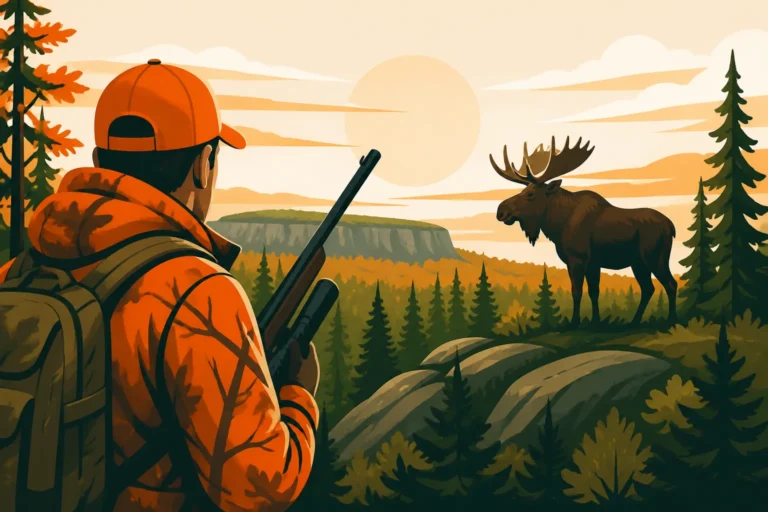
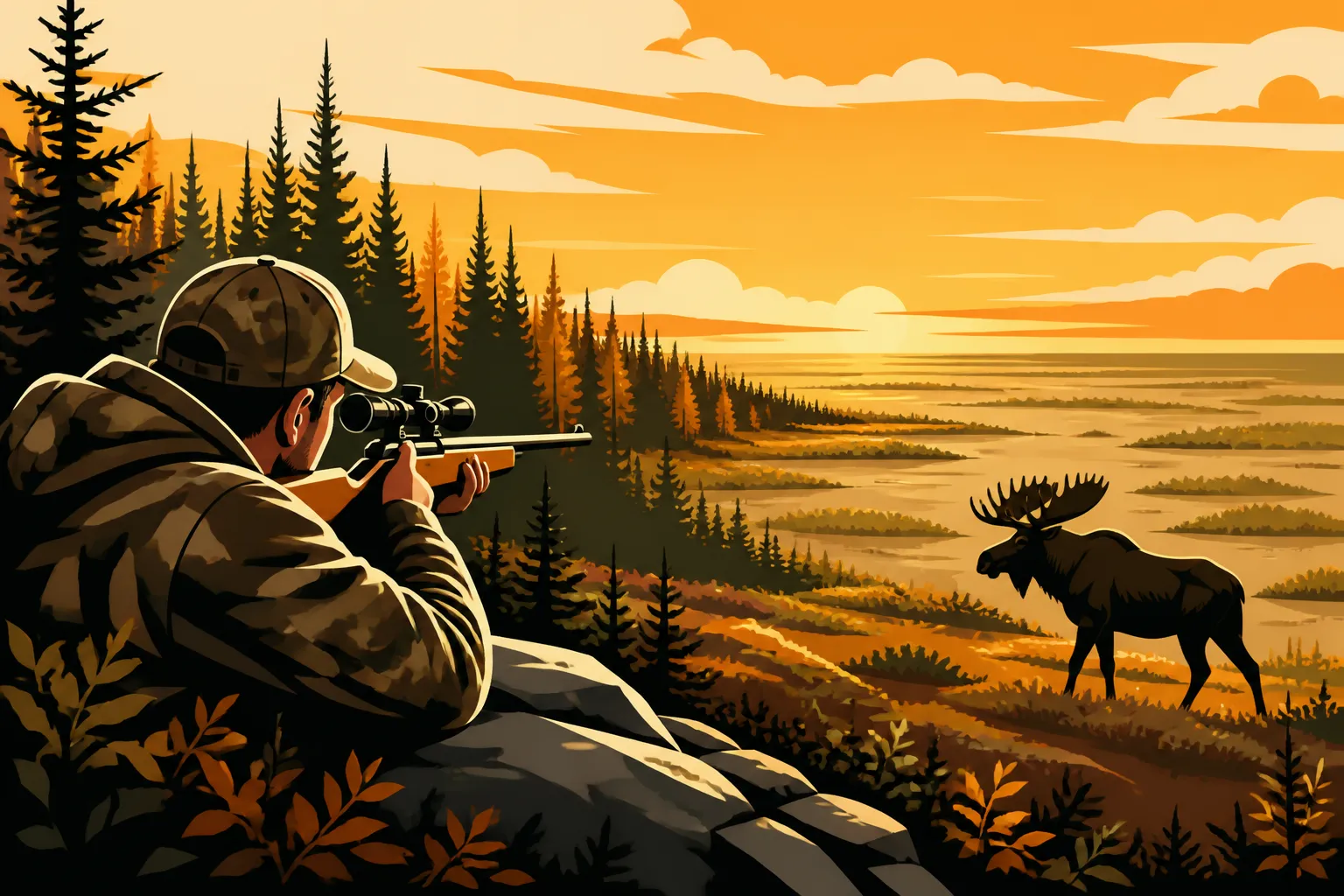
If there's one species synonymous with hunting the Hudson Bay Lowland Edge, it's the moose. This region, with its abundance of wetlands, willow thickets, and mixed coniferous forests, provides ideal habitat for these majestic animals. Moose thrive on the aquatic vegetation and browse found in beaver ponds, fens, and along river edges. The relatively flat terrain, while challenging for humans to walk, allows moose to move with surprising ease. Hunters often focus their efforts around water bodies, using canoes or small boats to access remote areas. The rut, typically in late September and early October, is a prime time for calling moose, as their vocalizations echo through the dense spruce. Successful moose hunting here often means being prepared for a significant packing job, sometimes requiring a multi-day effort to get an animal out of a remote bog. Calling a Bull Moose in the Rut is a quintessential skill for this region.
Black Bears: Solitary Giants of the Spruce Swamps
The vast, undisturbed forests and abundant food sources of the Hudson Bay Lowland Edge also make it prime black bear country. Bears range widely, utilizing the dense cover of the spruce swamps for bedding and security, and venturing into more open areas or along forest edges to feed on berries, nuts (if present), and other forage. Hunting here can be done by spot-and-stalk in more open clearings or along cutlines, but baiting is a very common and effective method, particularly in the spring or fall. Setting a bait site far from human activity can yield incredible results, as the resident bears are often less pressured and larger. Patience is a virtue when Hunting Bear Over a September Bait, as these intelligent animals are cautious. Always be aware of your surroundings, especially if you're alone, as this is true bear country.
Waterfowl and Upland Birds: Hidden Gems
While big game often takes centre stage, the Lowland Edge also offers fantastic opportunities for waterfowl and upland birds, albeit with unique challenges. The countless bogs, fens, and small ponds are magnets for migrating ducks, particularly puddle ducks like mallards, teal, and black ducks, as well as some divers. Jump-shooting these remote wetlands can be incredibly productive for the stealthy hunter. Geese, especially Canada geese, will also utilize larger wetland complexes and river systems. For upland birds, Ruffed Grouse are prevalent in areas with mixed forest, particularly along old logging roads and the edges of clearings. Spruce Grouse, with their distinctive bold plumage, are also found in the dense black spruce stands, often along the same old trails you might use for moose or bear hunting. Don't forget to pack a scattergun for a quick upland opportunity while on your big game hunt. Knowing how to locate and approach Hunting Ducks in an Ontario Cattail Marsh can add a lot of excitement to your trip.
Essential Planning and Logistics for Your Hunt
Hunting the Hudson Bay Lowland Edge is not for the faint of heart or the unprepared. The remoteness and challenging conditions demand meticulous planning, robust gear, and a strong emphasis on self-sufficiency and safety.
Accessing Remote Lowland Edge Hunting Areas
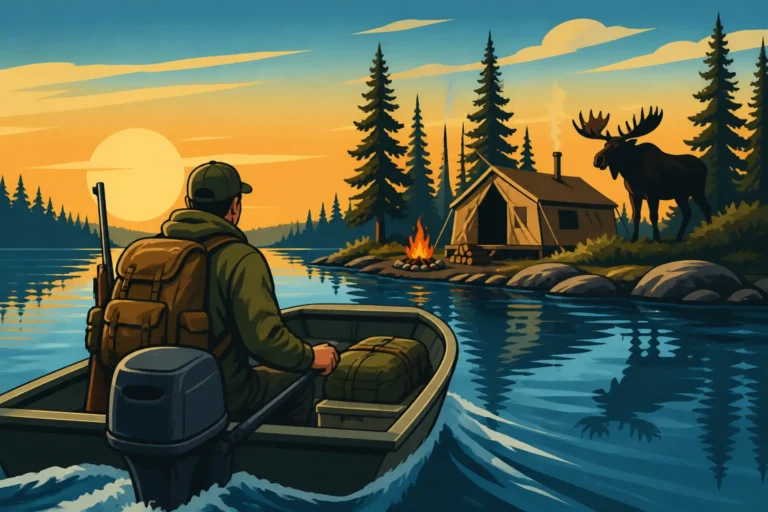
This is arguably the biggest hurdle for hunting the Lowland Edge. Road access is incredibly limited, often restricted to old logging roads, mining trails, or hydro lines that may be overgrown, washed out, or simply disappear into the muskeg. Many prime areas are truly fly-in or boat-in only. This means chartering a float plane or utilizing a heavy-duty canoe or freighter canoe on a large river system. It's crucial to consult detailed maps, like those available on platforms like onX Hunt, which can show you satellite imagery and land ownership boundaries, helping you identify potential access points and Crown Land where hunting is permitted. Reading Ontario Crown Land Layers on onX is essential for plotting your route and understanding where you can legally hunt and camp. Always have backup plans for vehicle recovery or boat breakdowns, as assistance can be days away.
Timing Your Hunt for Optimal Success
The timing of your hunt is critical and depends heavily on the species you're pursuing and the conditions you're willing to endure.
- Early Fall (Late August – September): This period can be excellent for bear baiting and early archery moose seasons. The weather is generally milder, but bugs can still be a significant issue, especially further north. The bush is thick, making visibility challenging, but game is actively feeding.
- Mid-Fall (Late September – October): This is prime time for the moose rut. Bulls are vocal and actively seeking cows, making calling effective. Temperatures are cooler, and bugs are usually less problematic. However, the potential for freezing rain or early snow increases.
- Late Fall (November – December): Gun season for moose and deer (where available) falls into this window. Snow often starts to accumulate, which can aid in tracking game but also make travel more difficult. Temperatures can drop significantly, requiring heavy-duty cold-weather gear. Hunting an Ontario WMU in Deep Snow requires specialized knowledge and equipment.
Consider consulting resources from services like GoHunt for general seasonal patterns and species behaviour, though always double-check against Ontario-specific regulations and local knowledge.
Critical Gear and Safety Considerations
The Lowland Edge punishes unpreparedness. Your gear needs to be top-notch and redundant.
- Clothing: Layering is paramount. Think waterproof outer shells, warm mid-layers (wool or synthetic), and moisture-wicking base layers. Insulated, waterproof boots are non-negotiable for navigating wet terrain. Don't forget blaze orange, as How Much Blaze Orange Ontario Requires is critical for safety during gun seasons.
- Navigation: Beyond your physical map and compass, a reliable GPS unit and a mapping app like onX Hunt on a fully charged device are essential. Carry extra batteries or a power bank. Remember that cell service is virtually non-existent in much of this region, so a satellite communication device (like a Garmin inReach or Zoleo) is a lifesaver for emergencies. What to Do If You Get Turned Around is a serious concern.
- Shelter: A sturdy, three-season tent or a reliable canvas hot tent (if you plan on a longer, more stationary camp) is vital. Even in early fall, nights can be cold.
- Food & Water: Pack non-perishable, high-energy food. Consider a water filter or purification tablets, as access to potable water can be limited, despite the abundance of surface water.
- Survival Kit: Always carry a well-stocked first-aid kit, fire-starting materials, signaling devices (whistle, mirror), a sharp knife, and emergency rations.
- Wildlife Preparedness: Bear spray and a reliable firearm are wise precautions in an area with high bear density. Know Wildlife Safety in Ontario Bear Country protocols.
Table: Hudson Bay Lowland Edge Hunting Considerations
| Aspect | Description | Key Challenges | Best Practices |
|---|---|---|---|
| Terrain | Flat, extensive muskeg, bogs, fens, dense coniferous forest, interspersed with glacial ridges. | Difficult, slow travel; easy to get disoriented; wet underfoot. | Plan routes along ridges/eskers; use canoes for water access; wear waterproof, knee-high boots; bring walking sticks. |
| Access | Limited road access (old logging roads, hydro lines), often fly-in or boat-in only. | Costly; time-consuming; dependent on weather for air travel; boat breakdowns in remote areas. | Use onX Hunt for satellite imagery & land layers; book float plane charters well in advance; ensure reliable boats/motors; have contingency plans. |
| Climate | Cool summers, long cold winters; early frosts, early snow, short daylight in fall. | Extreme cold; wet conditions; bugs (blackflies/mosquitoes) in warmer months; rapid weather changes. | Layered clothing system (waterproof, insulated); head nets and strong repellent; satellite comms for weather updates; Dressing for Ontario's November Cold is essential. |
| Navigation | Featureless landscape in many areas; dense cover limits visibility. | Easy to get lost; GPS signal loss; reliance on compass skills. | GPS with pre-loaded maps (onX Hunt); physical map & compass; satellite communicator with GPS; mark waypoints frequently. |
| Game Retrieval | Wet, soft ground; long distances to retrieve large animals (moose, bear). | Extremely physically demanding; potential for spoiled meat in warmer conditions; difficult to quarter/pack out. | Plan for quartering animals on site; bring game bags and heavy-duty packs; consider a game cart (if terrain allows); prioritize Meat Care in Ontario's Warm Early Seasons. |
| Safety | Extreme remoteness; lack of cell service; wildlife encounters; potential for injuries far from help. | Delayed emergency response; exposure risks; hypothermia; animal aggression. | Satellite communicator (e.g., inReach); comprehensive first-aid kit; bear spray/firearm; travel with a partner; share hunt plan; What to Do If You Get Turned Around skills are critical. |
Hunting Strategies for the Lowland Edge Environment
Successful hunting in the Hudson Bay Lowland Edge requires tactics specifically adapted to its unique conditions. What works in a southern hardwood bush lot often won't apply here.
Moose Hunting Tactics in the Muskeg
Moose hunting in the Lowland Edge is an exercise in patience and strategic movement. Because the terrain is often too dense or wet for easy walking, hunters frequently utilize canoes or boats to navigate rivers, lakes, and beaver flowages. These waterways serve as natural highways through the otherwise impenetrable bush. During the rut, calling is incredibly effective. Bulls will often respond aggressively to cow calls and grunt tubes, sometimes covering surprising distances through thick cover. Setting up near a Beaver Dam Crossing or a funnel point where moose are forced to traverse drier ground can be deadly. When hunting from a boat or canoe, be mindful of noise and current. Spot and stalk can be productive from high points (like eskers) overlooking large bogs or burn areas, but requires keen glassing skills and understanding how moose use cover. It’s a different game than Hunting Moose on an Ontario Logging Road, and often requires far more effort.
Bear Hunting Near the Lowland Edge
Bear hunting in this region often revolves around understanding food sources and cover. In spring, bears will be drawn to new green growth along sunny edges, old clear-cuts, or river banks. Later in the summer and fall, berry crops become critical. Scout for areas with abundant blueberries, saskatoons, or cranberries. Baiting is highly effective here, especially in areas with limited natural food competition and high bear density. When setting up a bait site, choose a location with good visibility from your stand but also ample escape cover for the bears, ensuring they feel secure. Consider how wind direction will affect your scent. For non-baited hunting, still-hunting through dense spruce stands or along ridge lines can sometimes yield results, but it’s often a game of chance. Remember, a downed bear in the muskeg can be an even more difficult recovery than a moose, so plan your shot carefully and consider where the animal might go after the shot. Baiting Black Bear in Ontario requires specific permits and adherence to regulations.
Pursuing Birds in the Northern Bush
Upland bird hunting in the Lowland Edge can be a delightful addition to a big game trip. Ruffed grouse will be found in areas where mixed forest elements persist, especially along the edges of clearings, old growth, and especially along the few bush roads or trails that exist. Focus on these travel corridors, using a flushing dog if you have one, or walking slowly and deliberately. Spruce grouse, less wary than their ruffed cousins, are found almost exclusively in dense spruce and tamarack stands. They often hold tight, allowing for close shots. For waterfowl, identifying remote ponds, small lakes, and slow-moving rivers that connect larger water bodies is key. Early morning or late evening jump-shooting from a canoe can provide exciting action. Decoys aren't always necessary for jump-shooting but can be effective if you find a consistent staging area. Always carry non-toxic shot for waterfowl, as Non-Toxic Shot for Ontario Waterfowl is a strict requirement. The quiet of the Lowland Edge means birds are often less pressured, offering fantastic opportunities for those willing to seek them out.
Disclaimer
This article is for general informational purposes only and does not constitute professional advice. Laws, prices and regulations vary by location and change over time. Consult a qualified professional for guidance on your specific situation.