Hunting Bear Over a September Bait
September in Ontario can be an absolutely fantastic time to be in the bear woods, but if you've ever found your early-season bait suddenly going cold, you know the frustration. Bears that were hitting your site regularly in August seem to vanish, leaving you scratching your head about what went wrong. This guide is all about understanding why bears change their patterns in September, how to adapt your baiting strategy, and ultimately, how to increase your chances of success when trying to connect with a bruin over a September bait.
The September Shift: Understanding Bear Behaviour
If you've spent any time hunting black bears in Ontario, you know they're creatures of habit, but those habits can shift dramatically as the seasons turn. Early spring and summer might see them frequenting clear-cuts for new greens or feasting on the early berry crops. But September is a whole different ballgame, and understanding these changes is critical for any hunter hoping to fill their tag. The biggest mistake you can make is assuming what worked in August will continue to work now.
Why Natural Food Sources Become the Primary Magnet
Come September, the Ontario landscape is bursting with natural food. Those early summer berries like saskatoons and raspberries are often done, but now, blueberries, chokecherries, and especially the hard mast crops are maturing. Think about it: a bear's primary drive at this time of year is to pack on as much weight as possible before denning. They are literally in a race against winter, and they'll always choose the most efficient, calorie-rich food source available.
This often means shifting their focus away from your perfectly placed bait barrel, no matter how enticing it seemed just weeks ago. If there's a bumper crop of acorns, beechnuts, or hazelnuts in a particular woodlot, those bears will be spending their days there, almost exclusively. They're not being finicky; they're being incredibly smart and survival-driven. You might be putting out pastries and grease, but a dense stand of oak dropping fresh acorns is an irresistible buffet that requires no effort from the bear. This phenomenon is why understanding Why Berry Crops Move Ontario Bears is so important throughout the season – it helps you predict their movements.
Increased Wariness and Pressure
Another crucial factor in September is that bears have been on the landscape for months, interacting with humans, and in some areas, feeling hunting pressure. Any bears that have survived a spring or early fall hunt are likely more cautious, more nocturnal, and generally warier of human activity. The young, naive bears might still be susceptible to a good bait, but the older, larger boars – the ones everyone dreams of harvesting – are often incredibly smart and experienced. They've learned to associate human scent, vehicle noise, and even the sight of a ground blind or tree stand with danger.
This heightened sense of caution means that mistakes you might have gotten away with in August, like being a little loud on your approach or leaving too much scent, can now completely blow your hunt. These bears are survivors, and they’ll take any hint of danger as a cue to go nocturnal or simply find a new area to feed. Remember that under Ontario Black Bear Rules, hunting hours extend until half an hour after sunset, giving you some flexibility, but peak activity around baits often happens in the last hour or two of legal light.
Optimizing Your September Bait Site
Given these seasonal shifts, simply topping up your existing bait might not cut it. September demands a more strategic approach, often requiring hunters to rethink their site selection, bait composition, and general approach. It’s about making your bait not just appealing, but utterly irresistible, and placing it where bears are most likely to encounter it on their natural feeding routes.
Strategic Location: Where Bears Naturally Travel
The absolute cornerstone of successful September baiting lies in location. While an isolated spot deep in the bush might work earlier in the year, you need to identify areas where bears are already likely to be travelling or feeding. This means scouting. Look for hardwood ridges heavy with oak or beech, swamp edges, creek bottoms, or areas with dense cover that provide security. Bears will often travel these natural corridors between feeding areas and bedding sites.
Using digital scouting tools like GoHunt can be invaluable here. You can layer satellite imagery with topographic maps to identify potential travel corridors, dense cover, and areas of mature hardwoods. Look for pinch points, old logging roads, or natural funnels that could concentrate bear movement. Think about what a bear needs: food, water, and security cover. If your bait can be a convenient stop along a route that offers all three, you're ahead of the game. For more detailed insights on general site selection, you might want to review Setting a Bear Bait Site in Ontario.
The Right Bait for the Right Time
Forget the notion that bears will eat anything. While they are opportunistic, their preferences change. In September, with an abundance of natural foods, you need to offer something they can't get elsewhere or that provides an incredibly concentrated calorie boost. Greasy, sugary, and potent-smelling baits are your best bet.
Here's a breakdown of what works well:
- Sweet and Sticky: Donuts, pastries, candy, molasses, and even concentrated fruit syrups are excellent. Bears have a serious sweet tooth, and these items offer quick energy. Drizzle molasses on logs or stumps around the bait to create lingering scent and encourage licking.
- High Fat/Protein: Meat scraps, bacon grease, old cooking oil, or rendered suet are incredibly attractive. The smell carries far, and the fat content is exactly what bears are craving for their pre-denning bulking phase. Be mindful of local regulations on using meat. In many areas of Ontario, you are allowed to use meat scraps, but always double-check the Ontario Fall Bear Season Rules for your specific Wildlife Management Unit (WMU).
- Strong Scent Attractants: Vanilla extract, anise oil, and various commercial bear attractants can be soaked into sponges or old rags and hung upwind of your bait. These scents can pull bears in from a long distance, especially when they might be focused on natural food.
Consider a multi-faceted approach. Use a strong-smelling starter bait to get their attention, then follow up with high-calorie, palatable options. Ensure your bait is refreshed regularly, but not so often that you spook any bears.
Scent Management and Presentation
Bears have an incredible sense of smell, far superior to a dog's. Every time you visit your bait, you're leaving a scent signature. In September, with warier bears, this can be a major problem.
- Minimize Human Scent: Wear rubber boots, spray down with scent-eliminating sprays, and try to approach your bait from a different direction than you plan to hunt from. Better yet, create a designated access trail that allows you to approach your stand or blind without walking directly over the bait or the trails bears use.
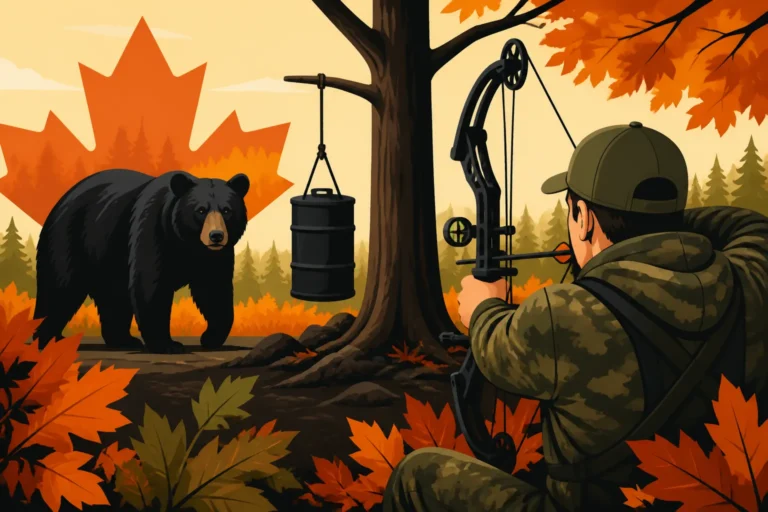
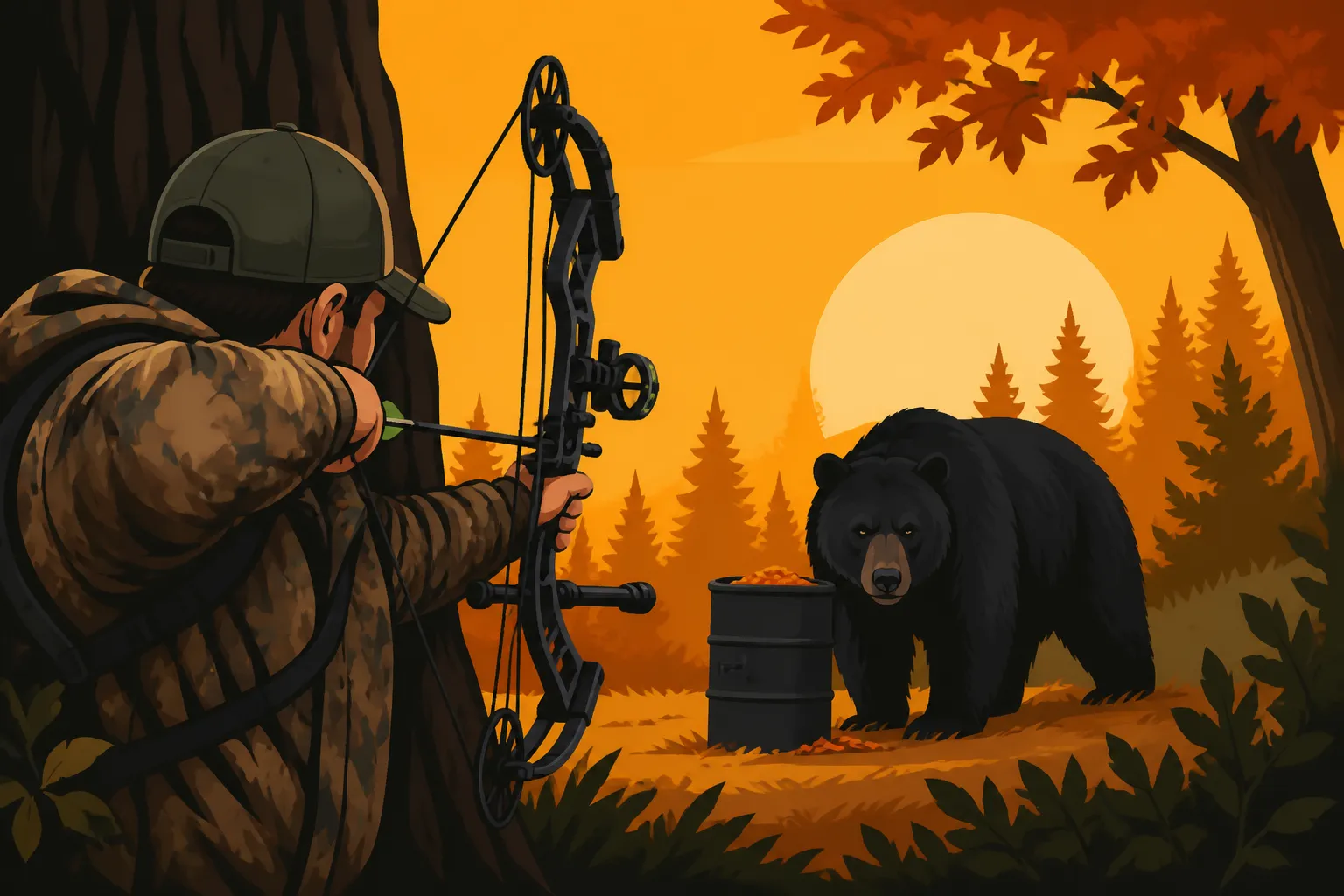
- Bait Containers: Use sturdy bait containers that force the bear to work for the food. This keeps them at the site longer and also prevents other critters from cleaning it out too quickly. Metal barrels with small holes or even heavy-duty culvert sections can work. Chain them down to a tree to prevent bears from dragging them off.
- Visual Attractants: While scent is primary, sometimes a visual cue helps. A bucket of bright red apples, for example, can catch a bear's eye even if the scent isn't overwhelming.
Remember, consistent effort and meticulous attention to detail are paramount. If you're looking for more general information on bear hunting, our guide on Black Bear Hunting in Ontario offers a great overview.
Strategies for Hunting a September Bait
Once your bait site is optimized for September, it's time to focus on the actual hunt. This isn't just about sitting there; it's about understanding bear movement, being incredibly stealthy, and knowing when to capitalize on an opportunity.
Timing Your Visits and Hunt Sessions
In September, bears can become more nocturnal, especially the older, bigger boars. This means your best hunting opportunities are often in the late afternoon and evening, right up until the last legal minutes of shooting light. While morning hunts can sometimes be productive, bears are more likely to visit bait under the cover of darkness after feeding on natural mast all day.
Limit your visits to the bait during the day. Every time you approach, you leave scent and potentially spook a bear. If you can, set up trail cameras a good distance from your bait, downwind, to monitor activity without disturbing the site. Reviewing these cameras can tell you exactly when bears are hitting the bait and their patterns of approach. This information is gold, helping you choose the precise time to be on stand.
When you do hunt, arrive at your stand or blind well before peak activity. I'm talking mid-afternoon, giving the woods time to settle down after your approach. Similarly, exiting your stand quietly and discretely after dark is crucial. If you spook a bear on your way out, it might be hesitant to return.
Unparalleled Concealment and Stealth
Because September bears are warier, your concealment and stealth need to be top-notch. This means everything from your stand placement to your choice of clothing and scent control.
- Stand/Blind Placement: Position your stand or blind downwind of the bait, considering prevailing winds. Choose a spot that offers good visibility of the bait but also provides sufficient cover to break up your silhouette. A sturdy tree stand or a well-brushed-in ground blind, as discussed in Sitting a Bear Bait From a Ground Blind, are excellent options. Make sure your shooting lanes are clear, but don't over-cut them, as this can reduce natural cover.
- Scent Control: This cannot be stressed enough. Shower with scent-free soap, wash your hunting clothes in scent-free detergent, and store them in airtight containers. Use scent-eliminating sprays on your boots and outer clothing before heading into the woods. Consider an ozone generator if you're serious about eliminating scent. Even then, paying close attention to wind direction is paramount.
- Quiet Entry and Exit: Plan your route to the stand carefully. Avoid noisy shortcuts. Trim branches and clear ground litter from your path beforehand to ensure a silent approach. Walk slowly and deliberately, constantly scanning for sign or movement. A good mapping app like GoHunt can help you plot these stealthy routes and mark potential bedding areas or travel corridors to avoid.
Patience, Persistence, and Ethical Considerations
Hunting over bait requires a tremendous amount of patience. You might sit for hours, days, or even a week without seeing a bear during legal shooting hours. Don't get discouraged. Remember that a bear can appear out of nowhere, so always be ready.
When a bear finally steps out, take your time to properly identify it. This is not the time to rush a shot. It's incredibly important to differentiate between a boar and a sow, especially one with cubs. Judging a Boar From a Sow With Cubs is a critical skill for ethical bear hunting. Look for physical characteristics: boars tend to have broader heads, smaller ears relative to their head size, and a more muscular, blocky build. Sows are often more slender with larger ears. If there’s any doubt, or if you see cubs, do not shoot.
Always take a clean, ethical shot. Aim for the vitals (heart/lungs). Practice with your firearm or bow beforehand to ensure you're confident in your shot placement at various distances you might encounter at your bait site.
| Characteristic | August/Early Season Baiting | September/Late Season Baiting |
|---|---|---|
| Bear Focus | Opportunistic feeding, establishing dominance, general foraging. | Intense pre-denning fattening, seeking high-calorie foods. |
| Primary Food | Berries (blueberries, raspberries), early greens, insect larvae. | Hard mast (acorns, beechnuts), chokecherries, late berries. |
| Bait Preference | Anything sweet and easily accessible. | Highly concentrated calories, greasy, strong-smelling baits. |
| Activity Pattern | More diurnal, frequent bait visits, less wary. | Increasingly nocturnal, warier, sporadic visits to bait. |
| Hunter Scent Impact | Less critical but still important. | Critically important; bears are more easily spooked. |
| Bait Site Location | Can be more isolated, focusing on bear density. | Must intercept natural travel routes to hard mast/bedding areas. |
| Hunting Strategy | Earlier starts, more frequent bait checks possible. | Late afternoon/evening focus, minimal disturbance. |
Dealing with the Unpredictable: Troubleshooting Your September Hunt
Even with the best planning, September bear hunting can throw curveballs. Bears are wild animals, and their behaviour is never 100% predictable. Knowing how to react when things don't go according to plan can make all the difference.
When Your Bait Goes Cold: What to Do
One of the most disheartening experiences for a bear hunter is when a previously active bait suddenly goes cold. The trail camera stops showing activity, and the bait sits untouched. This is almost always due to a new, abundant natural food source in the area.
- Scout, Scout, Scout (Again): Your first step is to get back into the woods and scout the surrounding area. Look for fresh bear sign – scat, tracks, rubbed trees – particularly in areas with hardwood stands. If you find a new, heavy concentration of acorns or beechnuts, you’ve likely found your answer. GoHunt can assist in identifying potential mast-producing timber.
- Move or Add a Satellite Bait: If you pinpoint a new food source that's pulling bears away, consider moving your existing bait closer to that area, or setting up a secondary "satellite" bait. This might mean starting fresh, but it's often more productive than stubbornly waiting at a defunct site. Be aware of the regulations around Baiting Black Bear in Ontario, especially concerning the number of baits or proximity to other hunting areas.
- Increase Scent and Appeal: If moving isn't an option, drastically increase the scent output and caloric density of your current bait. Use more potent attractants, fresh meat scraps (if legal), and plenty of high-fat, high-sugar items to compete with nature's bounty.
Identifying New Bears on Site
Sometimes, instead of your original bears, new ones might show up. This can be exciting but also requires careful observation. Are they smaller, younger bears? Or potentially a large boar pushing out others?
- Trail Camera Analysis: This is where your trail cameras truly shine. Study the images or videos to understand the size, sex, and habits of new bears. Are they coming in during daylight or exclusively at night? Do they seem skittish or confident? This intelligence helps you adjust your hunting strategy.
- Be Patient with Newcomers: If new bears are smaller, give them time, hoping a larger bear might eventually show up. If a big bear appears, adjust your hunting times and stealth tactics to match its patterns. Remember that What a Big Boreal Black Bear Weighs can be substantial, and these older animals are often the most cunning.
The Impact of Weather Changes
Weather plays a huge role in bear activity. A sudden cold snap, heavy rain, or even just a shift in temperature can alter their movements and appetite.
- Cold Fronts: A sharp drop in temperature can sometimes kick bears into a feeding frenzy as they feel the urgency to add more fat before winter. These can be prime hunting days, especially in the late afternoon.
- Rain and Wind: Heavy rain or strong winds can suppress bear movement, pushing them deeper into cover. However, lighter rain can sometimes cover your approach noise and wash away your scent, offering a good opportunity once the rain eases. Just make sure your gear is up to the task for Hunting a Cedar Swamp Edge or wet bush.
- Long-Term Forecasts: Pay attention to the long-range weather forecast. Plan your most intensive hunting efforts around favourable conditions.
Ultimately, hunting Black Bear Hunting in Ontario over bait in September is a challenge that rewards adaptability, diligent scouting, and extreme patience. It's not always easy, but the satisfaction of outsmarting a cunning September bruin is an experience you won't soon forget.
Disclaimer
Please ensure you consult the most current Ontario Hunting Regulations Summary for specific rules and season dates, as regulations can change. Always confirm local laws regarding baiting, hunting hours, and species identification before heading into the field. This guide is for informational purposes only and does not supersede official government regulations.