Accessible Blinds and Guides Who Offer Them
For many passionate hunters, the dream of heading out into the Ontario bush is a deeply ingrained part of their identity. However, for those living with mobility challenges or other disabilities, this dream can often feel out of reach, riddled with obstacles from rugged terrain to unsuitable equipment. This guide is here to shed light on how accessible hunting blinds and dedicated guides in Ontario are making it possible for more hunters to experience the thrill of the chase, offering practical advice and insights into making your accessible hunting trip a reality.
Understanding the Need for Accessible Hunting
Hunting, at its core, is about connection – connection with nature, with tradition, and often, with fellow hunters. But when physical barriers stand in the way, that connection can feel severed, leaving many feeling excluded from a pastime they cherish.
The Barriers Faced by Hunters with Disabilities
Let's be honest, Ontario's hunting landscape, as beautiful as it is, isn't always designed with accessibility in mind. Think about it: deep woods with uneven ground, thick underbrush, steep inclines, and remote locations. For someone relying on a wheelchair, crutches, or with limited stamina, these aren't just inconveniences; they're often insurmountable walls.
Traditional hunting stands and blinds, while functional for many, present their own set of challenges. Most elevated box blinds require climbing ladders, which is simply not an option for hunters with significant mobility limitations. Even ground blinds can be tricky, with narrow doorways, insufficient interior space for adaptive equipment, or uneven flooring that makes maneuvering difficult. The frustration isn't just about missing a shot; it's about the entire experience, from getting to the hunting spot to comfortably waiting for game, feeling restricted and disheartening. It’s a constant battle against physical limitations that can overshadow the joy of the hunt itself.
The Importance of Inclusive Hunting Opportunities
The desire to hunt, to provide for oneself or one's family, and to participate in a cherished outdoor tradition doesn't diminish because of a disability. In fact, for many, the therapeutic benefits of being in nature and engaging in a focused activity like hunting can be even more profound. Providing inclusive hunting opportunities isn't just about fairness; it's about recognizing the inherent value and spirit of every hunter.
When the hunting community embraces accessibility, it enriches everyone. It fosters a more diverse and supportive environment, breaking down stereotypes and proving that the outdoors truly is for all. Imagine the pride and satisfaction of a hunter who, despite physical challenges, successfully harvests an animal from an accessible blind, guided by someone who understands their specific needs. These experiences aren't just personal triumphs; they are powerful statements about resilience and the enduring spirit of hunting. There's a growing movement to ensure that opportunities exist for everyone, allowing them to experience the quiet solitude of a morning hunt or the adrenaline rush of a well-placed shot.
What Makes a Hunting Blind "Accessible"?
When we talk about accessible hunting blinds, we're not just talking about throwing a ramp on a regular blind. It’s about thoughtful design that considers the hunter's experience from entry to exit and throughout their time inside.
Design Features of Accessible Blinds
An accessible hunting blind is designed from the ground up to eliminate physical barriers. First and foremost, entry and exit need to be effortless. This often means a wide, low-incline ramp or a completely flat, ground-level entrance, easily accommodating wheelchairs, walkers, or individuals with limited leg mobility. Doorways are wider than standard, allowing easy passage with equipment.
Inside, space is key. There needs to be ample room for a wheelchair to turn a full 360 degrees, allowing the hunter to position themselves for shots in any direction without feeling cramped or restricted. Windows are another critical feature, often designed as long, horizontal openings that can be opened and closed quietly and positioned at a height suitable for someone seated, whether in a wheelchair or on a low bench. Some advanced accessible blinds even incorporate features like silent pulley systems for windows, heating units for comfort during cold Ontario hunts, and even interior lighting. Sitting All Day in an Ontario Blind becomes much more feasible when the setup is truly comfortable and functional. Materials are often sturdy and quiet, minimizing creaks or groans that could spook game.
Ground-Level vs. Elevated Accessible Options
The choice between a ground-level or a specially designed elevated accessible blind often depends on the terrain, the type of hunting, and the specific needs of the individual.
-
Ground-Level Accessible Blinds: These are typically the most common and often the easiest to implement. They offer a completely flat entry, often just a few inches off the ground, or a very gentle slope. This eliminates any need for ramps or stairs, making them ideal for hunters with severe mobility limitations. They blend into the landscape, often camouflaged to appear like natural features or small outbuildings. They're excellent for hunting deer moving through open fields or along bush edges, where a low profile is beneficial. However, visibility might be slightly more restricted than an elevated stand, and scent control can be a bigger challenge. You might find yourself Hunting a Standing Corn Field Edge or Hunting a Fencerow Between Two Fields from such a setup.
-
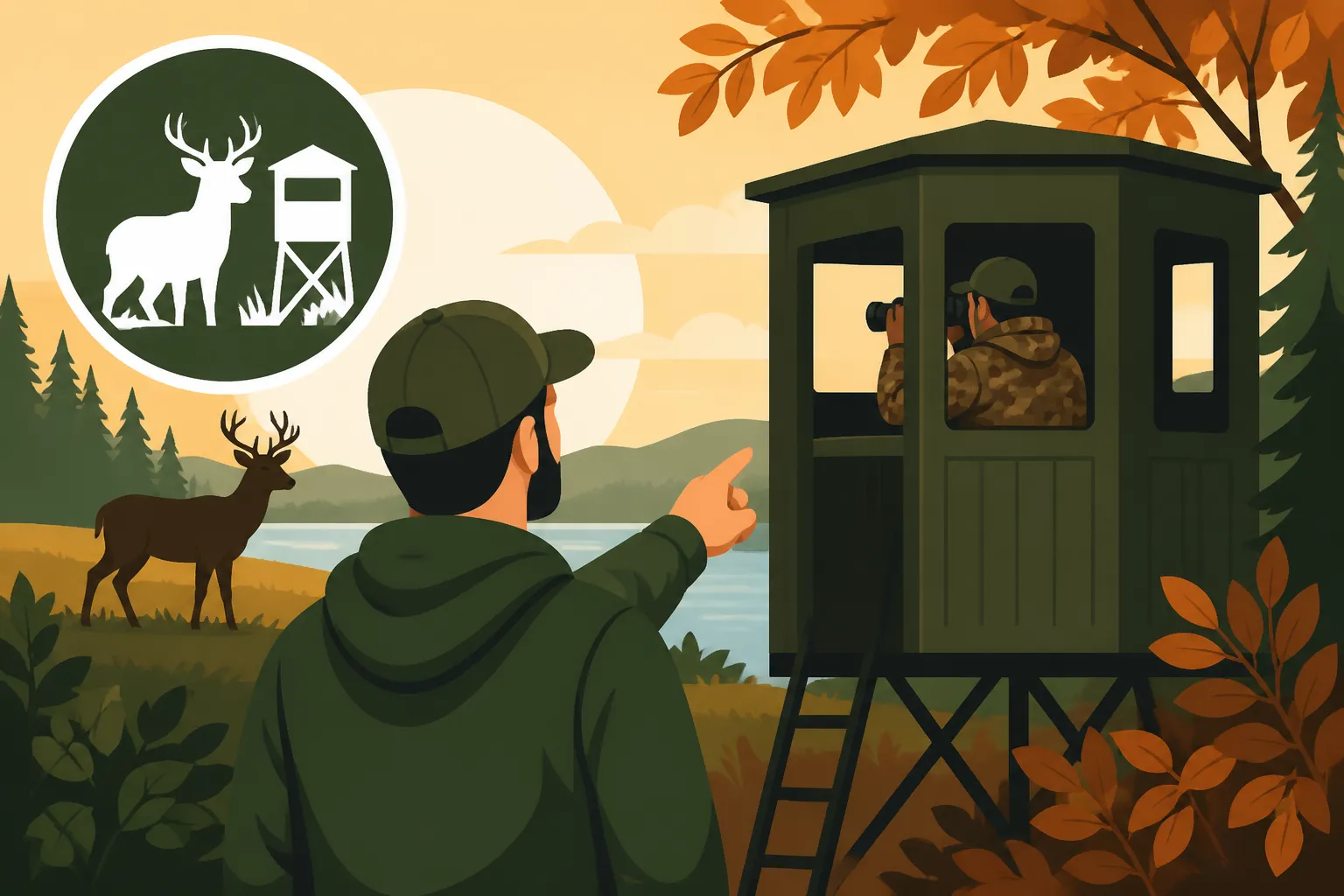
Elevated Accessible Blinds: These are more complex but offer significant advantages, particularly for visibility and scent dispersal. Imagine a spacious box blind, but instead of a ladder, it features a long, gentle ramp leading up to a wide, sturdy platform. Some might even have specialized lift systems, though these are less common for remote hunting camps. The elevated position gives a commanding view of the surrounding area, allowing hunters to spot game from a distance and make ethical shot selections. Scent is carried away from the ground, reducing the chances of deer winding you. However, the construction and maintenance of such a ramp or lift system can be more involved, and finding locations with suitable terrain to build them might be limited. They can be particularly effective when Hunting a Hardwood Ridge for Whitetails or overlooking a clearing.
Ultimately, both options provide vital access. The best choice often comes down to a conversation with your outfitter about the specific hunting scenario and your individual requirements.
Finding Guides and Outfitters Offering Accessible Hunts in Ontario
It's one thing to know accessible options exist, and another to find them. The key is knowing what to ask and where to look. Ontario's hunting community is growing in its understanding and support for accessible opportunities.
Questions to Ask Potential Outfitters
When you're planning an accessible hunt, don't just ask "Do you have accessible blinds?" Dig deeper. Here’s a list of crucial questions to ask:
- Specific Accommodations: "Can you describe your accessible blinds in detail? What are the dimensions, entry methods (ramp angle, width), and window heights? Can a wheelchair turn 360 degrees inside?"
- Guide Experience: "Have your guides worked with hunters with similar mobility challenges before? What kind of assistance can they provide in the field, from transportation to blind setup, tracking, and game retrieval?" Look for experience and genuine empathy.
- Terrain and Access: "How do we get to and from the blinds? Is the path paved, gravel, or through rough bush? What type of vehicle is used for transport to ensure it can accommodate my equipment?" This is critical for assessing the actual ease of access to the blind itself.
- Camp Accessibility: "Is your lodging, dining area, and washroom facilities also accessible? Are there grab bars, roll-in showers, and wide doorways?" The hunt isn't just about the blind; it's the entire experience.
- Meat Care and Processing: "Once an animal is harvested, what is the procedure for field dressing and getting it out? Can your guides assist fully with this, ensuring proper Meat Care in Ontario's Warm Early Seasons or colder weather?"
- Success Rates and Expectations: "What are your realistic success rates for accessible hunts for the species I'm interested in? What can I reasonably expect in terms of shot opportunities?" It’s important to manage expectations and ensure the outfitter is honest.
- Emergency Preparedness: "What are your emergency procedures for a hunter with a disability in a remote location? Do your guides have first aid training relevant to my needs?" This is paramount for safety.
Don't be shy about asking for photos or videos of their accessible setups. A reputable outfitter will be happy to provide this and answer all your questions thoroughly. They should understand that transparency is key to a successful accessible hunt.
Specialized Programs and Resources
While a comprehensive, province-wide directory of accessible hunting opportunities might not exist in one place, various organizations and platforms are working towards this. Many hunting associations and disability advocacy groups in Ontario maintain lists of outfitters or run programs specifically for disabled hunters. These groups can be invaluable resources for connecting you with services that truly understand and cater to your needs.
When looking for options, commercial platforms like BookYourHunt or GoHunt are becoming increasingly useful. While they might not have a dedicated "accessible hunt" filter in all cases, their detailed outfitter profiles often include descriptions of camp facilities, hunting methods, and sometimes even specific mention of ADA-compliant (or similar standard) accommodations or blinds. You can often reach out directly to outfitters listed on these platforms with your specific questions, knowing they are generally geared towards catering to a diverse clientele. Look for outfitters who explicitly market their services as inclusive or have sections on their website dedicated to accessibility.
Types of Game Available for Accessible Hunts
The good news is that many popular game species in Ontario can be pursued from accessible blinds, provided the outfitter has the right setup and experienced guides.
- White-tailed Deer: This is one of the most common species targeted in accessible hunts. Deer are often found in areas with agricultural fields, forest edges, or food plots where ground-level blinds can be strategically placed. Hunting Deer in Southern Ontario Farmland or along Hunting a Cedar Swamp Edge are prime examples where accessible blinds can be highly effective.
- Black Bear: Bear baiting, which is legal in Ontario, lends itself incredibly well to accessible hunting. Hunters can be set up in comfortable, spacious ground blinds overlooking a bait site. This removes the need for extensive travel or stalking, allowing the hunter to wait patiently for the bear to arrive. Baiting Black Bear in Ontario and Hunting Bear Over a September Bait are perfect scenarios for accessible blinds.
- Wild Turkey: Spring turkey hunting, particularly from a blind, can also be adapted for accessibility. A well-placed ground blind can offer excellent concealment while waiting for a gobbler to come into range. This is often done by Calling a Gobbler Off an Ontario Roost or using decoys.
- Waterfowl: Duck and goose hunting from fixed blinds in fields or marsh edges can also be made accessible. Layout blinds, while effective, might be challenging, but larger, permanent blinds with ramp access can be excellent for field hunting geese or marsh hunting ducks. Field Hunting Geese in Ontario Stubble is a classic example where a well-placed blind can make all the difference.
While moose hunting might be more challenging to adapt due to the rugged terrain and typically mobile nature of the hunt, it's not impossible if an outfitter has specific strategies, such as hunting from a stationary point overlooking a known travel corridor or a Hunting Moose Around an Ontario Beaver Pond with suitable blind access. The key is matching the game species, the hunting method, and the outfitter's accessible infrastructure to your needs.
Planning Your Accessible Ontario Hunting Trip
Planning any hunting trip requires attention to detail, but an accessible hunt calls for even more meticulous preparation to ensure comfort, safety, and success.
Pre-Trip Planning and Preparation
First, have a candid conversation with your medical team. Discuss your physical capabilities, any limitations, and potential risks associated with a hunting trip in a potentially remote environment. Get clearance and any necessary recommendations.
Next, compile a comprehensive list of your adaptive equipment. This isn't just your mobility aids, but also any specialized hunting equipment that might enhance your experience. Communicate these needs clearly with your chosen outfitter. For example, if you use a specific shooting rest or adaptive trigger mechanism, ensure the blind can accommodate it. You’ll also need to consider your hunting gear – clothing for varying Ontario weather, personal items, and any medications.
Travel logistics are another big piece of the puzzle. If you're coming from out of province, you’ll need to understand the rules for Bringing Firearms Into Ontario and the process for Declaring a Firearm at the Canadian Border. Make sure your firearm is legal for big game in Ontario and that you have all the necessary permits and documentation for its transport. Many hunters find it useful to fill out the Non-Resident Firearm Declaration form in advance to speed up the border crossing. Don't forget your Ontario Hunting Licences and What They Cost and any tags you’ll need.
On-Site Support and Logistics
Once you arrive at camp, the coordination with your guide becomes paramount. They should be well-versed in assisting hunters with disabilities, from helping with transfers to blinds, positioning your equipment, and providing support during the hunt itself. Ensure there’s a clear plan for daily transportation to and from the hunting spots. This might involve ATVs, specialized vehicles, or even boats, depending on the location and the outfitter. Knowing your ATV Rules on Ontario Crown Land can be helpful if self-driving.
Should you be successful, game retrieval and processing are crucial steps. Discuss with your guide beforehand how they will assist with field dressing, especially if the animal is taken in a challenging location. Knowing that your guide is capable and prepared to handle this aspect is a huge relief. They should also have a plan for transporting the meat back to camp and ensuring it's properly cared for, especially in warmer early season conditions. Many outfitters have arrangements with local butchers for processing, or cold storage facilities at camp. Remember to discuss your needs for Getting a Non-Resident Export Permit if you're taking your harvest back across the border.
Finally, consider the overall camp environment. Are the pathways to dining areas and other facilities clear and accessible? Is the camp staff aware of your specific needs? A well-organized and truly accessible hunt camp ensures that your entire experience, not just the time in the blind, is comfortable and enjoyable. It's about more than just the hunt; it's about the camaraderie and the memories made in a place where everyone feels welcome.
| Feature | Ground-Level Accessible Blind | Elevated Accessible Blind (with Ramp/Lift) |
|---|---|---|
| Entry/Exit | Flat threshold or very low-incline ramp; widest doorways | Gentle, wide ramp or specialized lift system; widest doorways |
| Interior Space | Ample room for 360-degree wheelchair rotation | Ample room for 360-degree wheelchair rotation |
| Window Height | Adjustable or fixed at seated eye-level | Adjustable or fixed at seated eye-level, often with wider view |
| Visibility | Good, but potentially limited by close-range cover | Excellent, commanding views over wider areas, better for spotting |
| Scent Control | Requires strict personal scent management and wind awareness | Elevated position aids in scent dispersal, reducing detection |
| Terrain Suitability | Versatile, but best on relatively flat ground | Can be placed in varied terrain if engineered properly |
| Comfort Features | Often insulated, quiet, sometimes heated | Often insulated, quiet, sometimes heated |
| Cost/Complexity | Generally less complex and costly to build/maintain | More complex construction, higher cost, potential for mechanical issues |
Disclaimer
This article is for general informational purposes only and does not constitute professional advice. Laws, prices and regulations vary by location and change over time. Consult a qualified professional for guidance on your specific situation.