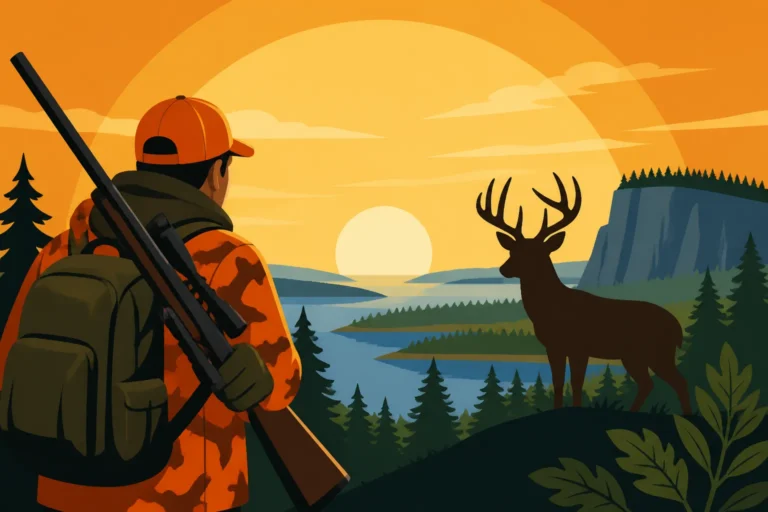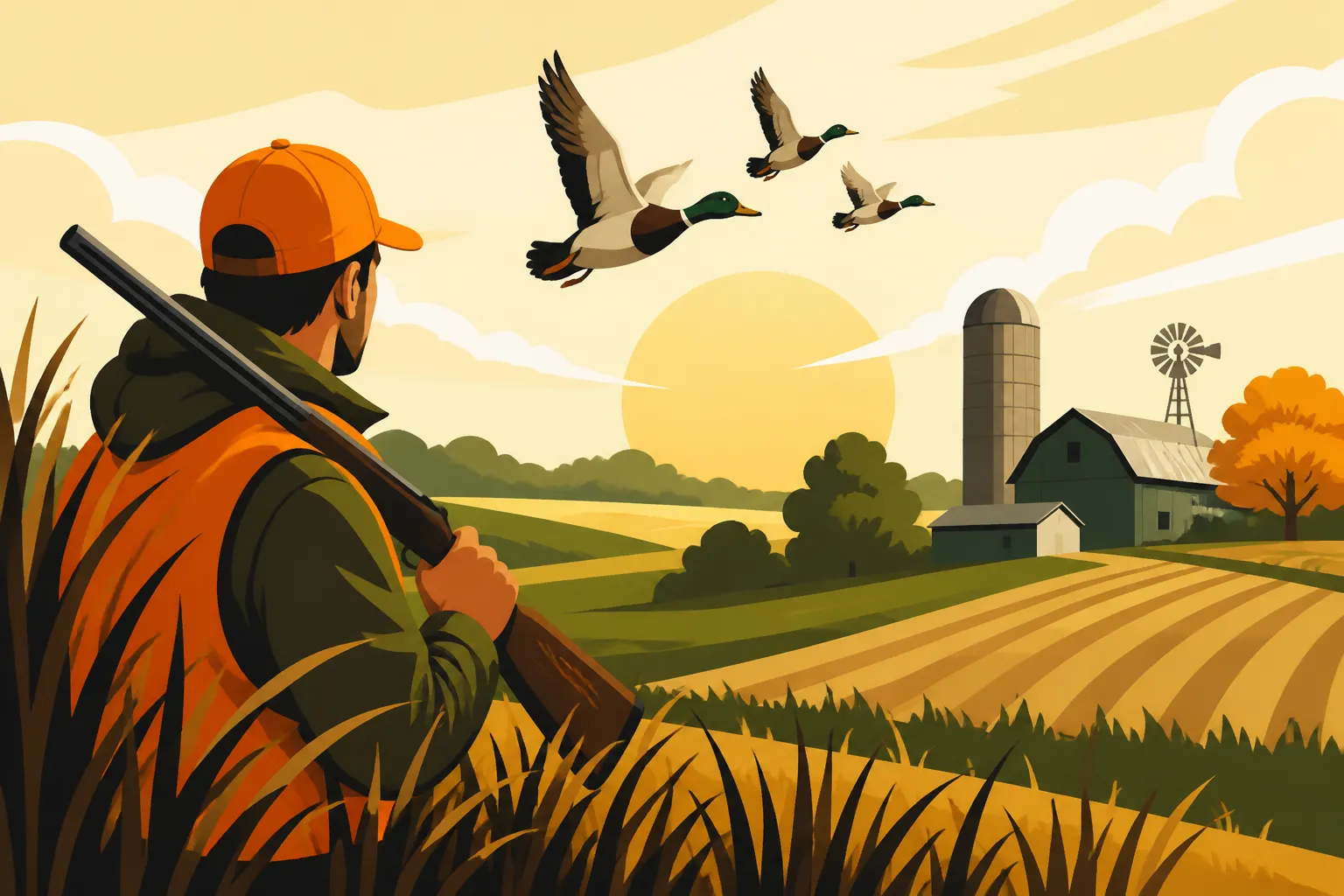
Hunting Southern Ontario Farm Country
Many hunters mistakenly believe that Southern Ontario, with its sprawling farms and growing towns, is a lost cause for hunting. They might look at the manicured fields and busy roads and think there's no wild game left, or that finding a place to hunt is simply impossible. This couldn't be further from the truth. This comprehensive guide will equip you with the knowledge and strategies to unlock the surprising hunting opportunities hidden within Ontario's rich agricultural landscape, proving that success is absolutely attainable for those willing to learn its unique nuances.
The Unique Challenges and Rewards of Southern Ontario Farm Country Hunting
Hunting in Southern Ontario's farm country is a different beast entirely than trekking through the vast northern bush. It presents a distinct set of challenges, from navigating private land access to understanding how game utilizes fragmented habitats. Yet, for those who embrace these differences, the rewards can be incredibly satisfying, offering unique experiences and often, fantastic success.
Overcoming the Perception of "No Hunting"
It's a common refrain: "Southern Ontario is all houses and fields now, there's no hunting left." This perception often deters new hunters or those accustomed to large tracts of Crown land. You might feel a pang of frustration driving past endless cornfields, wondering where on earth a deer would hide, let alone a flock of turkeys. The truth is, while development is undeniable, there are still countless pockets of prime habitat tucked away between farms, along river systems, and in small woodlots that go unnoticed by the casual observer. These areas might not be wilderness, but they are absolutely teeming with game. The challenge isn't that there's no hunting, but rather that finding it requires a different approach and a little more legwork than in other regions. It's about shifting your mindset from expansive wilderness to targeted, intimate parcels of land.
The Advantages of Agricultural Environments for Game
Despite the human footprint, agricultural landscapes are often a veritable buffet for many game species, especially whitetail deer. Think about it: vast fields of corn, soybeans, and alfalfa provide an endless supply of high-energy food. This abundance directly translates to healthier animals, stronger fawns, and bucks with impressive antler growth. Beyond the food, the mixture of crop fields, fencerows, small woodlots, and wetlands creates an incredibly diverse habitat mosaic. Deer can feed in the open fields under the cover of darkness, then retreat to the safety of a dense bush lot or a thick cedar swamp during the day. Waterfowl find refuge and food in flooded fields and natural marshes, while turkeys glean leftover grains and find secure roosting sites. This concentrated food and cover, often in close proximity, means that game doesn't have to travel far, making their movements more predictable once you understand the lay of the land.
The Satisfaction of a Hard-Earned Farm Country Harvest
There's a special kind of pride that comes with successfully hunting Southern Ontario farm country. It’s often not about traversing untouched wilderness, but about outsmarting game in a landscape shared closely with humans. It demands patience, meticulous scouting, and often, superb interpersonal skills to secure permission. When you finally connect with an animal in these conditions – perhaps a heavy-bodied whitetail buck that has spent its life navigating the nuanced edges of civilization, or a wise old tom turkey that has eluded countless hunters – the sense of accomplishment is profound. It’s a testament to your dedication, your ability to adapt, and your respect for both the game and the landowners who grant you access. These hunts are often intensely personal, rooted in a deeper connection to a specific piece of land and the families who farm it.
Understanding the Landscape: Beyond the Plowed Fields
Southern Ontario's landscape is far more complex than a simple patchwork of fields. To hunt it effectively, you need to understand how all the different elements – from the smallest fencerow to the deepest swamp – interconnect and influence game movement and behaviour. It's a puzzle, and unlocking it is key to success.
Decoding the Farm-Bush-Swamp Matrix
Imagine flying over Southern Ontario farm country. You'd see vast, cultivated fields, yes, but also a intricate web of other features: small, irregular woodlots, dense cedar swamps, meandering creek bottoms, and thick hedgerows dividing properties. This "matrix" of habitats is crucial. Deer, in particular, utilize these features for everything from feeding to bedding and escape. They might bed down deep within a dense swamp during the day, then emerge into an adjacent cornfield to feed at dusk. A narrow strip of bush along a creek could be a major travel corridor linking two larger woodlots. Understanding these connections, and how game uses them throughout the day and across seasons, is fundamental. It's not just about one field or one bush; it's about the entire interconnected system and how deer flow through it. You're looking for the pinch points, the funnels, and the transition zones where these different habitat types meet.
The Role of Woodlots and Bush Edges
Woodlots, often remnants of original forests or replanted areas, are the lifeblood of big game in Southern Ontario. These can range from a few acres of mixed hardwoods to dense, multi-acre stands of conifer. They provide vital thermal cover during harsh winters, offer secure bedding areas away from human disturbance, and act as safe havens during hunting pressure. The edges of these woodlots, where they meet a crop field or a fencerow, are particularly critical. These "bush edges" are high-traffic zones where deer often stage before entering fields or browse on succulent plants. A stand hung carefully along Hunting a Bush Edge can be incredibly productive, catching deer as they transition from cover to feed. It's not just the big woods, either; even a small, thick brushy island in the middle of a field can hold a savvy buck, using it as a daytime sanctuary before moving to feed.
Wetlands, River Valleys, and Water Sources
Don't overlook the wet spots! Southern Ontario is crisscrossed by numerous rivers, streams, and low-lying wetland areas. These features are indispensable for game. River valleys often contain dense, undisturbed cover, providing ideal travel corridors and bedding for deer. Beaver ponds and cattail marshes are magnets for waterfowl, drawing ducks and geese looking for food and sanctuary. They also serve as natural barriers, funnelling deer movement to specific crossings. A classic example is a Hunting a Beaver Meadow Crossing, where deer will naturally choose the path of least resistance. These water features are also critical for hydration, especially during dry periods, making them natural gathering points for all manner of wildlife. Even small farm ponds can offer surprisingly good hunting for waterfowl or provide crucial water for deer during a dry fall.
Key Game Species in Southern Ontario's Agricultural Mosaic
While Northern Ontario is famous for moose and bear, Southern Ontario's farm country shines for other species, offering fantastic opportunities for dedicated hunters. The abundance of food and cover allows many species to thrive, sometimes even growing larger than their northern counterparts.
Whitetail Deer: The Dominant Big Game
Without a doubt, whitetail deer are the kings of Southern Ontario farm country. The combination of abundant agricultural food sources and fragmented but rich cover allows deer populations to flourish and individuals to reach impressive sizes. You'll often hear hunters remarking on Why Southern Ontario Grows Heavy Bucks, and it's largely due to this incredible diet. Bucks in these areas can carry significant body weight and grow impressive racks, fueled by a consistent intake of corn, soybeans, alfalfa, and natural browse. They are masters of adapting to human presence, often becoming almost nocturnal in their movements, especially near populated areas. Hunting these deer requires understanding their patterns – when they move from bed to feed, how they use the fencerows and woodlots for cover, and how to approach them stealthily in environments where sightlines can be limited by crops or dense bush.
Wild Turkeys: Thriving in the Farm Belt
The reintroduction and subsequent spread of wild turkeys throughout Southern Ontario is a conservation success story, and they now thrive in many agricultural areas. Turkeys find ample food in grain fields, picking up scattered corn and beans, and roost securely in mature hardwood trees within woodlots. Both spring and fall seasons offer excellent hunting. In spring, calling a gobbler off the roost in a woodlot bordering a field is an exhilarating experience. For fall, it's a different game, often focusing on breaking up flocks and then calling them back. Hunting the Fall Turkey Season With a Bow can be a particularly rewarding challenge, requiring close-range setups and perfect camouflage. Look for them along field edges, in open woodlots, and around old farmsteads where food and cover are plentiful.
Waterfowl and Small Game Opportunities
Southern Ontario's agricultural lands, especially those near the Great Lakes or major river systems, offer incredible waterfowl hunting. Fields of cut corn and other grains are irresistible to migrating Canada geese, making Hunting Canada Geese on Ontario Farmland a prime target for many hunters. Layout blinds in stubble fields, combined with realistic decoy spreads, can yield fantastic results. Ducks, too, frequent the farm ponds, flooded fields, and wetlands often found amidst agricultural properties. Beyond the birds, small game like cottontail rabbits and snowshoe hare thrive in the dense fencerows, brush piles, and small thickets that dot the landscape. Rabbit and Hare Hunting in Ontario with a good dog can be a fun and active way to enjoy the colder months. Coyotes are also abundant, offering year-round predator hunting opportunities that can contribute to local deer fawn survival.
Gaining Access: The Cornerstone of Southern Ontario Hunting
Unlike Crown land hunting in the north, where access is generally open, hunting Southern Ontario farm country almost entirely revolves around securing private land permission. This is arguably the most crucial, and sometimes the most challenging, aspect of hunting in these areas. It's a skill unto itself, demanding respect, perseverance, and good communication.
The Art of Knocking on Doors and Building Relationships
This is where the rubber meets the road. Successful farm country hunters become masters of connecting with landowners. It starts with respect – dress presentably, be polite, and choose your timing carefully (not during harvest or Sunday dinner!). Approach farmers with a genuine offer to help manage wildlife or address crop damage, rather than just asking for a place to shoot. Be prepared to introduce yourself, explain your intentions clearly, and show that you are a responsible, ethical hunter. Offering to help with chores, sharing game meat, or simply maintaining open communication throughout the year can solidify a relationship. Remember, you're not just asking for access; you're often asking for a favour and the privilege of being on someone's livelihood. Asking an Ontario Landowner for Permission is a skill that takes practice, but the long-term relationships you build are worth their weight in gold.
Leveraging Technology for Scouting and Landowner Research
In today's age, technology is an indispensable tool for securing and managing private land access. Apps like onX Hunt and GoHunt can be absolute game-changers. These platforms allow you to overlay property lines on satellite imagery, identify specific landowners, and sometimes even find contact information. Before you even set foot on a property, you can use these tools to scout potential access points, identify promising habitat features like woodlots, swamps, and field edges, and understand the property boundaries. This preparation allows you to approach a landowner with an informed request, showing you've done your homework and are serious about responsible hunting. When you're talking to a farmer, being able to point to a specific woodlot on a map and explain why you think it holds deer demonstrates your professionalism and respect for their land. Scouting With Satellite Imagery in Ontario is no longer a luxury, but a necessity.
Understanding Public Access and Managed Lands
While private land dominates Southern Ontario, there are pockets of public access that shouldn't be overlooked. Conservation Authority lands, municipal forests, and specific provincial parks may offer hunting opportunities. However, these are often subject to strict regulations, limited seasons, or specific draws. Always check with the local Conservation Authority or municipal office for their specific rules and available areas. For instance, Hunting a Conservation Authority Property might involve designated hunting zones, sign-in procedures, or a specific permit. These areas can sometimes see higher pressure due to their accessibility, but they can still be productive, especially during off-peak times or for smaller game species. Always research thoroughly, as hunting prohibitions are common in some of these publicly managed areas, and boundaries must be respected meticulously.
Strategic Hunting Approaches for Farm Country Success
Hunting in Southern Ontario farm country demands specific tactics tailored to its unique blend of open fields and dense cover. Generic strategies designed for vast wilderness might fall flat here. Success hinges on understanding how game utilizes these fragmented habitats and adapting your approach accordingly.
Hunting Field Edges and Transition Zones
The edges where a crop field meets a woodlot, a fencerow, or a swamp are often the most productive spots in farm country. Deer will typically stage in cover before entering a field to feed, often lingering along the edge in the low light of dawn and dusk. Setting up a stand or ground blind on these "transition zones" allows you to intercept them as they move. Consider prevailing winds, sun direction, and the most likely entry/exit points from the cover. For example, Hunting a Standing Corn Field Edge can be incredibly effective, especially in the early season when corn provides both food and cover, allowing deer to move relatively unseen. As the corn is harvested, deer patterns will shift, making scouting and adaptability crucial. Pay attention to fresh tracks, rubs, and scrapes along these edges, as they will tell you exactly where deer are active.
Still Hunting and Driving Small Woodlots
Still hunting – moving slowly and deliberately through the woods, pausing frequently to observe – can be highly effective in smaller, dense woodlots common in Southern Ontario. It requires patience and a keen eye to spot subtle movements or shapes that don't belong. Focus on moving into the wind and using available cover to break up your silhouette. For larger woodlots or those with multiple hunters, carefully planned "deer drives" can be very productive. Deer Drives With Three or Four Hunters can be used to push deer from thick cover towards standers positioned along likely escape routes or natural funnels. The key to a successful drive is excellent communication, understanding the terrain, and precise placement of both drivers and standers to ensure safety and maximize efficiency. Always prioritize safety, especially when hunting with a group, and ensure everyone knows the plan and their responsibilities.
Elevated Stands and Blinds: Maximizing Vantage Points
Given the often-dense cover and the need for stealth in farm country, elevated stands and ground blinds are essential tools. A well-placed tree stand offers a higher vantage point, allowing you to see over brush and crops, detect game movement earlier, and often helps your scent dissipate above a deer's nose. When Hanging a Stand on an Ontario Bush Edge, consider factors like prevailing wind, sun angle, and the specific travel corridors deer are using. For areas where suitable trees are scarce or in open fields, a pop-up ground blind can be an excellent alternative. It provides concealment, breaks up your silhouette, and can be set up quickly. Just be sure to brush it in naturally to help it blend with the environment, and if possible, set it up a few weeks before your hunt to allow deer to become accustomed to its presence.
Essential Gear and Preparedness for Southern Ontario Hunts
Just like any hunt, heading out into Southern Ontario's farm country requires specific gear and a mindset of preparedness. The environment, while not as remote as the far north, still demands attention to detail when it comes to what you wear, what you carry, and how you stay safe and comfortable.
Clothing and Footwear for Varied Conditions
Southern Ontario weather can be notoriously unpredictable, especially during the fall hunting seasons. Layering is paramount: start with moisture-wicking base layers, add insulating mid-layers, and top it off with a waterproof and windproof outer shell. Early season hunts might be warm, while late November or December can bring snow and freezing temperatures. Durable, waterproof boots with good ankle support are a must, as you'll often be walking through damp fields, muddy trails, or shallow water in swampy areas. Don't forget your Ontario Blaze Orange Requirements; wearing the correct amount of blaze orange is not just a legal obligation but a critical safety measure, particularly when other hunters might be in the vicinity or if you're participating in a drive. Gloves, a warm hat, and face coverings are also crucial for comfort and concealment.
Firearms and Archery Equipment Considerations
The type of firearm or archery equipment you choose will largely depend on the species you're pursuing and the local regulations of your Wildlife Management Unit (WMU). In many Southern Ontario WMUs, especially those closer to urban centres, there are restrictions on rifle use, often requiring shotguns with slugs or muzzleloaders. It's vital to know Where Shotguns Only Are Allowed and plan accordingly. For archery, ensure your bow is properly tuned and you're proficient with broadheads. Shot placement is always critical, but in fragmented farm country where a wounded animal can quickly disappear into thick cover or onto private land, it's even more so. Scent control is also paramount. With game often living in close proximity to humans, they can be highly sensitive to foreign odours. Use scent-eliminating sprays, wash hunting clothes in unscented detergents, and store them properly.
Navigation, Communication, and Safety Gear
Even in relatively populated areas, it's surprisingly easy to get turned around in a dense woodlot or a vast field system, especially in low light. A reliable GPS unit or a smartphone with a mapping app like onX Hunt is indispensable for knowing your location, tracking your movements, and identifying property boundaries. While cell service is generally better in Southern Ontario, don't assume you'll have it everywhere; carrying a small, powerful external battery pack for your phone is a smart move. Always inform someone of your hunting plans, including your general location and expected return time. A basic survival kit, including a first-aid kit, a whistle, a fire starter, and a small flashlight or headlamp, should always be in your pack. Safety is always paramount, and being prepared for minor emergencies ensures a more enjoyable and responsible hunt.
Respecting the Land, the Law, and the Community
Hunting in Southern Ontario's farm country means operating in close proximity to homes, towns, and agricultural operations. This brings with it an elevated responsibility to respect the land, adhere to all laws, and act as an exemplary ambassador for the hunting community. Your actions directly reflect on all hunters.
Ontario Trespass Laws and Ethical Conduct
Understanding and strictly adhering to Ontario's trespass laws is non-negotiable. Hunting on private land without explicit permission is illegal, unethical, and can severely damage the reputation of all hunters. You must know What Ontario Trespass Law Requires and always obtain permission before you step foot on any private property, even to retrieve game. Always carry your written permission with you if possible. Beyond the law, ethical conduct extends to respecting property boundaries, avoiding damage to crops or fences, closing gates, and packing out everything you pack in. Leaving garbage or damaging property is a surefire way to lose hunting privileges for yourself and potentially for other hunters in the future. Treat every property as if it were your own, and then some.
Public Perception and Hunter Responsibility
Living alongside a non-hunting public means that hunters in Southern Ontario are constantly under scrutiny. Being a good ambassador for hunting means acting responsibly, courteously, and safely at all times. This includes being mindful of noise, especially early in the morning or late in the evening. Don't drive carelessly on farm lanes or create unnecessary commotion. Ensure your firearms are always handled safely and legally, especially when transporting them in public view. Engaging positively with landowners and non-hunters, answering questions respectfully, and showcasing responsible behaviour can go a long way in shaping public opinion. Your actions, positive or negative, contribute to the broader image of hunting in Ontario. We all share a common responsibility to ensure that hunting is seen as a legitimate, valuable, and ethical activity.
Proper Game Handling and Reporting
After a successful harvest, proper game handling is crucial, both for ethical reasons and for food safety. Field dress your animal quickly and cleanly, ensuring the meat cools down as fast as possible, especially during warmer early seasons. Have a plan for getting the animal out of the field, whether it's with a deer cart, an ATV (with permission), or good old-fashioned dragging. Once the animal is out, respect the landowner's property by cleaning up any mess. All harvested big game, and often other species, must be reported to the Ministry of Natural Resources and Forestry (MNRF). Understanding Reporting Your Ontario Harvest and diligently completing this step is a legal requirement and contributes vital data to wildlife management efforts. Always ensure you have the necessary tags attached and that evidence of sex is retained as required by law during transport.
Seasonal Considerations and Adapting Your Approach
Southern Ontario offers hunting opportunities across multiple seasons, each with its own nuances and demands. Understanding how deer and other game change their patterns from the early warmth to the late winter chill is essential for consistent success. Adapting your strategy to the specific time of year will significantly increase your chances.
Early Season: Summer Patterns and Acorn Drops
The early archery season, typically starting in late September, can be fantastic in Southern Ontario. Deer are still largely on their predictable summer feeding patterns, moving between bedding cover and abundant food sources like alfalfa fields, soybean fields, and especially burgeoning acorn crops. A mature oak woodlot can be an absolute magnet for deer when What Acorn Crops Do to Ontario Deer are falling. Scouting during late summer will reveal these patterns, allowing you to set up stands along travel corridors leading to or from these prime feeding areas. The main challenge in the early season is often warm weather, which means more attention to scent control and quick game retrieval to preserve meat quality. Bugs can also be a factor, so bring repellent.
The Rut: Peak Action in November
November is the month every whitetail hunter eagerly anticipates, as it marks the peak of the rut in Southern Ontario. This is when bucks are actively searching for does, often throwing caution to the wind and moving at all hours of the day. Their predictable summer patterns break down, replaced by more erratic, searching movements. Focus your efforts on known travel corridors, pinch points between woodlots, and areas with fresh rub lines and scrapes. Calling, such as rattling and grunting, can be incredibly effective during this period. Hunting the Rut in Early to Mid November often means sitting longer in your stand, as a cruising buck could appear at any moment. This is also a prime time for small drives in thick cover, as bucks might be holed up near does they are tending.
Late Season: Snow, Yard-Ups, and Persistence
As November gives way to December and colder temperatures, the late season brings its own set of challenges and rewards. With crops harvested, deer often shift their focus to more reliable food sources like remaining corn, browse in woodlots, or even standing winter wheat fields. Snow cover can be a huge asset, making it easier to track deer movement and identify fresh sign. In periods of deep snow and extreme cold, deer will often "yard up" in sheltered areas, particularly dense cedar swamps, where they can find thermal cover and limited browse. Understanding Where Deer Yard Up in Deep Snow can concentrate your efforts. This is also a time when persistence pays off; Hunting Ontario Late When Snow Piles Up can be physically demanding, but often yields opportunities for patient hunters willing to brave the elements and find those key wintering areas where deer are concentrated.
Southern Ontario Hunting Opportunities at a Glance
| Aspect | Whitetail Deer | Wild Turkey | Waterfowl (Geese/Ducks) | Small Game (Rabbits/Coyotes) |
|---|---|---|---|---|
| Primary Habitat | Woodlots, fencerows, crop fields, swamp edges | Woodlots, field edges, open hardwoods | Agricultural fields, ponds, marshes, river systems | Fencerows, brush piles, thickets, field edges |
| Food Source | Corn, soybeans, alfalfa, acorns, natural browse | Grains, insects, seeds, berries | Waste grains (corn, wheat), aquatic vegetation | Grasses, forbs, brush, carrion (coyotes) |
| Key Season | Fall (Archery, Gun, Muzzleloader) | Spring (Gobblers), Fall (Either sex in some WMUs) | Fall | Fall, Winter (Rabbits), Year-round (Coyotes) |
| Access Strategy | Private land permission, detailed scouting | Private land permission, scouting roost sites | Private land permission, field scouting | Private land permission |
| Hunting Method | Still hunting, elevated stands, ground blinds, drives | Calling, ambushing, breaking flocks | Decoying, layout blinds, jump shooting | Still hunting, running dogs (where legal), calling |
| Challenges | Private land access, nocturnal movement, pressure | Wary birds, finding roosts | Weather dependency, scouting active fields | Finding dense cover, population cycles |
| Rewards | Large body/antler size, challenging hunt | Exciting vocal interactions, delicious meat | Fast-paced action, good table fare | Active hunting, predator control (coyotes) |
Disclaimer
This article is for general informational purposes only and does not constitute professional advice. Laws, prices and regulations vary by location and change over time. Consult a qualified professional for guidance on your specific situation.