What a Hard Ontario Winter Culls
When the snow piles up across Ontario, and the thermometer plunges well below freezing for weeks on end, every hunter knows what's coming. A truly hard Ontario winter isn't just tough on us; it's a brutal reality check for the wildlife we cherish. This guide is all about understanding the profound impact of those deep freezes and heavy snowfalls on Ontario's game animals, from the majestic moose to the nimble whitetail, and how it culls populations in ways you might not expect. We'll explore the hidden struggles, the natural pressures, and what these tough seasons mean for the health of Ontario's wildlife and future hunting opportunities.
The Harsh Reality for Whitetail Deer
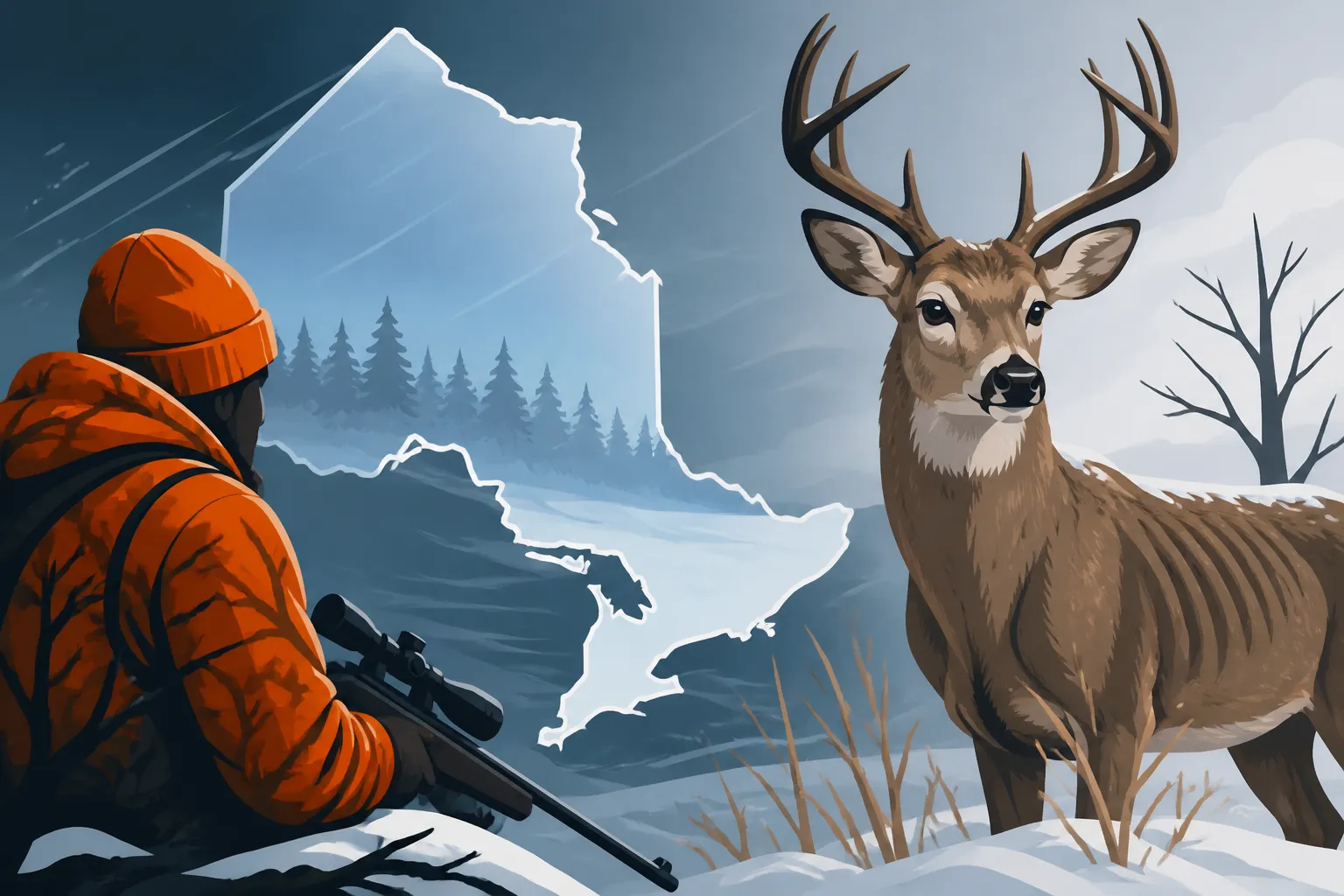
Our beloved whitetail deer are incredibly resilient, but even they have their limits. A mild winter, with less snow and fewer sustained cold snaps, means deer head into spring in much better shape. But when Mother Nature decides to truly test them with months of deep snow and brutal cold, the results can be heartbreaking for the herd. This is where you see the true grit of an Ontario whitetail, and where many simply don't make it.
Starvation and Nutritional Stress
The most immediate and widespread threat during a hard winter is starvation. Deep snow, especially when it's several feet deep and lasts for weeks or even months, effectively buries the deer's primary food sources. Forget about acorns or fallen apples; even essential browse like cedar, dogwood, or willow becomes inaccessible. Deer are forced to expend precious energy digging through snow or reaching for higher, less nutritious branches.
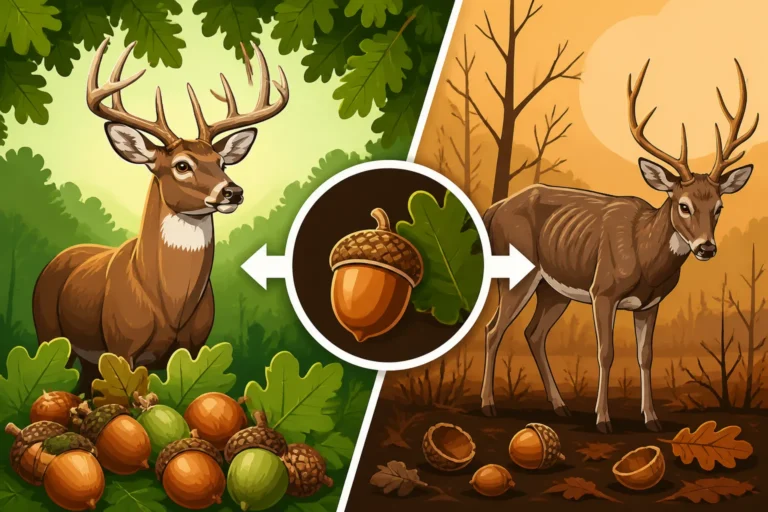
They go into winter carrying a layer of fat, built up diligently throughout the fall. This fat is their primary energy reserve, their lifeline through the lean months. However, persistent cold temperatures mean their bodies are burning calories at an accelerated rate just to stay warm. If they can't replace those calories, they start to metabolize muscle tissue, leading to emaciation. Fawns, being smaller and having fewer fat reserves, are often the first to succumb. Older deer, especially does that may have exhausted themselves raising fawns in the previous season, are also highly vulnerable. It’s a slow, grueling process of attrition. What Whitetails Eat Through a Hard Winter highlights their usual forage, much of which becomes unavailable.
Increased Predation
A deer weakened by starvation and cold is a deer at a severe disadvantage. While healthy deer are incredibly agile and can often outmaneuver predators, a deer with dwindling energy reserves simply cannot escape as effectively. Deep, crusty snow can be a double-edged sword: it might slow down a deer, but if it forms a hard crust, it can support the lighter weight of a wolf or coyote, giving them a significant advantage.
Predators like wolves and coyotes are opportunists, and they naturally key in on the weakest members of the herd. During harsh winters, these predators don't have to work as hard to find a meal. You might see more evidence of predation, such as carcass remains, as winter progresses. It's a natural, albeit brutal, culling mechanism that removes the genetically weaker or physically compromised animals, strengthening the overall herd in the long run, but it’s tough to witness. What Coyotes Do to Fawn Survival is especially relevant here, as fawns are primary targets.
The Risks of Deer Yards
To conserve energy, whitetail deer across Ontario, particularly in the northern and eastern parts of the province, will "yard up" in sheltered areas. These traditional deer yards are often dense cedar swamps or thick stands of conifer that provide thermal cover, blocking wind and trapping some warmth. These areas are absolutely critical for their winter survival. How Deer Use a Cedar Swamp in Winter goes into more detail about this crucial habitat.
However, these yards, while offering protection, also come with inherent risks. When deer are concentrated in a relatively small area, disease transmission can spike. Respiratory illnesses, parasites, and other ailments can spread rapidly through a stressed population. Furthermore, these yards, even with their protective cover, have limited food resources. If the deer are confined for too long due to deep snow, they can quickly deplete the available browse, leading to even greater nutritional stress within the yard itself. The deeper the snow, the more restricted their movement, and the greater the pressure on these vital winter havens. Where Deer Yard Up in Deep Snow further explores this critical winter behaviour.
Moose and the Winter Gauntlet
Moose, those magnificent giants of the Boreal Forest, are incredibly well-adapted to winter. Their long legs allow them to navigate deep snow better than deer, and their sheer size means they can power through drifts. But even for moose, a truly severe Ontario winter can pose significant challenges, testing their endurance to the absolute limit.
Energy Drain and Mobility
While moose have an advantage in deep snow, it doesn't mean they can traverse it effortlessly. Ploughing through deep, soft snow still requires an enormous amount of energy. Each step is a struggle, and over weeks and months, this constant exertion burns through their fat reserves at an alarming rate. Their massive bodies demand a huge caloric intake, and if browse is limited or difficult to access due to thick ice or deep snow, they too can begin to lose condition.
A prolonged winter, especially one that stretches well into spring, can be particularly detrimental. The longer winter conditions persist, the less time moose have to recover before the next growing season, impacting cows carrying calves and bulls trying to regain lost weight.
The Menace of Winter Ticks
Perhaps the most insidious threat to Ontario's moose during winter isn't the snow itself, but the tiny parasites that often thrive during specific winter conditions: winter ticks. While a harsh, cold, and snowy winter can, in some years, reduce tick populations, other winter conditions – particularly mild falls followed by late, cold springs – can lead to massive infestations. Moose can carry tens of thousands of these ticks, which feed on their blood throughout the winter.
The constant irritation causes moose to rub and scratch themselves relentlessly, often leading to severe hair loss, especially on their shoulders and flanks. This "ghost moose" appearance means they lose their insulation, making them even more susceptible to the cold. The blood loss can lead to anemia, weakening the animal and making it lethargic. Calves are particularly vulnerable to winter ticks, and high tick loads can decimate calf survival rates, significantly impacting the overall moose population. How Winter Ticks Affect Moose Survival is a crucial read for understanding this challenge.
Compounding Factors
Beyond snow depth and ticks, other factors can compound the effects of a hard winter on moose. Animals that are already old, suffering from underlying health issues, or carrying injuries from the previous rut or accidents are less likely to survive. Conditions like brainworm, caused by a parasite carried by deer but fatal to moose, can further weaken an individual, making them far more susceptible to the stresses of a severe winter. What Brainworm Does to Moose explains this tragic neurological disease.
A winter that hits hard on all these fronts – deep snow, extreme cold, and high tick loads – can lead to significant declines in local moose populations, sometimes taking years for the herds to recover.
Other Species and the Ripple Effect
It's not just the big game that feels the pinch of a severe winter. Many other species across Ontario's varied landscapes face their own unique struggles when the snow piles up and the temperatures refuse to budge. The entire ecosystem feels the ripple effect.
Wild Turkeys and Snow Depth
Wild turkeys, a success story in Ontario's wildlife management, are generally hardy birds, but deep, crusted snow can be a real killer. Turkeys are primarily ground foragers, scratching through leaf litter for acorns, seeds, and insects. When the snow is too deep or has a hard, icy crust, they simply cannot access these crucial food sources.
They can survive for a time on sparse browse and by flying up to roost in tall trees, conserving energy. However, prolonged periods of inaccessibility to ground food lead to emaciation. A weakened turkey is slower, less alert, and more vulnerable to predators like coyotes, foxes, and great horned owls. Why Deep Snow Limits Turkey Range directly addresses how snow dictates where these magnificent birds can thrive. We often see a dip in turkey populations after an especially brutal winter, with fewer gobblers strutting in the spring.
Small Game Challenges
Even small game species, many of which are specifically adapted to winter, face increased hardships during severe conditions. Snowshoe hares, for example, have their famous coat change and large feet for navigating snow. However, extreme, prolonged cold can still push them to their limits. Their reliance on woody browse can be challenged if snow covers too much of it, and their visibility to predators can increase if their white camouflage is less effective against areas where snow has been scoured away by wind or eaten by hungry deer.
Ruffed grouse, another popular small game species, rely on budding trees like aspen and birch for much of their winter diet. If these buds become encased in ice or are simply too sparse, it can impact their condition. They often "snow roost" by burrowing into soft snow to stay warm, but if the snow is too shallow or crusty, this vital insulation technique is unavailable. A lack of overhead cover due to heavy snow also exposes them more readily to aerial predators. Rabbit and Hare Hunting in Ontario and Ruffed Grouse Hunting Ontario's Bush Roads provide insight into these species, but a hard winter makes the hunting much tougher on both the animals and the hunters.
Predator Dynamics
It might seem like a hard winter is a boon for predators, as their prey is often weakened and easier to catch. And in the short term, this can be true. Coyotes and wolves might experience a temporary increase in hunting success. However, the ecosystem is a delicate balance. If a severe winter leads to a significant crash in prey populations, especially deer and moose, the long-term effect will eventually ripple up to the predator populations. Fewer prey animals mean less food for predators, which can then lead to reduced reproduction rates or increased mortality among the predators themselves in subsequent years.
Understanding these dynamics is key to appreciating the complex relationships within Ontario's wild places. While we often focus on the deer, moose, or turkey, every species plays a role, and a tough winter tests them all. When you're out Hunting Wolves in Ontario's North, you'll quickly realize that a healthy prey base is just as important for these top predators.
Recognizing the Signs and What it Means for Hunters
As hunters, being attuned to the natural world means understanding these cycles of feast and famine, especially the impact of a harsh winter. This knowledge doesn't just make us better hunters; it makes us more responsible stewards of the land and its wildlife. Tools like GoHunt can sometimes give hunters insights into historical snowfall patterns or local vegetation, helping to anticipate how severe a winter might be for game in different regions.
Reading the Landscape
The immediate aftermath of a brutal winter will leave clues. When you head out in the spring or early fall, keep your eyes open. You might find more winter-killed carcasses in traditional deer yards or sheltered areas, especially in the spring melt. A noticeable reduction in fresh sign – fewer tracks, rubs, and scrapes – could indicate a reduced deer population. You might also observe fewer fawns accompanying does in the summer months, a direct indicator of winter mortality rates impacting the next generation. Reading Sign After a Fresh Snow can teach you how to interpret these winter clues.
When planning your hunts, using a robust mapping application, such as offered by GoHunt, can help identify historical deer yard locations or areas of critical winter browse. This allows you to understand which areas might have been hit hardest, and where populations might be recovering slower.
Population Management
One of the most direct impacts on hunters comes through wildlife management decisions. Our provincial wildlife agencies closely monitor winter severity and conduct post-winter surveys to assess population health. If a severe winter has significantly impacted deer numbers, for example, they might adjust tag allocations for the upcoming season. This could mean fewer antlerless tags are available, shorter seasons, or even localized closures to allow the population to recover. Why Ontario Deer Numbers Swing explains these fluctuations in more detail.
This is where being informed becomes critical. Many hunters consult platforms like GoHunt for updated wildlife management unit information, which often reflects these population changes and tag allocation updates. These adjustments are made not to hinder hunters, but to ensure the long-term health and sustainability of our cherished game species.
Hunter Ethics and Responsibility
It's easy to get frustrated if tag numbers are reduced or if hunting success dips after a hard winter. However, it's vital to remember that these are natural cycles, and wildlife populations ebb and flow with environmental conditions. Our role as ethical hunters is not to assign blame, but to understand these realities and support responsible wildlife management.
This means respecting tag limits, adhering to season dates, and making ethical shot choices to ensure every animal harvested is utilized effectively. It also means understanding that Hunting Ontario Late When Snow Piles Up can be particularly challenging for game, making good decisions and preparation even more crucial. By working with the natural rhythms and supporting conservation efforts, we contribute to healthy populations for future generations of hunters and wildlife enthusiasts alike.
Summary of Winter Impact on Key Ontario Species
Understanding how different species cope with winter's wrath can highlight their unique adaptations and vulnerabilities.
| Species | Primary Vulnerability | Survival Strategy | Key Indicators of Stress |
|---|---|---|---|
| White-tailed Deer | Starvation, deep snow mobility loss | Yard up in sheltered areas, fat reserves | Emaciation, increased predation |
| Moose | Energy drain, winter ticks | Large body mass, long legs, heavy browse | Hair loss, lethargy, calf mortality |
| Wild Turkey | Ground foraging loss, exposure | Roosting in trees, localized food finds | Reduced flock size, low weight |
| Snowshoe Hare | Extreme cold, predator exposure | Camouflage, burrowing, quick movement | Increased predator kills, disease |
Disclaimer
This article is for general informational purposes only and does not constitute professional advice. Laws, prices and regulations vary by location and change over time. Consult a qualified professional for guidance on your specific situation.