What Brainworm Does to Moose
It's a heartbreaking sight for anyone who spends time in the Ontario bush: seeing a moose that just isn't right. Maybe it's wandering aimlessly, stumbling, or showing no fear of your approach. For too long, many of us have wondered what causes such distressing behaviour in these magnificent animals. This guide will delve deep into the mystery of brainworm, scientifically known as Parelaphostrongylus tenuis, explaining exactly what it is, how it affects moose, and why it's such a critical concern for Ontario's moose populations.
Understanding Brainworm: A Silent Threat to Ontario Moose
Brainworm is one of those things that flies under the radar for many people, but for those of us invested in the health of our wild spaces and the animals that live there, it's a constant concern. It’s a tiny parasite with a complicated life cycle, and it spells disaster for moose.
What is Brainworm (Parelaphostrongylus tenuis)?
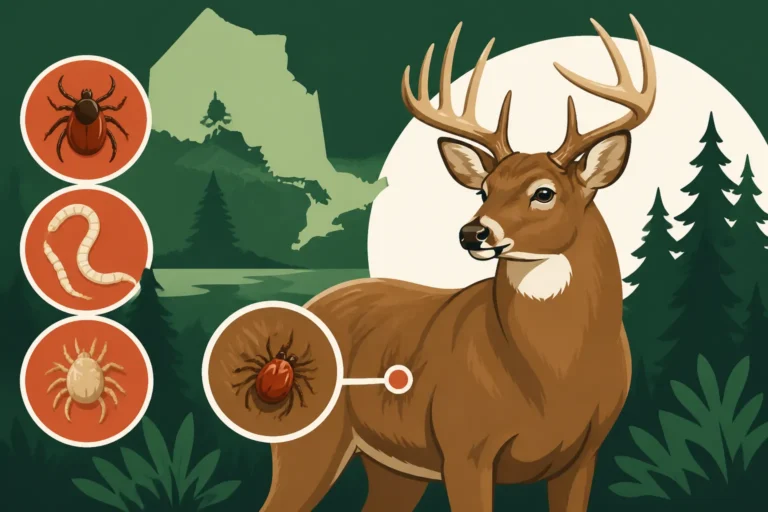
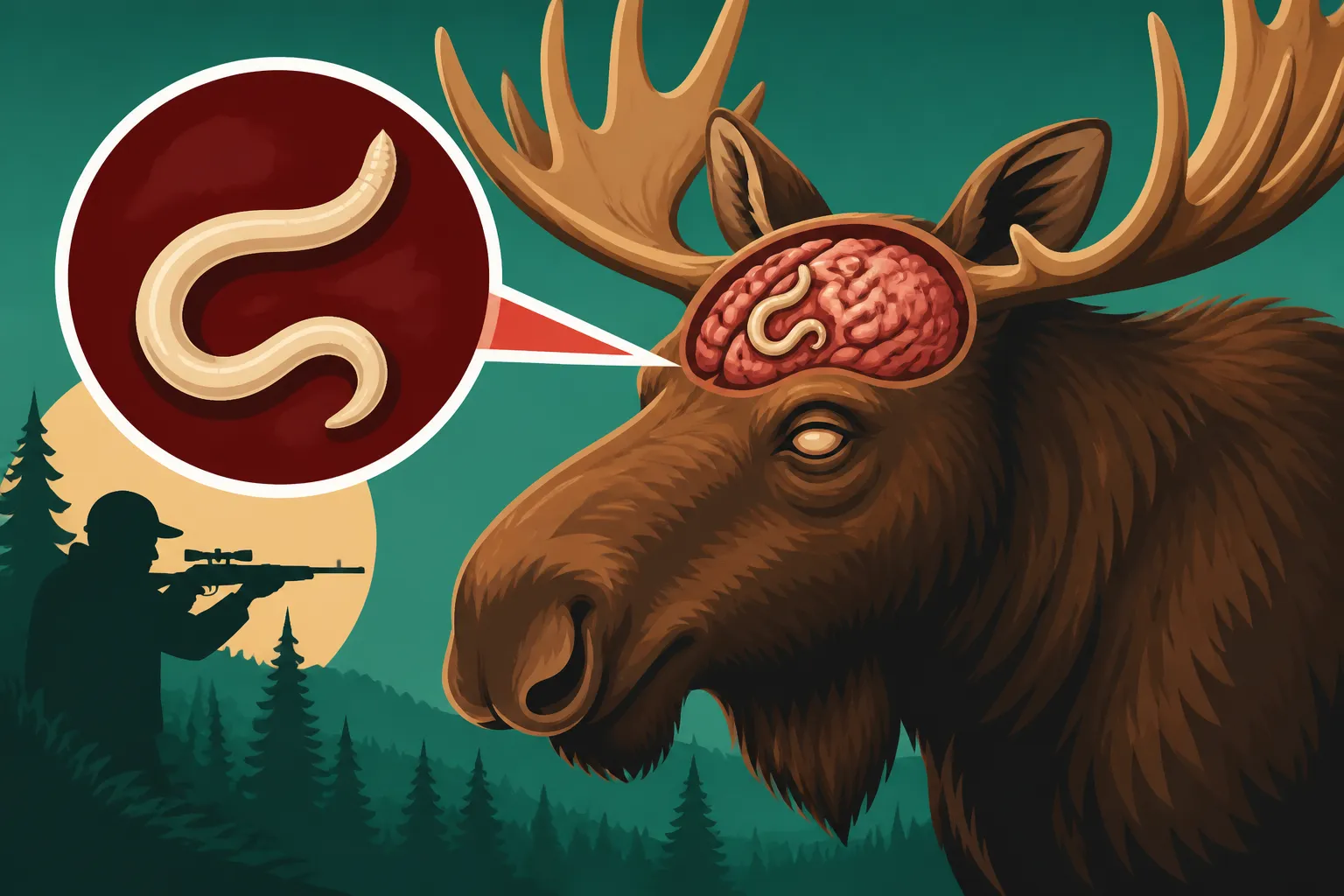
At its core, brainworm, or Parelaphostrongylus tenuis, is a nematode, a type of roundworm. It's truly fascinating, and equally troubling, how this parasite has evolved. The white-tailed deer is the natural, definitive host for P. tenuis. What this means is that the worm completes its life cycle within the deer, typically residing harmlessly in the deer's brain and spinal cord membranes. The deer pass brainworm larvae in their droppings, and these larvae are then ingested by terrestrial snails and slugs, which act as intermediate hosts. These little gastropods then carry the infectious larvae.
Now, here's where the problem arises for moose: they are considered "aberrant hosts." Unlike deer, moose did not evolve with this parasite, and their physiology simply isn't equipped to handle it. When moose ingest the larvae, the parasite doesn't know what to do in this "wrong" host. Instead of settling benignly, it starts to wander, causing immense damage along the way.
How Moose Become Infected
The primary way moose become infected with brainworm is quite accidental, which just adds to the tragedy. As moose browse on vegetation, they inadvertently consume the snails and slugs that are carrying the brainworm larvae. Think about it: a moose is pulling leaves, twigs, and plants into its mouth, and it's almost impossible for them to discern and avoid every tiny mollusk clinging to that vegetation. It's not like they're intentionally seeking out a snail snack!
The increasing overlap in habitat between white-tailed deer and moose is a massive contributing factor here. Where deer populations are high, there's a higher concentration of brainworm larvae in the environment. As deer expand their range into traditional moose territories, particularly in areas like Hunting Central Ontario's Mixed Forest, the chances of moose coming into contact with infected snails and slugs skyrockets. This ecological overlap creates a perfect storm, setting the stage for more frequent and devastating infections in moose. It's a stark reminder of how interconnected our ecosystems are, and how an imbalance in one species can have dire consequences for another.
The Devastating Impact on Moose Health
Once those microscopic brainworm larvae are ingested by a moose, a truly heartbreaking sequence of events begins. Unlike their deer counterparts, who simply carry the parasite without ill effect, moose experience a slow, agonizing decline.
Neurological Symptoms and Progression
After a moose ingests an infected snail or slug, the brainworm larvae migrate from the moose's digestive tract, through its bloodstream, and eventually into the central nervous system – the brain and spinal cord. This is where the real damage begins. As the worms burrow and travel through delicate neural tissues, they cause inflammation, hemorrhaging, and irreversible neurological damage.
The symptoms of brainworm, often referred to as "moose sickness," are varied but consistently debilitating. Early signs might be subtle: a moose that seems a little disoriented, maybe stumbling occasionally, or walking with an unusual gait. As the disease progresses, these symptoms become much more pronounced. You might see a moose circling repeatedly, developing severe weakness, especially in its hindquarters, leading to difficulty standing or walking. Blindness can occur, making the animal even more vulnerable. Perhaps one of the most concerning signs, and one that often leads to human encounters, is a complete loss of fear of humans. A moose that normally would flee might stand its ground, acting confused or lethargic, no longer perceiving people as a threat. This progression is relentless, often lasting weeks or even months, but almost always ending in death.
Secondary Complications and Mortality
The direct neurological damage from brainworm is severe enough, but it also opens the door to a host of secondary complications that accelerate a moose's demise. An animal that is disoriented, weak, or partially paralyzed can no longer forage effectively. They struggle to find food and water, leading to rapid starvation and dehydration. Their impaired movement makes them incredibly susceptible to predation; a wolf pack or even a lone bear can easily take down a moose that cannot run or defend itself.
Furthermore, a brainworm-afflicted moose is a walking accident waiting to happen. They might stumble into deep water and drown, wander onto roads and be hit by vehicles, or fall into ravines. The inability to properly navigate their environment, coupled with a diminished awareness of surroundings, means that almost any external factor can become a fatal threat. Once a moose begins to show clinical signs of brainworm, the mortality rate is exceptionally high. There is no practical treatment in the wild, and recovery is exceedingly rare. This makes brainworm a silent killer, contributing significantly to Ontario's Moose Population Decline, especially in areas where deer populations are robust.
Why Moose Are So Vulnerable to Brainworm
The susceptibility of moose to brainworm is a stark example of how a relatively benign parasite in one species can be utterly devastating in another. It’s a tragic quirk of nature that highlights the delicate balance of ecosystems.
Biological Differences: Deer vs. Moose Response
The key to understanding moose vulnerability lies in the evolutionary history of both species relative to Parelaphostrongylus tenuis. White-tailed deer and brainworm have co-evolved over millennia. Deer have developed an immune response that effectively manages the parasite. When the larvae migrate to the central nervous system in a deer, their immune system recognizes the worm and typically walls it off or encapsulates it, preventing significant damage. The adult worms then reside harmlessly in the meninges (membranes surrounding the brain and spinal cord), where they reproduce. The deer experiences no neurological symptoms.
Moose, on the other hand, did not evolve alongside P. tenuis. Their immune system lacks this specific defense mechanism. When brainworm larvae enter a moose's central nervous system, there's no encapsulation. The worms continue to migrate erratically, burrowing through brain and spinal cord tissue. This continuous, unchecked migration causes severe inflammation, tissue damage, and hemorrhaging, leading directly to the neurological symptoms we discussed. It's like having a foreign object constantly moving and damaging a vital organ – the body simply can't cope. This fundamental biological difference is why brainworm is a non-issue for white-tailed deer, but a death sentence for moose.
Habitat Overlap and Environmental Factors
While biology explains why moose are vulnerable, habitat overlap explains how they encounter the parasite more frequently. For many years, moose and white-tailed deer largely occupied different ranges in Ontario. Moose thrived in the colder, more boreal forests of the north, while deer were more prevalent in the southern, more temperate deciduous and mixed forests.
However, several factors have led to a significant increase in this overlap:
- Expanding Deer Populations: White-Tailed Deer Across Ontario have, in many areas, seen population booms, pushing their range further north. As deer density increases, so does the concentration of brainworm larvae in the environment.
- Climate Change: Milder winters and a generally warming climate mean that severe cold, which historically limited deer populations and kept them out of deeper snow zones, is less frequent. This allows deer to survive further north and expand their wintering grounds. When considering How Deep Snow Shapes Ontario Game, a lack of consistent deep snow benefits deer and hurts moose by allowing more interaction.
- Habitat Alteration: Logging practices, such as clear-cuts, create new early successional browse species like young hardwoods and shrubs. These areas are incredibly attractive to both deer and moose for foraging. While beneficial for providing food, these shared feeding grounds inevitably lead to more encounters with infected snails and slugs. You might use a tool like GoHunt to scout these cutover areas, but remember that increased browse also means potential increased interaction between species. Similarly, How Logging Cutblocks Change Deer Range illustrates how these areas can also draw moose, bringing them into closer proximity with deer droppings and intermediate hosts.
This combination of biological susceptibility and environmental changes creating greater interaction paints a grim picture for Moose in Ontario's Boreal Forest at the southern edges of their range.
| Feature | White-tailed Deer (Definitive Host) | Moose (Aberrant Host) |
|---|---|---|
| Impact of Worm | Minimal to none; typically asymptomatic | Severe neurological disease, usually fatal |
| Worm Location | Meninges (brain/spinal cord membranes) | Erratic migration through brain/spinal cord tissue |
| Immune Response | Encapsulates worms; controls infection | Lacks effective immune response; continuous damage |
| Larvae Shedding | Yes, in feces; continues life cycle | No, larvae do not complete life cycle |
| Symptoms | None | Disorientation, weakness, circling, paralysis, blindness |
| Mortality Rate | Very low (due to brainworm) | Very high (once symptoms appear) |
Implications for Ontario's Moose Population and Conservation Efforts
The presence and impact of brainworm are not just a sad individual tragedy for each moose; it has significant implications for the overall health and future of Ontario's moose population, particularly at the margins of their historical range.
Regional Differences and Population Management
Brainworm doesn't affect all moose populations equally across Ontario. It's most prevalent and problematic in regions where white-tailed deer densities are high and where their range significantly overlaps with moose. This typically includes southern and central Ontario, where the northern edge of dense deer populations meets the southern edge of moose habitat. For hunters Hunting a Hardwood Ridge for Whitetails in these transitional zones, understanding the health of both deer and moose is critical. You might be seeing the very edge of the core moose range, and these are the populations most susceptible.
The challenge for wildlife managers is immense. Effectively managing brainworm involves managing deer populations in shared habitats. Reducing deer density in these "overlap" zones could theoretically decrease the environmental load of brainworm larvae and thus reduce infection rates in moose. However, deer are incredibly adaptable and prolific, and their populations are often managed for other reasons, including hunter opportunity. There's a complex balancing act between supporting healthy deer numbers and protecting vulnerable moose populations. Initiatives mentioned in What Ontario Is Doing for Moose often consider these interactions, striving for a balance that prioritizes moose health. Tools like GoHunt can be invaluable for understanding the distribution of both deer and moose, helping to pinpoint critical overlap areas. For anyone looking at Scouting a Wildlife Management Unit, keeping an eye on deer and moose habitat maps, which are often available through online resources or on platforms like GoHunt, can offer valuable insight into potential areas of concern.
What Hunters and Outdoors Enthusiasts Can Do
While the problem of brainworm can feel overwhelming, there are tangible actions that hunters and other outdoors enthusiasts can take to contribute to monitoring and managing its impact.
Firstly, awareness and reporting are paramount. If you're out in the bush and encounter a moose exhibiting any of the symptoms of brainworm – disorientation, stumbling, lack of fear, circling – it's incredibly important to report it to the Ministry of Natural Resources and Forestry (MNRF). These reports help wildlife biologists track the spread and prevalence of the disease and identify areas where intervention or further study might be needed. Early reporting provides critical data for How Ontario Counts Its Moose and helps researchers understand the disease's geographical reach.
Secondly, habitat management can play a role. While large-scale changes are government-driven, individual landowners can manage their woodlots to favor moose browse while potentially discouraging high deer concentrations, especially at the deer-moose interface. Understanding Hunting Ontario's Mixed Hardwood Bush means appreciating how different species utilize these areas.
Finally, staying informed is key. Whether you're planning a trip for Moose Hunting Ontario's Northern Bush or just enjoying a hike, knowing the signs of brainworm helps you become an extra set of eyes for conservation. Being informed about current research and conservation efforts, perhaps through resources like GoHunt, ensures we're all part of the solution to protecting Ontario's iconic moose. The health of our wild game is a collective responsibility, and understanding threats like brainworm is the first step in safeguarding our natural heritage.
Disclaimer
This article is for general informational purposes only and does not constitute professional advice. Laws, prices and regulations vary by location and change over time. Consult a qualified professional for guidance on your specific situation.