Woodcock and Snipe in Ontario
For many hunters, the grand pursuit of a whitetail buck or the deep challenge of a bull moose hunt often overshadows the smaller, more elusive game that Ontario's diverse landscapes offer. But if you've ever felt the thrill of a lightning-fast flush from thick cover or the erratic flight of a bird darting from a wetland, you know the unique excitement that migratory upland birds like woodcock and snipe bring to the fall woods and marshes. This comprehensive guide will pull back the curtain on these often-overlooked opportunities, providing you with the knowledge and strategies to successfully target these incredible birds in Ontario.
The Allure of Upland Migratory Birds in Ontario
It’s easy to get caught up in the big game fever that sweeps across Ontario each fall. Talk often revolves around deer, moose, or bear, and rightfully so – they represent significant challenges and rewards. However, for those who appreciate the subtle nuances of bird hunting, the American woodcock and Wilson’s snipe offer a distinct and incredibly engaging experience. They may not boast the same trophy status, but they provide an intimate connection with nature, demanding keen observation, quick reflexes, and often, the companionship of a good bird dog.
Why Woodcock and Snipe Often Fly Under the Radar
Woodcock and snipe don't typically grace the covers of mainstream hunting magazines in Ontario with the same frequency as a monster whitetail or a massive bull moose. This is partly because they are migratory birds, meaning their presence is seasonal and often fleeting, determined by weather fronts and food sources. They don't require the same large-scale planning or draw odds as big game, making them less of a "destination hunt" for many. Instead, they represent a more spontaneous, walk-in opportunity that can be just as rewarding, if not more so, for the dedicated upland hunter.
Their secretive nature and preferred dense habitats also contribute to their under-the-radar status. Woodcock, with their perfectly camouflaged plumage, melt into the dappled light of alder thickets, and snipe disappear into the tall grasses of a wet meadow with an almost magical quickness. This stealth, combined with their challenging flight patterns, means success often comes from slowing down, observing the subtle signs, and understanding their unique world rather than simply pounding the pavement in search of them. For many, the quiet satisfaction of finding and connecting with one of these birds is a profound experience, deeply rooted in the traditions of upland hunting.
A Look at Ontario's Habitat for These Species
Ontario is a vast province, stretching from the temperate farmlands of the south to the immense boreal forest and Hudson Bay Lowlands in the north. This incredible diversity of landscapes provides a patchwork of perfect habitats for woodcock and snipe at various stages of their migration. While they have different preferences, both species rely heavily on wetlands and areas with moist, invertebrate-rich soils. This means that hunters willing to explore beyond the traditional deer woods or goose fields can uncover fantastic opportunities.
From the regenerating clear-cuts and alder bottoms of central and eastern Ontario to the extensive marshlands and wet agricultural fields of the southwest, these birds find ideal staging and feeding grounds. The key is understanding which specific type of habitat each species prefers and learning to identify these areas on a map or, better yet, by scouting on foot. This often involves strapping on your waterproof boots and venturing into places that might seem uninviting to others, but for the woodcock and snipe, they are sanctuaries. The beauty of hunting these species in Ontario is that, with a bit of effort, you can often find unpressured pockets of prime habitat relatively close to home, allowing for many productive days afield during the fall migration.
Understanding Ontario's American Woodcock
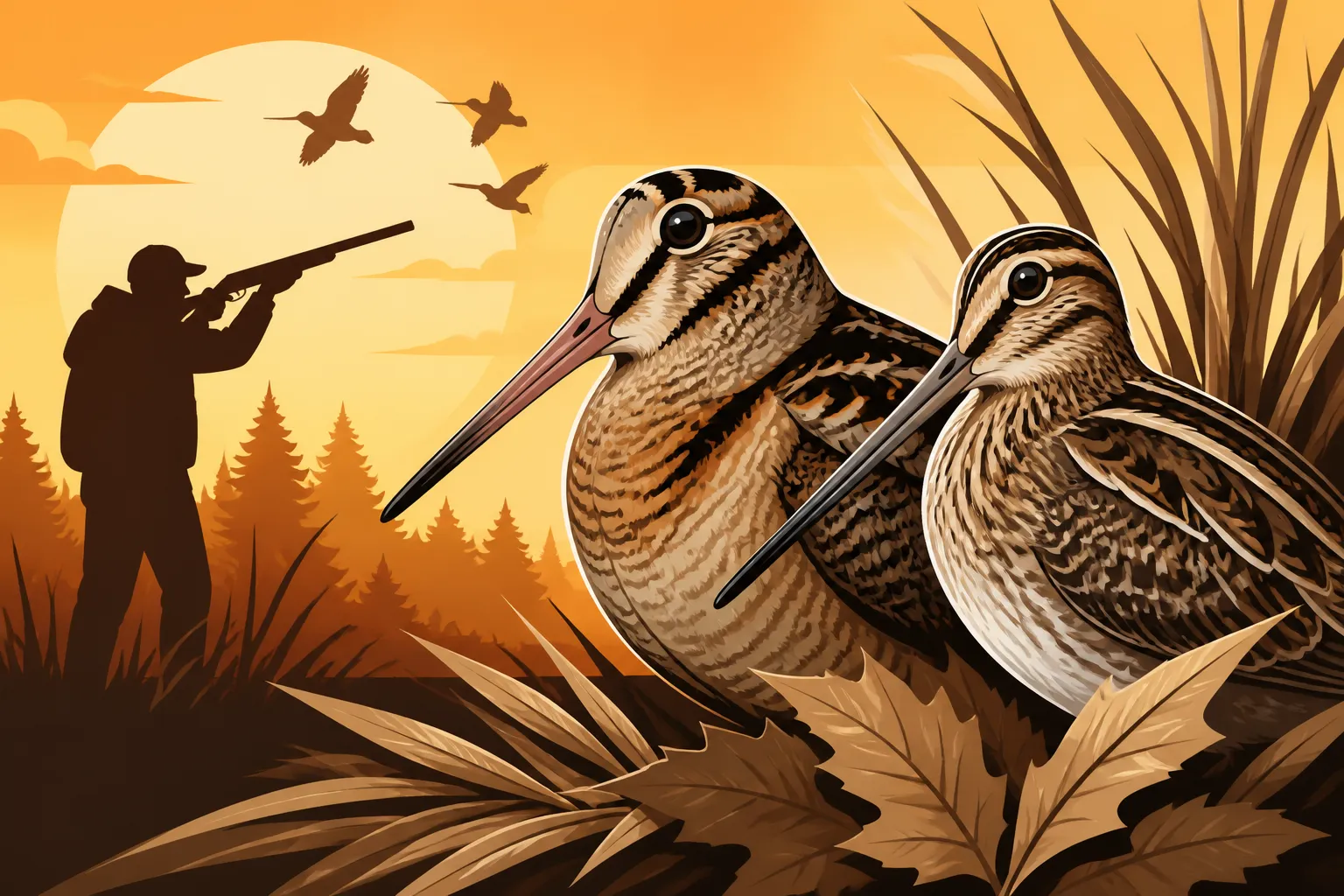
The American Woodcock, often affectionately called "timberdoodle" or "bogsucker," is a truly unique game bird. Its long bill, large eyes set high on its head, and cryptic brown plumage make it a master of camouflage in its preferred dense cover. For many upland hunters, the sudden, twittering flush of a woodcock is one of the most exciting sounds in the autumn woods.
Habitat Preferences and Behavior of Woodcock
Woodcock are connoisseurs of moist, young, regenerating forests, alder swales, and willow thickets. They absolutely love the tangled edges of swamps and small, muddy bottomlands where the soil is soft and rich in earthworms – their primary food source. Think of areas where an old field is slowly reverting to forest, or where a recent timber harvest has created dense saplings and underbrush. These habitats provide the perfect blend of cover for roosting during the day and easy access to feeding grounds. You'll often find them near areas of disturbed soil, which allows them to probe for worms with their specially adapted flexible-tipped bills.
Their behavior is equally fascinating. Woodcock are largely nocturnal feeders, spending the twilight hours and night probing for earthworms. During the day, they remain largely inactive, relying on their camouflage to avoid predators. This is why hunting them often involves walking slowly and deliberately through dense cover, hoping to flush them from their daytime roosts. In the spring, these birds put on an impressive "sky dance" display at dusk, where the male performs aerial acrobatics accompanied by unique vocalizations and wing sounds to attract a mate. While not a hunting opportunity, witnessing this display is an unforgettable experience and a sign of healthy local populations.
When Woodcock Move Through Ontario
Ontario experiences both a spring and a fall migration of woodcock, but it's the autumn movement that draws the attention of hunters. The birds begin their southward journey as soon as the first hard frosts start to penetrate the ground, making earthworms harder to find. This typically means the prime hunting window in Ontario opens in late September and can extend through October, sometimes even into early November if the weather remains mild.
Cold fronts pushing down from the north are a hunter's best friend, as they often trigger large pushes of migrating birds. You can wake up one morning, and a patch of cover that was empty the day before will suddenly be teeming with woodcock. The arrival of ground-freezing temperatures is usually the signal for the main migration to head south, and once the ground really hardens up, most of the birds will have moved on. Keeping an eye on weather patterns and cold fronts is crucial for timing your hunts. For more detailed insights into their migration patterns, check out specific information on When Ontario's Archery Season Opens as woodcock migration often coincides with these early fall periods.
Effective Strategies for Hunting Woodcock
Hunting woodcock is a wonderfully active pursuit that gets you deep into some truly wild, if sometimes overgrown, country. The most effective strategy involves walking through promising alder bottoms, dense regenerating cuts, and other thick cover that woodcock love. You need to move slowly, deliberately, and be prepared for a sudden, explosive flush. Their flight is often described as "twittering," characterized by the distinctive sound made by specialized outer primary feathers.
A good bird dog is an invaluable asset when hunting woodcock. Pointers will lock up on a bird, allowing you to walk in for the flush, while flushers will systematically work through cover to put birds into the air. The dense nature of woodcock habitat makes a dog almost essential for both finding birds and retrieving downed ones. Without a dog, you'll be missing out on many opportunities and potentially losing birds in the thick stuff. When it comes to firearms, light, fast-swinging shotguns like a 20 gauge or 28 gauge are ideal, loaded with small shot sizes like 7.5 or 8. The shots are almost always close-range and quick. You might even want to look at a detailed map on a platform like GoHunt, focusing on areas with green alder and wetlands, to scout potential cover before you even step foot in the bush. Remember that Hunting Ruffed Grouse on an Ontario Bush Road can sometimes yield a woodcock in similar, brushy areas, especially along creek bottoms.
Decoding Ontario's Wilson's Snipe
While woodcock are birds of the thickets and young woods, Wilson's snipe are denizens of more open, wet environments. Often mistaken for a small shorebird, the snipe is a challenging and incredibly rewarding game bird for those who embrace its unique habitat and lightning-fast flight. Many hunters overlook them, but to a seasoned upland enthusiast, a snipe hunt can be just as exciting, if not more so, than any other bird hunt.
Preferred Snipe Habitats and Characteristics
Wilson's snipe are true wetland specialists. They prefer open, wet meadows, bogs, fens, marsh edges, and even shallowly flooded agricultural fields. You'll find them along muddy shorelines of ponds, lakes, and rivers, particularly where there's dense, tussocky grass or low vegetation providing some cover. They feed on insects, insect larvae, worms, and other small invertebrates they find in the soft, muddy substrate. Their long, straight bill is perfectly adapted for probing, much like the woodcock.
Unlike the woodcock, which typically flushes with a twitter, the snipe announces its departure with a distinctive, sharp "scaipe!" call as it explodes from cover. Its flight pattern is legendary for its erratic, zigzagging motion, making it one of the most challenging wing-shooting targets out there. One moment it's there, the next it's banking hard left, then right, then climbing almost vertically. This evasive flight is an adaptation to escape predators in their open habitats. Spotting them on the ground is difficult due to their superb camouflage, so most encounters begin with a flush.
Where Ontario Snipe Concentrate
Given their specific habitat needs, Ontario snipe tend to concentrate in areas with abundant wetlands, particularly in the southern and eastern agricultural belts where wet fields and marsh systems are common. Iconic locations like the vast marshlands around Lake St. Clair or the myriad of smaller wetlands scattered across eastern Ontario's farmlands can be prime snipe territory. However, you shouldn't overlook northern bogs and fens, especially during the migration. Any area with shallow water, mudflats, and thick grass can hold snipe.
It's all about finding that perfect blend of water, mud, and cover. A beaver meadow crossing, for instance, with its perpetually wet ground and emergent vegetation, could be a fantastic spot to find them, just like described in Hunting a Beaver Meadow Crossing. Farmers' fields that have recently been harvested and then received significant rainfall, leaving large puddles and soft ground, can also be snipe magnets. Keeping an eye on historical flood plains or areas known for holding water during wet periods can lead to unexpected snipe honey holes.
Techniques for Successful Snipe Hunting
Hunting snipe is a game of patience, sharp eyes, and quick reflexes. Most snipe hunting is done by walking up birds in their open, wet habitats. This means you need to be prepared for the conditions. Absolutely essential are a good pair of waterproof boots – hip waders or chest waders are often advisable depending on the depth of water you expect to encounter. The terrain can be uneven and boggy, so sturdy footing is crucial.
As you walk, move deliberately but be constantly scanning ahead and to your sides. When a snipe flushes, it will almost always call, which gives you a split second to locate it before it starts its acrobatic flight. Don't try to track the erratic zigzags; instead, try to anticipate where it will settle into a more predictable flight path or simply swing through the initial explosion and pull the trigger. Shotgun choice is similar to woodcock – light, fast-swinging guns with open chokes (improved cylinder or skeet) are ideal. Small shot sizes like 7.5 or 8 are effective for these delicate birds. Remember that non-toxic shot is a must for migratory game birds. This type of hunting is often a solo or two-person affair, demanding constant attention and quick reactions.
Gear, Regulations, and Conservation
Successful and ethical hunting of woodcock and snipe in Ontario requires not only an understanding of the birds and their habits but also the right gear, a firm grasp of the regulations, and a commitment to conservation. These smaller migratory birds might seem less complex than big game, but they are governed by specific rules designed to protect them and their habitats.
Essential Gear for Upland Migratory Bird Hunting
Your gear for woodcock and snipe hunting revolves around comfort, durability, and effectiveness in wet, often dense environments. First and foremost, you need serious footwear. Forget your regular hiking boots; for snipe, you’ll often be in wet meadows, so full waterproof boots like Muck Boots or Irish Setter models are a minimum. For woodcock, working through alder thickets, sturdy, briar-resistant boots are key. Combine these with waterproof, briar-resistant pants or chaps to protect your legs from thorns and moisture. A light but durable jacket, blaze orange hat, and vest (check local regulations for specific blaze orange requirements, though it's always a good idea for visibility) round out your clothing.
When it comes to your shotgun, a lightweight, fast-swinging model is paramount. Many hunters prefer a 20 gauge or even a 28 gauge or .410 for these small, fast-moving birds. Open chokes, such as improved cylinder or skeet, are perfect for the close-range shots you'll typically encounter. Critically, for all migratory game birds in Ontario, you must use non-toxic shot. This includes steel, bismuth, or tungsten-based loads, never lead. Small shot sizes, like 7.5 or 8, are highly effective. Finally, if you're hunting with a dog, investing in a GPS collar is a smart move, especially in thick woodcock cover, to keep track of your canine companion.
Ontario Regulations and Licencing for Woodcock and Snipe
Hunting woodcock and snipe in Ontario involves a combination of provincial and federal regulations, as they are migratory birds. First, every hunter needs a valid Ontario's Outdoors Card Explained, which acts as your primary identification. You'll also need an Ontario Small Game Licence. This provincial licence covers various small game species, including woodcock and snipe. You can find more details on Ontario Small Game Licence Rules.
In addition to provincial requirements, because woodcock and snipe are migratory game birds, you must purchase a federal Migratory Game Bird Hunting Permit. This permit also includes the Canadian Wildlife Habitat Conservation Stamp, which is vital for funding habitat restoration efforts. These federal permits can be purchased online or at Canada Post outlets. Always double-check the current Ontario Game Bird Seasons and Limits for specific dates and bag limits, as these can vary slightly year to year. Remember, the non-toxic shot requirement for migratory birds is strictly enforced, so make sure your ammunition is compliant.
Conservation and Sustainable Hunting Practices
Responsible hunting of woodcock and snipe goes hand-in-hand with robust conservation efforts. Both species rely on specific habitats – young forests for woodcock and wetlands for snipe – which are constantly threatened by development and changing land use. As hunters, we play a crucial role in advocating for the preservation and restoration of these vital areas. Organizations like Ducks Unlimited Canada do incredible work in wetland conservation, benefiting snipe and countless other species.
Sustainable hunting practices also mean knowing your limits, retrieving every downed bird, and respecting the resource. Reporting your harvest, even if it's not mandatory for these species in the same way as big game, provides valuable data to wildlife managers. Additionally, understanding the life cycles of these birds, such as When Woodcock Move Through Ontario and how weather affects their migration, helps ensure we are hunting responsibly. By adhering to regulations, supporting conservation, and acting ethically in the field, we ensure that future generations of hunters can also experience the thrill of chasing these magnificent, miniature game birds.
Comparing Woodcock and Snipe Hunting in Ontario
While both woodcock and snipe are migratory upland birds often hunted with similar gear, the actual hunting experience for each is remarkably different. Understanding these distinctions will help you refine your approach and maximize your enjoyment and success in the field.
Key Differences in Hunting Experience
The most significant difference lies in the habitat and, consequently, the method of flushing and shooting. Woodcock hunting means immersing yourself in dense, tangled cover – think alder thickets, willow swales, and young regenerating forest cuts. The birds typically hold tight, often flushing at your feet or just yards away. Their flight, while quick and twittering, tends to be slower and straighter once they clear the immediate brush, offering a brief window for a shot before they duck back into cover. It's an intimate, close-quarters hunt, often demanding a steady nerve and quick point-and-shoot reflexes.
Snipe hunting, on the other hand, puts you in more open, wet environments – vast marshes, flooded fields, or boggy meadows. The birds flush with a distinctive "scaipe!" and immediately launch into their famously erratic, zigzagging flight. This makes them incredibly challenging targets, requiring lightning-fast reflexes and the ability to track a wildly juking bird. The shots are often more wide open, but the target itself is far more unpredictable. While woodcock hunting is a walk through the woods, snipe hunting is a soggy trek across open country, where you're constantly bracing for that explosive, twisting flush.
Best Times and Locations for Each Species
The best time for hunting both woodcock and snipe in Ontario generally falls within the same autumn window, from late September through October, but their specific peak times can differ slightly based on migration patterns and local conditions. For woodcock, the first hard frosts and subsequent cold fronts typically trigger their major migratory pushes. Seek them out in those dense alder bottoms and young poplar stands, especially near moist soil conditions. They often utilize the edges of features like a Hunting a Cedar Swamp Edge as transition zones.
Snipe, while also moving with cold fronts, are more tied to standing water and muddy conditions. They will be found where there are wet fields, open marsh edges, and boggy areas. Prime snipe hunting can often occur earlier in the fall when water levels are still sufficient but temperatures have begun to drop. Areas known for waterfowl, such as the regions around Marsh Hunting Ducks on the Great Lakes, can also hold significant numbers of snipe along the edges of larger wetlands. It's not uncommon to find mixed bags of both species if you are hunting areas that feature a mosaic of both dense, moist cover and open, wet ground.
Maximizing Your Chances: Tips and Tricks
To really up your game when hunting woodcock and snipe, preparation and technique are key. Start by thoroughly scouting promising areas using satellite imagery. Programs like GoHunt or even Google Maps can help you identify areas with the right blend of habitat – green alder patches, recently cut blocks with regeneration, or open wet fields. Look for those distinctive grey-green patterns of alder along creek beds or the subtle signs of standing water in fields. For those scouting specific WMUs, checking out Scouting With Satellite Imagery in Ontario can be incredibly helpful.
When hunting, slow down. Seriously, move at a snail's pace. Both birds hold incredibly tight, and rushing through cover means flushing birds out of range or behind you. Pay attention to dog behavior if you have one; a dog's subtle shift in scenting or a sudden pause can signal a bird. Practice your quick mounting and swing at home, as shots will often be fast and reactive. Don't be afraid to shoot multiple times if necessary – these birds are small, fast, and offer a challenging target. Finally, be prepared for the elements. Wet feet and cold hands will quickly sour a hunt, so invest in quality gear to stay comfortable and focused, regardless of whether you're chasing them in a Hunting a Poplar Stand at First Light or a soggy field at dusk.
| Feature | American Woodcock | Wilson's Snipe |
|---|---|---|
| Preferred Habitat | Dense alder/willow thickets, young regenerating forests, moist woods | Open wet meadows, bogs, fens, marsh edges, flooded fields |
| Primary Diet | Earthworms | Insects, insect larvae, invertebrates |
| Flush Sound | Distinctive "twittering" of wings | Sharp, loud "scaipe!" call |
| Flight Pattern | Erratic on flush, then usually straighter and lower | Highly erratic, zigzagging, climbing |
| Hunting Style | Slow walk through thick cover, dog often essential for finding/retrieving | Walk-up in open wet areas, waterproof boots critical |
| Season Peak | Late Sept-Oct, influenced by hard frosts | Late Sept-Oct, influenced by cold fronts and water levels |
| Shotgun Gauge | 20, 28, .410 (light, fast-swinging) | 20, 28, .410 (light, fast-swinging) |
| Choke Preference | Improved Cylinder, Skeet | Improved Cylinder, Skeet |
| Shot Size | 7.5 or 8 (non-toxic) | 7.5 or 8 (non-toxic) |
Disclaimer
Hunting regulations and seasons can change. Always consult the most current Ontario Hunting Regulations Summary and federal migratory bird regulations before heading afield. This content is for informational purposes only and does not constitute legal advice.