Where Ontario’s Biggest Bulls Come From
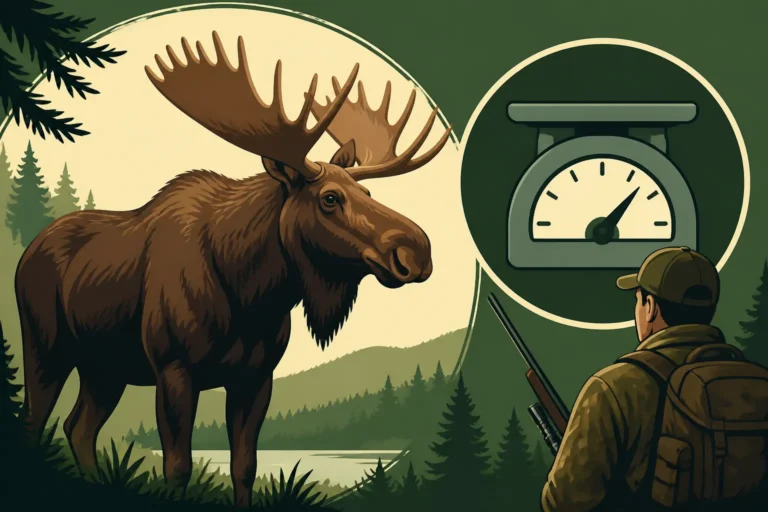
Every moose hunter dreams of that giant bull, the one with the shovel antlers that seems almost mythical, but the reality is, finding such a beast isn't just luck – it's about understanding where these majestic animals thrive. If you've spent seasons chasing shadows or seen countless smaller bulls, only to wonder where the real monsters hide, you're not alone. This guide will dive deep into the specific regions and conditions known for producing Ontario's biggest moose, giving you a better understanding of what to look for and where to focus your efforts for that once-in-a-lifetime trophy.
Understanding Ontario's Moose Habitat and Prime Areas
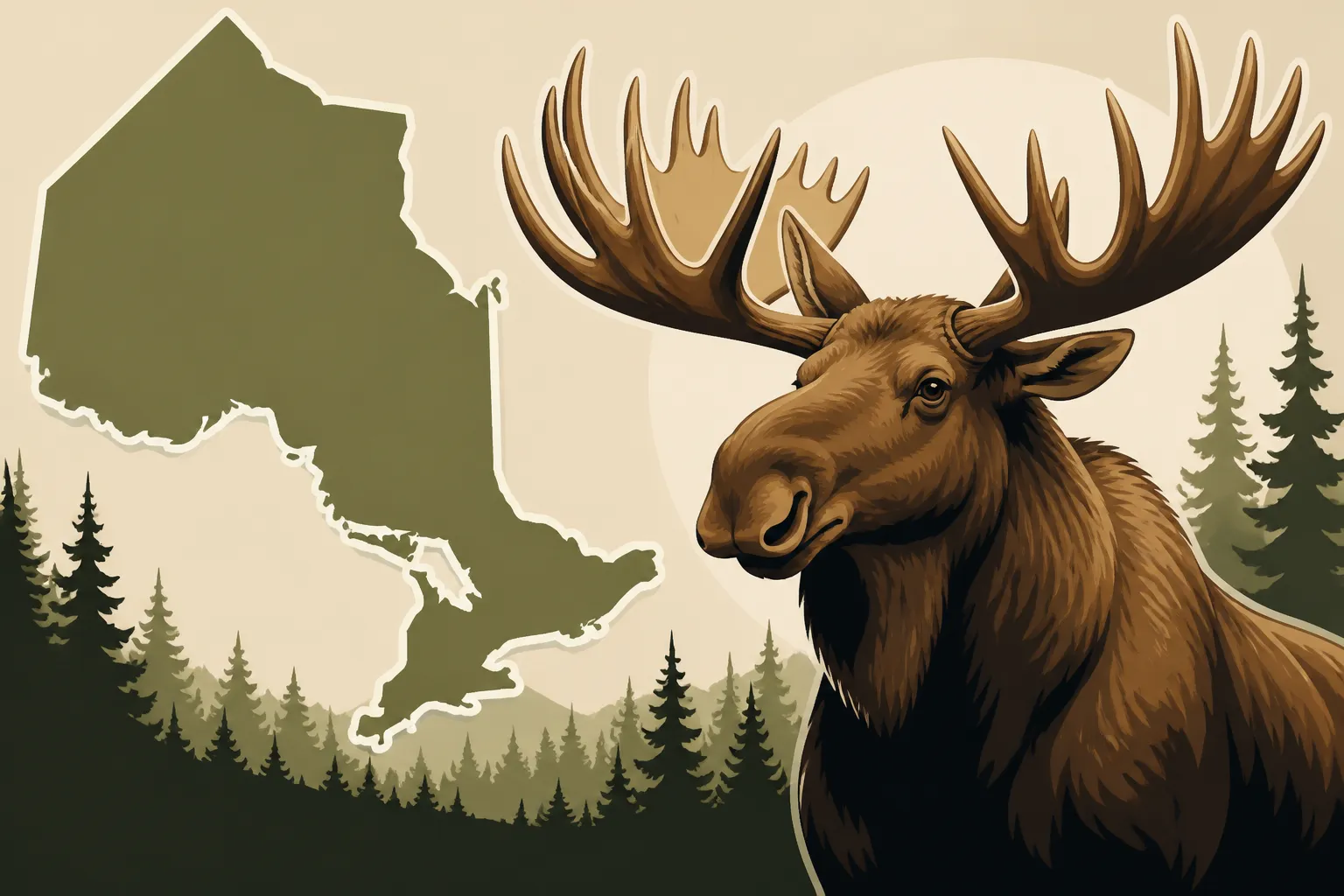
Ontario is a vast province, a sprawling wilderness of forests, lakes, and rivers, and its sheer size means moose populations aren't evenly distributed. While you can find moose in many corners of the province, the truly massive bulls tend to come from specific environments that offer optimal conditions for growth and antler development. It's not just about having moose; it's about having the right kind of moose habitat.
The Boreal Forest Advantage
When we talk about prime moose country in Ontario, we're talking about the boreal forest. This immense ecosystem, stretching across the northern reaches of the province, is the undisputed heartland of moose. It's a mosaic of mixed coniferous and deciduous trees, wetlands, and countless small lakes and rivers. Think black spruce, balsam fir, poplars, and birch – these are the species that moose rely on for browse, especially in the harsh winter months. The remoteness of much of this area means less human disturbance, allowing older, larger animals to reach their full potential.
These northern expanses, often rugged and difficult to access, provide exactly what a moose needs: abundant food, consistent cover, and large tracts of undisturbed wilderness. Moose are creatures of habit, often sticking to their preferred ranges, and in the deep boreal, these ranges can be vast. They're not bumping into people or vehicles as often, leading to a calmer existence where they can focus on what moose do best: eating and growing. For a true deep dive into this habitat, check out Moose in Ontario's Boreal Forest.
Nutritional Factors and Antler Growth
Antler growth isn't just a matter of age; it's intrinsically linked to nutrition. A bull moose needs a steady supply of high-quality forage throughout the year, especially during the antler growing phase in spring and summer. The best areas for big bulls are those with rich, diverse vegetation. This includes aquatic plants found in shallow lakes and beaver ponds, which are packed with essential minerals like sodium, as well as new growth in cutovers or areas regenerating after a fire.
These nutrient-rich environments provide the building blocks for massive antlers. Areas with consistent moisture, healthy soil, and a good mix of woody browse and aquatic vegetation are critical. A bull that can consistently find this kind of forage year after year, without having to expend excessive energy avoiding predators or dealing with extreme weather, is much more likely to pack on those extra inches of antler. It's a delicate balance of environment and opportunity that lets a bull grow truly enormous.
Key Wildlife Management Units (WMUs) for Trophy Moose
Ontario is divided into numerous Wildlife Management Units (WMUs), and while many hold moose, a few stand out year after year for producing truly exceptional animals. These are the areas that often require more planning, sometimes more difficult access, and certainly a good dose of perseverance, but the rewards can be incredible. When planning your hunt, understanding these WMU characteristics is crucial. Many experienced hunters use tools like GoHunt to scout and understand the terrain of these specific WMUs before they even set foot in the bush.
Northwestern Ontario: Land of Giants
If there's a region synonymous with giant moose in Ontario, it's the northwest. Think of the vast wilderness stretching from Thunder Bay westward towards Kenora, and north towards the Manitoba border. WMUs in this region often boast lower hunter densities, vast tracts of remote Crown land, and prime boreal habitat. Areas like the Nipigon country, west of Lake Superior, and the expansive units around Dryden and Sioux Lookout, have long been lauded for their moose populations and the potential for a monster bull. The climate here means a shorter growing season but often less pressure on the moose, allowing them to age gracefully.
The remoteness is a double-edged sword: it protects the moose, but it also means hunters need to be prepared for true wilderness expeditions. Access can be limited to logging roads, fly-in lakes, or extensive canoe trips. However, this lack of easy access is precisely what helps these areas consistently produce older, bigger bulls. If you're looking to plan a truly epic adventure, exploring Hunting Northwestern Ontario's Big Bush could be your starting point. You'll need to be self-reliant, but the reward of finding a bull in these untouched expanses is unparalleled.
Northeastern Ontario's Productive Zones
Northeastern Ontario also holds its own when it comes to trophy moose, particularly in the more remote sections of the Clay Belt and the rugged Canadian Shield country. WMUs stretching north from areas like Sudbury, Timmins, and Cochrane, deep into the vast forests, are known for their healthy moose populations. While perhaps not as famed as some northwestern units for sheer size, the northeast still offers significant opportunities, especially for hunters willing to put in the effort to get off the beaten path. These regions often feature a mix of dense timber, expansive wetlands, and regenerating clear-cuts that provide excellent browse.
The Clay Belt, in particular, offers fertile ground for moose, with its rich soils supporting vigorous vegetation growth. Combine this with the lower hunting pressure found in more inaccessible areas, and you have the recipe for older, heavier-antlered bulls. While you might find more roads and thus more hunting pressure closer to towns, venturing deeper into the wilderness pays dividends. Scouting these areas with an app like GoHunt can help you identify remote pockets of prime habitat where mature bulls are more likely to roam undisturbed. You can find more specific details on these regions in Hunting Northeastern Ontario's Clay Belt.
| Region | Key Characteristics | Typical Access Methods | Antler Potential | Challenges |
|---|---|---|---|---|
| Northwestern Ontario | Vast boreal forest, numerous lakes, remote wilderness | Fly-in, boat-in, extensive logging roads | High; known for widespread large, mature bulls | Extreme remoteness, difficult terrain, long travel |
| Northeastern Ontario | Mixed forest, Clay Belt, Canadian Shield, wetlands | Logging roads, ATV trails, some boat-in | Good; localized pockets of large bulls | Variable hunting pressure, access can be complex |
| Central Ontario | Mixed forest, Algonquin fringe, rugged Shield | ATV trails, limited roads, extensive bush-walking | Moderate; occasional large bulls in remote pockets | Higher pressure in accessible areas, specific WMUs |
| Southern Ontario | Fringe habitat, mixed agriculture/forest | Very limited; small pockets only | Low; rare | Very high pressure, limited habitat, controlled hunts |
Factors Influencing Moose Size Beyond Location
While location is undeniably a huge part of the equation, it's not the only factor. A bull moose's antler size and body mass are also products of its age, genetic potential, and the overall health and management of the moose population in its specific area. Understanding these elements can further refine your strategy for seeking out a truly impressive animal, rather than just any bull.
Age, Genetics, and Population Health
It takes years for a bull moose to reach its full antler potential. Young bulls might have decent racks, but it's typically bulls in the 5-10 year-old range, and sometimes even older, that grow those truly massive, wide, and heavy antlers that hunters dream of. This means that areas with a healthy population, where bulls are allowed to survive several hunting seasons, are crucial. Genetics also play a role, of course, but a bull with good genetics still needs the age and nutrition to express that potential.
Furthermore, the overall health of the moose population in a WMU directly impacts the potential for big bulls. A population struggling with disease, parasites (like winter ticks), or poor habitat conditions will produce smaller, less robust animals, regardless of age. Initiatives such as those outlined in What Ontario Is Doing for Moose are vital for maintaining healthy populations. Areas with stable or increasing moose numbers, and a good bull-to-cow ratio, are typically better bets for trophy potential because more bulls are making it to maturity.
Hunting Pressure and Moose Management
Hunting pressure is a significant factor in whether a bull can reach old age and thus grow a truly impressive rack. In areas with high hunting pressure, especially if hunter success rates are high on younger bulls, fewer animals make it to those prime trophy-producing years. This is why remote WMUs, often requiring more effort to access, tend to yield bigger bulls – the animals simply aren't encountered as frequently. Understanding the local hunting pressure and moose harvest data for a specific WMU can be a game-changer when doing your research, and GoHunt often provides layers that can hint at public access points and potential pressure areas.
Ontario's moose management strategies, including draw systems like the one detailed in Ontario's Moose Tag Allocation Process and How Ontario Moose Points Accumulate, are designed to manage harvest and maintain healthy age structures. While these systems can be frustrating, especially when waiting years for a tag, they are critical for ensuring that some bulls reach older age classes. When you finally draw that tag, understanding the specific season dates and regulations for your WMU is paramount. For example, knowing When Ontario's Moose Rut Peaks might help you strategically plan your hunt during a time when large bulls are more active and visible, increasing your chances of finding that exceptional animal. Even if you're hunting an area with moderate pressure, employing smart tactics like heading further off the road or learning how to effectively use calls (as described in Calling a Bull Moose in the Rut) can help you find those elusive, older bulls that other hunters miss.
Disclaimer
This article is for general informational purposes only and does not constitute professional advice. Laws, prices and regulations vary by location and change over time. Consult a qualified professional for guidance on your specific situation.