Using a Pointing Dog in Ontario Cover
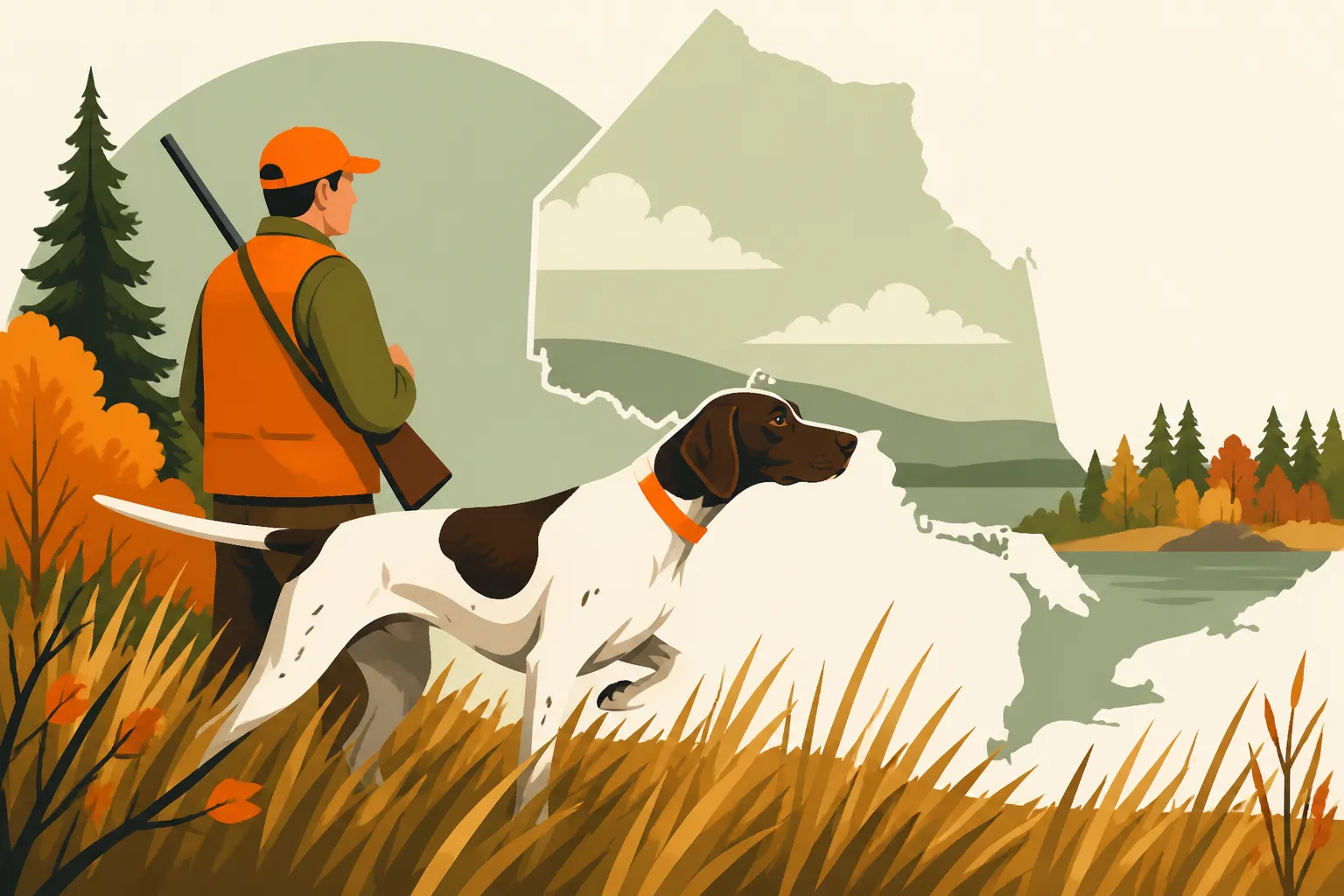
The moment you step into the sprawling, often unforgiving cover of Ontario’s vast wilderness, you quickly realize that finding upland birds like grouse and woodcock can feel like searching for a needle in a haystack. The dense alders, tangled blowdowns, and thick conifer stands are beautiful, but they make it incredibly challenging to locate those elusive birds before they flush wild. This guide is all about how bringing a well-trained pointing dog into that equation can dramatically change your success, making your hunts more productive, more ethical, and undeniably more enjoyable.
The Unique Advantage of a Pointing Dog in Ontario's Bush
Hunting upland birds in Ontario is a unique experience. Unlike wide-open fields down south, our cover here can be incredibly thick, often to the point of being nearly impenetrable for a human hunter trying to "kick up" birds. This is precisely where a good pointing dog shines, turning a frustrating walk into a focused, thrilling pursuit.
Navigating Dense Cover and Hard-to-Reach Spots
Let's be honest, trying to push through a dense cedar swamp or a thick stand of tag alders along a creek bottom is exhausting and often fruitless. Birds like ruffed grouse and woodcock are masters of concealment, and they thrive in these nasty places that humans tend to avoid. A pointing dog, however, is built for this. With their lower profile, agility, and sheer determination, they can slip through thickets that would leave you snagged and gasping for breath. They’re essentially covering ground you simply can't, working scent trails that lead deep into the cover where the birds feel safest. This means fewer birds flushing out of range before you even know they're there, and more opportunities to get a shot at a bird that's been properly pinned. If you've ever spent an entire day crashing through the bush only to hear a distant flush, you know the frustration. A pointing dog minimizes that dramatically, putting you closer to the action.
Pinpointing Scent in Challenging Conditions
Ontario's weather and diverse terrain present a constantly changing canvas of scent conditions. One day, it's a damp, calm morning where scent hangs heavy in the air, allowing dogs to work beautifully. The next, it might be a blustery afternoon with dry leaves underfoot, making it tough for even the best nose to decipher. Pointing dogs are remarkable athletes of olfaction, able to process subtle nuances of scent even when environmental factors are working against them. They're trained to interpret faint scent cones, follow tracks, and, most importantly, lock up on game well before you've even registered a hint of bird sign. This is crucial in our mixed hardwood and conifer forests, where the wind swirls unpredictably and the ground cover varies from open hardwoods to thick underbrush. They'll tell you with their body language and a staunch point exactly where that bird is hiding, often in a spot you would have walked right past. This isn't just about finding birds; it's about finding them consistently, regardless of whether you're Ruffed Grouse Hunting Ontario's Bush Roads or exploring a new piece of private land.
Minimizing Crippled Birds and Lost Game
Ethical hunting isn't just about making a clean shot; it's also about doing everything in your power to recover any game you hit. In the dense cover we often hunt, a downed bird can vanish into the undergrowth in seconds, even if it's only winged. This is another area where a pointing dog, with their keen nose and natural retrieve drive, becomes an invaluable partner. They are tireless in their search, working through briars and thickets to find a bird you might have otherwise given up on. This not only honours the animal but also ensures that your efforts aren't wasted. There's nothing quite like the pride you feel when your dog returns with a bird that seemed utterly lost, a testament to their skill and your bond. It's a key part of responsible hunting, ensuring every bird is accounted for.
Training Your Pointing Dog for Ontario's Realities
Training a pointing dog for Ontario's varied cover requires a specific approach. It's not just about getting them to point; it's about preparing them for the unique challenges our local environment throws at them.
Early Exposure to Cover and Terrain
The foundation of a good upland dog in Ontario starts with early exposure. Don't wait until your pup is fully grown to introduce them to the kind of terrain they'll be hunting. As soon as they have their basic vaccinations and are cleared by your vet, start taking them for walks in varied environments. Think about everything from open fields to light bush, then gradually introduce them to denser cover. Let them explore Hunting Ontario's Mixed Hardwood Bush or a thick fencerow. The goal isn't necessarily to find birds yet, but to get them comfortable navigating different ground, encountering various smells, and developing confidence in varied footing. A dog that is accustomed to pushing through saplings and jumping over downed logs from a young age will be much more effective and less prone to injury than one introduced to heavy cover later in life. This also helps them develop strong muscles and spatial awareness, vital for a full day in the field.
Scent Training and Bird Work Specific to Ontario Species
Once your dog has a solid foundation of obedience and comfort in cover, it’s time to introduce them to bird scent. For Ontario upland hunters, this means focusing on ruffed grouse and woodcock. You can start with planted birds, using pigeons or chukars in controlled environments to teach them to lock up on scent, hold point, and then steady through the flush. Gradually transition to releasing birds in more natural cover, mimicking the dense environments they’ll encounter. You might use a remote bird launcher to simulate wild flushes.
When working with these specific game birds, observe how your dog handles the particular scent of grouse, which can be quite different from a pen-raised bird. For woodcock, which are often found in wetter, alder-choked areas, focus training in similar environments. Dogs need to learn to adjust their range and pace depending on the cover and the behavior of the bird. A close-working dog is usually preferred in thick cover, as birds often hold tighter. Many Ontario hunters also rely on tools like the GoHunt GPS dog tracking system to monitor their dog's location and movements, especially in dense bush where a visual can be quickly lost. This system can be a game-changer for safety and efficiency, ensuring you always know where your valuable hunting partner is.
Handling Pressure and Working with Other Hunters
Hunting in Ontario, especially on popular Crown Land, often means encountering other hunters, or at least being aware of their presence. Your dog needs to be steady and focused, not just on the birds but also on you, regardless of external distractions. This includes being comfortable with gunshots, other dogs, and even deer scent. Introduce gunshots gradually during training, always associating them with positive experiences. Practice having your dog hold point while you walk in for the shot, even if another "hunter" (a friend) is moving nearby.
If you hunt with a partner, ensure your dog is accustomed to working as part of a team. They shouldn’t break point or get distracted by another person's movements. This cooperative hunting style is crucial, especially when you're working a tight patch of cover where safety and communication are paramount. A dog that's easily distracted or overly independent can quickly become a liability rather than an asset. It's about building a reliable, responsive hunting partner, not just a bird-finding machine.
Gear and Considerations for Hunting with a Pointing Dog in Ontario
Having the right gear and understanding key considerations is vital for a safe and effective hunt with your pointing dog in Ontario. The bush can be tough on both you and your canine companion.
Essential Gear for Dog and Hunter
When you’re out in the Ontario bush, preparation is key. For your dog, a durable collar with an ID tag and your contact information is non-negotiable. Many hunters swear by a GPS tracking collar, which syncs with a handheld device, allowing you to see your dog’s exact location, whether they're on point or ranging far ahead. Again, systems like GoHunt are extremely popular for their reliability in remote areas where cell service might be spotty.
A protective vest for your dog is also highly recommended, especially in areas with thick briars, sharp sticks, or icy crust. This helps prevent cuts and abrasions. A bell on their collar helps you keep track of them audibly, especially when they're working through thick cover where a visual is impossible. For yourself, think practical: sturdy, waterproof boots, blaze orange clothing (which is legally required for both you and your dog during gun seasons and highly advisable at all times for safety), a good compass or GPS unit, and a small first-aid kit that includes supplies for both human and dog. Don't forget a water bottle and a portable dog bowl; even on cool days, dogs can quickly dehydrate while working hard. A proper game vest or bird bag with ample storage for retrieved birds and shells is also crucial. For those who delve into Hunting Ontario's Crown Land, a good topo map or a mapping app like GoHunt on your phone is also essential.
Understanding Regulations and Safety
Hunting with dogs in Ontario comes with specific regulations you need to be aware of. First and foremost, check the Small Game Season Dates and Limits for the species you're pursuing in your specific Wildlife Management Unit (WMU). Regulations can vary by WMU, so always consult the current Ontario Hunting Regulations Summary.
Blaze orange requirements are strict in Ontario, especially during gun seasons for big game. Your dog should also wear a blaze orange vest or collar to make them visible to you and other hunters. This is not just a rule; it's a critical safety measure. Always keep your dog under control, which means they should respond to your commands immediately. This prevents them from running onto private land without permission or disturbing other hunters. When crossing roads or encountering other people, leash your dog. Remember, even the best-trained dogs can sometimes get distracted, so vigilance is key. It's worth noting that using a dog to run deer is generally prohibited in Ontario, though specific exceptions exist for certain areas and limited periods. Always know the rules for hunting deer with dogs where it is legal if that's something you're interested in.
Health and Wellness for Your Upland Partner
Your pointing dog is an athlete, and their health and well-being are paramount. Before the season, ensure they've had a full vet check-up, are up to date on all vaccinations, and are on a robust flea, tick, and heartworm preventative program. Ticks and Parasites in Big Game are a real concern in Ontario, and your dog is highly susceptible. After every hunt, do a thorough tick check, especially in their ears, between their toes, and under their legs.
Pay close attention to their paw pads. Hard hunting on rough terrain can cause cuts, abrasions, or cracks. Consider using paw balm or booties if your dog's paws are sensitive or if you're hunting particularly harsh ground. Carry a small paw-care kit with antiseptic wipes and bandages. Hydration is also critical. Even in cooler weather, active dogs need a lot of water. Bring enough for them, and if you're hunting near natural water sources, ensure they are clean and safe for drinking. Finally, be mindful of weather conditions. Dogs can overheat quickly on warm early-season days or suffer from hypothermia in cold, wet late-season conditions. Know your dog's limits and don't push them too hard. A happy, healthy dog is a safe and effective hunting partner.
Common Challenges and Troubleshooting in the Field
Even with the best training and gear, hunting with a pointing dog in Ontario will inevitably present its own set of challenges. Knowing how to troubleshoot these common issues can make all the difference.
Dealing with Distractions and Non-Target Species
Ontario's bush is teeming with wildlife, and while your dog is trained for game birds, they're likely to encounter deer, squirrels, rabbits, and even the occasional bear scent. A common frustration is a dog that "breaks" point or chases non-target species. This is where consistent training comes into play. If your dog frequently chases deer, go back to basics with aversion training, using methods that make the deer chase an unpleasant experience without being overly harsh. Many hunters use e-collars (properly and humanely) to reinforce "whoa" commands or to correct chasing behavior.
For squirrels and rabbits, which are less problematic but still distracting, focus on reinforcing that these are not the birds you're looking for. A strong "leave it" command is essential. The key is to teach your dog that the ultimate reward comes from finding and pointing game birds, not from chasing fleeting distractions. Sometimes, you'll be Hunting a Hardwood Ridge for Whitetails and your dog's point will be on a deer instead of a grouse, which is frustrating but also an indication that their nose is working! You need to gently, but firmly, redirect their focus.
Overcoming Environmental Obstacles
Ontario’s landscapes can be brutal. You’ll encounter deep beaver ponds, steep rock ridges, impenetrable blowdowns, and thick, thorny patches. Your dog needs to be conditioned to navigate these without hesitation or getting injured. If your dog is reluctant to cross water, introduce them to shallow streams and gradually increase the challenge. Use positive reinforcement and make it a fun experience. For thick cover, ensure their protective vest is always on. Learn to read the terrain and anticipate where your dog might struggle. Sometimes, a well-placed "heel" command can guide them around an impassable obstacle rather than forcing them through it.
It's also crucial to teach your dog to work with the wind, quartering the terrain effectively to maximize scenting opportunities. This is particularly important when you're Hunting a Cedar Swamp Edge or along a river valley, where winds can be unpredictable. Over time, your dog will learn to adapt their hunting style to different types of cover, whether it’s tight circles in thick alders or wider casts in more open pine stands. Remember, safety first: if an obstacle seems genuinely dangerous, find an alternate route.
When the Birds Just Aren't There
Let's face it, some days, the birds just aren't cooperating. This can be due to natural cycles – like Why Ruffed Grouse Numbers Cycle – or simply that particular piece of cover is empty. It's frustrating for you, but it can also be demoralizing for your dog if they spend hours searching without success. On days like these, it's important to manage your dog's expectations and keep their spirits up. Don't get angry or frustrated with them. Keep working them, even if it's just practicing drills or going for a walk in less demanding cover.
Always end the day on a positive note, even if it means throwing a training dummy for a retrieve or offering a favourite treat. The goal is to maintain their enthusiasm and association of hunting with positive experiences. Remember, the partnership is key. A good hunting dog works for you, but they also need your support and encouragement. Sometimes, changing locations to a different WMU or a different type of cover, perhaps areas like Hunting a Beaver Meadow Crossing which can concentrate birds, can reignite their drive.
| Breed | Pros for Ontario Upland Hunting | Cons for Ontario Upland Hunting | Ideal Terrain |
|---|---|---|---|
| English Setter | Excellent nose, wide range, beautiful point, gentle temperament | Long coat requires grooming, can be sensitive, needs consistent work | Mixed forest, open hardwoods |
| Brittany | Energetic, biddable, good retrieve, compact size for dense cover | Can be high-strung if not exercised, prone to ear infections | Thickets, dense brush, open fields |
| German Shorthaired Pointer | Versatile, strong nose, durable, good retriever, short coat | Can be very high energy, needs firm training, may range wide | Varied cover, open to moderate bush |
| Vizsla | Affectionate, eager to please, good retrieve, quiet in the home | Can be sensitive to cold, needs ample exercise, potential for separation anxiety | Moderate to open cover, mixed forest |
| Small Munsterlander | Intelligent, close-working, versatile, good in dense cover | Less common breed, can be strong-willed, requires dedicated training | Thick brush, marsh edges, tight cover |
Disclaimer
Hunting is an activity that carries inherent risks. Always prioritize safety, follow all local and provincial regulations, and ensure you have the appropriate licenses and permits before heading into the field. The information provided here is for educational purposes only and should not replace professional guidance or official government regulations.