Meat Care in Ontario’s Warm Early Seasons
There’s nothing quite like the excitement of an early-season hunt in Ontario, whether you're chasing black bear in the spring or heading out for that September archery opener for deer. But that thrill can quickly turn to dread if the temperature starts to climb, leaving you with the monumental task of preserving your hard-earned meat. This guide is all about tackling that exact challenge, offering practical, no-nonsense advice to ensure your wild game makes it to the table in prime condition, even when Mother Nature isn't cooperating with chilly weather.
Understanding the Challenge: Why Early Season is Tough for Meat
Let's be real, the early season in Ontario, particularly late spring and early fall, can feel like a cruel joke when it comes to meat care. You've done everything right: scouted diligently, made a clean shot, and now you're standing over your prize. But the sun is beating down, the air is thick, and panic starts to set in. It’s a common frustration, and one that every hunter who’s ever harvested an animal when the mercury is climbing has faced.
The Double Whammy of Heat and Humidity
Ontario's early hunting seasons, like the spring bear hunt or the September archery opener for deer, often bring with them temperatures that can soar well into the high teens or even twenties Celsius. On top of that, especially in central and southern Ontario, you’re often contending with soul-sucking humidity. This combination creates a perfect storm for bacterial growth, which is the primary enemy of fresh meat. Warm, moist environments allow bacteria to multiply at an alarming rate, quickly leading to spoilage. It's not just about the outside temperature; the animal's internal body heat needs to dissipate, and that's a much slower process in humid conditions where evaporation is less efficient.
Think about it: an animal's body temperature is around 38-39°C (100-102°F) when it's alive. After harvest, this internal heat needs to drop rapidly. If it stays warm, especially in the muscle tissue, bacteria get a head start. And if you’re hunting in a thick cedar swamp or a dense mixed forest, that humidity just hangs in the air, making it incredibly difficult for the carcass to cool down naturally. It's a race against the clock, and the clock moves much faster when it's hot and sticky.
The Rapid Onset of Spoilage
Spoilage isn't just about a bad smell; it's a process that begins almost immediately after an animal expires, driven by enzymes and bacteria. When temperatures are warm, this process accelerates dramatically. The clock on your meat starts ticking the moment the animal is down. In ideal conditions – say, near freezing – you might have many hours, even a day or more, before serious concerns arise. But in 20°C heat with high humidity, you could be looking at mere hours before meat quality is compromised.
The longer the meat stays warm, the more lactic acid builds up in the muscles post-mortem, which can negatively affect the flavour and tenderness. Beyond that, the bacterial load increases exponentially. This isn't just about losing a potential meal; it's about respecting the animal and ensuring that your efforts are rewarded with high-quality, safe-to-eat venison or bear meat. Ignoring proper early season meat care can lead to meat that's not just off-colour or odorous, but potentially unsafe to consume.
Immediate Field Care: Your First Line of Defense
Proper meat care begins not when you get back to camp or the truck, but the moment your animal hits the ground. This initial field dressing and cooling strategy is absolutely paramount, especially when the weather is warm. You are literally fighting against time and thermodynamics, so every minute counts.
Getting the Animal Down and to Work Promptly
Once you’ve made a successful shot, the absolute first priority, after confirming the animal is deceased and safe to approach, is to get to it immediately. Don't waste time admiring your trophy for an extended period if the sun is high and the air is warm. Every minute that carcass sits intact in the heat is another minute that internal body heat is trapped, allowing bacteria to flourish. This is especially true for larger game like moose or bear, where the sheer volume of muscle mass holds heat for a long time.
For an animal harvested on public land, this immediacy is crucial. You might be deep in a Scouting a Wildlife Management Unit or Hunting a Beaver Meadow Crossing. If you've been working with a tool like GoHunt to mark your exact location, you can quickly navigate back to your vehicle after the shot. If the animal drops close to water, consider if that water can be used for cooling, but always prioritize gutting first. For smaller deer, moving them to a shaded spot might be feasible before gutting, but for larger animals, you'll likely need to work where they lie.
Gutting and Opening the Body Cavity Efficiently
The most critical step in warm weather meat care is gutting the animal as quickly and cleanly as possible. The internal organs hold a tremendous amount of heat, and removing them allows that heat to escape. For a detailed walkthrough, you'll want to review resources like Field Dressing in Warm Ontario Weather. Make your cuts precise and avoid puncturing the stomach or intestines to prevent contamination. Once the entrails are out, the body cavity is exposed, allowing airflow to start the cooling process.
For larger game, like a bull moose deep in the bush, you might consider quartering it in the field to make it manageable and to promote cooling even further. This is a big job, often requiring specialized tools and knowledge, but it's a lifesaver in warm weather. Knowing Quartering a Moose Alone in the Bush techniques can be invaluable here. Even if you're not fully quartering, splitting the pelvis and sternum on a deer to fully open the cavity can help immensely. Remove the windpipe and esophagus up to the throat, and for some, even the bladder and rectum before transport is key to minimizing bacteria.
The Critical Role of Airflow and Elevation
After gutting, the next crucial step is to maximize airflow around and through the carcass. If the ground is hot, don't leave the animal lying flat on its side. Prop the body cavity open with sticks and elevate the carcass off the ground if possible. Even just placing logs or rocks under the shoulders and hips can create vital air gaps. This allows air to circulate around the entire animal, helping to dissipate heat from the underside, which is often overlooked.
In many parts of Ontario, especially the bush, you'll find plenty of fallen branches or logs that can serve this purpose. If you're near a river or lake, consider what options might be available there, but remember to keep the meat clean. For hunters packing a small saw, cutting a few suitable lengths of wood to create a rudimentary cooling rack can make a huge difference. You're creating an artificial environment to mimic what cold weather would naturally provide: rapid heat loss. If you’re hunting in September when the leaves are still thick, finding natural drafts can be tricky, so you might need to create your own.
Cooling Strategies in the Field and Camp
Once the initial field dressing is done, the ongoing battle against heat continues. This often requires proactive strategies to lower the meat's temperature and keep it cool during transport and until it reaches the butcher or your home processing station.
Water and Ice: Your Best Friends (If Accessible)
If you're hunting within reasonable proximity to your vehicle or camp, ice can be your absolute saviour in warm conditions. For smaller game like deer, once gutted, you can carefully place bags of ice directly into the body cavity. This provides a direct and efficient way to draw heat out of the animal. Make sure the ice bags are sealed to prevent water contamination, or use a method where water can drain away easily, keeping the meat dry. Some hunters will even pack large soft-sided coolers full of ice that they can empty into the cavity.
For larger animals, or when you need to keep quarters cool, layering ice packs or frozen water bottles between game bags in a large cooler is the way to go. If you're on a multi-day backcountry trip, this can be a serious logistical challenge, but for a day hunt or an overnight stay at a camp with a general store nearby, it's totally achievable. Many hunters even keep a few jugs of frozen water in their Truck Kit for a Northern Ontario Hunt specifically for this purpose. Just remember to drain any melted water periodically to prevent the meat from soaking, as standing water can also encourage bacterial growth.
Utilizing Natural Cooling: Shade, Wind, and Night Air
When ice isn't an option, or as a supplement to it, you need to become a master of natural cooling. Shade is paramount. Always move your harvested animal, or its quarters, into the deepest, densest shade you can find. This could be under a thick pine canopy, the north side of a rocky outcrop, or even constructing a makeshift lean-to from branches and a tarp. Every degree of ambient temperature you can drop makes a difference.
Wind is also your ally. If there's a breeze, try to position the carcass so that the wind can blow through the open body cavity. This promotes evaporative cooling, much like sweating helps cool our bodies. The evaporative effect helps carry heat away from the meat. Finally, never underestimate the power of night air, especially in early fall. Even if daytime temperatures are warm, nights in Ontario can still drop significantly. If you've got a secure, animal-proof spot, hanging the carcass overnight allows it to chill down dramatically. This is a technique often used when Hanging Meat in Fall Temperature Swings, even if the day has been mild. Just ensure the meat is protected from critters.
Portable Cooling Solutions for the Backcountry
For those venturing deep into Ontario's expansive backcountry, perhaps on a Spring Bear Hunting in Ontario trip where you might be miles from the nearest road, specialized portable cooling solutions become essential. Modern game bags are designed to protect meat while allowing it to breathe. Look for synthetic, breathable, yet sturdy game bags that resist flies and dirt. Companies like GoHunt often review gear that includes such necessities. These are not just fancy cloth sacks; they are an integral part of your cooling strategy.
Beyond game bags, consider lightweight, insulated tarps or emergency blankets that can be used to wrap meat once it has started to cool, acting like a giant cooler if no other option is available. Some serious backcountry hunters use portable battery-powered fans to circulate air within a temporary shelter. For those packing into remote locations for larger game, like a moose, a strategy might involve quartering the animal, placing the quarters in breathable game bags, and then burying them in cold ground if available, or covering them with insulating layers of evergreen boughs in the shade. The goal is always to get the core temperature down as quickly as possible and then maintain that lower temperature.
Transporting Your Harvest: Keeping It Cool on the Move
Getting the animal out of the bush is often one of the most physically demanding parts of the hunt, but keeping the meat cool during transport, especially when it's warm, adds another layer of complexity. This stage is where many hunters unknowingly compromise the quality of their hard-won game.
Protecting Meat from Sun and Road Heat
Once you've managed to retrieve your animal from the field and get it to your vehicle, the fight against heat isn't over. In fact, the bed of a truck, especially an open one, can become a convection oven on a sunny day. Never, ever transport raw meat directly exposed to direct sunlight. It's a recipe for disaster. If possible, transport the carcass or quarters inside the cab of a climate-controlled vehicle, if size permits, especially for a short drive.
For larger animals or when using an open truck bed, the meat needs to be shielded. A thick, light-coloured tarp or blanket is essential to reflect sunlight and prevent radiant heat transfer. Layering spruce boughs or other natural insulation over the meat, then covering it with a tarp, can also help. Ensure there's still some airflow if possible, but the primary goal here is to block direct sun and reduce heat from the road. The heat radiating off hot pavement can be surprisingly detrimental to meat lying just a few feet above it. For hunters pursuing deer during Hunting Ontario's Late September Archery Opener, this often means planning your exit route and timing to avoid the hottest parts of the day.
Strategic Packing for the Journey Home
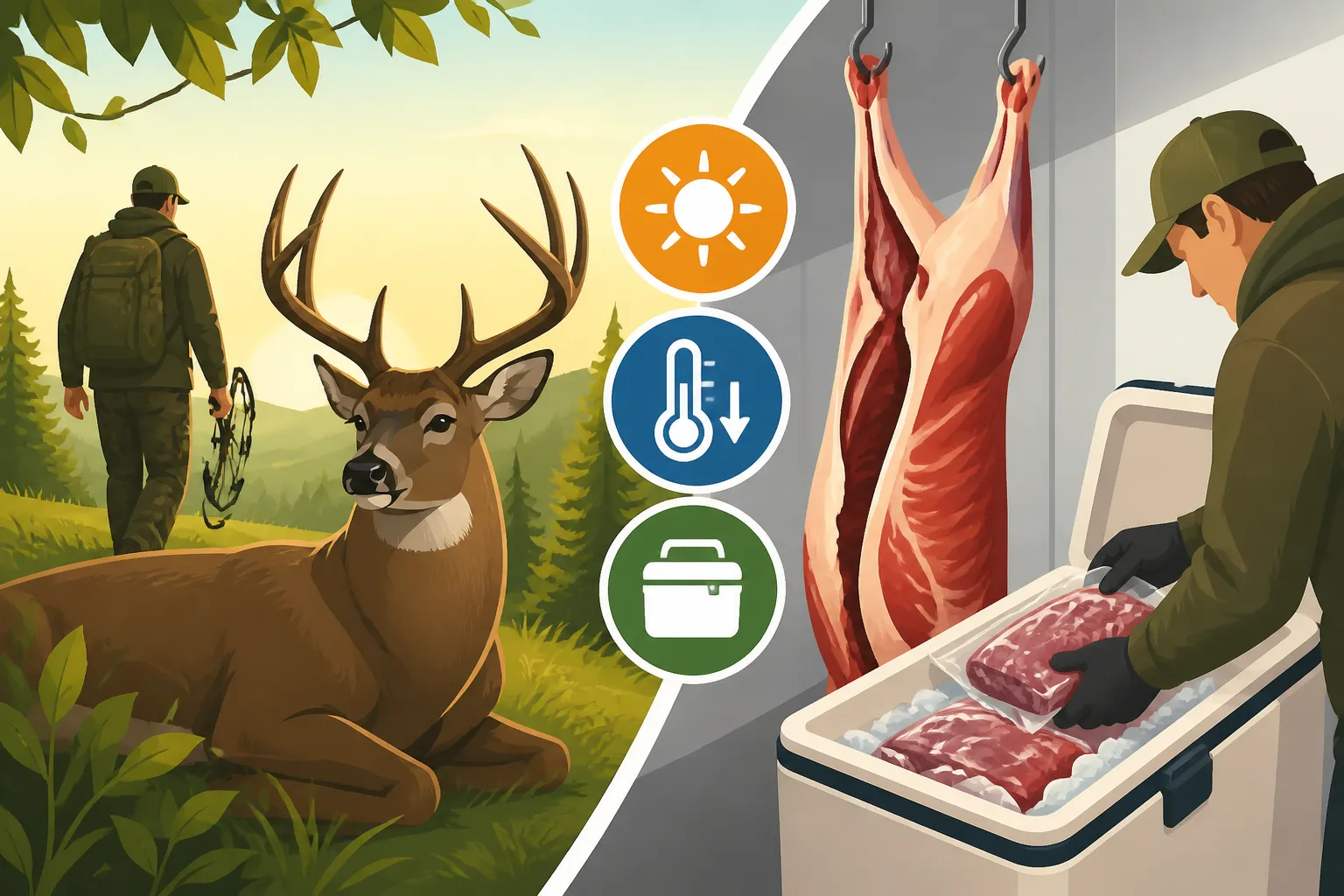
Whether you're moving a whole deer or quarters of a larger animal, strategic packing is key. For quarters, use high-quality game bags to keep the meat clean and allow it to breathe. Pack these into large coolers, ideally elevated off the hot bed of the truck, and surround them with plenty of ice. Drain plugs should be open to let meltwater escape, or you should periodically drain the water to keep the meat dry. Meat submerged in bloody water is a fast track to spoilage and poor flavour.
If you're bringing an entire deer home and it's too large for a cooler, it needs to be placed on a clean tarp in the truck bed, propped open, with ice inside the cavity. A full-length tarp over the entire animal, secured tightly, will protect it. If you're using a vehicle that doesn't allow for internal transport, a dedicated cargo carrier might be beneficial, but again, ensure it’s shaded and insulated. Some hunters even invest in small portable freezers that plug into their vehicle's auxiliary power, a luxury but a game-changer for long hauls in warm weather.
Dealing with Longer Distances and Multi-Day Trips
If your hunt takes you far from home, perhaps for Moose Hunting Ontario's Northern Bush or even a longer drive back from a southern Ontario deer hunt, the logistics of keeping meat cool become even more challenging. For multi-day trips, securing a local cold storage unit or a walk-in freezer at a meat processor near your hunting area is ideal. This allows you to quickly chill the meat to a safe temperature before beginning the long journey home.
If cold storage isn't an option, you'll need a substantial amount of ice and large, well-insulated coolers. Consider dry ice if available, which can keep things frozen for longer, though it requires careful handling and shouldn't come into direct contact with the meat. The key is to refresh your ice supply frequently. Plan your route to pass through towns where you can buy more ice. For truly remote hunts, some outfitters will have dedicated cooling facilities, or you might need to arrange for a fly-out service that can handle temperature-sensitive cargo. Always plan for the worst-case temperature scenario, not the ideal one.
Preparation for Processing: Butcher Shop or Home Kit?
The final stage of meat care involves getting your harvest processed. This can either mean entrusting it to a professional butcher or taking on the satisfying, but labour-intensive, task of home processing. Either way, proper preparation is crucial to ensure the meat quality you've worked so hard to preserve.
Prepping for the Professional Butcher
If you plan to take your deer, bear, or moose to a professional butcher, communication is key. Call ahead, especially if you're coming in during a busy early season, to confirm their hours, capacity, and specific requirements for accepting game. Many butchers appreciate receiving a whole, field-dressed carcass that has been properly cooled, not one that's still warm or already compromised. They might even have specific instructions, such as leaving the hide on or skinned, or how they prefer the animal presented.
When delivering, ensure the meat is as clean as possible. Remove any remaining dirt, leaves, or stray hairs from the cavity. If you've used ice, ensure all water has been drained and the cavity is dry. Transport it securely to prevent further contamination or warming during the final leg of the journey. A good butcher will often provide feedback on the condition of your meat, which can be invaluable for refining your field care techniques in the future. Just remember that even the best butcher can't magically restore meat quality if it was severely compromised by heat in the field.
Home Processing: Chilling, Cutting, and Packaging
For those who enjoy the entire process, home processing is a rewarding endeavour. However, it absolutely requires a clean, cool environment and the right tools. The very first step, even after excellent field care and transport, is ensuring the carcass or quarters are thoroughly chilled. This typically means allowing the meat to "hang" or "age" in a walk-in cooler, a large refrigerator, or a well-chilled garage or shed for several days. This is where Hanging Meat in Fall Temperature Swings considerations become very relevant, ensuring temperatures stay consistently low (just above freezing, 0-4°C / 32-39°F) and the air is dry enough to form a "crust" on the outside of the meat, protecting it while it tenderizes.
Once properly chilled and aged to your preference, you'll need a clean, sanitized workspace, sharp knives, a meat saw, and plenty of cutting boards. Break the animal down into primals, then into consumer-sized cuts. Having good vacuum sealers, freezer paper, or heavy-duty freezer bags on hand is crucial for packaging. Label everything clearly with the cut and date. Rapid freezing is best to prevent large ice crystal formation, which can damage meat texture. Utilizing a separate freezer dedicated to wild game, set to its coldest setting, is ideal.
The Importance of a Clean Workspace
Whether you're prepping for the butcher or processing at home, hygiene is paramount. Bacteria are microscopic and opportunistic. A clean workspace, clean tools, and clean hands are your best defence against contamination. For home processing, this means sanitizing all surfaces, knives, and equipment with a bleach solution or food-grade sanitizer before and after use. Use separate cutting boards for different tasks if possible, and routinely wipe down your area.
Make sure you have access to plenty of fresh, clean water for rinsing and washing. Wearing clean gloves can also help, especially if you have any cuts or scrapes on your hands. Remember that any surface that touches the meat needs to be impeccably clean. This extends to the containers you use to store cut meat temporarily before packaging. By maintaining rigorous hygiene throughout the entire process, from the field to the freezer, you ensure the meat from your Ontario hunt is not only delicious but also safe for you and your family to enjoy.
Meat Care Checklist for Early Season Hunting
To help you keep track of all the important steps, here's a handy checklist for managing your meat when hunting in Ontario's warm early seasons.
| Task Category | Action Item | Key Considerations |
|---|---|---|
| Immediate Field Care | Get to the animal promptly after the shot | Every minute counts. Avoid prolonged trophy photos in heat. |
| Gut the animal quickly and cleanly | Remove all internal organs. Avoid puncturing stomach/intestines. Open body cavity fully. | |
| Maximize airflow and elevate the carcass | Prop cavity open with sticks. Get the animal off the hot ground (logs, rocks). Hang if possible. | |
| Consider field quartering for large game | Essential for moose/bear in warm weather to promote cooling and aid transport. | |
| Field/Camp Cooling | Utilize ice if accessible | Place sealed ice bags in cavity/coolers. Ensure drainage. Replace melted ice. |
| Seek deep shade | Position meat out of direct sunlight. Use natural canopy or create shade. | |
| Exploit wind and night air | Position to allow wind through the cavity. Hang securely overnight if temperatures drop. | |
| Use breathable game bags | Protect meat from insects and dirt while allowing air circulation. | |
| Transport | Shield from sun and road heat | Cover with light-coloured tarp. Place insulation (boughs) between meat and hot surfaces. |
| Pack strategically in coolers | Use quality coolers, plenty of ice. Keep drain plugs open or drain frequently. | |
| Plan for long distances/multi-day trips | Secure local cold storage if possible. Plan ice resupply points. Consider portable freezers or dry ice. | |
| Processing Prep | Communicate with your butcher | Call ahead for instructions, hours, and capacity. Present clean, properly cooled meat. |
| Ensure thorough chilling/aging (home processing) | Hang meat in a cool, dry environment (0-4°C / 32-39°F) for several days to tenderize. | |
| Maintain a clean and sanitary workspace | Sanitize all surfaces, tools, and hands. Use fresh, clean water. Rapidly freeze packaged meat. |
Disclaimer
Hunting is a challenging and rewarding activity that comes with inherent risks. The information provided in this guide is for educational and informational purposes only and should not be considered a substitute for professional advice or formal hunter education. Always refer to and comply with the most current regulations set forth by the Ontario Ministry of Natural Resources and Forestry (MNRF) and other relevant authorities. Ensure you possess all necessary licenses and tags, and prioritize safety, ethical hunting practices, and responsible wildlife management at all times.