Corporate and Group Hunting Trips
Organizing a hunting trip for a corporate group or a large party of friends and family can feel like herding cats. You're trying to balance different skill levels, interests, budgets, and expectations, all while making sure everyone has a memorable, safe, and successful experience in the Ontario wilderness. This guide is here to walk you through everything you need to know to plan a fantastic group hunting trip in Ontario that will build camaraderie, strengthen relationships, and create stories that last a lifetime.
Why Ontario is a Prime Destination for Corporate and Group Hunts
Ontario truly offers a unique backdrop for any group looking to share an outdoor adventure. It’s not just about the incredible hunting opportunities; it’s about the vast, beautiful landscapes and the chance to disconnect from the hustle and bustle together. Whether your group is seasoned hunters or looking for a first-time experience, Ontario delivers a diverse and welcoming environment.
Diverse Game and Landscapes for Every Group
One of Ontario's biggest draws for groups is the sheer variety of game species and hunting environments available. This means you can often tailor a trip that appeals to a wide range of preferences and experience levels within your party. Are some members passionate about big game, while others prefer the fast action of bird hunting? Ontario likely has you covered.
For instance, you might have some in your group dreaming of calling a bull moose in the remote northern bush, while others are keen to experience Whitetail Hunting in Ontario in the more accessible southern regions. Then there are those who might prefer the challenge of Black Bear Hunting in Ontario over bait, or the excitement of Spring Turkey Hunting in Ontario in the blossoming hardwoods. This diversity allows groups to potentially split their focus, or even embark on combination hunts where different members can pursue their preferred species within the same general area, making the trip more engaging for everyone involved.
The Allure of a Shared Outdoor Experience
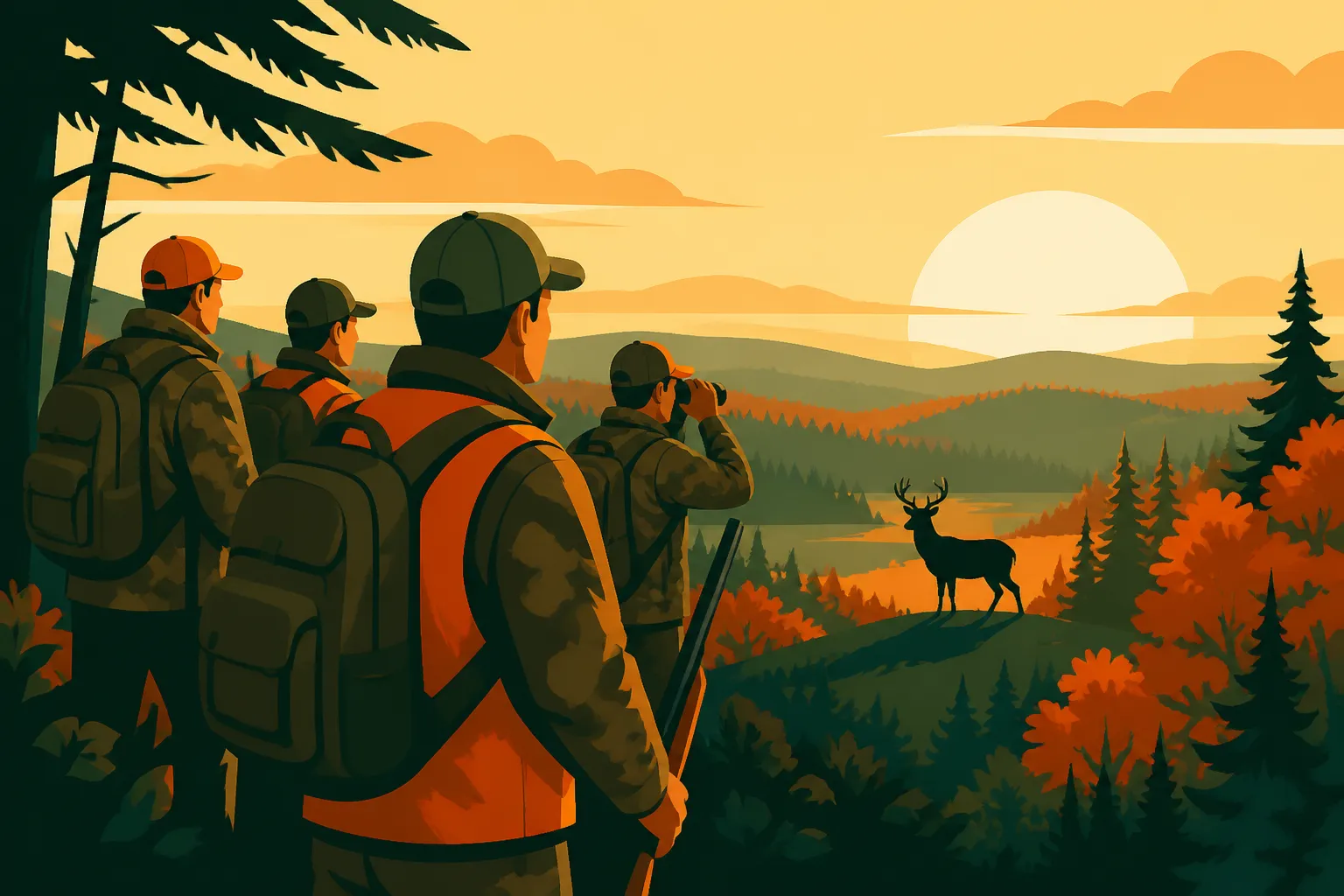
Beyond the hunt itself, group trips are incredibly powerful for team building and fostering deep connections. Imagine spending days tracking game through silent forests, sharing stories around a campfire under a sky full of stars, or celebrating a successful harvest together. These shared experiences, away from the distractions of daily life, forge bonds that are hard to replicate in an office or a conventional meeting room.
For corporate groups, this translates into improved team dynamics, better communication, and a renewed sense of shared purpose. For friends and family, it’s about creating indelible memories, strengthening friendships, and perhaps even passing on hunting traditions to a new generation. The raw, authentic environment of an Ontario hunt strips away formalities, allowing genuine personalities to shine and true camaraderie to flourish. It’s an investment not just in a hunt, but in relationships.
Planning Your Corporate or Group Hunting Trip in Ontario
Planning a hunting trip for multiple people involves a fair bit more coordination than a solo adventure, but with a systematic approach, it can be incredibly rewarding. The key is to start early, communicate clearly, and leverage the expertise of outfitters who specialize in group bookings.
Defining Your Group's Objectives and Preferences
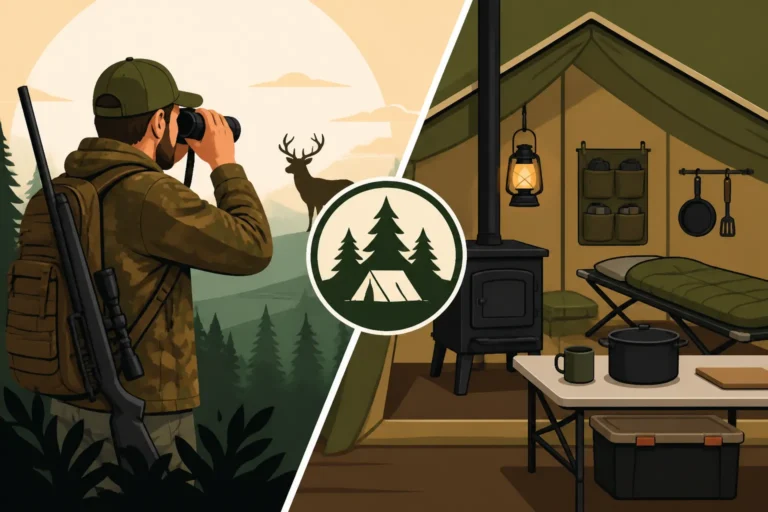
Before you even start looking at outfitters, sit down (or hop on a video call) with your group and clearly define what everyone hopes to get out of the trip. This initial discussion will be your compass. Are you looking for a rustic, back-to-basics wilderness adventure with wall tents and camp cooking, or do you prefer a comfortable lodge with gourmet meals and hot showers? What species are on everyone's wish list? What's the budget per person, and for how many days do you want to be out there?
Consider the hunting experience level of each participant. Are there complete beginners who will need more guidance and potentially easier hunting conditions? Or is your group composed of experienced hunters looking for a challenging wilderness experience? These factors will heavily influence your choice of outfitter and location. For example, if you have new hunters, you might want an outfitter that offers specific instructional packages or a higher guide-to-hunter ratio. Don't forget to ask about non-hunting activities too; sometimes, a mixed group benefits from options like fishing, hiking, or wildlife photography for those who tag out early or prefer a more relaxed pace. This upfront clarity will save you a lot of back-and-forth later on. This is where researching and Choosing the Right Ontario Outfitter really comes into play.
Navigating Outfitters and Packages for Groups
Once you have a good idea of your group's preferences, it's time to start looking at outfitters. Many Ontario outfitters specialize in catering to larger parties and have packages specifically designed for corporate retreats or family groups. These packages often include accommodations, meals, guides, and transportation within the hunting area.
When researching, pay close attention to the details of what’s included versus what’s an extra cost. Will the outfitter handle processing game, or is that an additional service? Are licences and tags part of the package, or do individuals need to purchase those separately? Platforms like BookYourHunt and GoHunt can be invaluable resources here, allowing you to filter by group size, desired species, amenities, and location. They often feature reviews from other hunters, giving you insight into an outfitter's reputation and suitability for groups. Don't hesitate to contact several outfitters directly with your specific group needs and ask for customized quotes. Remember, open communication with the outfitter from the outset is crucial for a successful group hunt.
Here’s a quick overview of common group hunting package types:
| Package Type | Description | Ideal For | Considerations |
|---|---|---|---|
| Fully Guided | All-inclusive: accommodation, meals, guides (often one-on-one or two-on-one), transportation in the field. Equipment may be provided or rented. | Beginners, those seeking maximum comfort and service, corporate groups where clients are guests, or groups pursuing challenging species like moose where expert guidance is paramount. | Highest cost. Less "do-it-yourself" involvement. Ensure guide-to-hunter ratio is appropriate for your group's needs. Confirm what hunting gear (e.g., specific rifle, bow, decoys) is provided vs. what you need to bring. Make sure the food options cater to any dietary restrictions within the group. |
| Semi-Guided | Some services provided (e.g., camp setup, maps, transportation to hunting areas, advice), but hunters are largely responsible for their own hunting strategy and execution. | Experienced groups who want some support but prefer more independence, budget-conscious groups, or those looking to expand their skills. | Requires more hunting experience within the group. Clarify exactly what "semi-guided" entails – it can vary widely between outfitters. Confirm whether the outfitter scouted for you, provides intel, or merely drops you off. Understand your responsibilities for game retrieval and processing. Discuss emergency procedures if you are hunting further afield on your own. |
| Housekeeping | Accommodation provided (cabin, lodge), but groups are responsible for their own cooking, cleaning, and sometimes their own hunting setup (though the outfitter provides access to grounds). | Groups who enjoy cooking and managing their own camp, budget-friendly trips, or those who prefer to bring their own food and have specific dietary needs. Often combined with access to an outfitter's hunting land. | Requires significant group coordination for meal planning, grocery shopping, and chores. Ensure kitchen facilities are adequate for your group size. Confirm what hunting access is included – is it solely self-guided on their land, or do they offer transportation to specific zones? Check bedding and linen arrangements. |
| Drop Camp | Outfitter transports group and gear to a remote, pre-set camp (tents, basic amenities), then leaves them for the duration of the hunt, picking them up later. | Adventurous, self-sufficient groups with strong outdoor skills, minimalists, or those seeking a truly immersive wilderness experience far from civilization. | Requires extensive planning for food, water, first aid, communication, and self-rescue. High level of wilderness experience is a must. Weather can be a major factor. You need to be prepared for everything. Confirm exact drop-off and pick-up times, and emergency communication protocols. Ensure the camp is well-maintained and has necessary shelters. |
Understanding Licences, Tags, and Regulations for Multiple Hunters
This is one area where group coordination is absolutely critical. Every hunter in your party will need to meet Ontario's licensing requirements. This usually means obtaining an Outdoors Card, a hunting licence, and then the specific tags for the species you intend to hunt. For non-residents, there are additional requirements and often different fees. You can find detailed information on Rules for Non-Residents Hunting Ontario.
For species like moose, which are allocated through a draw system, group applications are common and can increase your odds. Make sure you understand Ontario Group Moose Tag Rules if you're pursuing moose. It's vital that everyone in the group understands what type of tags they need, when they need to apply for them, and any specific regulations associated with those tags, such as antlerless validations or controlled hunt validations. An outfitter can often provide guidance on this, but ultimately, each hunter is responsible for being properly licensed. Also, familiarize yourselves with regulations like Ontario Blaze Orange Requirements and Legal Firearms and Bows for Big Game to ensure everyone is compliant and safe.
Logistics and Considerations for a Smooth Group Hunt
The success of a group hunt often hinges on how well the logistics are managed. From where everyone sleeps to what they eat, and how they move around the hunting area, careful planning ensures a harmonious and productive trip.
Accommodations and Camp Amenities for Large Parties
When booking for a large group, you’ll need to consider not just the number of beds, but the overall comfort and layout of the accommodations. Some lodges have large bunkhouses, which can be fun for a group of friends but less ideal for a corporate trip where clients might appreciate more privacy. Others offer individual cabins or rooms, which might come at a higher cost. Discuss with your outfitter how many hunters How Many Hunters an Outfitter Can Take per guide and what the sleeping arrangements are.
Look for common areas where your group can relax, strategize, and socialize together – a large dining room, a communal lounge with a fireplace, or an outdoor fire pit are great for fostering that group dynamic. Ensure there are adequate bathroom facilities, and if showers are important (and they usually are for corporate trips!), confirm their availability and capacity. For remote camps, charging stations for electronics can be a surprising but essential amenity.
Meals, Equipment, and Transportation on a Group Hunt
Food is a critical component of any successful group trip! Whether you're at a fully catered lodge or in a housekeeping cabin, make sure meal plans align with your group's preferences and any dietary restrictions. Communicate these needs to your outfitter well in advance. Some outfitters pride themselves on hearty, home-cooked meals, while others might offer simpler fare. If you’re doing a housekeeping trip, plan your menu, assign cooking duties, and create a grocery list before you leave home to avoid any last-minute stress.
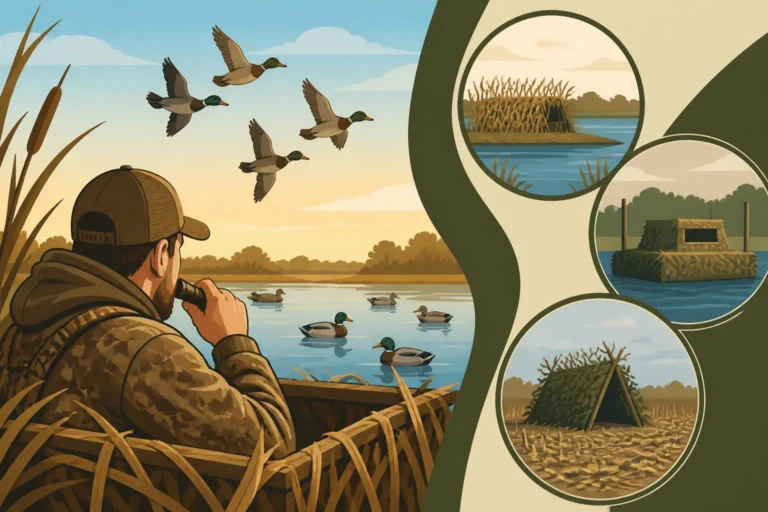
Regarding equipment, create a comprehensive gear list for your group, considering the weather, terrain, and specific hunting methods. This includes everything from appropriate clothing and footwear for Ontario's varied conditions to personal hunting gear like rifles, bows, ammunition, and binoculars. If any specialized equipment is needed, such as ATVs for accessing remote areas or boats for waterfowl hunts, confirm with your outfitter whether these are provided or if you need to arrange rentals. Transportation to the lodge is typically your responsibility, but confirm transportation in the field with your outfitter. Are guides driving you to stands, or are you walking? For specific insights on overall preparation, refer to Planning an Ontario Hunting Trip.
Legal and Safety Protocols for Group Hunting in Ontario
Safety should always be the top priority, especially when hunting with a group. Before heading out, conduct a thorough safety briefing covering firearm handling, shooting zones, communication methods (whistles, radios), emergency procedures, and what to do if someone gets lost or injured. Ensure everyone knows the local regulations, especially regarding shooting hours, bag limits, and animal identification.
It’s often beneficial to have at least one or two members of the group with advanced first aid training. Outfitters will usually have their own safety protocols and emergency plans, which they should review with your group upon arrival. Everyone in the group should have completed the Ontario Hunter Education Requirements and understand their responsibilities. Good communication, discipline, and respect for each other and the hunting environment are paramount to ensuring a safe and enjoyable experience for all.
Maximizing the Group Experience: Beyond the Harvest
While the thrill of the hunt is central, a group trip offers so much more. It’s an opportunity for personal growth, shared learning, and deepening connections that extend far beyond simply filling a tag.
Building Teamwork Through Shared Challenges
Hunting, especially in challenging environments like the Ontario bush, is an excellent crucible for teamwork. Whether it's helping a fellow hunter track a deer, navigating dense cover, or setting up a blind together, these activities demand collaboration, communication, and mutual support. When things get tough – maybe the weather turns, or the game is elusive – working through those challenges as a unit builds resilience and trust within the group.
Imagine a scenario where one member spots a distant moose, and the rest of the group silently works together to plan an approach, utilizing each person's strengths, perhaps one to call, another to watch the wind, and others to position for the shot. Even post-harvest, tasks like field dressing, packing out meat, and caping an animal are often best done as a team, strengthening bonds through shared effort. These moments of collective problem-solving and shared physical exertion create a sense of accomplishment that binds a group together.
Creating Lasting Memories and Business Relationships
A hunting trip is inherently memorable. The sights, sounds, and even smells of the wilderness, combined with the anticipation and excitement of the hunt, embed themselves deeply in our minds. When these experiences are shared with others, those memories become even richer. Around the campfire at night, swapping stories of the day's events – the one that got away, the close encounter, the guide's funny anecdote – these are the moments that truly cement relationships.
For corporate groups, this informal setting provides a relaxed environment for networking and fostering client relationships that go beyond the boardroom. A successful hunt, or even just a challenging but rewarding trip, can leave a lasting positive impression that strengthens business ties and creates goodwill. These shared adventures often become the stuff of legend back in the office, spoken of for years to come.
Non-Hunting Activities for Mixed Groups
Not everyone in a group may be an avid hunter, or perhaps some will tag out early and have spare time. Planning for non-hunting activities is a thoughtful way to ensure everyone has a fulfilling experience. Ontario is rich with outdoor opportunities. Many lodges and outfitters are located near pristine lakes and rivers, offering incredible fishing (walleye, pike, bass are abundant). This could be a perfect "plan B" or a parallel activity for certain members of the group.
Other options include hiking scenic trails, wildlife photography, bird watching, canoeing, or simply relaxing at the lodge with a good book or some friendly card games. Some areas might even have local attractions, historical sites, or small towns worth exploring. Discuss these possibilities with your outfitter, as they often have partnerships or suggestions for activities that can complement the hunting experience and keep everyone engaged and happy throughout the trip.
Disclaimer
This article is for general informational purposes only and does not constitute professional advice. Laws, prices and regulations vary by location and change over time. Consult a qualified professional for guidance on your specific situation.