Shipping Meat Home From Ontario
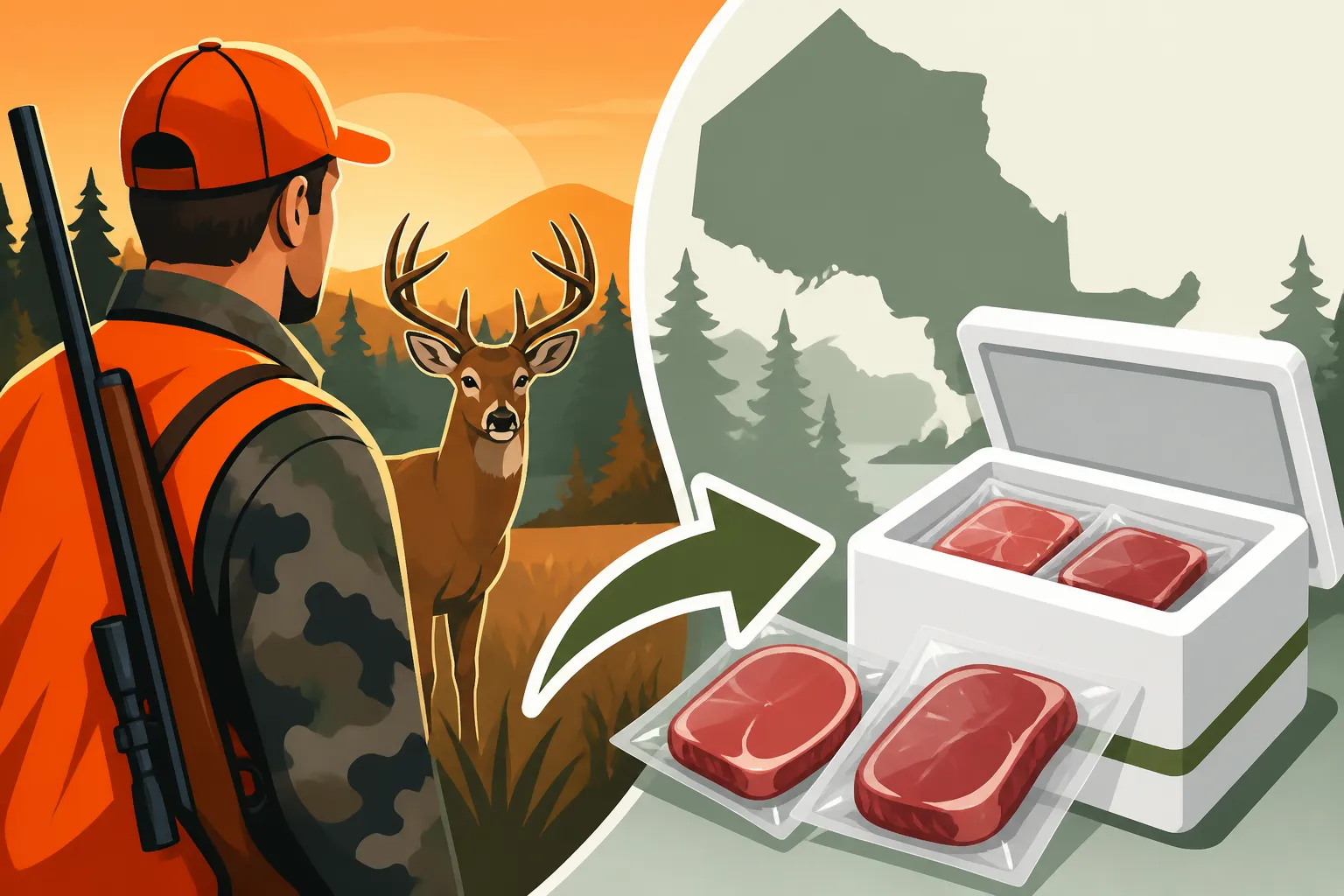
After a successful hunt in the vast Ontario wilderness, the thrill of filling your tag is undeniable. But then, the practical reality sets in: how on earth do you get all that beautiful, hard-earned game meat back to your freezer, especially if home is hundreds or thousands of kilometers away? It's a common headache, and honestly, it can be a real logistical puzzle. This guide will walk you through everything you need to know about preparing, packaging, and ultimately shipping your precious game meat home from your Ontario hunting adventure, making sure your trophy protein arrives safe and sound.
The Initial Challenge: Getting Your Game Processed and Ready to Travel
The journey of your game meat from the Ontario bush to your dinner plate starts long before you even consider shipping. It begins with proper field care and often involves local processing. This initial stage is critical for ensuring the quality and legality of your meat for transport.
Finding a Local Butcher Near Your Camp
For many hunters, especially those visiting from out of province or country, relying on a local butcher is a godsend. These professionals are set up to handle large game, have the right equipment for cutting and wrapping, and critically, have the freezer space to get your meat properly chilled and frozen.
However, finding one isn't always as simple as a quick Google search from a remote hunting camp. In northern Ontario, where many of the best moose and bear hunts happen, butchers can be few and far between, and their schedules often fill up well in advance of hunting seasons. Imagine driving a couple of hours into the nearest town with a moose quartered in the back of your truck, only to find the butcher isn't accepting new game for two weeks. It's a frustrating situation that can be easily avoided with a little foresight. Always, always call ahead. When you're Booking an Ontario Hunt a Year Ahead or even just planning a DIY trip, make finding a local butcher one of your first logistical tasks. Ask your outfitter, if you're using one, as they often have established relationships with processors. They can cut, wrap, and usually vacuum-seal your meat into convenient packages, ready for freezing.
DIY Processing and On-Site Care
For the truly dedicated, or those hunting in areas where local services are simply non-existent, processing your game yourself on-site is a viable option. This means being prepared to do the gutting, skinning, quartering, and often the deboning right there in the field or at your camp.
The most crucial aspect of DIY processing, especially in Ontario's often unpredictable fall temperatures, is rapid cooling. Game meat needs to cool down quickly to prevent spoilage. This could involve hanging quarters in a cool, shady spot overnight, using game bags to protect them from insects, or even packing coolers with ice directly. For deer, Meat Care in Ontario's Warm Early Seasons can be a challenge, requiring immediate attention to temperature. Later in the season, you might be able to rely on ambient temperatures, but still, keep an eye on overnight lows. Once the meat is cooled, you'll need sturdy game bags or clean plastic sheeting to protect it. For long-term storage and travel, you'll want to aim for individual cuts, vacuum-sealed if possible, and then placed in heavy-duty freezer bags. This not only makes it easier to manage but also protects against freezer burn and potential leaks during transport. When temperatures drop, knowing how to handle Hanging Meat in Fall Temperature Swings becomes a vital skill for maintaining meat quality.
Navigating Regulations: Permits, Documentation, and Cross-Border Considerations
This is where things can get a little complicated, especially for non-resident hunters. Transporting game meat isn't as simple as tossing it in a cooler and hitting the road. There are specific rules and documents you absolutely must have.
The All-Important Export Permit for Non-Residents
If you're a non-resident hunter heading home with game meat from Ontario, listen up: you generally need an export permit. This isn't just a suggestion; it's a legal requirement designed to ensure that all game leaving the province has been legally harvested. Without it, you risk having your hard-earned meat confiscated at the border, which is a heartbreaking scenario no hunter wants to experience.
The process for obtaining this permit can vary slightly, but often your outfitter can assist you, or you might need to visit a local Ministry of Natural Resources and Forestry (MNRF) office. It's crucial to apply for and receive this permit before you leave the province. Make sure you understand Getting a Non-Resident Export Permit well in advance of your trip. The permit will detail the species, quantity, and often the specific tag number associated with your harvest. It's proof that you've adhered to all provincial hunting regulations. Furthermore, understanding What the Export Permit Covers will help you avoid any misunderstandings at the border. Remember, you'll also need to have your hunting license and the physical game tag properly notched and attached to a major portion of the carcass or package, as per Ontario Tag Notching and Attachment Rules, to prove legal possession. This documentation is your golden ticket for smooth passage.
Border Crossing Rules for Game Meat
Crossing the international border (into the U.S., for example) with game meat adds another layer of complexity. Both Canadian and U.S. Customs and Border Protection (CBP) agencies have strict rules regarding the import and export of animal products, primarily to prevent the spread of diseases.
Here's what you need to know:
- Proof of Legal Harvest: Always have your Ontario hunting license, species tags, and the non-resident export permit readily available. These documents prove your meat was legally taken.
- Processing and Packaging: Generally, meat must be deboned and properly packaged (e.g., vacuum-sealed or tightly wrapped in freezer paper, then placed in leak-proof coolers). Some specific regulations might apply to certain cuts or organs. For instance, sometimes certain lymphatic tissues or central nervous system parts are discouraged or prohibited due to disease concerns, even if Ontario is currently free of certain diseases like CWD. It's always best practice to debone your meat as much as possible for ease of transport and to comply with regulations.
- Inspection: Be prepared for customs officials to inspect your coolers and documentation. Honesty and transparency are your best friends here. Declare all game meat you are transporting.
- USDA/CFIA Regulations: While Ontario provides the export permit, the receiving country (e.g., the U.S.) has its own import regulations. It's your responsibility to check the latest USDA (United States Department of Agriculture) regulations before your trip. These can change, so a quick check on their website or calling a border crossing office in advance is highly recommended. Many hunters use resources like GoHunt or similar platforms to stay abreast of regulation changes, though ultimately, official government sites are the definitive source.
- Other Animal Parts: If you're bringing back antlers, capes for taxidermy, or skulls, these often have separate regulations and may require additional permits or declarations. Make sure you're aware of the rules for Taking Meat and Antlers Across the Border.
Domestic Transport Within Ontario
For Ontario residents moving game meat within the province, the rules are generally simpler, but still require diligence. You typically don't need an export permit, but you must always be able to prove legal possession. This means having your valid hunting license and the game tag attached to the animal or its largest portion until it's processed. Once processed and packaged, it's advisable to keep a copy of your license and tag number with the meat during transport, just in case you're stopped by a Conservation Officer. The key is demonstrating that the meat came from a legally harvested animal during a valid season. Always refer to Transporting Game Meat in Ontario for the most current rules.
Packaging and Shipping Strategies for Safe Passage
Once your meat is processed and you've got your paperwork in order, the next big hurdle is getting it safely packed and moved. The method you choose will depend on the amount of meat, your budget, and how far you're traveling.
Choosing the Right Containers and Coolants
The right packaging is absolutely paramount to prevent spoilage and ensure your meat arrives in prime condition.
- Coolers: Invest in high-quality, roto-molded coolers. Brands like Yeti, RTIC, or Orion are popular for a reason—they offer superior insulation, durability, and a tight seal. These aren't cheap, but they're worth every penny for protecting your valuable harvest. For long trips, multiple coolers might be necessary, especially if you've had a successful moose or large bear hunt.
- Packaging: Within the coolers, ensure all meat is double-bagged or vacuum-sealed. This prevents blood or moisture from leaking out (which could cause customs issues or contaminate other items) and protects the meat from freezer burn.
- Coolants: Dry Ice vs. Gel Packs/Block Ice:
- Dry Ice: This is the gold standard for long-distance transport, especially if you're flying or have a multi-day drive. Dry ice is extremely cold and sublimes (turns directly into gas) rather than melts, so it won't leave your meat swimming in water. It's available at many grocery stores or specialized suppliers. You'll need to handle it with gloves and ensure proper ventilation in your vehicle, as the CO2 gas it releases can be dangerous in enclosed spaces. Pack it on top of the meat, as cold sinks.
- Gel Packs/Block Ice: For shorter trips or as a supplement to dry ice, large gel packs or frozen blocks of ice work well. Crushed ice melts too quickly and leaves a watery mess. Pre-freezing your meat solid before packing with these coolants will significantly extend their effectiveness.
Shipping via Commercial Carrier (Air Cargo or Freight)
For many non-resident hunters, particularly those flying into Ontario, shipping meat via commercial air cargo or a specialized freight service is often the only practical solution. This is not like checking an extra bag at the airport.
- Airlines and Cargo Services: Not all airlines accept game meat, and those that do usually handle it through their dedicated cargo division, not as regular checked baggage. You'll need to contact the airline directly (e.g., Air Canada Cargo, WestJet Cargo, FedEx Cargo) to inquire about their specific policies, packaging requirements, costs, and scheduling. BookYourHunt, a platform for booking guided hunts, may have outfitters who can advise on local air cargo options as part of their service package, but direct communication with the carrier is essential.
- Packaging and Labeling: Cargo services will have very strict rules about how your coolers are packaged and labeled. They often require specific types of coolers, reinforcement, and clear labeling with your name, address, contact information, and contents. You may need to declare dry ice content.
- Costs: This can be expensive. Rates are typically based on weight, volume, and distance. Be prepared for a significant cost, which can add hundreds of dollars to your hunting trip expenses. Factor this into your budget when you're considering What is Never Included in a Package for a guided hunt.
- Timing: Arrange shipping well in advance. Cargo space can be limited, especially during peak hunting seasons. Be aware of flight schedules and pickup times at your destination airport. Delays can happen, so a solid contingency plan, like ensuring your meat is completely frozen, is key.
Driving it Home Yourself
If you drove to Ontario, driving your game meat home is generally the most straightforward and often the most economical option. However, it still requires careful planning.
- Vehicle Preparation: Ensure your vehicle has adequate space for coolers and that they are secured to prevent shifting. A liner in your truck bed or cargo area is a good idea to protect against any unexpected leaks.
- Cooler Management: Pack your coolers as full as possible with frozen meat and your chosen coolant. The less air space, the longer the contents will stay frozen. On multi-day drives, you'll need a plan to replenish ice or dry ice. Research locations along your route where you can purchase more. Think about where you can access ice from Truck Kit for a Northern Ontario Hunt to resupply your coolers.
- Documentation: Keep all your hunting licenses, tags, and especially your export permit (if applicable) easily accessible, not buried at the bottom of a cooler. You should be able to produce these documents immediately if stopped by law enforcement or border agents.
- Border Crossing: Be ready to declare your meat at the border and follow all instructions from customs officials. Having all your paperwork in order for Crossing the Border With a Rifle is good practice, and the same diligence applies to your game meat.
Practical Tips and Common Pitfalls
Successful meat transport, much like a successful hunt, often comes down to preparation and avoiding common mistakes.
Planning Ahead is Key
This cannot be stressed enough. Don't wait until you've got a deer or moose on the ground to figure out how you're getting the meat home.
- Research Processors: Before you even leave home, identify potential butchers in the vicinity of your hunting area. Call them, confirm their services, hours, and whether they can take your game. Some may require appointments weeks in advance during busy seasons.
- Understand Regulations: Thoroughly review all Ontario regulations for harvest and transport, and if you're a non-resident, the import regulations for your home country or state. Websites like GoHunt might offer summarized information, but always cross-reference with official government sources. Knowing the rules for Planning an Ontario Hunting Trip includes knowing how to get your meat home.
- Budget for It: Meat processing, packaging materials, dry ice, and shipping costs can add up quickly. Factor these into your overall hunting budget. It's an essential part of the experience, and neglecting it can lead to unfortunate surprises.
- Communicate with Outfitters: If you're booking a guided hunt, discuss meat processing and transport options with your outfitter well in advance. Many outfits have systems in place or can direct you to reliable services. Some might even offer it as an add-on service.
Dealing with Unexpected Delays or Issues
Life happens, and sometimes even the best-laid plans go awry.
- Frozen Solid: The best defense against delays is to ensure your meat is absolutely, completely frozen solid before it starts its journey. This buys you precious time if a flight is delayed or you get stuck on the road.
- Backup Coolant: Always carry extra ice or dry ice if possible, especially on long drives. Know where you can buy more along your route.
- Contact Information: Have the phone numbers for your butcher, outfitter, airline cargo, and relevant border agencies readily available.
- Contingency for Thawing: If, despite your best efforts, some meat begins to thaw, prioritize getting it to a freezer as quickly as possible. If it's only partially thawed and still very cold, it might be safe to refreeze, but use your best judgment. Any meat that has become warm to the touch or smells off should be considered spoiled.
Cost Considerations for Shipping Meat
Let's be realistic: getting that game meat home isn't free. Here’s a general idea of what costs you might incur:
| Expense Category | Description | Typical Costs (Shape) |
|---|---|---|
| Processing (Butcher) | Cutting, wrapping, freezing, often vacuum-sealing. | Varies significantly by animal size and services |
| Export Permit (Non-Res) | Required for non-residents to take game meat out of Ontario. | A nominal fee from the MNRF |
| Coolers | High-quality, durable coolers for insulation. | A substantial upfront investment, lasts for years |
| Packaging Materials | Vacuum bags, freezer paper, heavy-duty garbage bags. | Relatively minor, but adds up for large harvests |
| Coolants | Dry ice (by weight) or block ice/gel packs. | Modest daily cost for dry ice or re-freezing packs |
| Commercial Shipping | Air cargo, freight services (based on weight, volume, distance). | Can be hundreds of dollars, depending on destination/size |
| Additional Baggage Fees | If trying to check coolers as oversized/extra luggage (less common). | Variable, often high per cooler/weight |
These costs are an investment in your harvest. The satisfaction of enjoying your wild game throughout the year is definitely worth the effort and expense, but it’s vital to go into it with open eyes and a well-planned budget. A successful hunt doesn't end when the animal is down; it ends when that delicious, well-cared-for meat is safely in your freezer.
Disclaimer
This article is for general informational purposes only and does not constitute professional advice. Laws, prices and regulations vary by location and change over time. Consult a qualified professional for guidance on your specific situation.