What Ontario Outfitters Provide in Camp
It's a common dilemma when you're dreaming of an Ontario hunting adventure: you've heard about outfitters, but what exactly do they provide when you book a trip? The truth is, it's not always cut and dry, and expectations can clash with reality if you don't know what questions to ask. This guide is going to walk you through the various levels of service and amenities you can expect from Ontario outfitters, so you can plan your hunt with confidence and avoid any unwelcome surprises.
The Fundamental Choices: Housekeeping vs. American Plan Camps
When you start looking at Ontario outfitters, one of the first things you'll encounter is the distinction between "housekeeping" and "American Plan" packages. These terms are key to understanding the level of service you'll receive, especially when it comes to things like food and daily chores. Misunderstanding these can lead to frustration, so let's break them down.
The "Do-It-Yourself" Housekeeping Camp
Think of a housekeeping camp as your home away from home, but in the wilderness. The outfitter provides the lodging – typically a cabin or cottage – and often some basic equipment like a boat for fishing or transportation to hunting areas. However, the "housekeeping" part means you are responsible for everything else. You're bringing your own groceries, cooking your own meals, cleaning your own dishes, making your own beds, and generally taking care of your day-to-day needs. It's truly a self-sufficient experience once you're settled in.
This style of camp is fantastic for groups who enjoy the camaraderie of cooking together, or for hunters on a tighter budget who want to control their food costs and preferences. It offers a lot of freedom and privacy. You'll pack all your favourite snacks, prepare your hearty breakfasts before hitting the woods, and come back to cook a well-earned dinner. You'll also be in charge of ensuring the cabin is tidy upon departure, just like you would with a rental cottage. For a deeper dive, check out What a Housekeeping Camp Actually Means.
The Full-Service American Plan
The American Plan, on the other hand, is the quintessential all-inclusive hunting experience. When you book an American Plan package, the outfitter typically provides your lodging, all your meals, and often includes guide services and some field transportation. You wake up, eat a hot breakfast prepared by camp staff, grab your packed lunch, and head out with your guide. When you return, a delicious dinner is waiting. Your bed might even be made, and your cabin kept tidy by staff. It's designed to let you focus entirely on the hunt and enjoying your time in nature, without worrying about cooking or cleaning.
This option is perfect for those who want to maximize their hunting time, aren't keen on cooking after a long day in the bush, or simply prefer a more pampered experience. It's also often chosen by non-residents who might find sourcing groceries in a remote area challenging, or by corporate groups looking for a seamless trip. The meals can range from hearty, home-cooked camp fare to more gourmet options, depending on the lodge.
Hybrid or Semi-Guided Options
The world of outfitting isn't always black and white, and many operations offer a blend of services. A "semi-guided" hunt might include lodging and some level of advice or pre-scouting by the outfitter, but without a dedicated guide accompanying you every day. They might point you to good hunting spots, provide maps, or drop you off and pick you up at specific locations. Similarly, some "housekeeping" camps might offer an add-on meal service for an extra fee, or provide boats and motors but leave the cooking to you.
These hybrid models are great for hunters who appreciate some support and local knowledge but still want the independence of doing much of the hunting themselves. It’s a way to bridge the gap between a completely self-guided trip and a fully outfitted, guided experience, allowing you to tailor your adventure more closely to your preferences and budget. It's always worth asking outfitters about their flexible options, as they often have unique packages designed to meet various needs.
Digging Deeper into Camp Amenities and Comforts
Beyond the basic service models, the actual amenities and comforts provided in an outfitter's camp can vary wildly. Understanding these details will help set your expectations for the standard of living during your hunt. Are you looking for rustic charm or creature comforts? Let's explore.
Lodging Types and Their Realities
Ontario outfitters operate out of a range of accommodations. You might find yourself in a traditional log cabin, a more modern framed cottage, or even a room in a larger lodge building. The level of "rustic" truly varies. Some cabins might have wood stoves for heat, requiring you to tend the fire, while others will have propane or electric furnaces with thermostats. Beds can range from simple bunks with foam mattresses to comfortable queen-sized beds with linens provided. It's rare for an outfitter not to provide a bed, but whether you need to bring your own sleeping bag or if fresh linens and towels are supplied is a critical question to ask.
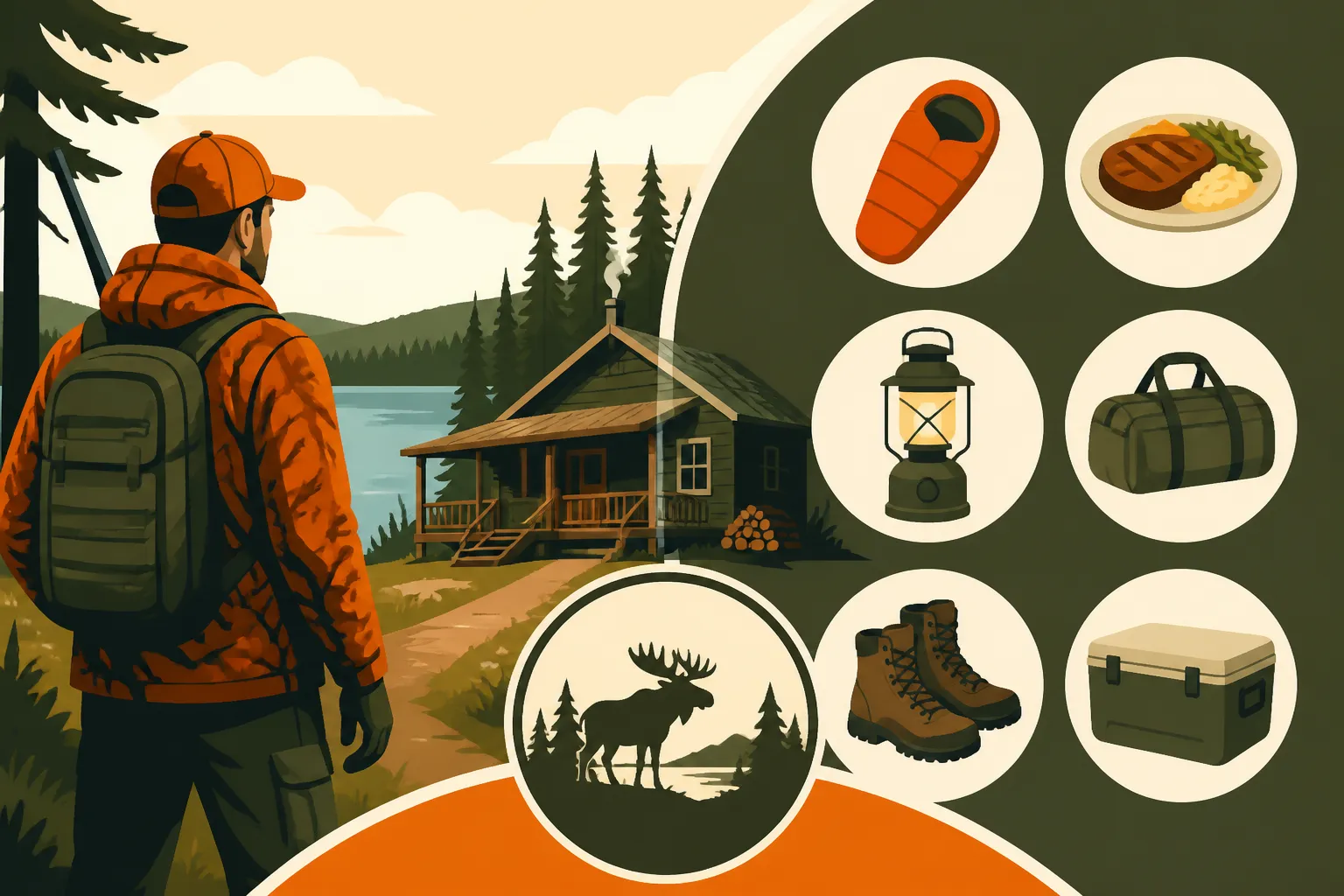
Power sources are another consideration. Many remote camps rely on generators, which might mean electricity is only available during certain hours, or they might run on solar power with battery banks. More accessible camps typically have grid power. Knowing this impacts everything from charging your electronics to how much light you'll have in the evenings. For those heading north, understanding What to Bring to an Ontario Bush Camp can make a huge difference in your comfort.
Essential Facilities: Water, Washrooms, and Showers
This is where expectations can really diverge. In a truly remote, traditional bush camp, "running water" might mean a hand pump outside or water delivered to a holding tank. Washrooms could be an outhouse (a classic part of the bush experience!) or a composting toilet. Showers might be a simple solar-heated bag, a propane-heated outdoor shower, or a full indoor bathroom with hot and cold running water and a flush toilet.
More modern or accessible camps will usually feature indoor plumbing with hot and cold water, flush toilets, and proper shower stalls, similar to what you'd find at home. However, even in these camps, water conservation might be encouraged, especially if the camp relies on well water or a limited supply. Always clarify these details before booking, especially if you have specific comfort needs. Don't be shy about asking if there's hot water for a real shower after a long day.
Connectivity and Emergency Preparedness
In today's connected world, many hunters want to know if they'll have cell service. In vast stretches of Ontario's hunting country, especially the northern regions, cell service is non-existent. Outfitters in these areas might provide satellite phones for emergencies or have Wi-Fi available (often satellite-based and limited). It's crucial to understand the reality of Cell Service at an Ontario Bush Camp before you go.
Beyond connectivity, outfitters should have clear emergency plans in place. This includes knowing how to contact help, where the nearest medical facilities are, and how they would evacuate someone in a serious situation. For many remote camps, this involves float planes or boat transport to the nearest road access, which can take time. Knowing these protocols provides peace of mind, both for you and for your loved ones back home. A reputable outfitter will be transparent about their safety measures and communication capabilities.
Food, Field Support, and Gear: What Outfitters Really Provide
Once you've sorted out where you'll be sleeping and how you'll be living, the next big questions revolve around the actual hunting experience itself – what help will you get in the field, and what essential provisions are covered?
Meal Provisions and Dietary Needs
For American Plan hunts, the outfitter handles all your meals. Expect hearty, fuel-you-up-for-the-day type of food. Breakfasts might be eggs, bacon, pancakes, toast, coffee. Lunches are often packed sandwiches, snacks, fruit, and drinks that you take with you into the field. Dinners are typically full, cooked meals – think roasts, stews, pasta, potatoes, vegetables, and sometimes dessert. It's often family-style dining, fostering a great sense of community among hunters.
If you have specific dietary restrictions or allergies (gluten-free, vegetarian, nut allergies, etc.), it is absolutely critical to communicate these well in advance of your trip. While most outfitters are accommodating, they need time to plan and purchase special ingredients, especially in remote areas where grocery runs aren't a daily affair. Don't assume they'll know, and don't wait until you arrive to mention it. For those managing their own food in a housekeeping camp, you'll be packing your own coolers with everything you need, so precise planning is essential.
Transportation and Equipment
Many Ontario outfits provide some form of transportation for hunting. This could mean boats and motors for lake access, ATVs or side-by-sides to get deeper into the bush, or trucks for road access to specific areas. The condition and availability of this equipment are important factors. Are fuel costs for these vehicles included in the package, or are they an extra charge? Do they provide life jackets for boat use, and are they properly maintained?
Some outfitters might also have stands or blinds already set up on prime hunting ground, or they might provide portable stands for you to use. Others might expect you to bring your own. If you're targeting specific game, like Moose Hunting Ontario's Northern Bush or Whitetail Hunting in Ontario, specialized gear or methods might be part of the package. Always clarify what equipment is provided, what you're expected to bring, and any associated costs or rules for use.
Game Handling and Retrieval Assistance
This is a really important aspect that often gets overlooked until the moment of truth. What happens after you successfully harvest an animal? Will the outfitter and guides assist with game retrieval – dragging a deer out of a swamp, or quartering a moose in the deep bush? Most reputable outfitters offer assistance with field dressing and getting your animal back to camp.
Once back at camp, will they have facilities for proper meat care? This might include a clean area for skinning and quartering, and perhaps a walk-in cooler or freezer to store the meat, especially during warmer early seasons. Many hunters planning a hunt will want to know about Getting Meat Processed in Ontario or other meat care considerations. Some outfitters might have an arrangement with a local butcher, while others will expect you to handle it yourself, providing only the space and perhaps some basic tools. Clarifying these details upfront ensures you're prepared for the physical demands and logistics of handling your harvest.
The Role of the Guide and Beyond the Package Deal
While many outfitters provide fantastic services, it's vital to understand the guide's specific role and what isn't typically covered in your package price. This knowledge helps you budget accurately and manage your expectations for the overall trip.
The Guide's Responsibilities and Limitations
A good guide in Ontario is a treasure. They are your eyes and ears in the bush, leveraging years of local knowledge to put you in the best position for success. Their responsibilities often include: pre-scouting areas, providing invaluable advice on hunting techniques for the specific terrain and species, identifying game, and assisting with tracking and retrieval. They can help with calling, rattling, or setting up blinds. However, it's important to remember that a guide is there to assist you in hunting, not to hunt for you.
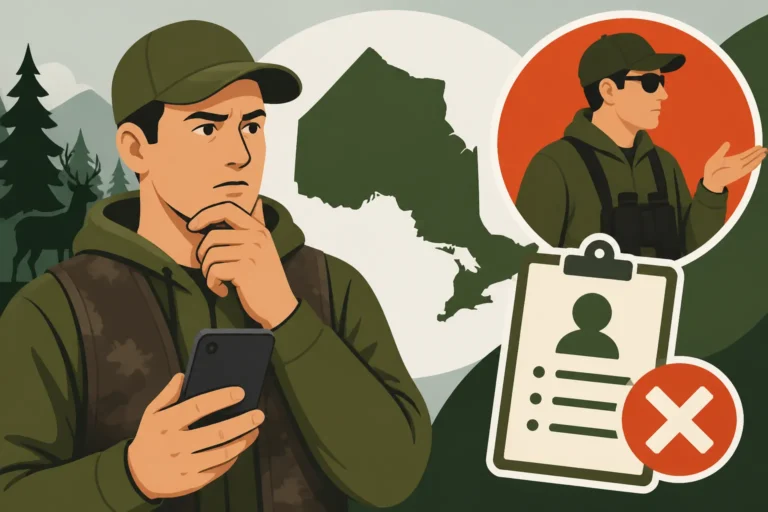
They cannot carry your firearm (unless specifically licensed to do so and under certain conditions, which is rare for a client's gun), nor can they shoot your animal for you. They won't make the shot decision, but they will guide you towards understanding what constitutes a legal and ethical shot. For non-residents, they are also a crucial resource for understanding local regulations and ensuring you comply with all Ontario hunting laws. Familiarize yourself with What an Ontario Guide Cannot Do to avoid misunderstandings.
What's Often NOT Included (and Why it Matters)
This is where many hunters get caught off guard. While an outfitter package might seem all-inclusive, there are almost always a few significant items that you'll need to budget for separately. These typically include:
- Hunting Licenses and Tags: You are almost always responsible for purchasing your own Ontario Hunting Licences and What They Cost and specific game tags (like deer, moose, or bear tags). The outfitter can guide you on which to buy, but the cost is yours.
- Gratuities (Tips): Tipping your guide and camp staff is customary in the outfitting industry. It's a significant expense that often goes overlooked. Research How Much to Tip an Ontario Guide before your trip.
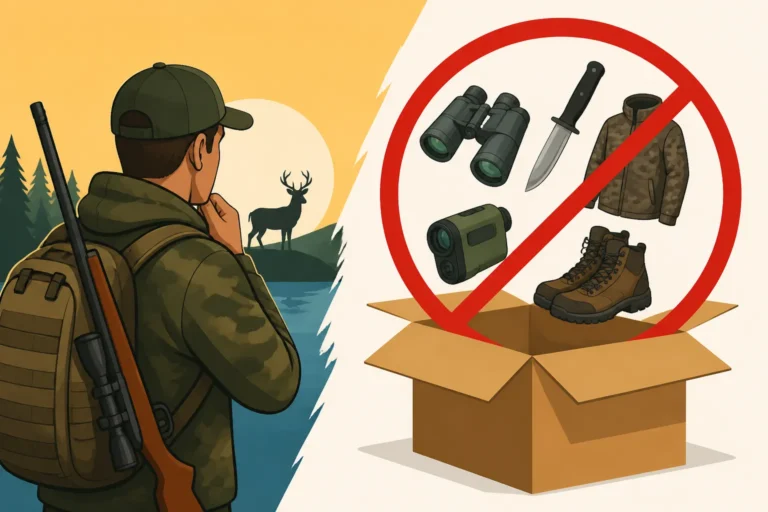
- Personal Hunting Gear: Your rifle, bow, ammunition, binoculars, clothing, boots, and personal items are your responsibility.
- Travel to and from the Outfitter: Your flights, car rental, and fuel to get to the outfitter's base camp are rarely included.
- Alcohol and Personal Beverages: While some packages might include basic beverages, special requests or alcoholic drinks are usually extra.
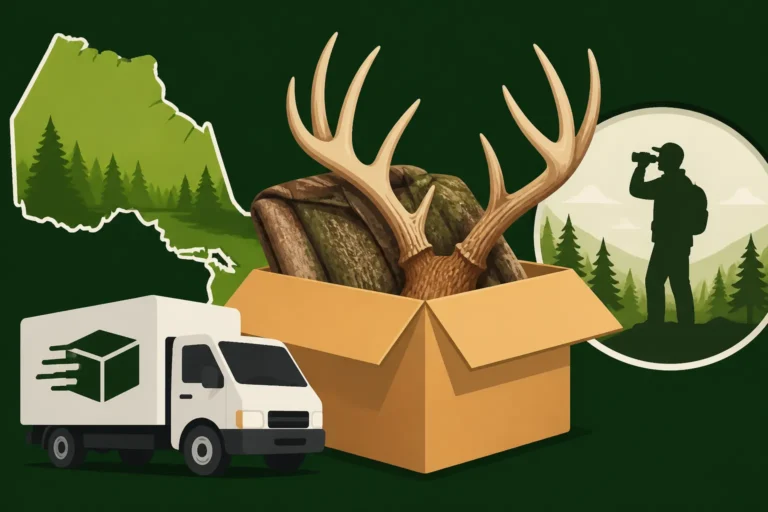
- Meat Processing, Taxidermy, and Shipping: After your animal is retrieved, the costs for professional butchering, caping for a taxidermist, the taxidermy work itself, and shipping meat or trophies home are generally not covered. Many non-residents will need to consider Getting a Non-Resident Export Permit.
- Non-Resident Firearm Declaration: For those crossing the border, there's a fee and process for declaring your firearms, which is your responsibility. This is explained in detail in The Non-Resident Firearm Declaration.
It's absolutely vital to review the outfitter's contract or brochure carefully to understand What Is Never Included in a Package. Always ask for a detailed breakdown of what's covered and what isn't.
Vetting an Outfitter and Managing Expectations
Choosing the right outfitter is paramount to a successful and enjoyable trip. Don't just pick the first one you see. Take your time, do your research, and manage your expectations realistically. Start by asking friends for recommendations, or look at reputable online platforms. Websites like BookYourHunt and GoHunt often feature lists and reviews of outfitters, which can be a great starting point for finding options that match your desired hunt.
Once you have a few in mind, contact them directly. Ask specific questions about everything we've discussed: camp amenities, food, equipment, guide services, and especially what's not included. Don't hesitate to ask for references from past clients, and actually follow up with them. A good outfitter will be transparent and happy to provide this information. For more comprehensive advice, read How to Vet an Ontario Outfitter. Remember, booking your Ontario hunt, especially for popular species, often needs to be done Booking an Ontario Hunt a Year Ahead or even further in advance. This lead time also gives you ample opportunity to clarify all these details.
To summarize the typical offerings, here's a quick comparison:
| Feature | Housekeeping Camp | American Plan Camp | Semi-Guided Package |
|---|---|---|---|
| Lodging | Private cabin/cottage, rustic to comfortable | Private cabin/room within lodge, usually well-appointed | Similar to housekeeping, may have shared facilities |
| Meals | Self-catered; you bring & cook all food | All meals prepared & provided by camp staff | Self-catered or optional meal plans |
| Guide Service | None | Dedicated guide(s) for your group | General advice, area orientation, drop-offs |
| Transportation (Field) | Often provided (e.g., boat), but you operate | Provided & operated by guide | May be provided for specific access points |
| Game Handling Assistance | Basic facilities (e.g., hanging pole) | Field dressing, retrieval, initial processing | May vary, inquire specifically |
| Linens & Towels | Bring your own | Provided | May vary, inquire specifically |
| Power/Water | Varies widely, may be limited | Generally more amenities, consistent power/water | Varies widely |
| Likely Costs NOT Included | Licenses, tags, personal gear, tips, food | Licenses, tags, personal gear, tips, alcohol, meat processing | Licenses, tags, personal gear, tips, food |
| Best For | Independent hunters, budget-conscious groups | Hunters seeking maximum convenience & support | Hunters wanting some support but prefer independence |
Disclaimer
This article is for general informational purposes only and does not constitute professional advice. Laws, prices and regulations vary by location and change over time. Consult a qualified professional for guidance on your specific situation.