One-on-One Versus Two-on-One Guiding
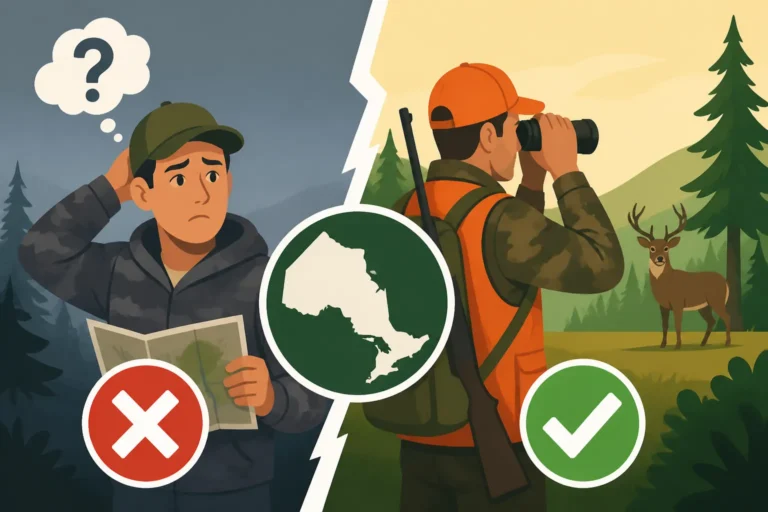
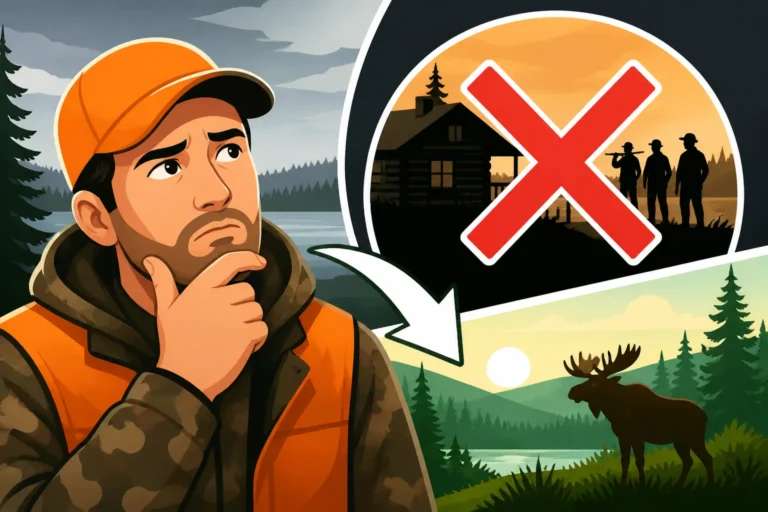
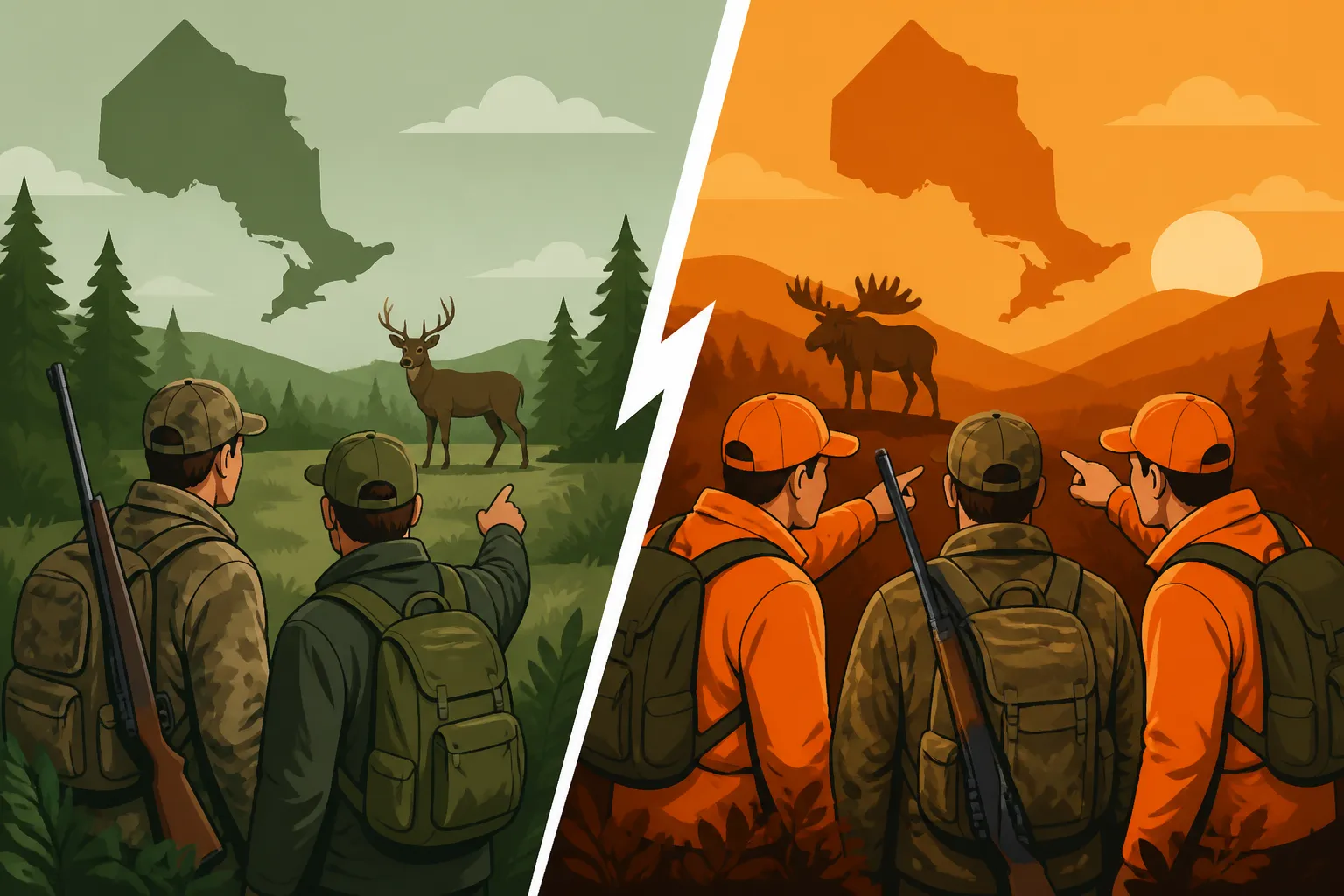
One of the biggest questions that rolls around in a hunter's mind when planning a guided trip to Ontario, especially for big game, is whether to go solo with a guide or share that guide with another hunter. It's a common dilemma, and one that significantly impacts your experience, your budget, and ultimately, your chances of success. This guide will meticulously break down the differences between one-on-one and two-on-one guiding, helping you decide which approach aligns best with your hunting style and expectations for an unforgettable Ontario adventure.
Understanding the Core Differences in Guiding Ratios
When you book a guided hunt, the "ratio" refers to the number of hunters per guide. A one-on-one hunt means you have a dedicated guide solely focused on you. A two-on-one hunt, as the name suggests, means two hunters are sharing one guide. This might seem like a simple numerical difference, but in the thick of the Ontario bush, those numbers translate into vastly different experiences, opportunities, and considerations. It's not just about who pulls the trigger; it's about the entire journey, from scouting to tracking to the quiet moments in between.
The Dynamics of Shared Attention and Focus
Imagine you're out calling moose in the vast boreal forest, or patiently waiting for a black bear over a bait site. With a one-on-one guide, their entire attention, their years of experience, and their energy are devoted to your hunt. They're watching your body language, listening to your concerns, and constantly strategizing based on your movements and your preferences. This undivided focus can be a huge advantage, especially when opportunities are fleeting or when you're navigating challenging terrain.
In a two-on-one scenario, that attention is naturally split. The guide is managing two individuals, two sets of expectations, and potentially two different skill levels or physical capabilities. If one hunter needs more assistance, or if a shot opportunity arises for one, the other hunter might feel momentarily sidelined. It's a balancing act, and a good guide will strive to make both hunters feel equally involved, but the reality is that their focus will shift. This doesn't necessarily mean a worse hunt, but it's a different dynamic that requires flexibility and understanding from both hunters. When you're trying to decide, browsing options on platforms like BookYourHunt can give you an idea of what different outfitters typically offer in terms of hunter-to-guide ratios for various species, allowing you to gauge the typical setup.
The Impact on Flexibility and Decision-Making
A one-on-one guide offers unparalleled flexibility. If you want to spend an extra hour glassing a distant cut, or change your strategy mid-day because the wind shifted, your guide can pivot immediately with only your needs in mind. There's no need to consult with a second hunter or compromise on an approach. This can be crucial in hunts where conditions change rapidly or where a specific tactic needs to be deployed quickly, like Rattling and Calling Ontario Whitetails during the rut. Your hunting day can be tailored specifically to your endurance, your shooting comfort, and your specific goals.
Conversely, a two-on-one hunt inherently involves more compromise. If one hunter is an early riser and the other prefers a slower morning, decisions will need to be made. If one hunter has a physical limitation that slows progress, the other hunter needs to be patient. Every decision, from where to hunt next to when to break for lunch, often becomes a group consensus, or at least a guide-driven decision that aims to satisfy two clients. This isn't always a bad thing; sometimes the shared input can lead to creative solutions or a more enjoyable social experience. However, for those with a very specific vision for their hunt, this shared decision-making can feel restrictive.
The Pros and Cons of One-on-One Guiding
For many hunters, the thought of having a guide all to themselves is the pinnacle of a guided experience. It conjures images of seamless communication, personalized strategies, and an uninterrupted focus on the hunt at hand. While there's a definite allure to this level of service, it comes with its own set of advantages and disadvantages that every hunter should weigh carefully before committing.
Advantages of One-on-One Guiding
One of the most obvious benefits of a one-on-one setup is the sheer amount of personalized attention you receive. Your guide is literally your shadow, working tirelessly to put you in the best position. This means they can cater to your specific skill level, whether you're a seasoned veteran looking for a challenge or a newer hunter needing more instruction. They can quickly assess your shooting abilities, help refine your stalking techniques, or patiently explain the nuances of reading animal sign. This direct instruction can be invaluable, especially for methods like Bowhunting Ontario's Long Archery Season where shot placement and stealth are paramount.
Furthermore, a one-on-one hunt often means a deeper connection with your guide. You spend more uninterrupted time together, sharing stories, discussing tactics, and building a rapport that can truly enrich the experience. This personal relationship can make the hunt feel more like an adventure with a trusted mentor than a commercial transaction. The guide can become intimately familiar with your pace, your preferences, and your hunting style, allowing them to anticipate your needs and optimize every moment. This dedicated resource means you can adapt swiftly to changing conditions or pursue a specific trophy with single-minded determination. If you're using a platform like GoHunt to research outfitters, look for those that explicitly advertise one-on-one packages for this very reason.
Disadvantages of One-on-One Guiding
Let's be realistic: that personalized attention comes at a cost, and it's typically the highest-priced option. When you're paying for a guide's exclusive time and expertise, you're essentially shouldering the entire operational cost for that guide. This can make a significant difference in the total price of your hunt, sometimes making it prohibitive for hunters on a tighter budget. It's a trade-off: premium service for a premium price.
Beyond the financial aspect, a one-on-one hunt can sometimes feel intense. With all eyes on you, there might be an unspoken pressure to perform, to make the shot, or to keep up. While a good guide will always be supportive, some hunters might find the constant focus a bit overwhelming. There's also less opportunity for shared camaraderie with another hunter, which some find to be a crucial part of the camp experience. If you enjoy having another peer to discuss the day's events with, to commiserate after a missed opportunity, or to celebrate a successful stalk, the solitude of a one-on-one hunt might feel a little empty. It's a very personal preference, but it's something to consider for the overall social aspect of your trip.
The Pros and Cons of Two-on-One Guiding
Sharing a guide with another hunter is a very popular option, particularly for those looking to manage costs or who simply enjoy the social aspect of hunting with a friend or even a new acquaintance. While it offers a different dynamic than a solo-guided trip, it can be just as rewarding, provided you go into it with the right expectations.
Advantages of Two-on-One Guiding
The most significant draw of a two-on-one hunt is the cost savings. Dividing the guide's fee between two hunters dramatically reduces the per-person expense, making many guided hunts more accessible. This means you might be able to afford a longer hunt, a more remote location, or simply make your hunting budget stretch further. For many, this economic advantage is the deciding factor, allowing them to experience a fantastic Ontario hunt that might otherwise be out of reach.
Beyond the financial aspect, two-on-one hunting offers a built-in camaraderie that many hunters cherish. Sharing the experience with a friend, family member, or even a new hunting buddy can double the memories. You have someone else to witness the sunrise, to share the anticipation of a fresh track, and to celebrate with after a successful hunt. This shared experience can make long days in the bush feel shorter and challenging moments more manageable. Imagine tracking a big bull during Moose Hunting Ontario's Northern Bush; having a second hunter to discuss strategy with, even if it's just brainstorming quietly, can add a rich layer to the adventure. It can also create opportunities for learning from each other's perspectives and experiences, whether it's identifying Reading Whitetail Sign in Ontario Hardwoods or understanding Calling a Bull Moose in the Rut. This is where services like BookYourHunt and GoHunt shine, often listing package deals for two hunters, making it easier to coordinate with a partner.
Disadvantages of Two-on-One Guiding
While more budget-friendly and social, two-on-one guiding comes with its own set of trade-offs. The most obvious is the split attention from your guide. They are constantly juggling the needs and expectations of two individuals, which means their focus is divided. If one hunter needs more help or has a pressing question, the other might have to wait. During critical moments, like a sudden game encounter, the guide might be assisting one hunter, leaving the other to react quickly on their own, or worse, miss an opportunity. This isn't to say guides aren't skilled at managing this, but it's an inherent limitation of the ratio.
Another significant challenge is the need for compromise. You're hunting with another person, and that means aligning schedules, physical capabilities, and hunting styles. If one hunter is keen on still-hunting and the other prefers sitting in a blind, the guide will have to find a middle ground. Differences in stamina, shooting comfort, or even preferred species within a combo hunt can lead to compromises that might not perfectly suit either hunter. For example, if you're Hunting Deer in Ontario's Mixed Forest and one hunter wants to stalk hard all day while the other prefers to post up, the guide has to balance those desires. This requires both hunters to be flexible, patient, and good communicators, ensuring that expectations are managed and everyone still feels like they're getting a quality experience.
Choosing the Right Ratio for Your Ontario Hunt
Deciding between a one-on-one and two-on-one guided hunt isn't just about money; it's about matching the experience to your personal hunting philosophy, your expectations, and the specific kind of adventure you're seeking. There's no universally "better" option; there's only the option that's better for you at this particular time. Think about what you truly value in a hunting trip and be honest with yourself about your priorities.
Assessing Your Personal Hunting Style and Expectations
Consider your experience level. Are you a novice hunter who truly needs constant guidance and instruction, from tracking techniques to shot placement? If so, the undivided attention of a one-on-one guide might be invaluable for your learning and success. Or perhaps you're a seasoned hunter looking to push your limits, pursuing a specific trophy, and you want every single moment optimized for that goal. In these cases, the personalized focus of a one-on-one might be worth the investment. Conversely, if you're comfortable and capable in the field, and value the social aspect or the cost savings, a two-on-one could be perfect.
Think about your preferred pace. Do you like to move quickly, cover a lot of ground, and adapt on the fly? A one-on-one guide can match your rhythm precisely. Or do you prefer a more relaxed pace, happy to take breaks and soak in the scenery, even if it means moving slower or covering less territory? In a two-on-one, the pace will often be dictated by the slower or less experienced hunter, or a compromise between both. Be honest about your patience and willingness to compromise. If you're after a specific type of experience, researching outfitters on platforms like GoHunt will often let you filter by guiding ratios and see what types of trips are available.
Budget, Species, and Specific Hunt Scenarios
Your budget is undeniably a major factor. One-on-one guiding is almost always significantly more expensive. If cost is a primary concern, and sharing a guide allows you to take the trip at all, then two-on-one becomes the clear winner. Many hunters make this choice and have incredible, successful hunts. It simply means being prepared for the shared dynamic.
The species you're pursuing can also influence the ideal ratio. For highly sought-after or challenging hunts, like Elk Hunting Ontario's Bancroft Herd where opportunities are scarce and require precise execution, a one-on-one guide might marginally increase your odds simply due to the dedicated focus. For hunts where you're typically stationary, like Baiting Black Bear in Ontario from a stand, the split attention of a two-on-one might be less impactful as the guide can position both hunters strategically and check on them as needed. Waterfowl hunts, such as Field Hunting Geese in Ontario Stubble or Marsh Hunting Ducks on the Great Lakes, often lend themselves well to larger groups and shared guides, as the action can be fast and furious, with many birds coming in.
Here’s a quick comparison to help you visualize the trade-offs:
| Feature | One-on-One Guiding | Two-on-One Guiding |
|---|---|---|
| Cost | Higher (paying for exclusive guide time) | Lower (guide fee split between two hunters) |
| Guide Attention | Undivided, personalized focus | Shared attention, requires more balancing |
| Flexibility | High (can adapt to your pace and preferences) | Moderate (requires compromise with another hunter) |
| Personalization | Maximum (tailored to your skill and goals) | Moderate (guide balances two sets of needs) |
| Social Aspect | More solitary, deep guide connection | Stronger camaraderie with fellow hunter |
| Decision Making | Primarily hunter-guide collaboration | Group consensus or guide's balanced decision |
| Pressure to Perform | Can be higher, all eyes on you | Often lower, shared experience |
| Ideal For | Novices, trophy hunters, specific goals | Budget-conscious, social hunters, friends/family |
Ultimately, whether you choose a one-on-one or two-on-one guided hunt, the most important thing is to communicate openly with your outfitter and your guide before and during the trip. Understand what each package entails, ask about typical daily schedules, and clarify expectations for both success and the overall experience. By doing your homework and choosing wisely, you'll set yourself up for an incredible Whitetail Hunting in Ontario or Black Bear Hunting in Ontario adventure.
Disclaimer
This article is for general informational purposes only and does not constitute professional advice. Laws, prices and regulations vary by location and change over time. Consult a qualified professional for guidance on your specific situation.