How Many Hunters an Outfitter Can Take
It's a common question, and one that often goes unasked until you're already booked: exactly how many hunters will be in camp with you, and how much attention will your guide actually be able to give? It's a valid concern, especially if you're investing in a guided hunt experience, and it's easy to feel like just another number in a crowded camp. This guide is here to shed some light on the various factors that determine an outfitter's capacity and how that impacts your hunting adventure in Ontario.
Understanding Outfitter Capacity: It's More Than Just Numbers
When you start looking at booking a guided hunt in Ontario, it's easy to get caught up in the species, the dates, and the price. But an equally important, yet often overlooked, detail is the outfitter's capacity – how many hunters they can realistically and legally accommodate at any given time. This isn't just about bunk space in a cabin; it delves into the core of the hunting experience itself.
Legal Ratios and Licensing Requirements in Ontario
Unlike some jurisdictions that might have very rigid, publicly stated guide-to-hunter ratios for certain species, Ontario's regulations regarding outfitter capacity are often less about a strict numerical limit and more about safe and ethical operation. However, every reputable outfitter operates under specific licenses and permits from the province. These licenses dictate things like the number of hunters they can host for particular species within designated Wildlife Management Units (WMUs), the type of accommodations they can offer, and the safety standards they must maintain.
For instance, an outfitter offering Moose Hunting Ontario's Northern Bush will have a limited number of moose tags allocated to them each year, which inherently restricts their capacity for moose hunters. This allocation is a hard limit, regardless of how many guides or cabins they have. The same goes for black bear; a reputable outfitter will have a specific number of bear validation certificates. While there might not be a direct "one guide per two hunters" rule etched in stone for all scenarios, the spirit of the regulations implies competent supervision and a safe hunting environment. An outfitter stretching their resources too thin would quickly run into issues with client safety and satisfaction, not to mention potential regulatory consequences. It's less about a provincial police officer counting heads in the bush, and more about the outfitter responsibly managing their operation to meet the demands of their clients and the expectations of their permits.
The Impact of Hunt Style and Species on Group Size
The type of animal you're pursuing and the method of hunting play a huge role in determining an outfitter's practical group size. What works for a field hunt for geese definitely won't work for a spot-and-stalk black bear hunt.
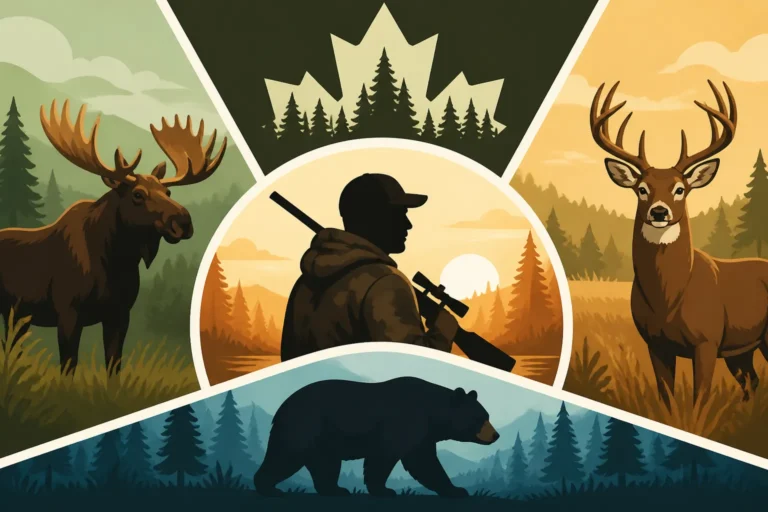
Think about it: when you're pursuing a large, solitary animal like a moose, the logistics of a hunt often mean smaller, more intimate groups. A guide, plus one or two hunters at most, is typical for Booking an Ontario Moose Hunt. Trying to coordinate a larger group silently through dense boreal forest or around a beaver pond for a bull moose is simply impractical and often ineffective. Similarly, Black Bear Hunting in Ontario, especially over bait, usually involves one or two hunters per bait site, with a single guide checking baits and retrieving animals. It's a focused, patient pursuit that doesn't lend itself to a crowd.
On the other hand, a Whitetail Hunting in Ontario trip might see slightly larger groups, particularly if the hunt involves deer drives in a specific bush lot, or multiple stand hunters spread across a larger property. Even then, each stand hunter typically has their own spot and might only interact with the guide at the beginning and end of the day. Then there's Waterfowl Hunting Across Ontario. Imagine a goose hunt in a cut cornfield – you could easily have half a dozen or more hunters in a large layout blind spread, with one or two guides managing the decoys and calling. The nature of the hunt dictates the allowable number of participants, and good outfitters know what works best for each scenario.
Factors Influencing an Outfitter's Group Size
Beyond the legalities and the target species, several very practical considerations dictate how many hunters an outfitter can comfortably and effectively host. This isn't just about filling beds; it's about providing a quality experience.
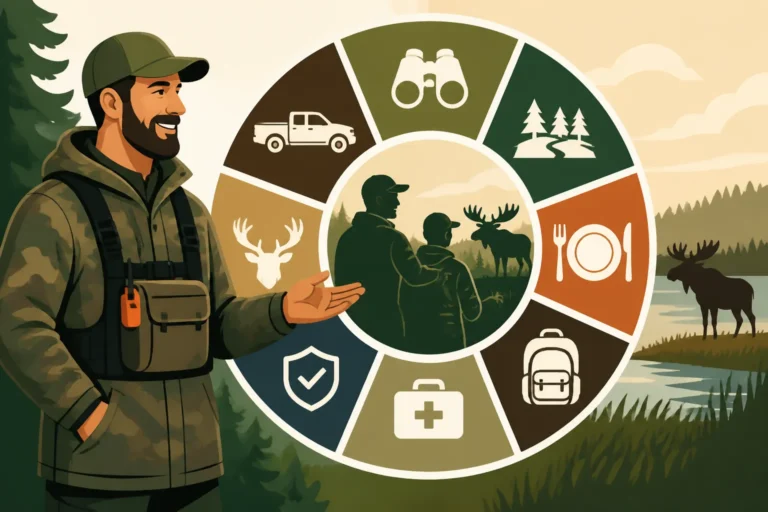
Infrastructure and Resources: Lodging, Guides, and Gear
This is the nuts and bolts of an outfitter's capacity. Think of it like this: if you own a small cabin with two bedrooms, you can't host twenty people for a week. The same logic applies to an outfitter's operation.
- Lodging: How many cabins, lodge rooms, or tent camps does the outfitter maintain? Are they designed for individual hunters, pairs, or larger groups? A remote fly-in camp might only have one or two small cabins, limiting it to a handful of hunters, while a larger lodge on a main road might accommodate twenty. When looking at Ontario Hunting Lodges and Camps, consider what kind of setup suits your group size preference. Do they offer a truly private cabin experience, or is it more of a communal bunkhouse? Knowing What a Housekeeping Camp Actually Means will give you a clue about the independence you'll have versus a fully catered lodge.
- Guides: This is arguably the most critical factor. An outfitter might have plenty of beds, but if they only employ two experienced guides, they can only effectively manage a certain number of hunting parties. Each guide can only be in one place at a time. If you're on a one-on-one guided hunt, that guide is dedicated to you. If it's a two-on-one, they're dividing their attention between two hunters. A larger team of guides allows an outfitter to run more concurrent hunting parties.
- Vehicles, Boats, and Gear: Getting hunters to their stands, bait sites, or marsh blinds, and then retrieving game, requires equipment. Trucks, ATVs, side-by-sides, boats, canoes – all these assets come with limits. An outfitter with two trucks and one boat simply cannot transport as many hunters or recover as much game as an operation with a fleet of vehicles. This also extends to essentials like game processing facilities, walk-in coolers, and even basic camp supplies. A well-run operation has the infrastructure to support the number of hunters they bring in, ensuring that logistics don't become a bottleneck for your hunt.
The Personal Touch: Balancing Group Size with Quality Experience
This is where the real nuance comes in. While an outfitter could cram more hunters into their camp, most reputable ones understand that there's a delicate balance between maximizing profits and delivering a quality, memorable experience. Nobody wants to feel like they're just a number.
A truly great guided hunt, whether it's for Booking an Ontario Deer Hunt or Booking an Ontario Waterfowl Hunt, often hinges on the personal interaction you have with your guide and the overall camp atmosphere. In a smaller camp, with fewer hunters, you're likely to get more one-on-one time with your guide, more tailored advice, and a more intimate experience around the dinner table. Your guide might have more time to scout specifically for your preferences or adapt strategies on the fly. This personalized attention can be invaluable, especially for a first-time hunter or someone with specific trophy goals.
Conversely, a large camp, while potentially more bustling and social, might mean less individualized attention. Your guide might be managing several pairs of hunters, and the overall focus could shift from a bespoke experience to a more standardized approach. It's not necessarily a bad thing, especially if you enjoy the camaraderie of a larger group, but it's something to consider. The best outfitters strive to keep their group sizes manageable so that every hunter feels heard, valued, and has the best possible chance at success, rather than feeling rushed or overlooked.
One-on-One vs. Two-on-One Guiding: What to Expect
When discussing outfitter capacity, the terms "one-on-one" and "two-on-one" guiding often come up. These ratios refer to the number of hunters per guide and directly impact the kind of experience you'll have.
Pros and Cons of Different Guide-to-Hunter Ratios
Understanding these distinctions is key to setting your expectations. It’s not just about the cost, but about the focus and intensity of your hunt.
| Feature | One-on-One Guiding (1:1) | Two-on-One Guiding (1:2) | Group Guiding (1:3+) |
|---|---|---|---|
| Hunter Attention | Maximum, guide is fully dedicated to you. | Shared attention, guide divides focus between two hunters. | Minimal individual attention, guide manages the overall group. |
| Personalization | Highly customized strategies, flexible planning. | Good customization, but strategies need to suit both hunters. | Standardized approach, less flexibility. |
| Cost | Highest per hunter, as you're paying for exclusive guide time. | Mid-range per hunter, as guide cost is split. | Lowest per hunter, most cost-effective for large groups. |
| Flexibility | Very high, hunt can adapt to your needs and conditions quickly. | Moderate, requires agreement between two hunters and guide. | Low, hunt plan is generally set for the entire group. |
| Suitable For | First-time big game hunters, specific trophy goals, disabled hunters. | Friends or couples hunting together, moderate budget. | Waterfowl, deer drives, or situations where group success is key. |
| Success Rates | Often perceived as higher due to dedicated focus. | Can be high if hunters work well together and listen to guide. | Varies, depends on coordination and hunt type. |
| Camp Atmosphere | More intimate, can be intense and focused. | Collaborative, shared experience. | Social, bustling, less quiet often. |
It's clear that One-on-One Versus Two-on-One Guiding each offers a distinct experience. If you're looking for that absolute pinnacle of personal instruction and focused hunting, a one-on-one setup might be for you, albeit at a higher cost. If you're going with a buddy and want to share the adventure (and the cost), two-on-one is often a fantastic compromise. For certain types of hunting, like field goose hunting, a larger group might even be preferred for the sheer volume of calling and decoy work.
Asking the Right Questions Before You Book
This is your power move! Don't be shy about asking direct, pointed questions when you're inquiring with an outfitter. A good outfitter will appreciate your thoroughness and be transparent with their answers. These details are often what make or break a hunting trip experience.
Here are some crucial questions to ask:
- "What is your typical guide-to-hunter ratio for this specific type of hunt (e.g., moose, bear, deer, waterfowl) during the week I'm interested in?" Be specific about the species and method.
- "How many total hunters do you usually have in camp during that week?" This will give you an idea of the overall camp atmosphere, separate from your individual guide ratio. A smaller guide-to-hunter ratio doesn't mean much if there are 30 other hunters in camp, all needing services.
- "Will I have the same guide for the entire duration of my hunt?" Consistency in guiding can be a huge benefit, as your guide gets to know your preferences and abilities.
- "What kind of personalized attention can I expect from my guide?" Ask about scouting, strategy discussions, and flexibility in adapting to conditions.
- "Can you put me in touch with past clients who hunted in a similar group size or guide ratio?" Hearing directly from others is invaluable.
Platforms like BookYourHunt or GoHunt can be excellent resources for finding outfitters and often list their typical guide ratios or allow you to filter by such options. Always use these tools to research, but then follow up with direct conversations with the outfitter to confirm the details. Being proactive in asking Questions to Ask Before Booking ensures that you're not surprised when you arrive at camp. Knowing upfront exactly how many hunters an outfitter can take, and how that translates to your personal experience, will help you choose the right outfit for your Ontario hunting adventure. It's about ensuring your expectations align with the reality of what the outfitter can deliver. Don't forget to also consider What an Ontario Guided Hunt Costs relative to the ratio, as it's often a significant factor.
Disclaimer
This article is for general informational purposes only and does not constitute professional advice. Laws, prices and regulations vary by location and change over time. Consult a qualified professional for guidance on your specific situation.